Castles in Montenegro: Explore Coastal Walls, Mountain Forts and Monastery Churches
Castles in Montenegro include the walls of coastal settlements, forts above the Bay of Kotor and religious communities with defensive histories. The collection follows this broader group of fortifications and residences. Budva, Vrmac and Haj Nehaj supply the main military examples, while monastery churches add surviving interiors and buildings once protected within enclosed compounds.
Primary Function: All
Type: All
Civilization: All
Popularity: All
Rating: All
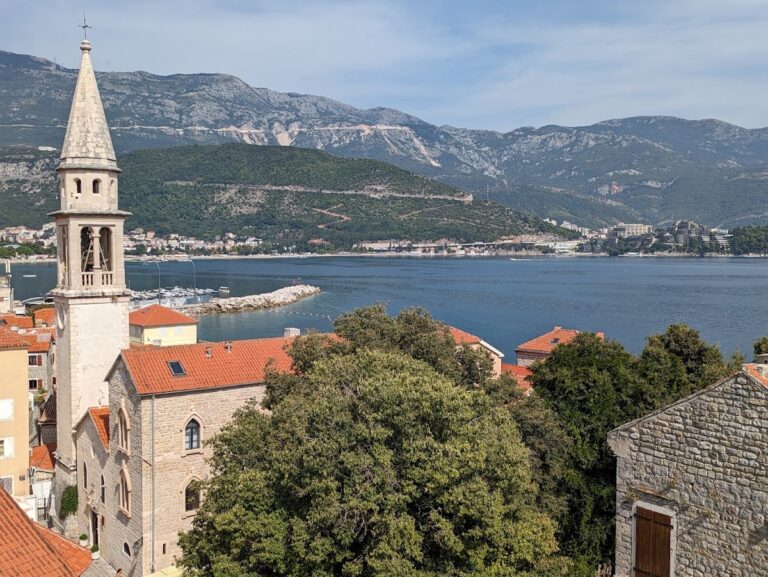
Stari Grad is Budva’s medieval historic center, enclosed by Venetian fortifications and containing important churches, the Citadel, archaeological…
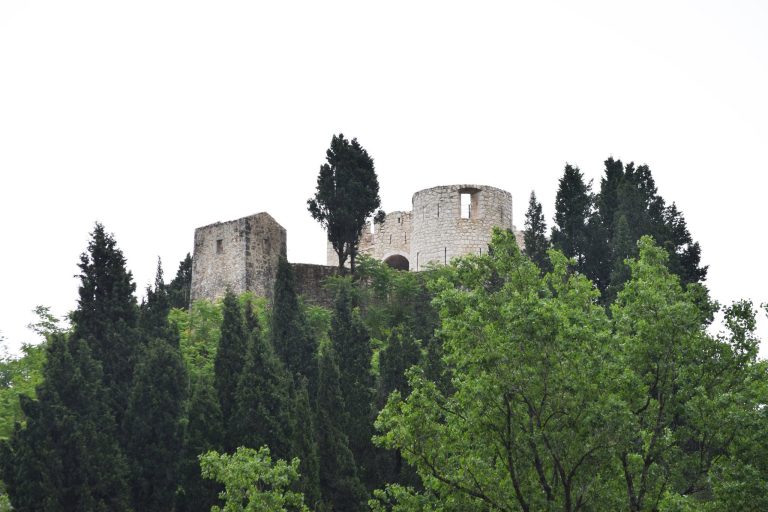
Besac is a fortified site above Virpazar that reflects Ottoman and Montenegrin military history around Lake Skadar, with later use as a gendarmerie…
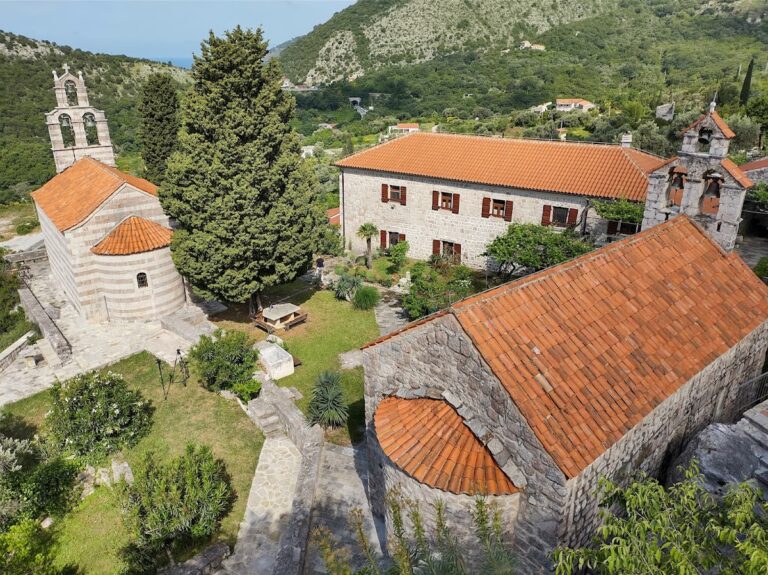
Gradište Monastery near Petrovac preserves a long history of Orthodox worship, royal patronage, repeated destruction, and renewal. Its three churches…
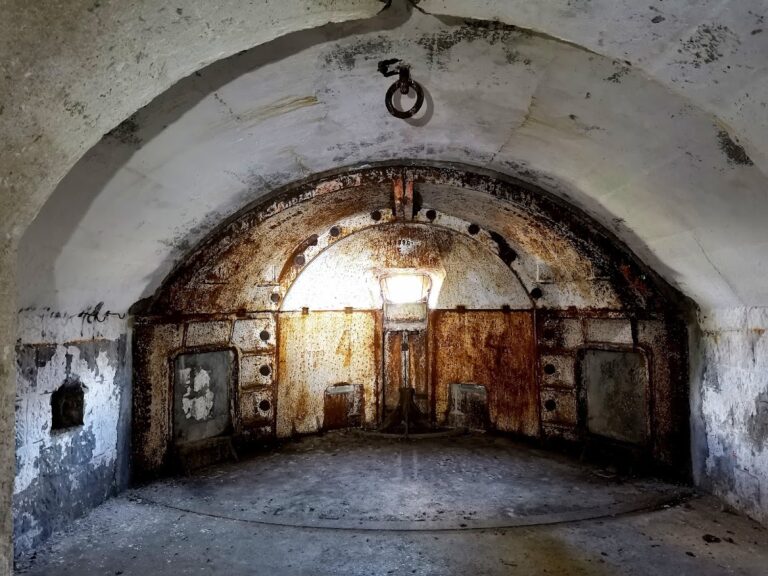
Vrmac Fortress, built between 1894 and 1897 in Montenegro, formed a central part of the Austro-Hungarian defensive system around the Bay of Kotor and…
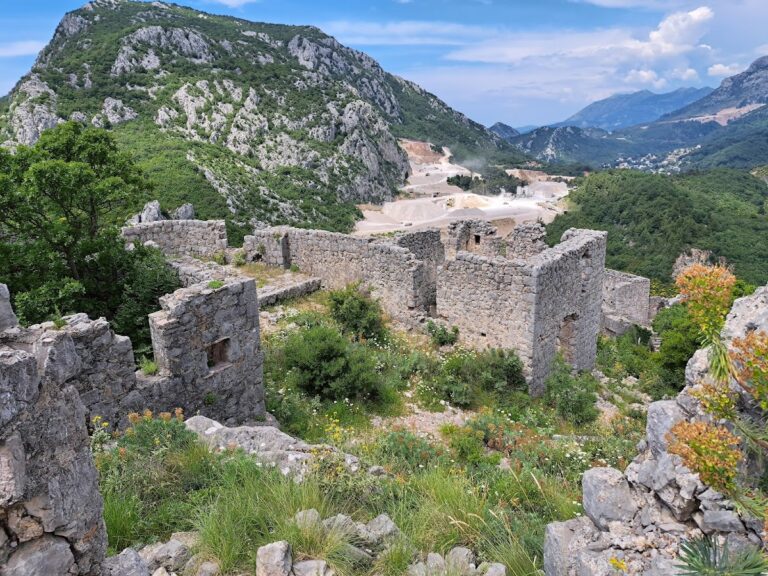
Haj-Nehaj is a Venetian fortress near Sutomore, shaped by Venetian, Ottoman, Montenegrin, and Austro-Hungarian control. Its ruins preserve defensive…
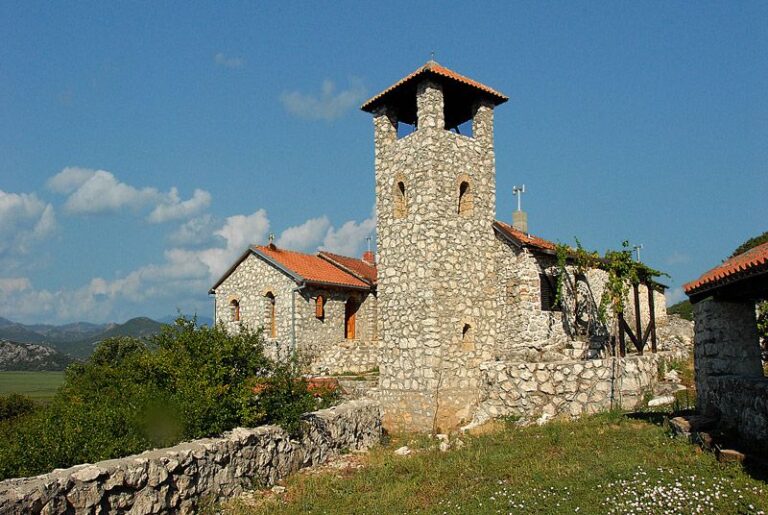
Kom Monastery is a fifteenth-century Serbian Orthodox foundation on an island in Skadar Lake, associated with the Crnojević family, the Zetan…
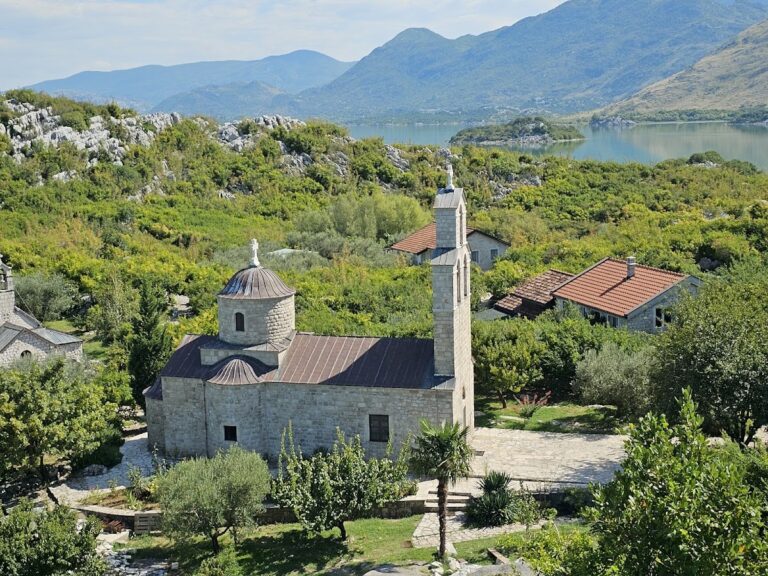
Moračnik Monastery is a fifteenth-century Serbian Orthodox foundation on an island in Lake Skadar, associated with Balša III Balšić and the monastic…
For details on how to use the maps, which sites are included, how popularity and ratings are determined, and how sites are classified, see the help page.
On this page5 sections
Budva Old Town: walls and a coastal citadel
Budva Old Town is enclosed by a roughly horseshoe-shaped circuit of stone walls. Much of the defensive arrangement belongs to the Venetian period, with towers and firing openings overlooking the approaches. At the southern end, the citadel concentrates bastions, towers and connecting stairs into a separate strongpoint.
Religious buildings occupy the defended town alongside houses and streets. The Church of St Sava was incorporated into the wall line, while other churches stand within the enclosure. The relationship between these buildings and the ramparts makes Budva a fortified settlement rather than simply a castle beside a town. Its substantial walls contain the spaces in which the urban community lived and worshipped.
Fort Vrmac: barracks and armoured gun positions
Fort Vrmac occupies a mountain ridge above the Bay of Kotor. Built for the Austro-Hungarian defensive system, its irregular pentagonal plan contains barracks and protected fighting positions. Limestone masonry and concrete served a form of warfare very different from that of the medieval coastal walls.
A ditch surrounded the fort, with projecting defensive chambers positioned to cover it. Armoured gun rooms and a reinforced concrete roof protected weapons and their crews, while accommodation occupied another part of the building. Ammunition storage was separated from the main block. These arrangements show how the fort combined living quarters, observation and artillery in a compact structure built into the ridge.
Haj Nehaj: a gateway beside the cliffs
Haj Nehaj Fortress stands on a rocky height near Sutomore. Its western gateway controls the more accessible approach, while cliffs protect other sides. A winged-lion relief is associated with the entrance, and a cistern beside it helped sustain the occupants within the walls.
Rounded towers contain gun openings, and a powder-storage building occupies the eastern part of the enclosure. The remains of houses and the Church of St Demetrius lie inside. The residential buildings are largely ruined, but the defensive masonry preserves the way the fort used the rock: the builders concentrated walls and controlled entry where natural obstacles offered less protection.
Kom and Gradište: churches within former defensive compounds
On an island in Lake Skadar, Kom Monastery preserves the Church of the Dormition, a single-nave building with side chapels and a timber porch. Fifteenth- and sixteenth-century wall paintings provide the main interior interest. The monastery historically had an enclosing wall with two gates, with accommodation set beside the church.
Gradište Monastery near Buljarica contains three churches and residential buildings. The Church of St Nicholas has seventeenth-century frescoes, while the later Church of St Sava uses contrasting red and white stone. Painted interiors and carved church fittings are the stronger surviving features here. Its defensive wall and tower were destroyed, so the site should not be expected to resemble an intact fortress. These monasteries add religious buildings to the same collection while retaining a clear distinction between standing churches and lost defences.
Explore the collection
Explore sites on the map or in the grid. Map icons reflect each site’s primary function, helping you identify different kinds of places at a glance. Narrow this collection by primary function, by a site type within the castle and residence group, or by civilization and era. Additional filters cover popularity and rating. Select a map marker to view the site’s details and open its article, or open the article from its grid entry.