Castles in Iraq: Explore Desert Palace Fortresses, Citadel Houses and Towered Residences
The castles and fortified sites in this collection include a large desert palace, a citadel formed around an inhabited settlement mound and smaller towered residences in the Kurdistan Region. Their buildings differ in both scale and purpose: Al-Ukhaidir organizes halls and domestic courts inside a broad defensive enclosure, while Erbil’s imposing outer edge is largely formed by adjoining houses.
The page uses the wider castle and residence group. The examples below concentrate on substantial architecture and distinguish earlier settlement history from the later buildings that give these sites their visible form.
Primary Function: All
Type: All
Civilization: All
Popularity: All
Rating: All
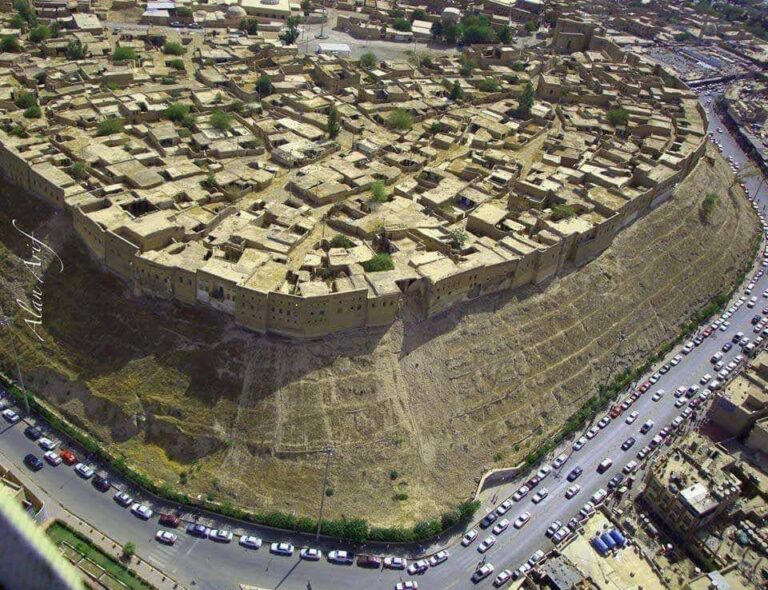
The Citadel of Erbil is a deeply layered settlement mound whose history extends from the fifth millennium BC through Sumerian, Assyrian, Islamic, and…
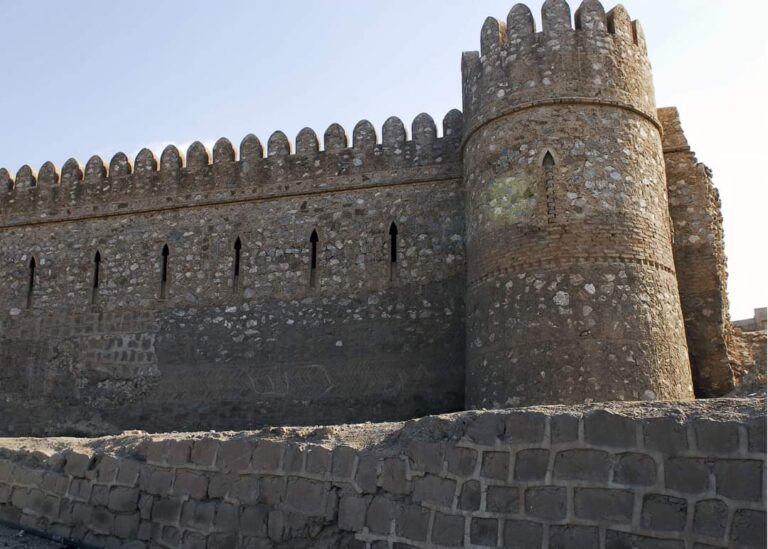
Kirkuk Citadel is the historic core of Kirkuk, built on a raised ancient tell and shaped by Assyrian, Seleucid, Islamic, Ottoman, and modern Iraqi…
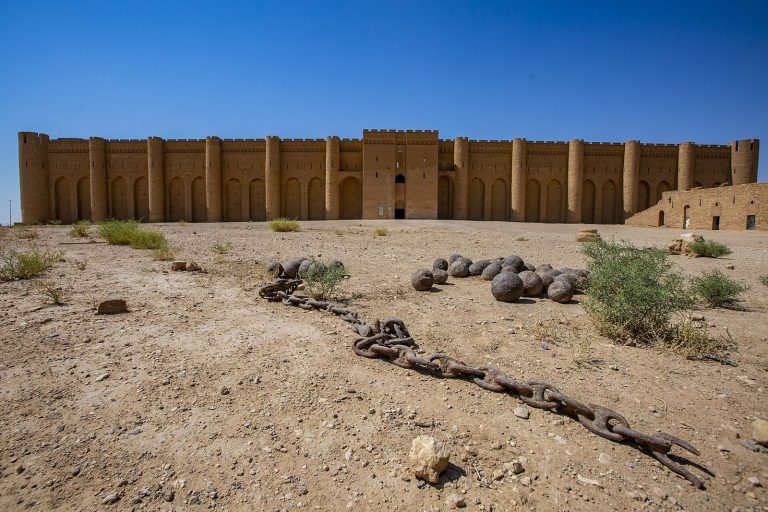
Al-Ukhaidir Fortress is an eighth-century Abbasid complex near Karbala, combining a fortified enclosure with courtyards, residences, a mosque, bath,…
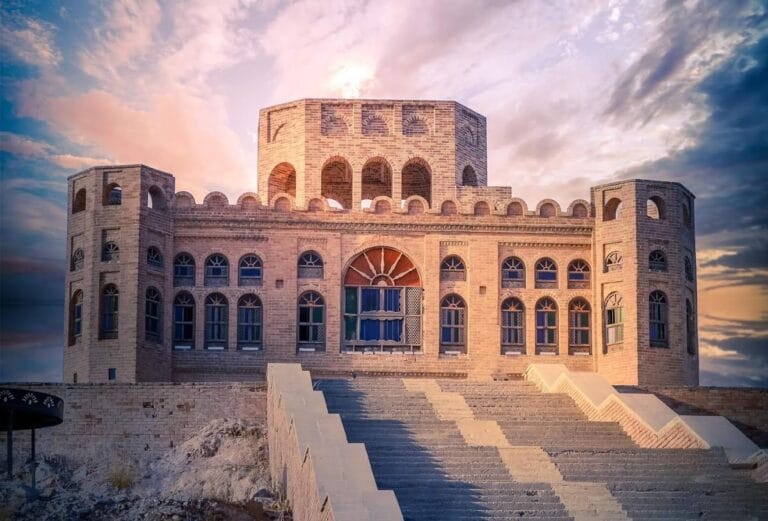
Sherwana Castle near Kalar is the ancestral residence of the Jaff family, a Kurdish aristocratic house whose influence expanded in the Shahrizor…
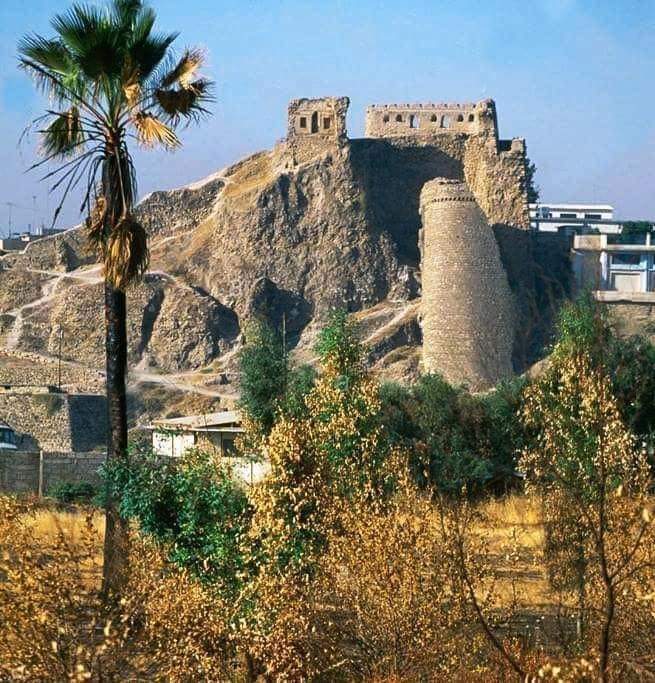
Bash Tapia Castle is a historic fortress on the western bank of the Tigris in Mosul, rebuilt and damaged across successive periods of the city’s…
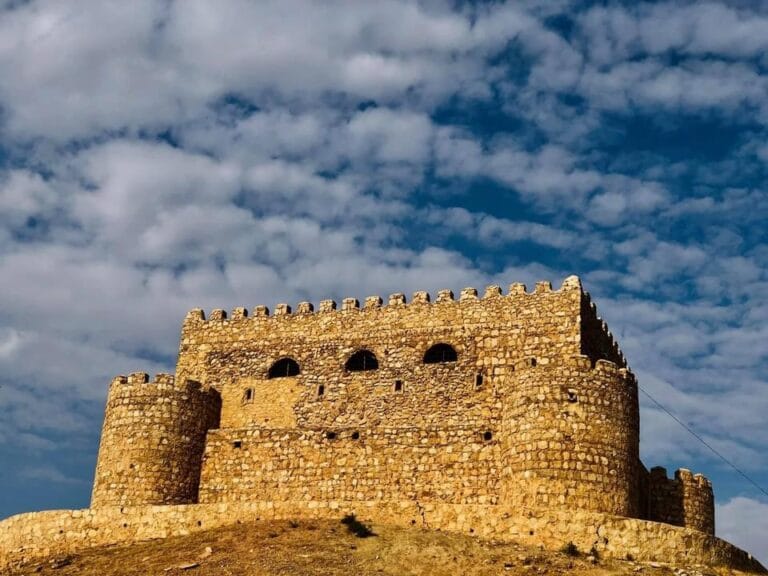
Kanzad Castle is a medieval fortress east of Erbil associated with the Soran Emirate and the ruler Khanzad. Built as a residence and defensive…
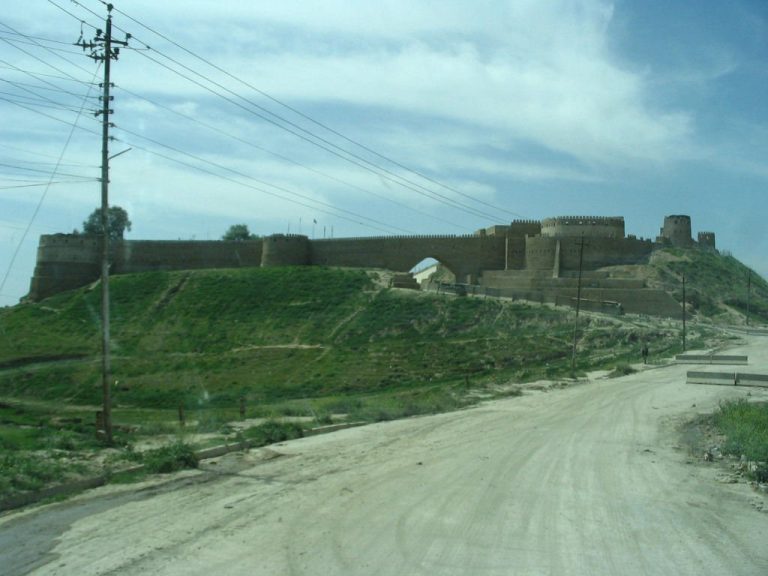
Tal Afar Citadel in northern Iraq developed through Assyrian, Umayyad, Ottoman, and modern military phases. Its walls, gates, water system, and…
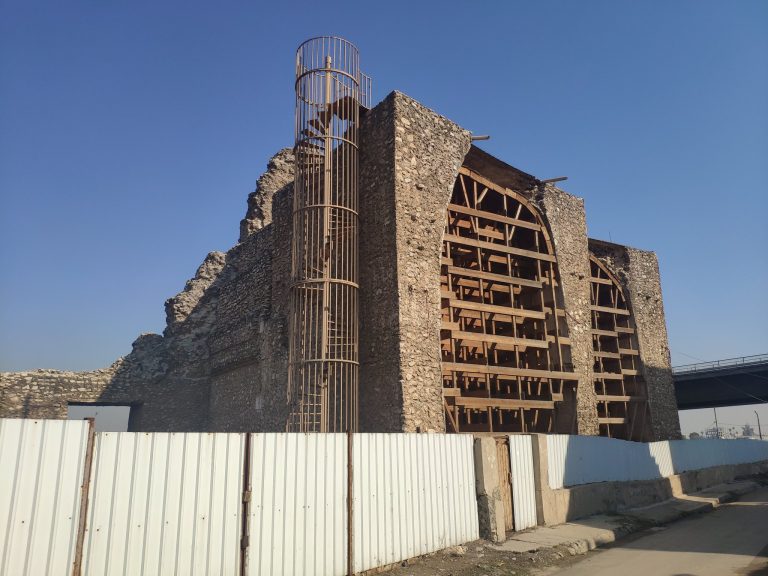
Qara Saray, meaning “the Black Palace,” was a royal residence and seat of government in medieval Mosul. Built and expanded under Badr al-Din Lu’lu,…
For details on how to use the maps, which sites are included, how popularity and ratings are determined, and how sites are classified, see the help page.
On this page5 sections
Al-Ukhaidir: desert palace and defensive enclosure
Al-Ukhaidir Fortress near Karbala is generally dated to the early Abbasid period in the eighth century. A large rectangular outer enclosure surrounds the main building, with monumental walls and gates separating it from the surrounding desert. Rubble masonry and mortar form much of the construction, with fired brick used for vaults.
Inside, entrance passages lead toward formal courts, reception spaces and a large iwan, a vaulted hall open at one end. Residential groups have smaller courts of their own, while a mosque, bath and service rooms form part of the palace complex. The repeated courtyards separate public reception from household accommodation and practical facilities.
Substantial walls and vaulted rooms survive alongside conservation and reconstruction. Al-Ukhaidir is particularly useful for understanding how a fortified residence could contain several households and shared services, rather than functioning only as a military enclosure.
Erbil Citadel: courtyard houses and historic streets
The Citadel of Erbil stands on a high mound accumulated through successive settlement and rebuilding. Its long history should be distinguished from the age of the visible houses: much of the standing urban fabric belongs to the later Ottoman period and the nineteenth and twentieth centuries.
Adjoining house facades around the mound create the appearance of a continuous defensive wall. Inside, narrow alleys and courts organize the settlement. Traditional houses use enclosed courtyards, raised arcades and bent entrance passages that prevent a direct view from the street into the household space.
The citadel therefore offers a different kind of enclosure from Al-Ukhaidir. Its perimeter grew from a dense settlement on a restricted summit, with houses forming the outer edge, rather than from one palace plan inside a separately built wall circuit.
Khanzad Castle: a residence with four round towers
Khanzad Castle, also known as Banaman Castle, stands on elevated ground east of Erbil. Built of stone and gypsum, it has two principal floors and four circular towers. Its construction is associated with Khanzad, a ruler of the Soran Emirate, although the precise date remains uncertain.
The towered building combines a residence with a defended position above the surrounding ground. It is a much smaller and more concentrated structure than the urban enclosure at Erbil, with the principal accommodation contained within one compact castle. Renovation has contributed to the preservation of its standing form.
Sherwana Castle: arched windows and restored towers
Sherwana Castle near Kalar was a residence of the Jaff family. Four corner towers and rows of arched windows define the building, while an elevated entrance leads to rooms with arched wall recesses. Its materials include stone and brick with lime and gypsum, and timber used for doors and windows.
The castle suffered severe earthquake damage in 2017, including collapse in its upper structure, and was subsequently restored. Its appearance therefore includes repair and reconstruction as well as earlier fabric. The combination of domestic windows, internal rooms and tower openings intended for defence distinguishes this residence from a fortress designed mainly around large walls and courts.
Explore the collection
Explore sites on the map or in the grid. Map icons reflect each site’s primary function, helping you identify different kinds of places at a glance. Narrow this collection by primary function, by a site type within the castle and residence group, or by civilization and era. Additional filters cover popularity and rating. Select a map marker to view the site’s details and open its article, or open the article from its grid entry.