Castles in Saudi Arabia: Explore Oasis Forts, Pilgrimage Strongholds and Courtyard Houses
Castles in Saudi Arabia include towered oasis enclosures, stone forts on pilgrimage routes and defended buildings above older settlements. The wider collection also includes residences whose rooms were arranged around household, trading and reception activities. Their surviving structures range from mud-plastered ramparts and domed mosques to stone gateways, wells and shaded courtyards.
Primary Function: All
Type: All
Civilization: All
Popularity: All
Rating: All
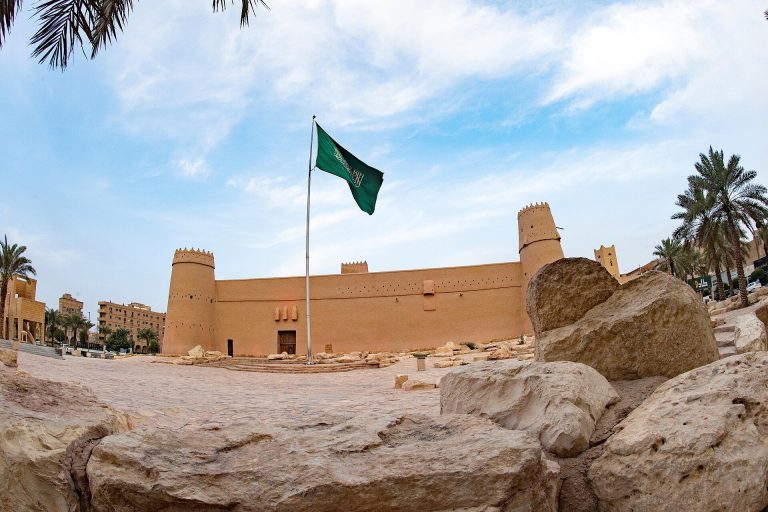
Masmak Fort is a nineteenth-century Najdi fortress in Riyadh associated with the 1902 Saudi recapture of the city and the later unification of Saudi…
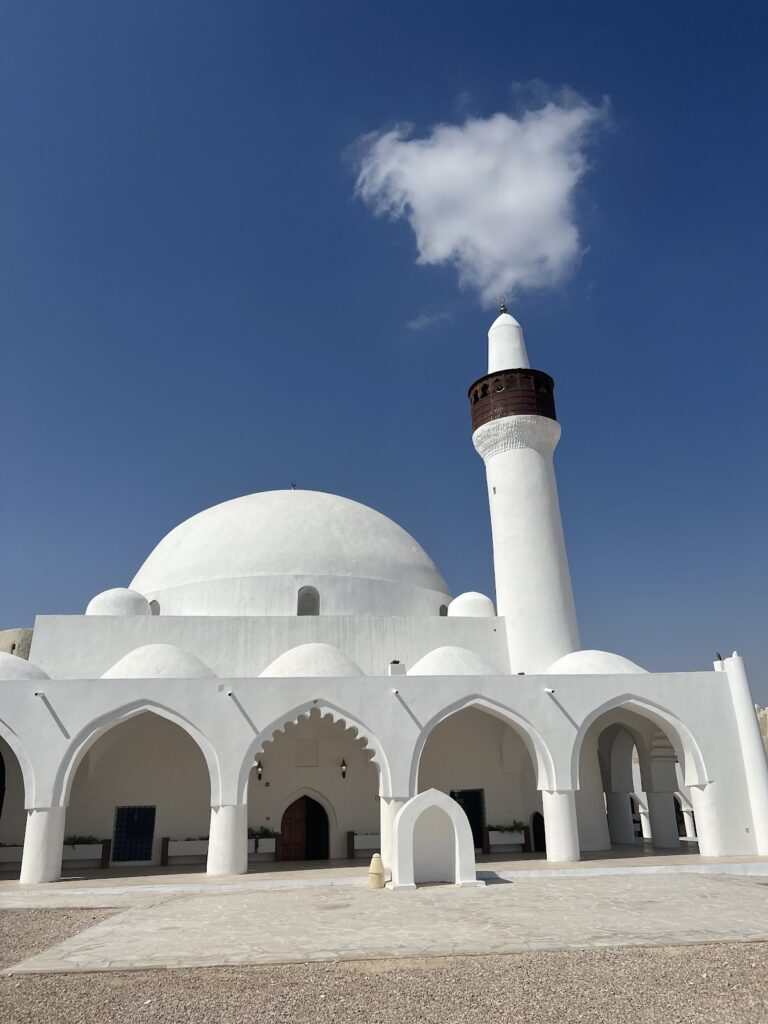
Qasr Ibrahim is a historic Ottoman fort in Al Hofuf that became a Saudi military and communications center. Its mosque, towers, barracks, bathhouse,…

Marid Castle in Dumat al-Jandal is a historic fortress and former seat of government with Nabataean archaeological layers, later Islamic use, and a…

Adosareyah Castle is an Ottoman-era fortress in central Jazan that served as a gubernatorial headquarters, a center of religious education, and a…
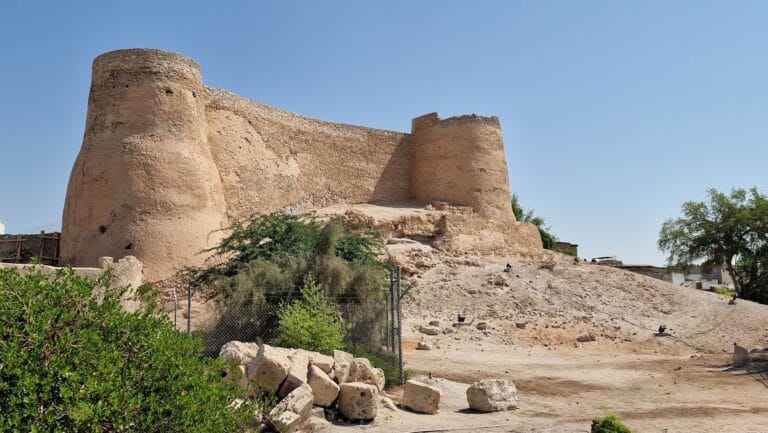
Tarout Castle occupies an ancient mound on Tarout Island in eastern Saudi Arabia. Its archaeological layers span prehistoric settlement, Dilmun…
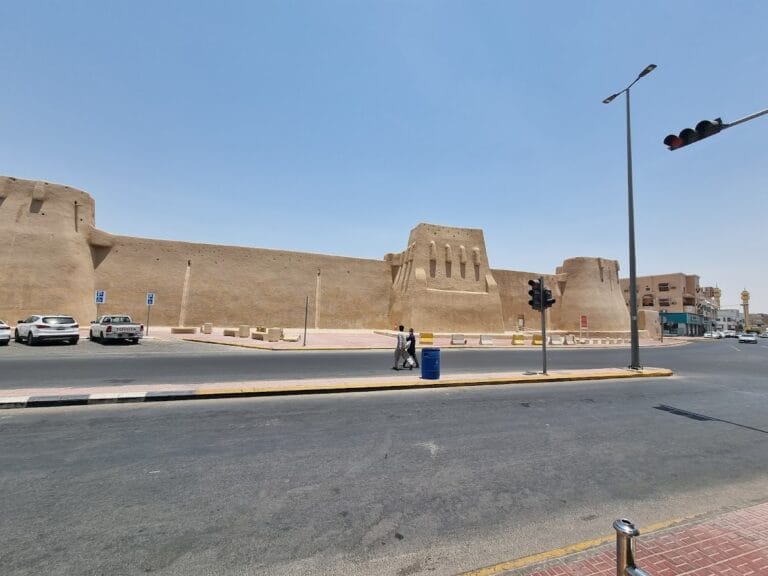
Sahood Fort protected Al Mubarraz and its agricultural region, later serving as a military, police, and barracks site during conflicts involving the…
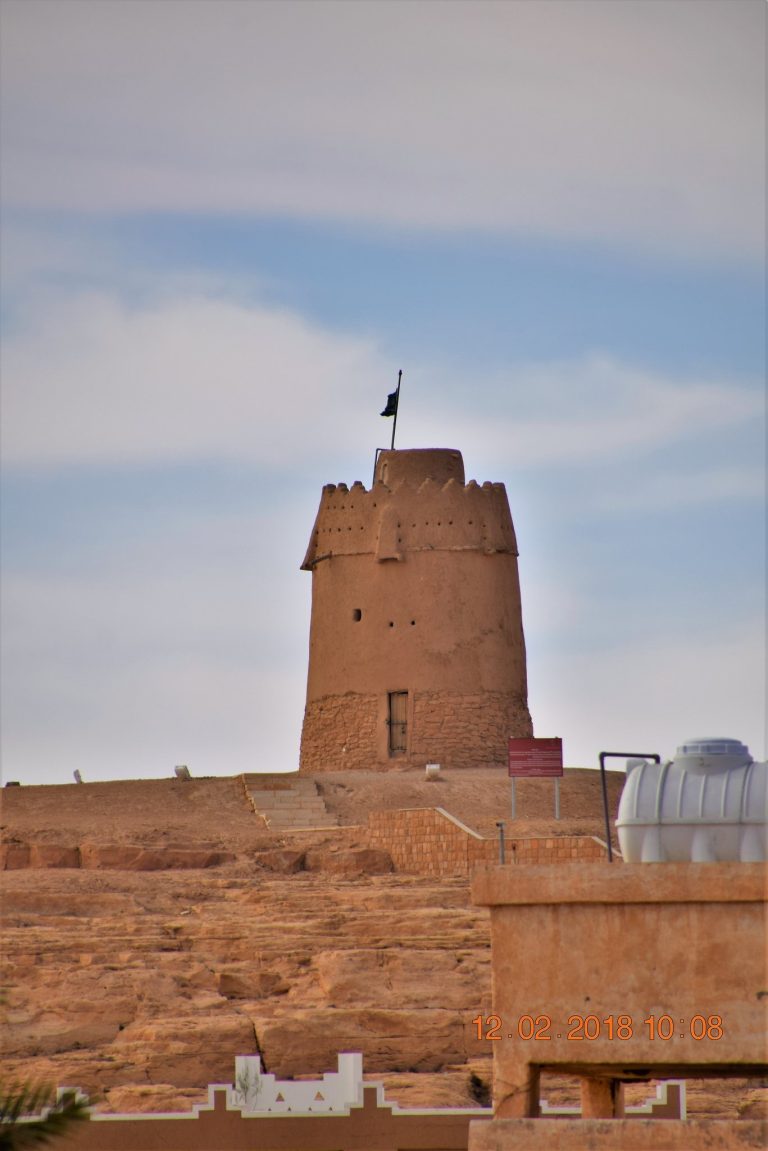
Al-Marqab Castle, also known as Munikh Fort, was built on Mount Munikh to protect Al-Majmaah and control access across the Sudair region. Its towers,…
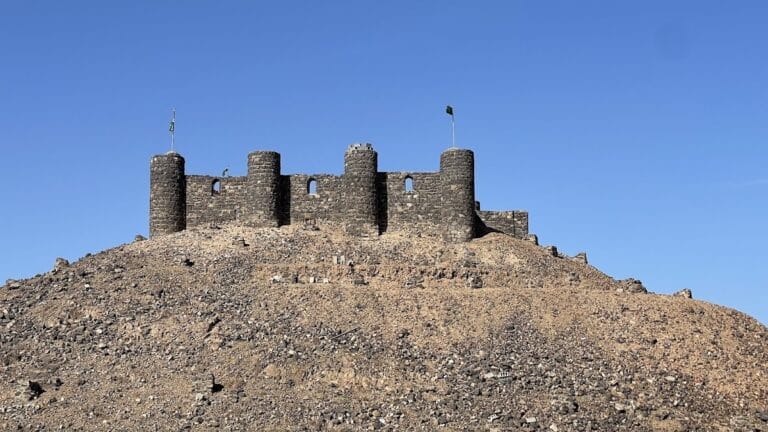
The Qishla of Asfan is a hilltop fort near Asfan that guarded caravan and pilgrim routes toward Medina. Its origins remain uncertain, with possible…
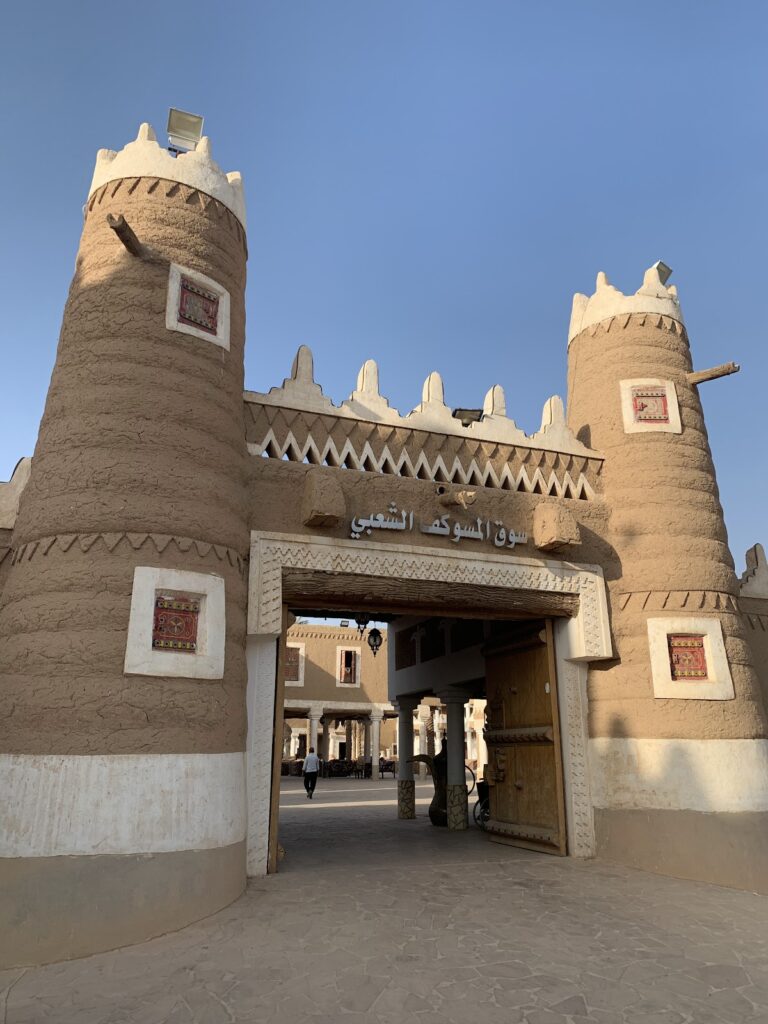
Al Bassam Heritage House in Unaizah is a large mud-built residence that preserves the planning, construction methods, and domestic spaces associated…
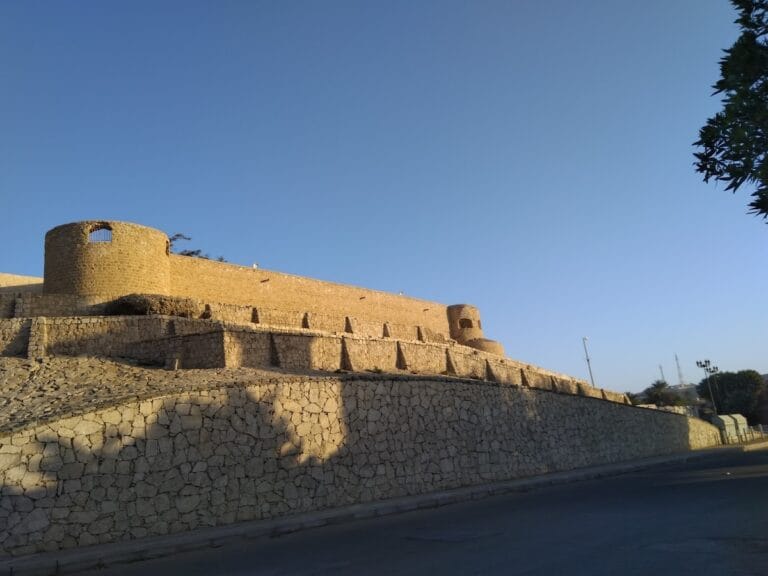
King Abdul Aziz Fort in Duba was built in 1933 during the foundation of modern Saudi Arabia as a seat of rule and the local emirate. Its limestone…

Al-Mua'azam Fort, built in 1622 southeast of Tabuk, protected an earlier Ayyubid water pool and supported pilgrims traveling along the overland route…
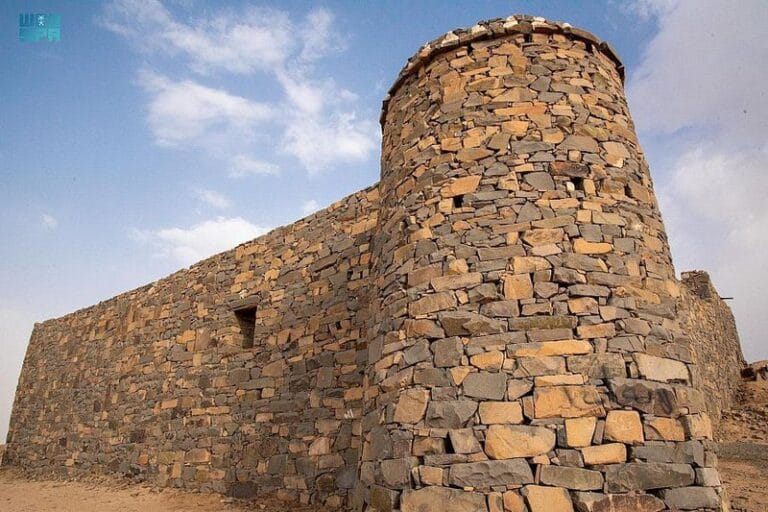
Castle of the Sorcerers, also known as Al-Urafa Castle, is a historic stone-and-mud fortress near Taif with a rectangular plan, observation towers,…
For details on how to use the maps, which sites are included, how popularity and ratings are determined, and how sites are classified, see the help page.
On this page5 sections
Qasr Ibrahim and Sahood: fortified compounds in Al-Ahsa
Qasr Ibrahim encloses a large compound with towers connected by a route along the wall tops. Its western entrance turns within the defences, with a guardroom positioned to supervise movement. Barracks and stables accommodated the garrison, while a command pavilion contained rooms and reception galleries on two levels.
The mosque combines a large central dome with smaller domes over adjoining arcades. Its decorated plaster windows and mihrab add religious spaces within the military enclosure. Restoration repaired walls, the mosque and command buildings, including reconstruction of collapsed sections. The complex’s present appearance therefore includes renewed fabric as well as earlier construction.
At Sahood Fort, mud-brick walls contain stone-and-earth infill between inner and outer faces, linked with palm timbers. Cannon openings pierce the defences, while the western gateway uses another bent approach. Stores, a well, stables and a council room occupy the enclosure alongside a mosque supported by columns and arches. The fort was extensively rebuilt after destruction during the Ottoman siege of 1799.
Marid Castle: stone walls and later earthen additions
Marid Castle rises on a hill at Dumat al-Jandal. Stone masonry forms the lower structure, while mud-brick additions occupy upper parts and buildings within the courtyard. Towers and an outer wall with observation openings protected a position overlooking the settlement.
The plan changed through successive building phases, from a more rectangular arrangement towards the rounded enclosure recorded today. Two wells supported the occupants, and rooms served guard duty and observation. Archaeological finds establish earlier occupation at the site, but they do not date every standing wall. The visible castle contains later construction and modern repairs as well as older stonework.
Al-Mu’azzam Fort: a stone gateway beside a pilgrim water supply
Al-Mu’azzam Fort southeast of Tabuk was built in 1622 on the Levantine pilgrimage route. Its rectangular enclosure has circular corner towers and rooms arranged around a broad courtyard. Small defensive openings replace ordinary windows in the outer façades.
The single entrance is marked by a large arch, carved details and inscriptions. Inside, stairs connect the levels around the court. A stone-lined well belongs to the fort, while a large pool and further wells stand nearby. The pool was positioned to collect runoff from the valley for pilgrims stopping along the route. These water installations explain why a substantial guarded building was required at this particular stopping place.
Al Bassam House: reception rooms and a trading wing
Al Bassam Heritage House in Unaizah broadens the collection beyond military buildings. Its earthen walls enclose separate areas for guests, family life, commerce and animals. Tamarisk timber and palm materials were used in the roofs, with high ceilings over the rooms.
Reception rooms open onto a shaded space through shuttered windows, providing light and ventilation. The commercial wing has rooms along a columned corridor and an entrance used for unloading goods. Elsewhere, an open family courtyard, garden and livestock enclosure supported the household. The building was later furnished for heritage presentation, so displayed objects should be distinguished from its structural arrangement and former uses.
Explore the collection
Explore sites on the map or in the grid. Map icons reflect each site’s primary function, helping you identify different kinds of places at a glance. Narrow this collection by primary function, by a site type within the castle and residence group, or by civilization and era. Additional filters cover popularity and rating. Select a map marker to view the site’s details and open its article, or open the article from its grid entry.