Castles in Germany: Explore Medieval Residences, Mountain Fortresses and Royal Palaces
Castles in Germany include imperial residences, long ridge-top enclosures, artillery fortresses and palaces whose towers evoke an idealised Middle Ages. The collection also covers citadels, town defences, manor houses and other historic residences. Substantial surviving examples range from medieval chapels and vaulted accommodation to planned palace wings and extensive military compounds.
The map and grid link these places with articles explaining their construction and use. The examples below distinguish castles developed for defence and government from later residences that adopted castle-like forms for appearance, and compare fortifications shaped by their terrain with more regular designs.
Primary Function: All
Type: All
Civilization: All
Popularity: All
Rating: All
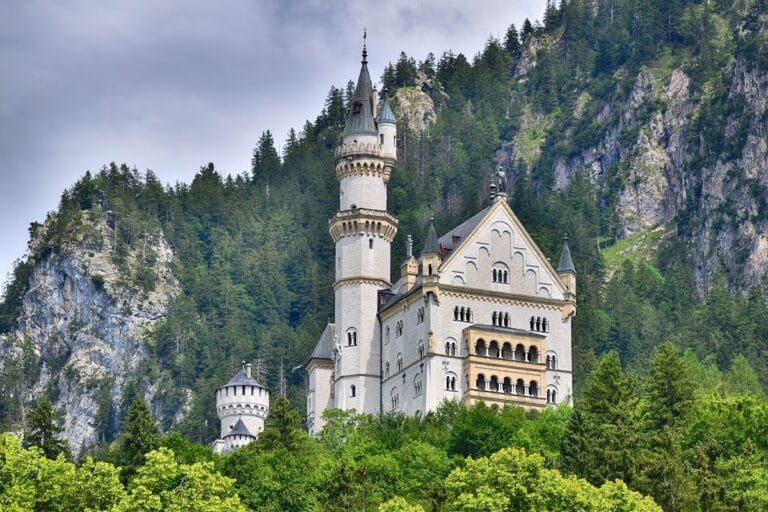
Neuschwanstein Castle is a nineteenth-century Bavarian palace commissioned by King Ludwig II as a private retreat and tribute to Richard Wagner.…
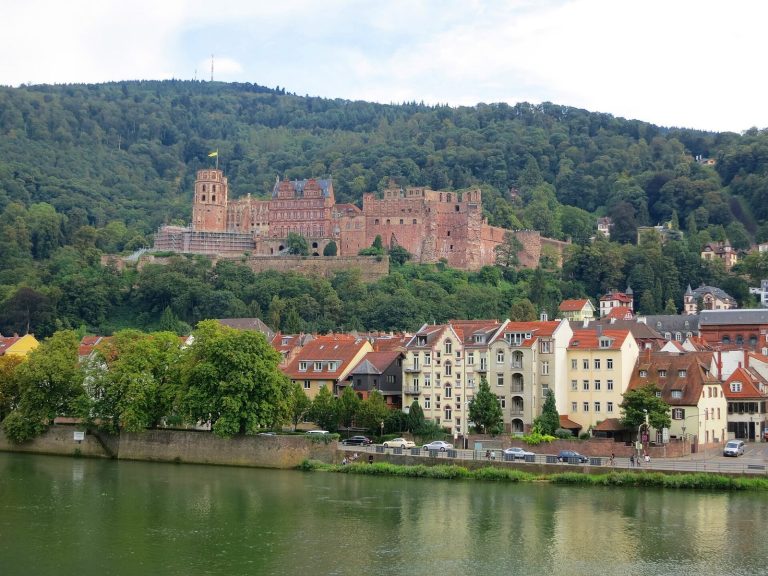
Heidelberg Castle developed from a thirteenth-century lower castle into the residence of the Electors Palatine. War, fire, demolition, and Romantic…
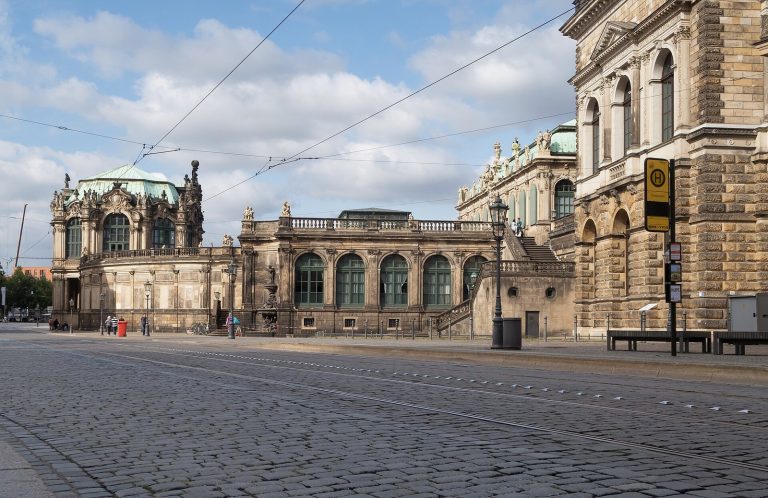
The Zwinger is a Baroque court complex in Dresden, created for festivals, gardens, orangery functions, and electoral collections. Its buildings,…
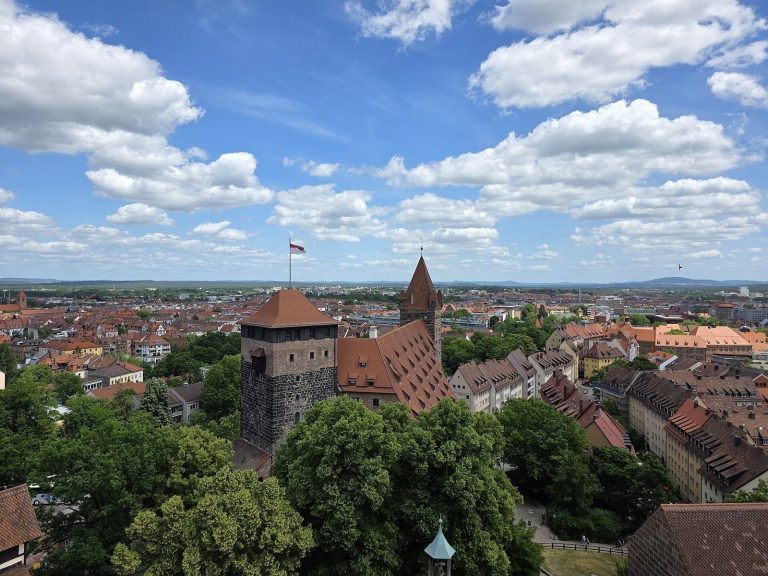
Nuremberg Castle developed from an early medieval royal fortress into an imperial residence, an imperial-city stronghold, and a surviving complex of…
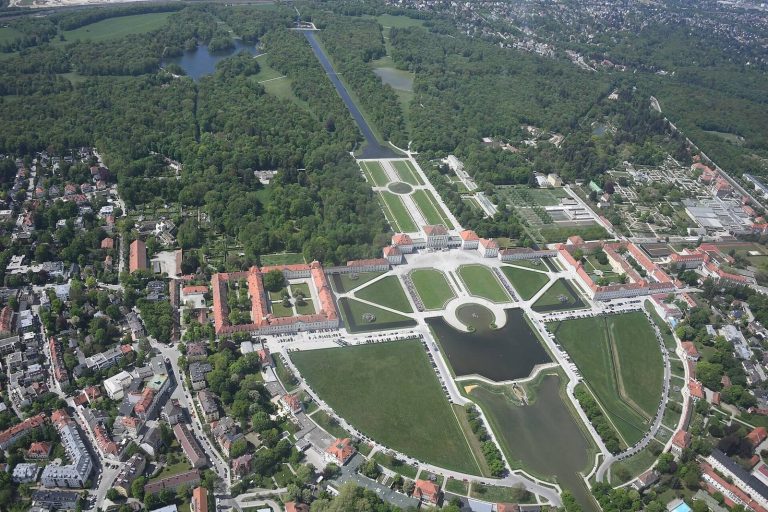
Nymphenburg Palace in Munich developed from a seventeenth-century Italianate villa into a major Baroque and Rococo residence of the Bavarian electors…
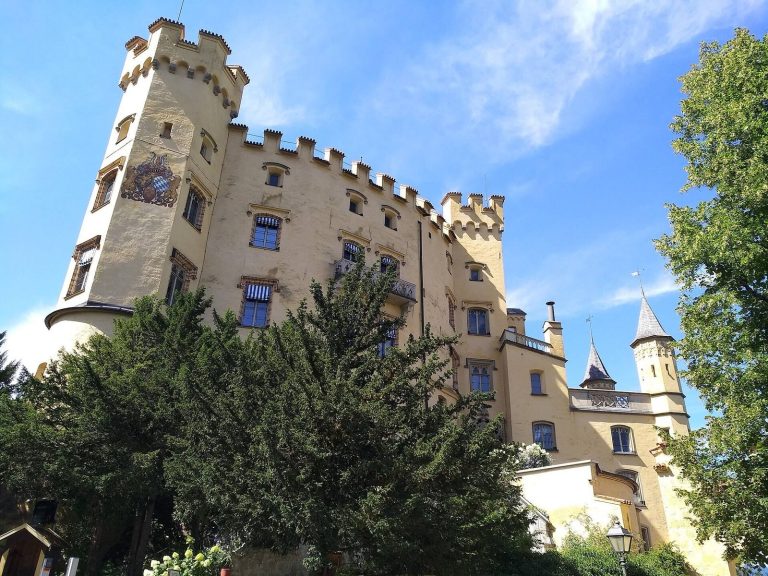
Hohenschwangau Castle in Bavaria developed from a sixteenth-century fortress into a nineteenth-century royal summer residence associated with…
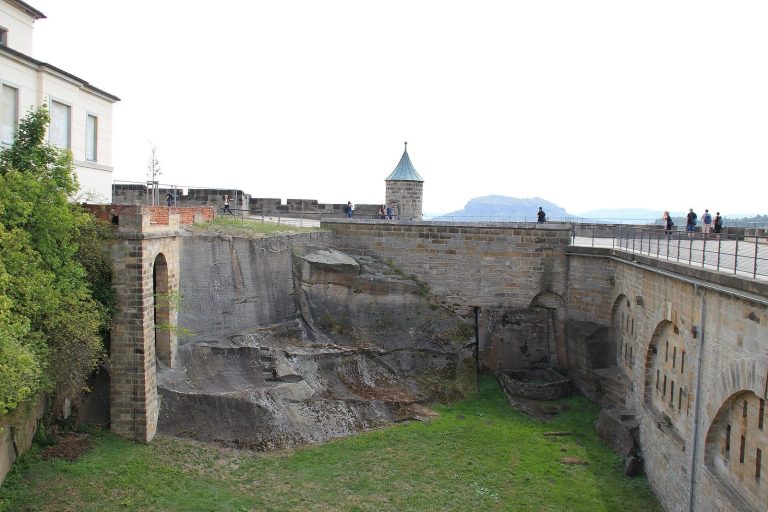
Königstein Fortress developed from a medieval Bohemian hill castle into a major Saxon fortress, prison, refuge, treasury, and military-history museum…
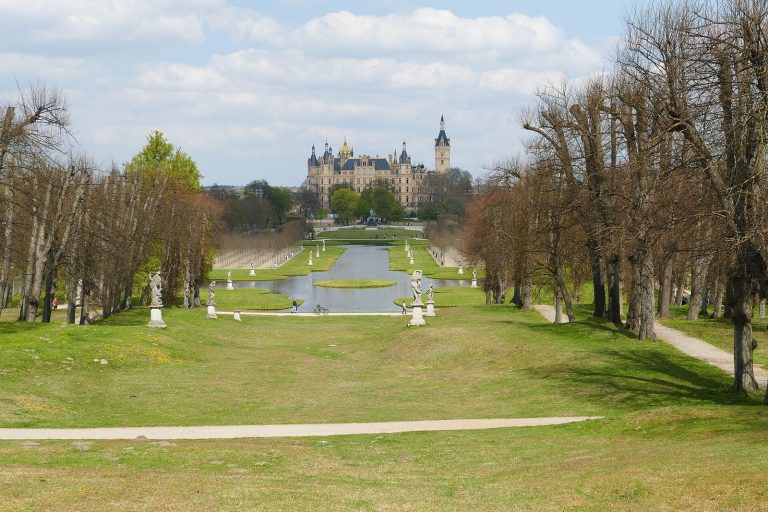
Schwerin Castle developed from a Slavic-Obotrite fortification into the residence of the dukes and grand dukes of Mecklenburg-Schwerin. Its surviving…
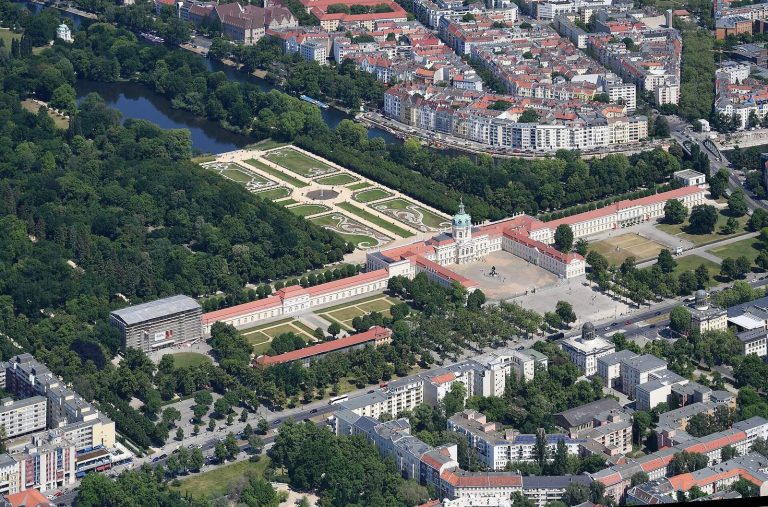
Charlottenburg Palace in Berlin began as Sophie Charlotte’s summer residence in 1695 and developed into a major Hohenzollern palace complex. Its…
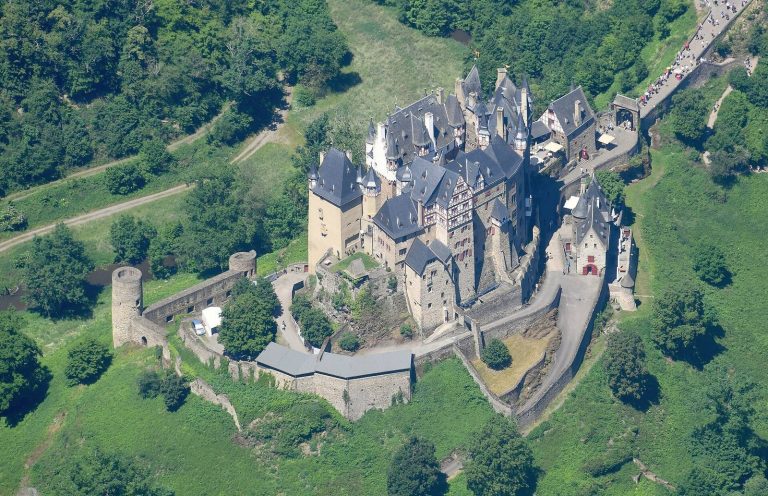
Eltz Castle, near Wierschem in Rhineland-Palatinate, developed from a twelfth-century keep into a shared residence of three Eltz family branches. Its…
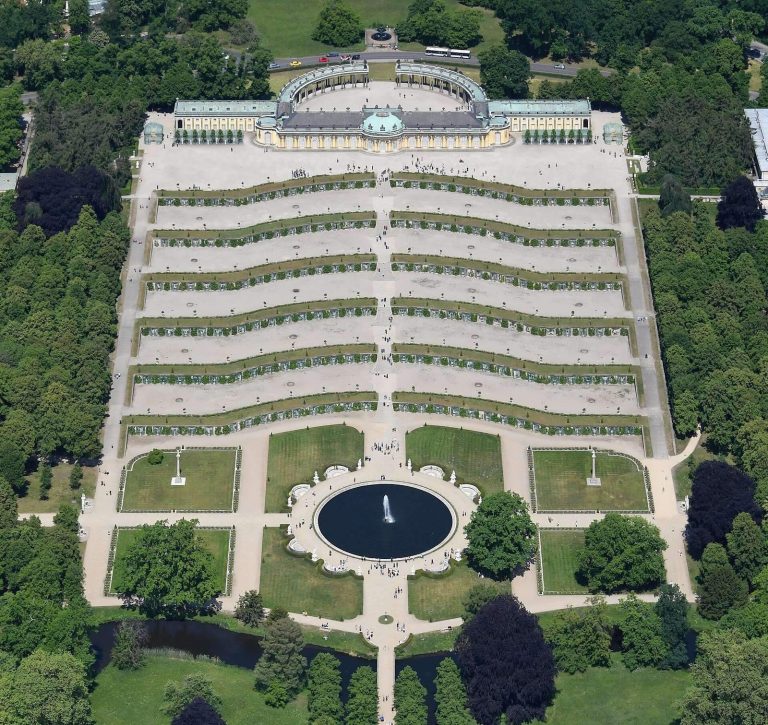
Sanssouci Palace in Potsdam was Frederick the Great’s private summer retreat and a major expression of Frederician Rococo, surrounded by vineyard…
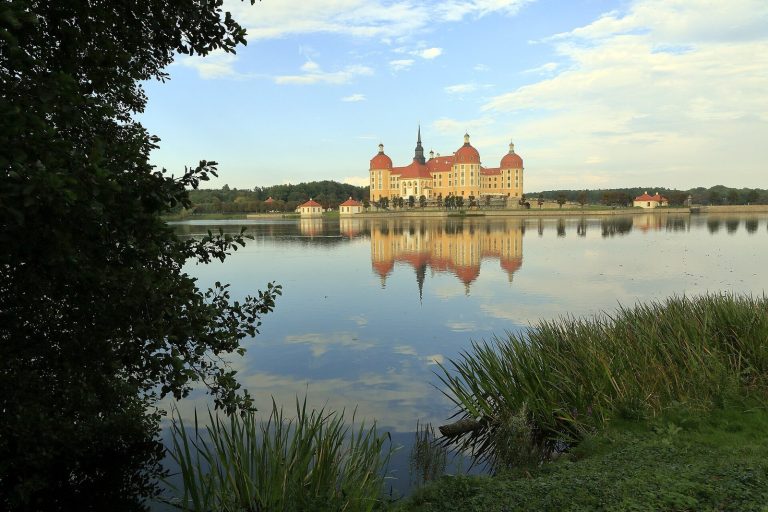
Moritzburg Castle in Germany developed from a sixteenth-century Renaissance hunting lodge into a Baroque residence of the electors and kings of…
For details on how to use the maps, which sites are included, how popularity and ratings are determined, and how sites are classified, see the help page.
On this page5 sections
Imperial castles and extended courtyard complexes
Nuremberg Castle occupies a rocky ridge above the old town. Its different sections belonged to the emperor, the burgrave and the imperial city. Within the Imperial Castle, the palace, residential buildings and chapel surround the inner courtyard, with service and defensive structures outside it.
The Romanesque double chapel preserves two levels connected by an opening between them. The upper space accommodated the high nobility, with separate provision for the imperial family. Its arrangement expresses distinctions within the household as clearly as the gates and walls express the castle’s defensive divisions. Other residential buildings were reconstructed after wartime destruction.
Burghausen Castle extends along a narrow ridge between the Salzach and the Wöhrsee. Six successive courts lead towards the principal residence at the southern end, while the level approach lies to the north. The inner castle contains residential ranges, a chapel, treasury and prison. Its rooms include Gothic vaults and later heavy-beamed ceilings. The sequence of courts spreads the household and its services along the ridge instead of concentrating them around a single compact enclosure.
Plateau fortresses and water defences
Königstein Fortress occupies a broad table-mountain plateau above the Elbe. Ramparts follow its irregular edge, combining masonry with steep sandstone faces. Within the enclosure, buildings from several periods include older castle structures, a chapel and a well house. The deep shaft cut through the rock provided a water supply where the garrison had previously depended on rainwater and cisterns.
The citadel within Spandau’s fortifications has a regular four-bastion plan surrounded by a water-filled moat. Earlier castle elements survive within the later military complex, including the medieval Julius Tower and an adjoining residential building. This geometric enclosure differs from Königstein’s terrain-led perimeter, with projecting bastions arranged to support fire along the intervening walls. The broader Spandau fortress also included town and industrial defences, many of which were later removed.
Nymphenburg Palace: connected wings and courtyards
Nymphenburg Palace grew from a central Italianate residence into a broad Baroque complex. Arcaded galleries connect the principal building with additional pavilions, while further wings served stables, an orangery and accommodation. The symmetrical approach extends the palace beyond its original residential block.
Inside the central pavilion, the Stone Hall rises through several storeys and has a ceiling fresco depicting Helios in his chariot. Adjoining apartments combine audience rooms, bedrooms, tapestries and painted ceilings. These spaces explain the palace through reception and court life, rather than military preparation.
Neuschwanstein: nineteenth-century castle architecture
Neuschwanstein was built for Ludwig II as a private retreat. Its asymmetric towers, gatehouse and courtyards borrow from fortified architecture, but they were not designed as operational defences. The rooms instead develop medieval and legendary themes through decoration.
The Hall of the Singers combines a gallery and arcaded stage with imagery associated with Lohengrin and Parsifal. Elsewhere, an artificial grotto connects domestic rooms and a winter garden. These deliberately created interiors place Neuschwanstein among the collection’s later palaces, even though its exterior resembles a medieval stronghold.
Explore the collection
Explore sites on the map or in the grid. Map icons reflect each site’s primary function, helping you identify different kinds of places at a glance. Narrow this collection by primary function, by a site type within the castle and residence group, or by civilization and era. Additional filters cover popularity and rating. Select a map marker to view the site’s details and open its article, or open the article from its grid entry.