Castles in Syria: Explore City Citadels, Hilltop Strongholds and Fortified Chapels
Castles in Syria include large urban citadels, mountain strongholds and fortified buildings combining chapels with residential halls. Their masonry preserves turning entrances, vaulted chambers and successive defensive enclosures. Conflict, earthquakes and restoration have affected several examples, so their documented layouts and surviving structures need to be distinguished from an assumption that every room or wall remains intact.
Primary Function: All
Type: All
Civilization: All
Popularity: All
Rating: All
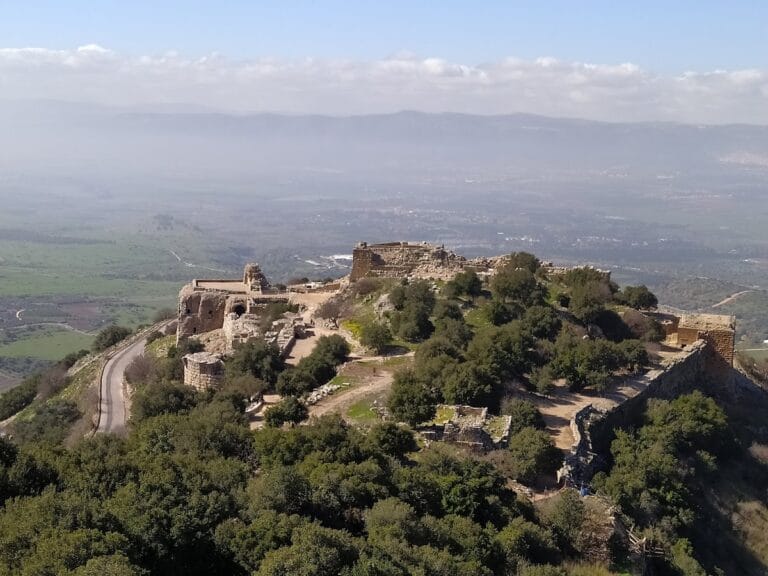
Nimrod Fortress occupies a strategic ridge on Mount Hermon and preserves evidence of Ayyubid, Mamluk, Ottoman, and modern military use, including…

The Citadel of Aleppo is a fortified palace complex whose mound was used from the Bronze Age through the modern period. Its surviving Ayyubid and…
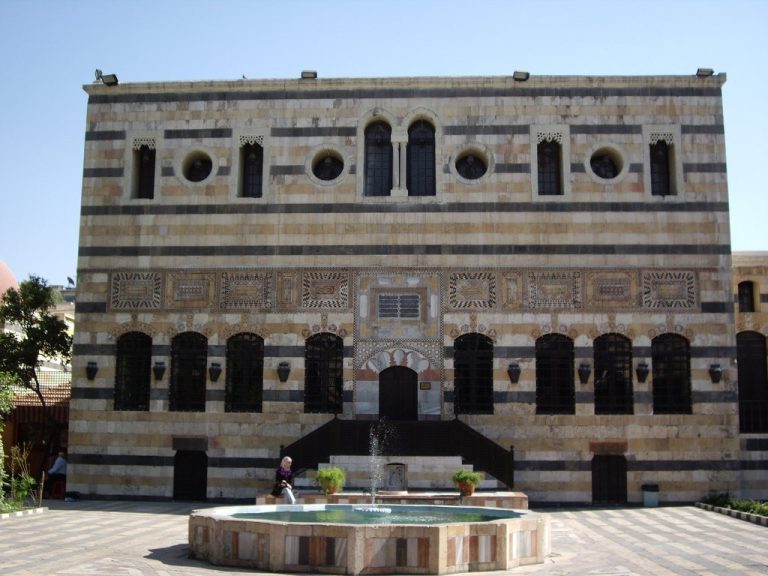
Built in 1749 for As'ad Pasha al-Azm, Al-Azm Palace served as a residence, reception centre, and administrative setting before becoming Damascus's…
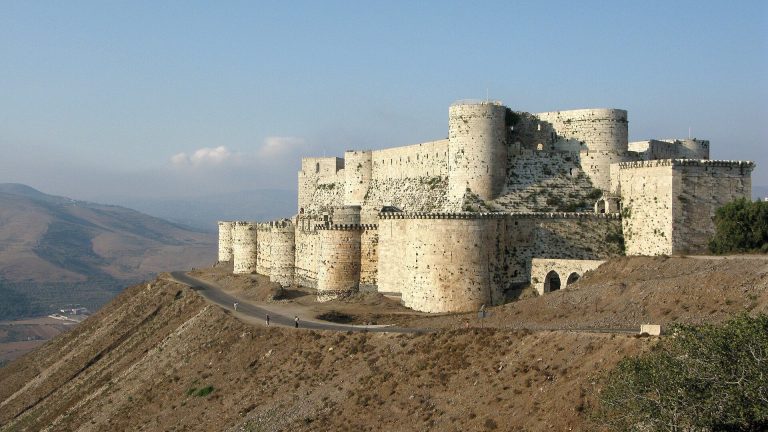
Krak des Chevaliers is a medieval fortress overlooking the Homs Gap in Syria. Developed by the Knights Hospitaller from an earlier Kurdish garrison,…
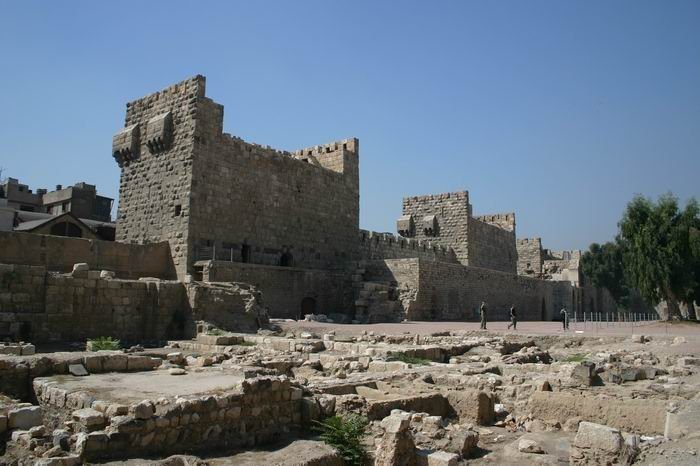
The Citadel of Damascus is a medieval fortified palace and fortress at the northwestern corner of Damascus’s walled old city. Begun in 1076, it was…
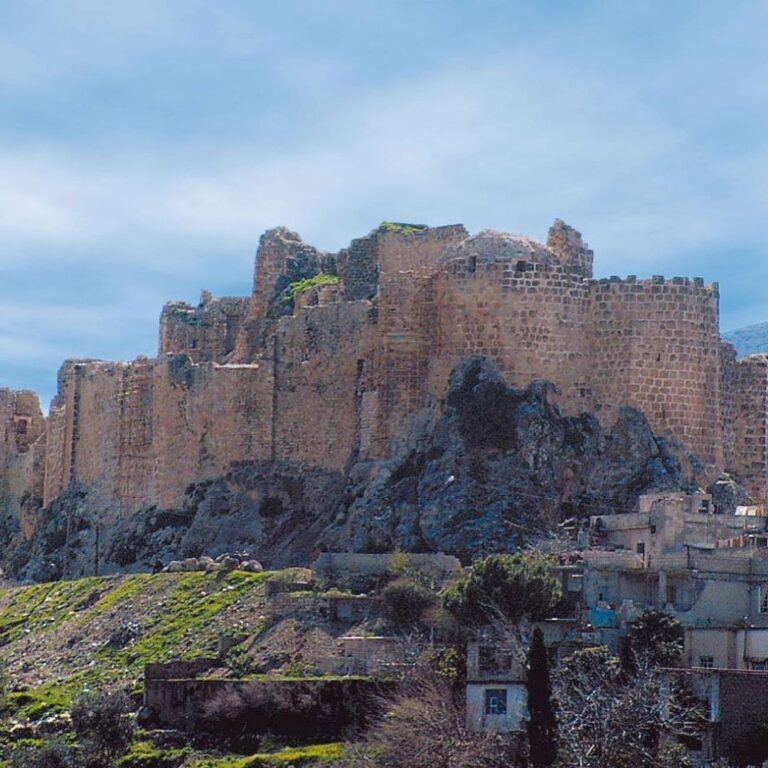
Masyaf Castle is a fortified site in western Syria whose Roman and Byzantine foundations were expanded by the Nizari Ismailis, Mamluks, and Ottomans.…
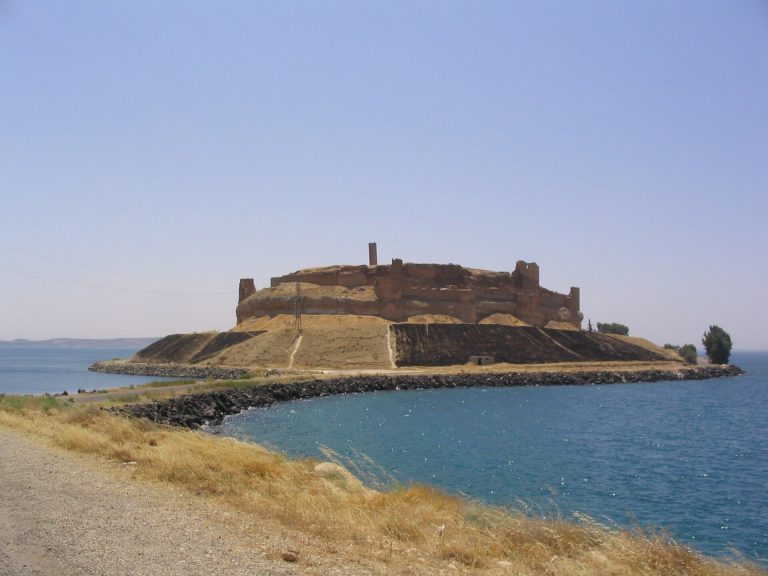
Qal'at Ja'bar is a partially restored medieval fortress whose history spans the Ghassanids, Numayrids, Zengids, Ayyubids, Mamluks, and Ottomans. Its…

Hama Castle occupies the ancient urban mound beside the Orontes River and preserves evidence of occupation from the fifth millennium BC through the…
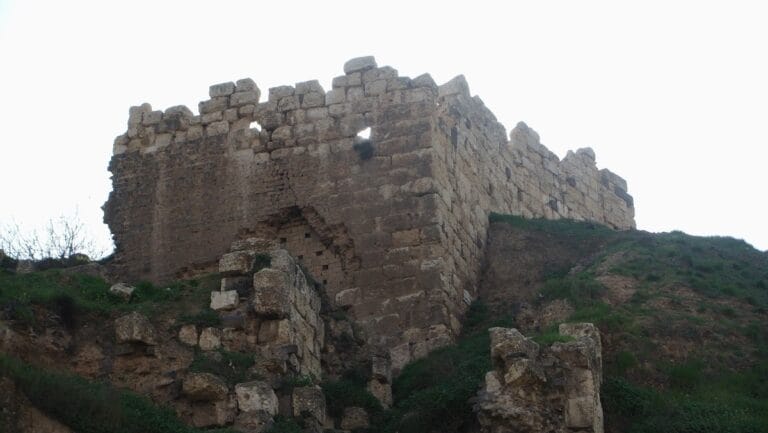
The Citadel of Homs occupies a large artificial mound with settlement layers reaching from the 3rd millennium BCE through the Roman and Arab periods.…

Chastel Blanc is a medieval fortress in Safita, Syria, rebuilt after successive earthquakes before its destruction by Baibars in 1271. Its keep…
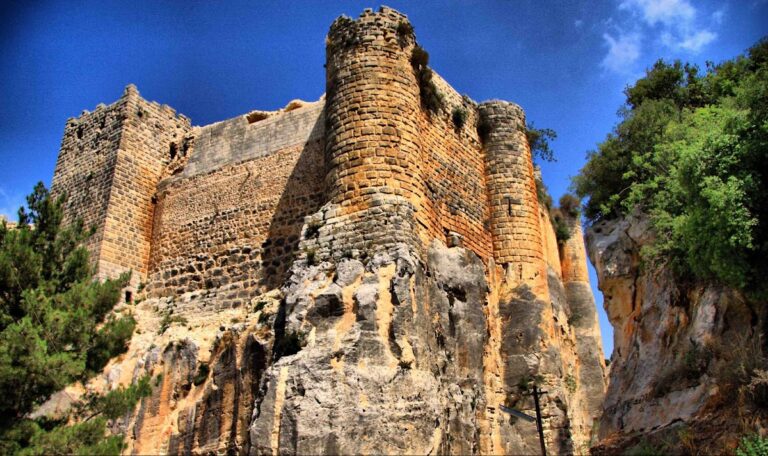
The Citadel of Salah Ed-Din, historically known as Sahyun, is a medieval fortress whose Byzantine, Crusader, Mamluk, and Arab-period remains occupy a…
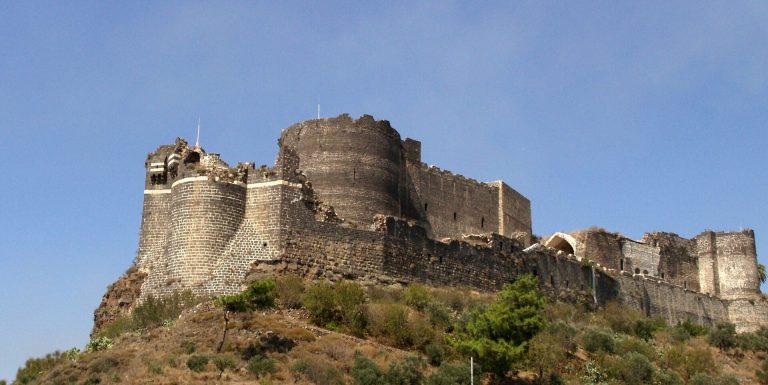
Margat, also known as al-Marqab, is a former Crusader fortress near Banias in Syria. Developed by the Knights Hospitaller, it controlled a coastal…
For details on how to use the maps, which sites are included, how popularity and ratings are determined, and how sites are classified, see the help page.
On this page6 sections
Aleppo Citadel: a bridge and defended entrance
The Citadel of Aleppo rises on a large mound above the surrounding city. A stone bridge crosses the moat towards an entrance complex that turns repeatedly within thick walls. Vaulted passages and successive gates prevented a direct approach to the interior, while carved dragons and lions marked parts of the route.
Above the entrance, the Mamluk Throne Hall added a space for royal audiences to the defensive block. Its decorated interior has undergone repeated restoration. The citadel suffered conflict damage and further damage in the 2023 earthquake, including effects on its structures and defences. Its prominent mound and fortified approach remain central to understanding the complex, but older descriptions of fully restored rooms do not establish their present condition.
Damascus Citadel: towers integrated with the city walls
The Citadel of Damascus occupies level ground at the northwestern corner of the old city. Its substantial rectangular towers and connecting walls were integrated with the urban defences. Watercourses beside and beneath the complex contributed to its protection and water management.
Much of the defensive masonry belongs to Ayyubid building campaigns, with later repairs and alterations. Broad tower platforms accommodated defensive equipment, while arrow slits and projecting openings covered the approaches below. Some towers survive much more completely than others. The citadel also served as barracks and a prison before archaeological work and conservation recovered parts of its earlier arrangement; conflict subsequently interrupted those works and caused further damage.
Masyaf Castle: passages cut into the rock
Masyaf Castle occupies a rocky platform with an inner stronghold on its higher southern part. An outer wall follows the plateau edge, while further towers and doubled wall sections record successive strengthening of the defences.
The entrance joins large halls through a turning passage. Beyond it, one route follows a long corridor partly cut into the rock, while another climbs by a rock-cut stair towards the upper castle. A thirteenth-century palace doorway adds decorated residential architecture within the military enclosure. Conservation in the early 2000s removed debris, exposed chambers and stabilized masonry while retaining the castle as a ruin.
Margat: vaulted halls within concentric defences
Margat Castle occupies a volcanic hill overlooking the coast. Its Hospitaller stronghold lies within a larger enclosure that also protected a settlement. The inner walls rose above the outer defences, allowing defenders at the higher level to cover the lower circuit.
The documented interior includes a ring of vaulted chambers, a large round donjon and a chapel connected to residential and reception spaces. Wall paintings were uncovered in the chapel during archaeological investigation. The 2023 earthquake caused serious destruction at Margat, including collapsed vaulting and new structural cracks. These features explain the castle’s historical arrangement, without implying that its former sequence of covered rooms survives undamaged.
Chastel Blanc: a chapel and hall within a limestone keep
At Safita, Chastel Blanc concentrates religious and residential spaces within a tall rectangular keep. Massive limestone walls enclose the Chapel of St Michael and an upper hall supported by large piers and cross-vaulting. Deeply recessed openings served observation and defence.
The tower is the principal surviving structure of a much larger castle and has undergone substantial repair in the past. It also suffered severe damage in the 2023 earthquake.
Explore the collection
Explore sites on the map or in the grid. Map icons reflect each site’s primary function, helping you identify different kinds of places at a glance. Narrow this collection by primary function, by a site type within the castle and residence group, or by civilization and era. Additional filters cover popularity and rating. Select a map marker to view the site’s details and open its article, or open the article from its grid entry.