Castles in Romania: Explore Moated Citadels, Hilltop Walls and Lakeside Palaces
Castles in Romania include defended residences, enclosures used as refuge by local communities, princely towers and palaces beside lakes. Fortified monasteries add churches with painted interiors and surviving defensive structures. The examples below show these functions through moats, gates, vaulted rooms and residential courtyards, with later rebuilding identified where it changes the appearance of an older building.
Primary Function: All
Type: All
Civilization: All
Popularity: All
Rating: All
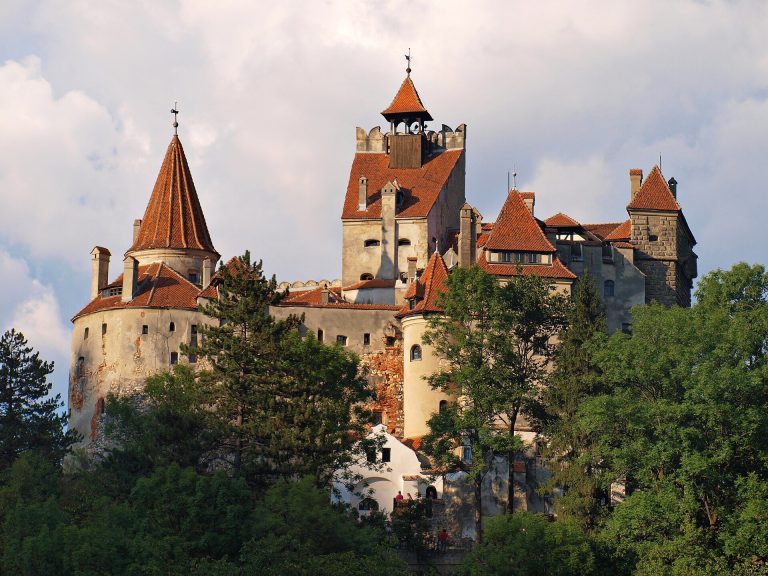
Bran Castle is a medieval fortress at the historic Transylvanian-Wallachian frontier. Built in stone in the late fourteenth century, it later served…
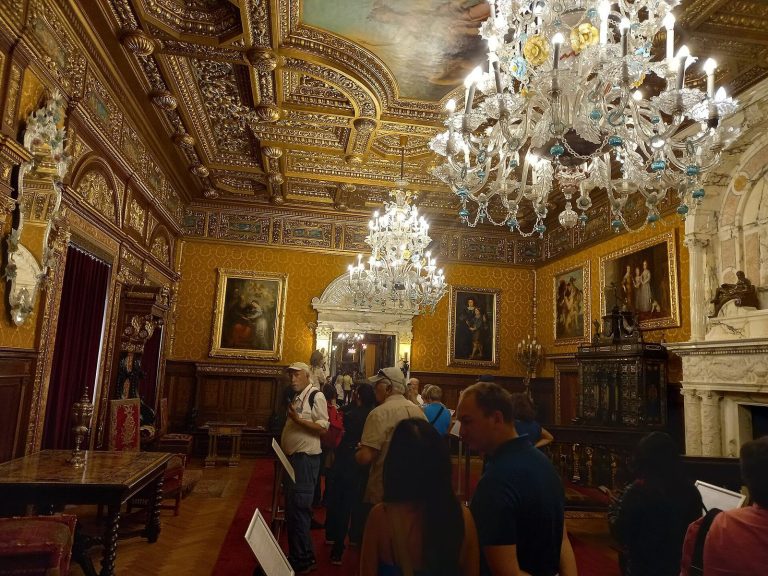
Peleș Castle in Sinaia was built for King Carol I of Romania between 1873 and 1914. It served as a royal residence, became a museum under the…
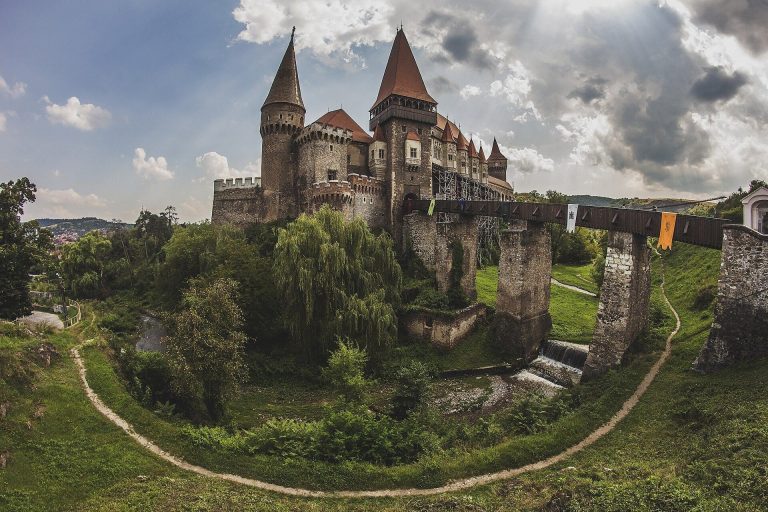
Corvin Castle in Hunedoara developed from a frontier fortification into the principal castle of the Hunyadi family. Its medieval towers, halls,…
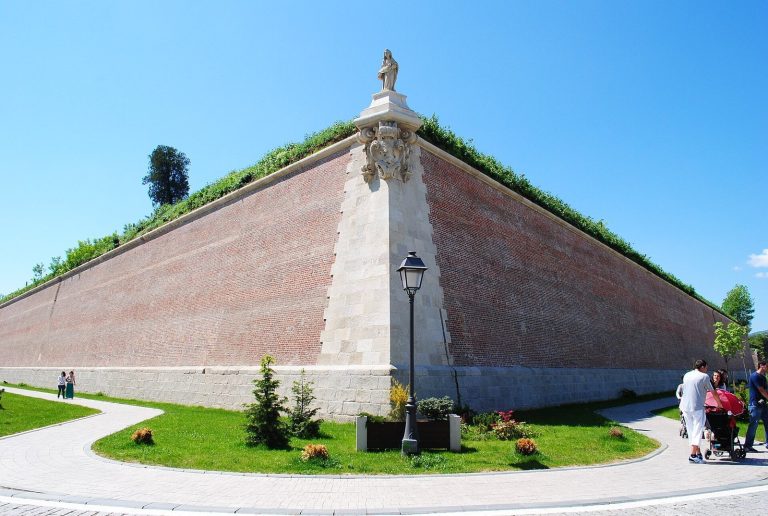
Alba Iulia Fortress, also known as the Alba Carolina Citadel, is an 18th-century Habsburg fortress built over Roman and medieval defenses in Alba…
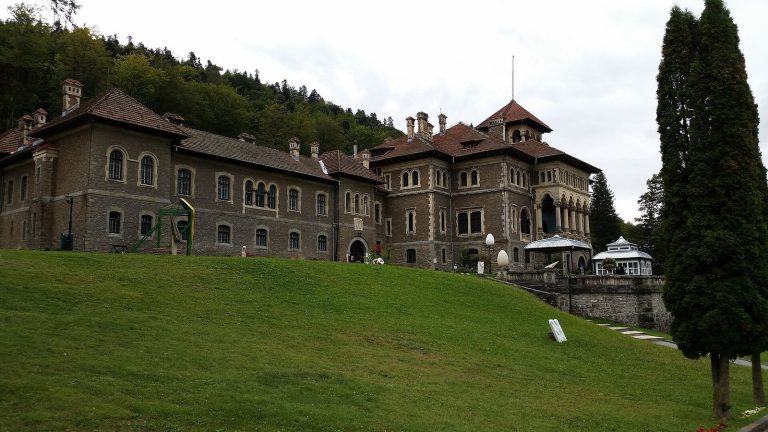
Cantacuzino Castle in Bușteni was built between 1901 and 1911 for Prince Gheorghe Grigore Cantacuzino. Its restored buildings, decorative interiors,…
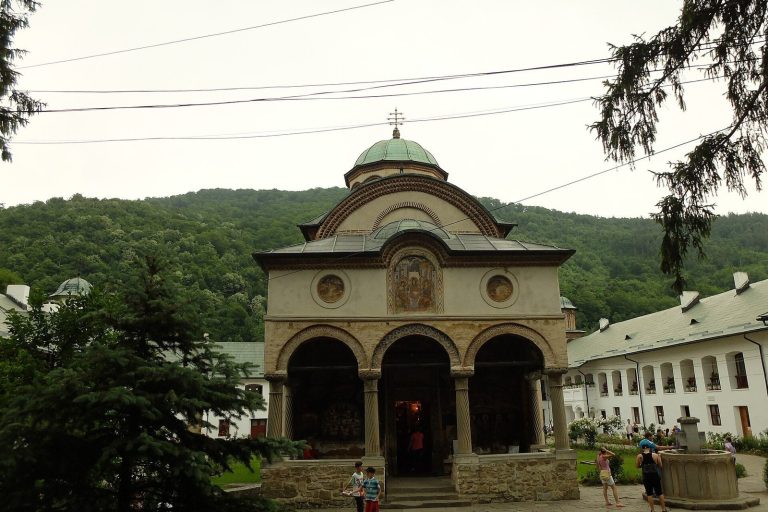
Cozia Monastery in Romania was founded by Mircea the Elder in the late fourteenth century and developed into a religious, cultural, strategic, and…

The Seat Fortress of Suceava was a medieval princely residence, administrative centre, and major defensive work of Moldavia, developed from the late…
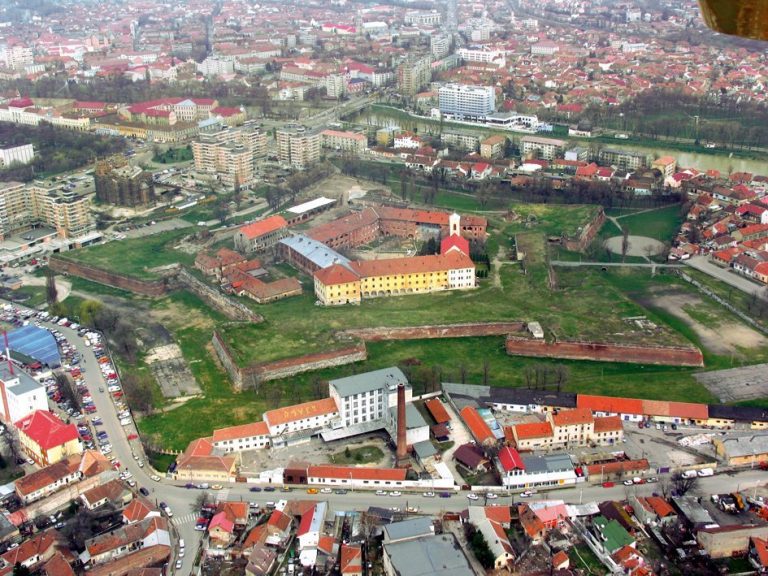
Oradea Citadel developed from an eleventh-century fortified monastery into a major Catholic pilgrimage centre, Renaissance fortress, Ottoman…
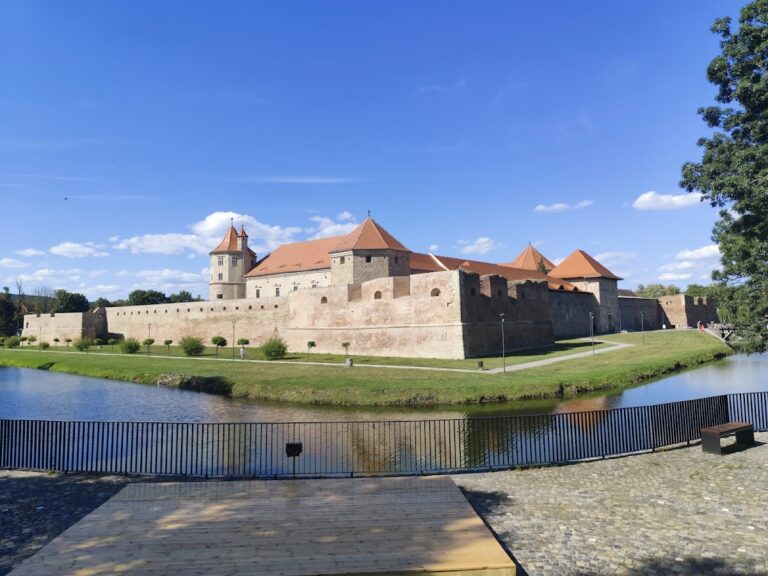
Făgăraș Citadel in Romania developed from a medieval fortification into a major Transylvanian fortress, princely residence, military prison, and site…
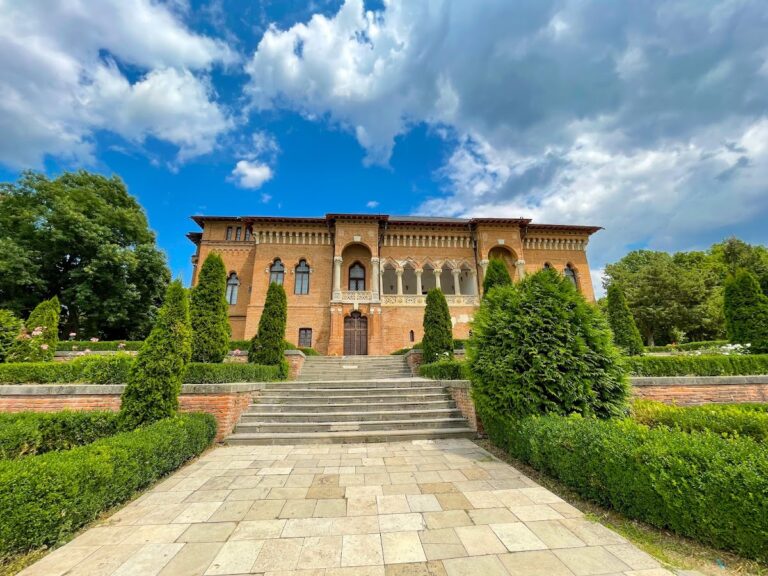
Mogoșoaia Palace near Bucharest preserves the history of Wallachian princely patronage, the Brâncovenescu architectural tradition, and the Bibescu…
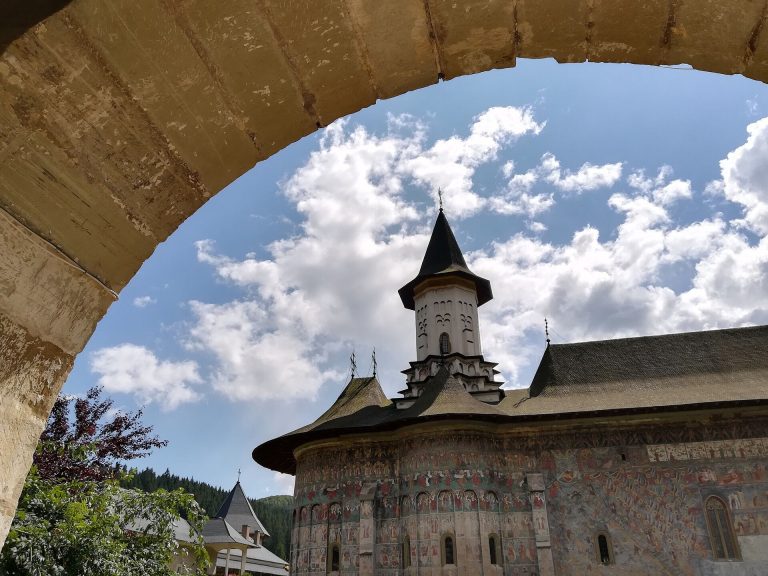
Sucevița Monastery is a late-sixteenth-century Moldavian Orthodox foundation known for its fortified enclosure, princely connections, tombs of the…
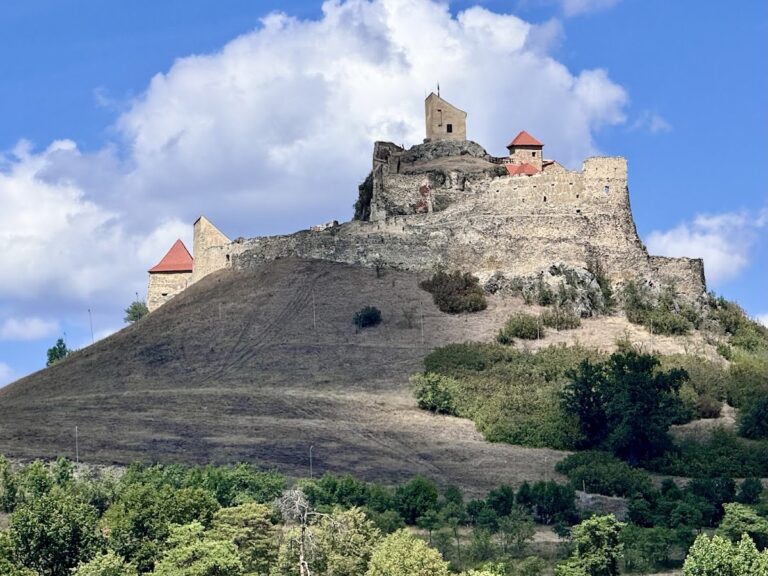
Rupea Citadel is a medieval fortress in Transylvania with prehistoric, Dacian, Roman, and Saxon phases. Its restored courtyards, towers, walls, well,…
For details on how to use the maps, which sites are included, how popularity and ratings are determined, and how sites are classified, see the help page.
On this page6 sections
Făgăraș Citadel: a residence behind a broad moat
Făgăraș Citadel has a quadrilateral plan with high walls, corner towers and an outer defensive ring. A broad moat separates the complex from the surrounding ground. Seventeenth-century works enlarged that water barrier, added bastions and raised parts of the residential buildings.
The Red Tower incorporates several levels, while rooms and vaulted halls occupy the enclosed ranges. Some interiors retain seventeenth-century painted scenes. Later prison use adapted the same thick-walled chambers for confinement. Restoration has repaired bridges, roofs and defensive structures, so the present enclosure brings together historic masonry and renewed elements of the approach.
Fortified hilltops at Râșnov and Enisala
Râșnov Citadel uses cliffs to protect three sides of its hill, concentrating heavier defences towards the east. An outer court precedes the better-protected inner enclosure. Within it, narrow paths pass the remains of houses that sheltered local inhabitants and their possessions during danger.
The walls and towers enclosed a refuge community rather than only an aristocratic household. Residential remains, a chapel and a deep well help explain that use. Parts of the site were substantially rebuilt in modern times, including interventions later brought under closer conservation supervision.
Enisala Fortress occupies a limestone escarpment above the coastal lowlands. Its irregular stone walls and rectangular towers rise from the rock, with a projecting western wall adapting the enclosure to the site. It survives as an open ruin, where the defensive perimeter provides the main standing architecture rather than a sequence of furnished rooms.
Chindia Tower: a princely watchtower reshaped in the nineteenth century
Chindia Tower stands within the princely court complex at Târgoviște. A stone-faced, sloping base supports a cylindrical red-brick body. Pointed openings and projecting balconies articulate the upper levels.
Much of this familiar appearance dates from nineteenth-century rebuilding, which increased the height and added the crowning battlements. Earlier openings revealed within the masonry include a doorway facing the adjoining residence. The tower was therefore connected to the court’s buildings, while the surviving exterior includes substantial later alterations rather than an unchanged medieval silhouette.
Lakeside rooms and vaulted cellars at Mogoșoaia
Mogoșoaia Palace places the princely apartments above service rooms and a cellar covered by four domes. An external stair from the courtyard leads to the upper residential floor. On the lake-facing side, an arched loggia opens the house towards the water.
A separate kitchen with four ventilation stacks and a gate tower stand within the wider ensemble. Both were restored during Martha Bibescu’s twentieth-century work on the estate. Their survival explains the household beyond the principal rooms: cooking, storage and controlled entry required buildings with their own arrangements.
Humor Monastery: a painted church and fortified tower
Humor Monastery retains a defensive tower built under Vasile Lupu in 1641. The church has an open porch with tall pointed arches and a sequence of interior spaces leading through a burial chamber towards the nave. A concealed upper chamber provided a place to secure the treasury.
Frescoes cover interior and exterior surfaces, with shades of red prominent in the painted scheme. Broad roof eaves were extended during restoration to protect those exposed paintings. The standing church and separate defensive tower show how religious spaces and protection were combined within the monastic compound.
Explore the collection
Explore sites on the map or in the grid. Map icons reflect each site’s primary function, helping you identify different kinds of places at a glance. Narrow this collection by primary function, by a site type within the castle and residence group, or by civilization and era. Additional filters cover popularity and rating. Select a map marker to view the site’s details and open its article, or open the article from its grid entry.