Castles in Slovakia: Explore Hilltop Towers, River Fortresses and Palace Rooms
Castles in Slovakia include terraced hilltop strongholds, residences enlarged around medieval towers and bastioned forts beside major rivers. Palaces and manor houses add decorated rooms, courtyard staircases and formal façades. The collection covers these different forms of defence and residence, with the examples below distinguishing surviving older masonry from major later rebuilding.
Primary Function: All
Type: All
Civilization: All
Popularity: All
Rating: All
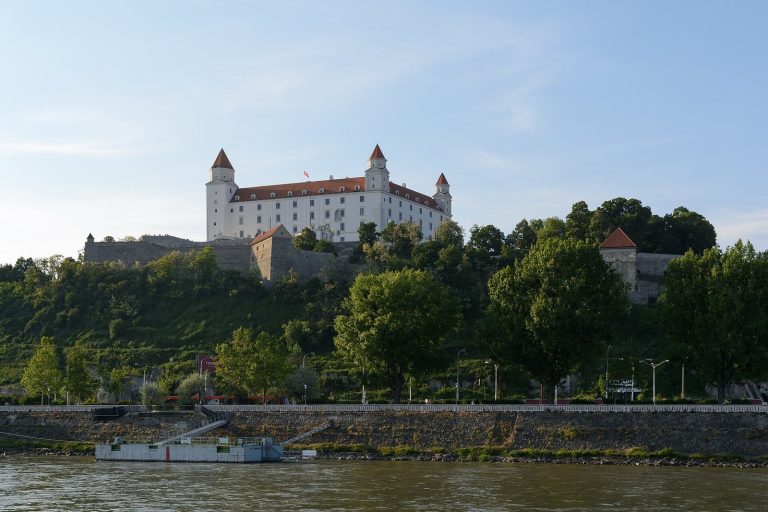
Bratislava Castle occupies a Danube hill shaped by prehistoric settlement, Great Moravian rule, Hungarian royal government, Habsburg coronations,…
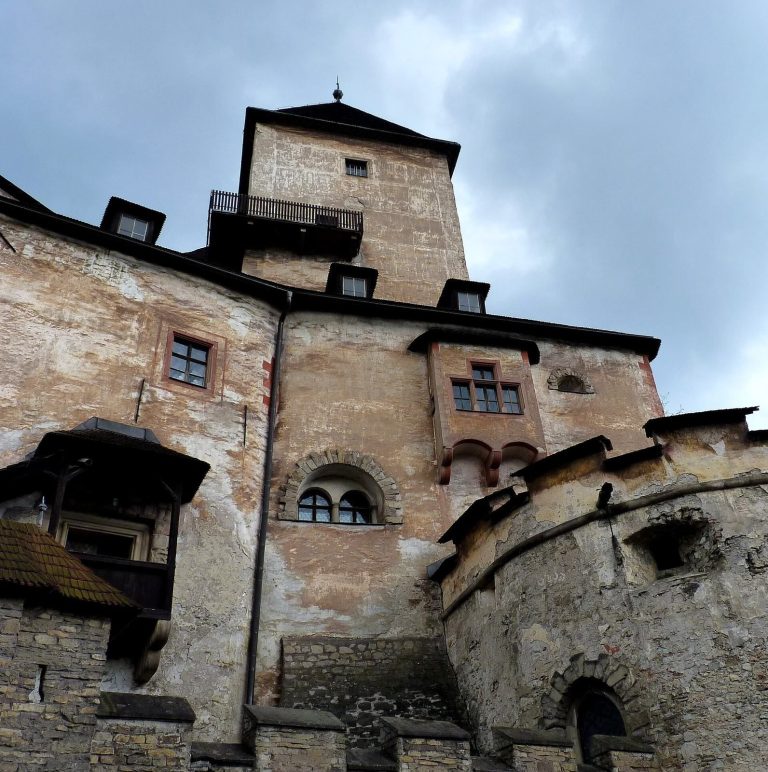
Orava Castle in Slovakia developed from a medieval royal stronghold into a Thurzo family residence, a co-owned estate center, and a museum. Its…
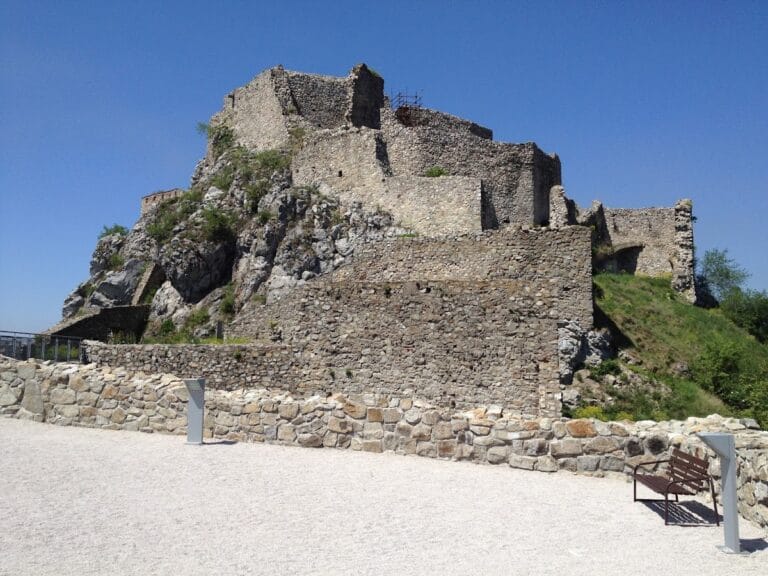
Devín Castle in Slovakia occupies a strategic cliff above the Danube and Morava. Its archaeological remains trace settlement from the Neolithic…
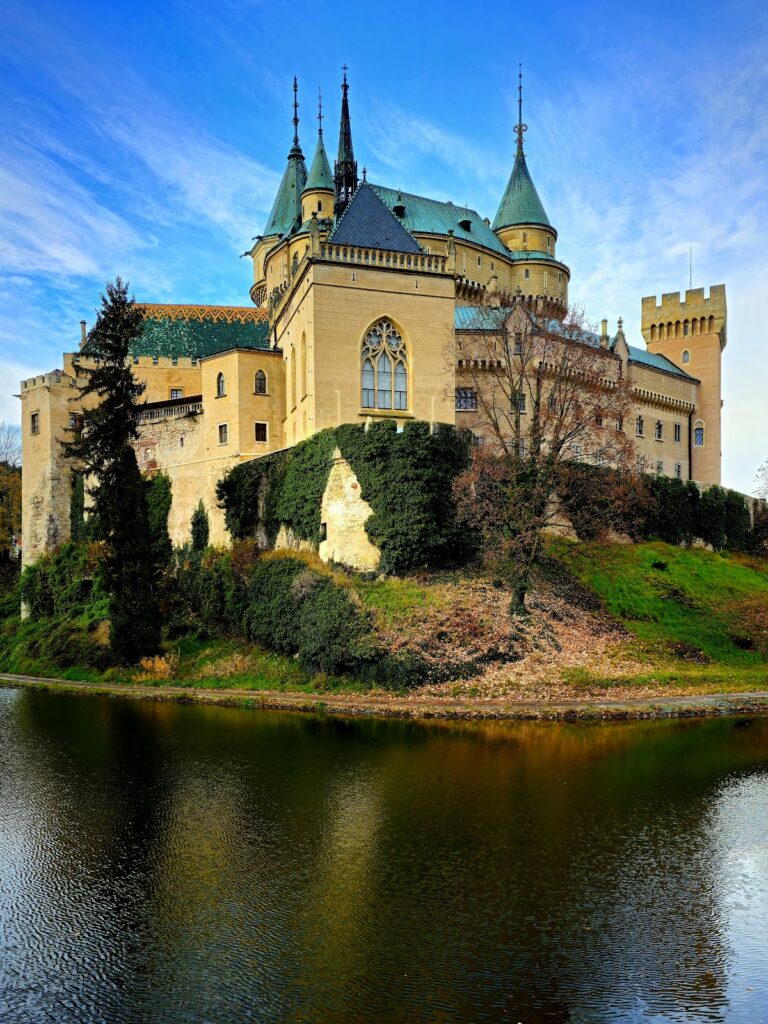
Bojnice Castle in Slovakia developed from a medieval frontier stronghold into a Renaissance residence and a Romantic historicist castle, now housing…
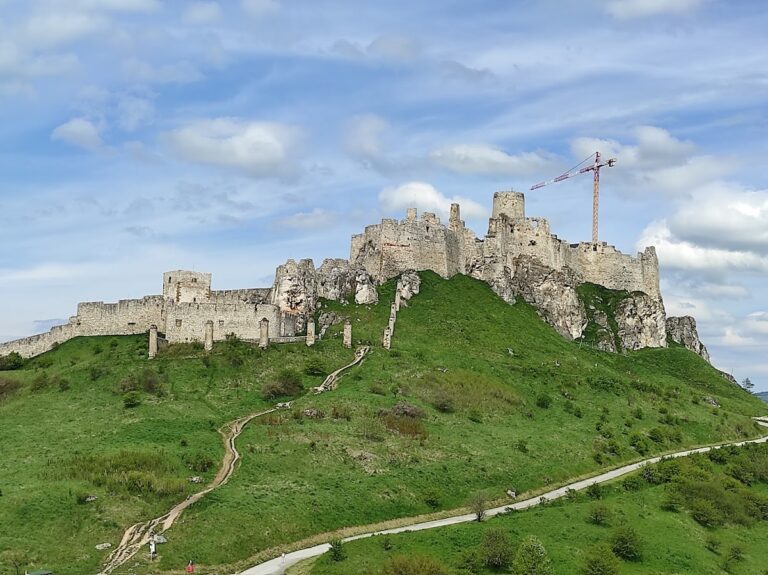
Spiš Castle in eastern Slovakia developed from a prehistoric settlement into a medieval royal fortress, aristocratic residence, and administrative…
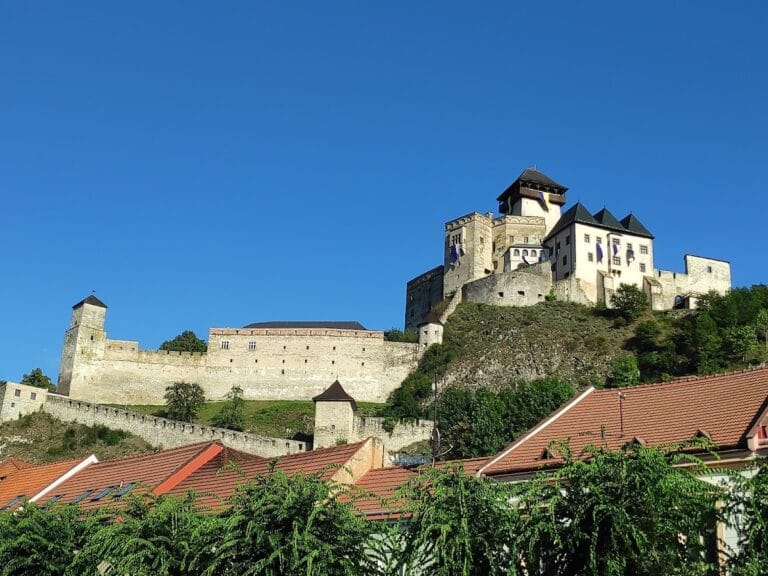
Trenčín Castle occupies a limestone crag above the Váh valley and preserves more than a thousand years of military, political, residential, and…
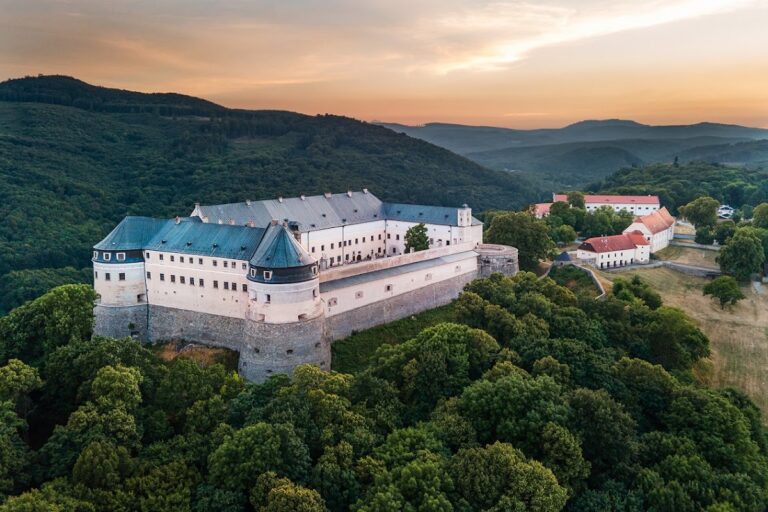
Červený Kameň Castle above Častá developed from a thirteenth-century frontier stronghold into a major Renaissance fortress, commercial centre, and…

Beckov Castle stands on a limestone cliff above the Váh River in Slovakia. Built as a medieval border stronghold, it became a Gothic residence, a…
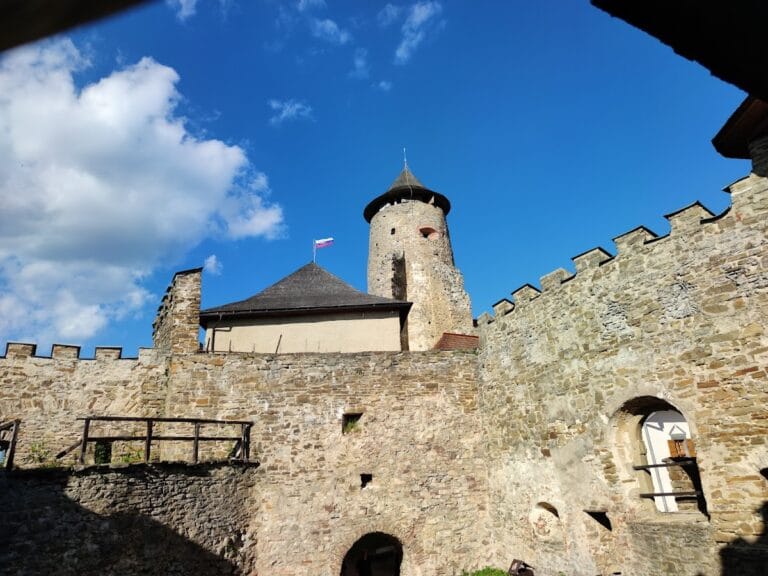
Ľubovňa Castle above Stará Ľubovňa guarded routes between the Kingdom of Hungary and Poland, later becoming a Renaissance fortress, aristocratic…
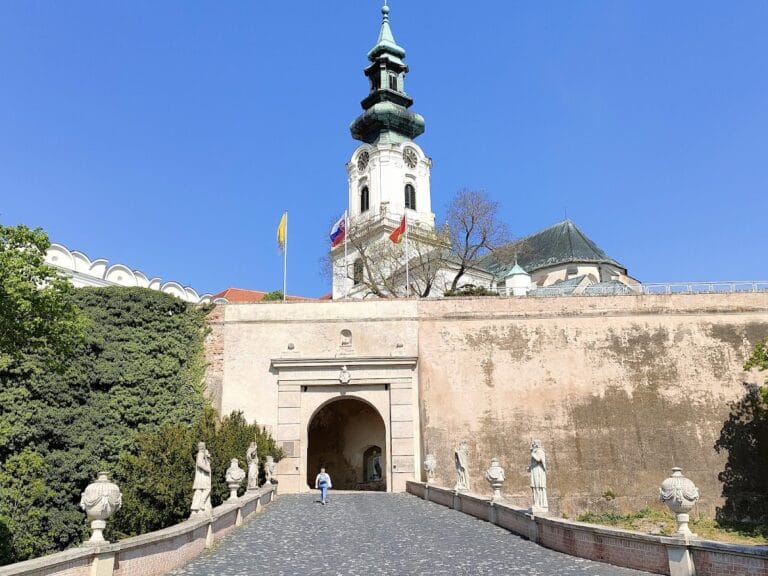
Nitra Castle developed from a fortified settlement on Castle Hill and became a princely, administrative, military, and episcopal center. Its…
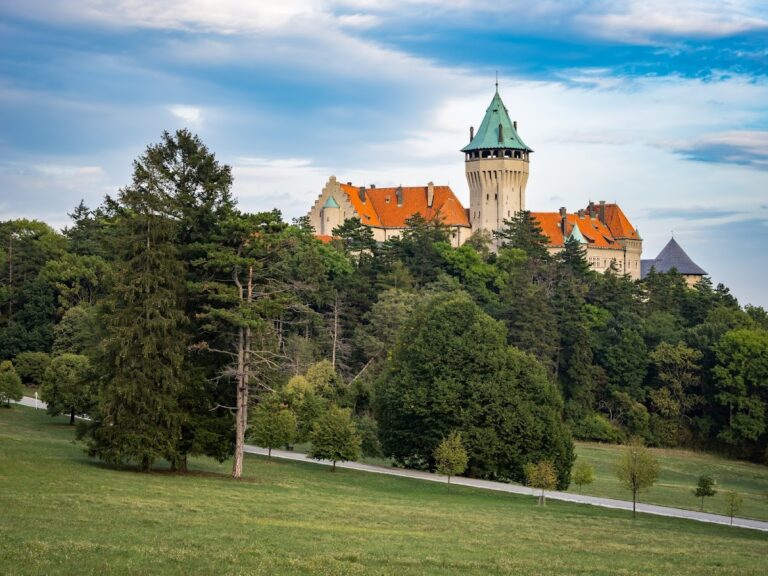
Smolenice Castle began as a fourteenth-century military fortress guarding a mountain pass and trade route. Rebuilt in Renaissance and late Romantic…
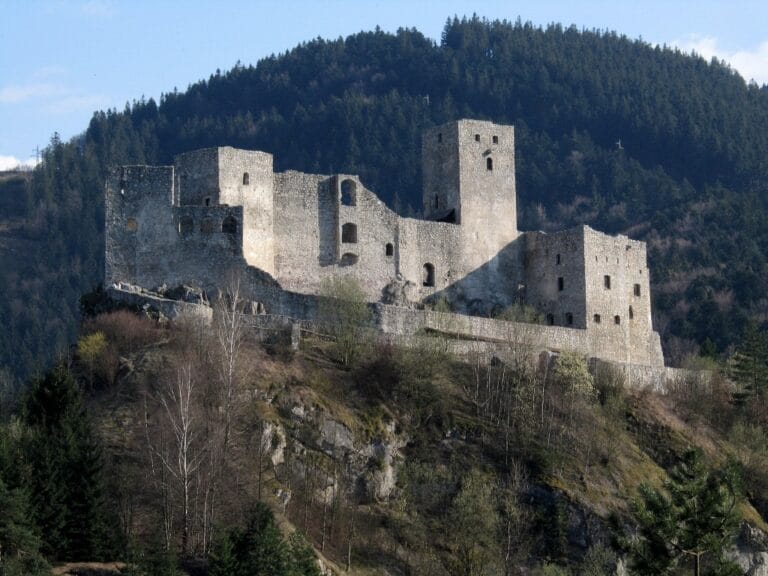
Strečno Castle guarded a toll station and crossing on the Váh River before expanding into a major fortified complex. Its surviving structures reflect…
For details on how to use the maps, which sites are included, how popularity and ratings are determined, and how sites are classified, see the help page.
On this page5 sections
Ľubovňa and Budatín: towers within enlarged residences
Ľubovňa Castle occupies a limestone hill above the Poprad valley. A circular tower and adjoining Gothic palace stand at the highest point. Lower courts descend across the terrain, with artillery bastions and a later entrance enclosure extending protection towards the approach.
The residential buildings preserve substantial wall sections, including Renaissance window surrounds and cornices. A Baroque palace and chapel added further accommodation and worship spaces. Some areas are reconstructed, but the terraced arrangement retains the relationship between the upper medieval core and later courts built below it.
At Budatín Castle, near the confluence of the Váh and Kysuca, a circular residential tower also anchors a larger house. Renaissance rebuilding brought separate buildings into a coordinated courtyard arrangement. A chapel and park followed, while twentieth-century work added a representative hall and historicist ceilings and panelling. The round tower therefore belongs to a residence that continued to change long after its earliest defensive phase.
Bratislava Castle: a reconstructed royal courtyard
Bratislava Castle rises above the Danube, with a large rectangular palace and four corner towers around a central courtyard. The Crown Tower incorporates the basis of an older defensive tower and later housed the Hungarian crown jewels.
The palace was extensively reconstructed in the twentieth century using its eighteenth-century appearance as the principal reference. Older Gothic and Renaissance elements were retained or presented alongside the rebuilt ranges. The familiar complete building is therefore a restored royal ensemble, rather than a palace preserved unchanged since its medieval beginnings. Its enclosed court and corner towers provide the main standing forms, with earlier archaeological remains elsewhere on the hill.
Komárno Fortress: two linked bastioned enclosures
Komárno Fortress occupies the meeting of the Danube and Váh. The Old Fortress developed on the site of a medieval castle, with bastions, internal courts and protected accommodation around them. A moat and the Ferdinand Gate controlled its approach.
The adjoining New Fortress extended the defended area with another bastioned enclosure, a wide moat and the Leopold Gate. Later military use added barracks within the courts. The two connected forts show how a strategic river position expanded beyond an earlier castle into a much larger system for artillery and garrison accommodation.
Ceremonial rooms in Bratislava and Svätý Anton
The Primate’s Palace in Bratislava was built as an archbishop’s residence in the late eighteenth century. Its formal façade carries allegorical sculpture and a large cardinal’s hat above the pediment. Inside, the Hall of Mirrors hosted the signing of the Peace of Pressburg in 1805.
Six seventeenth-century tapestries depicting Hero and Leander were discovered behind a wall during work in 1903. These earlier textiles form part of the palace’s interior history without dating the building itself to the same period.
At Svätý Anton Manor, four wings enclose a large courtyard. An arched passage leads to a staircase decorated with paintings and sculpture, while the rooms retain Baroque, Rococo and Empire interiors. The chapel’s painted architectural effects create the illusion of an open space beyond its walls. The house incorporates parts of an earlier fortified site, but its principal surviving rooms belong to a later residential estate.
Explore the collection
Explore sites on the map or in the grid. Map icons reflect each site’s primary function, helping you identify different kinds of places at a glance. Narrow this collection by primary function, by a site type within the castle and residence group, or by civilization and era. Additional filters cover popularity and rating. Select a map marker to view the site’s details and open its article, or open the article from its grid entry.