Castles in Finland: Explore Island Strongholds, Sea Fortresses and Manor Houses
Castles in Finland include medieval strongholds once surrounded by navigable water, later island forts with projecting bastions, and substantial manor houses with painted interiors. Water influenced both their positions and their supply arrangements, although land uplift has changed the relationship between several buildings and the shoreline.
The wider collection includes forts, fortified towns and residences alongside castles. The examples below emphasize surviving masonry, enclosed rooms and recognizable defensive plans, from Kastelholm’s main castle and outer court to Hamina’s streets and gun chambers.
Primary Function: All
Type: All
Civilization: All
Popularity: All
Rating: All
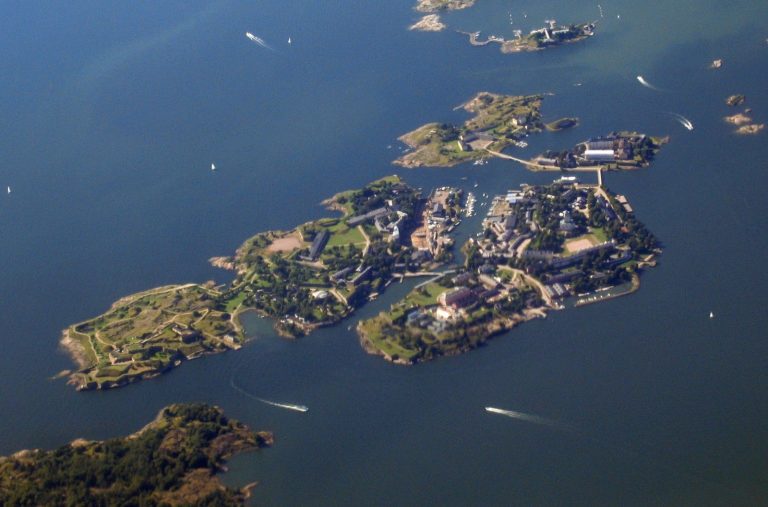
Suomenlinna is an eighteenth-century sea fortress and naval base built by Sweden across islands southeast of Helsinki. Russian, Finnish, and military…
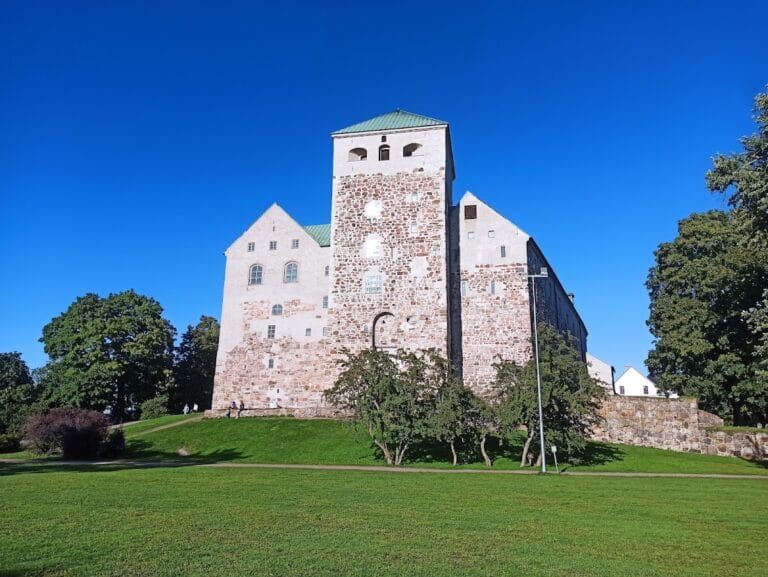
Turku Castle began as a Swedish fortified camp in the 1280s and developed into a military, administrative, royal, and museum complex. Its medieval…
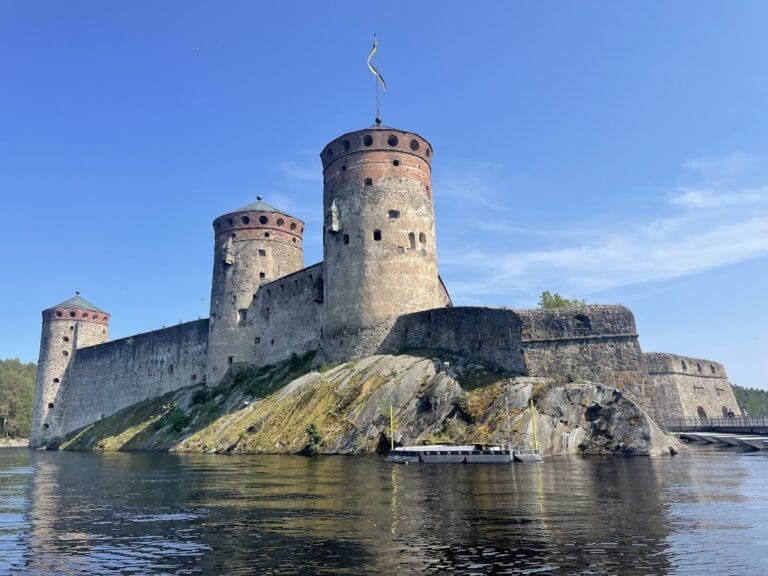
Olavinlinna Castle was founded in 1475 to defend Sweden’s eastern frontier and control important waterways. Expanded under Swedish and Russian rule,…
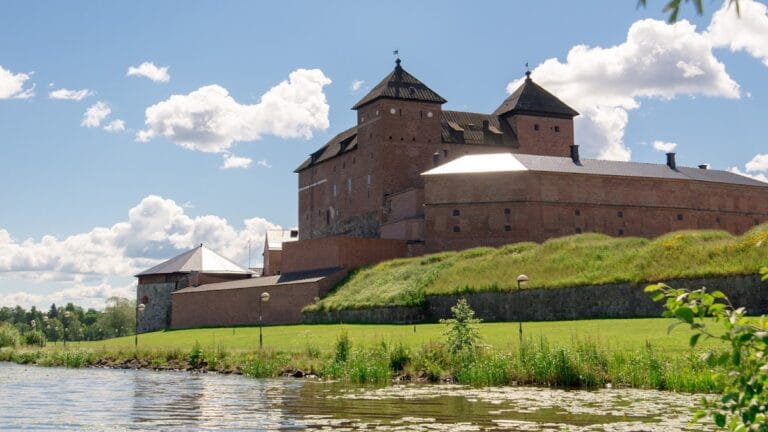
Häme Castle in Hämeenlinna developed from a medieval Swedish border fortress into an administrative center, military depot, prison, and restored…
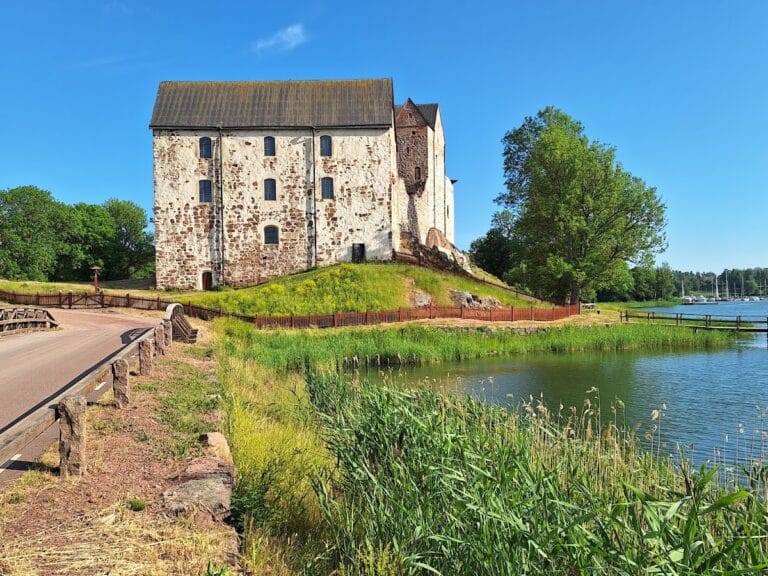
Kastelholm Castle is a medieval Swedish fortress on Åland that served as an administrative, military, residential, and prison center before becoming…
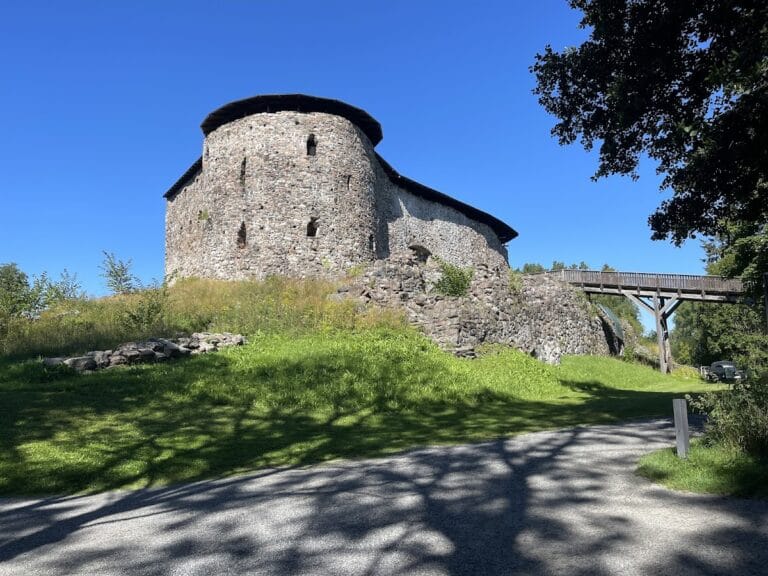
Raseborg Castle is a medieval Swedish fortress in southern Finland, built in the 1370s and used until the 1550s. Its ruins preserve evidence of a…

The Fortress of Lappeenranta developed from a Swedish border settlement into a Russian frontier stronghold and later became a protected…
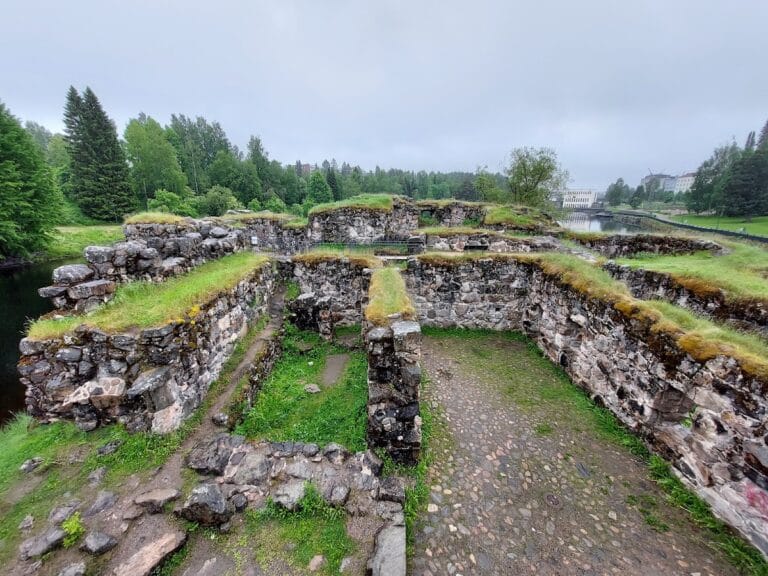
Kajaani Castle was a Swedish fortress founded in the early seventeenth century on an island in the Kajaaninjoki. It served as a military strongpoint,…
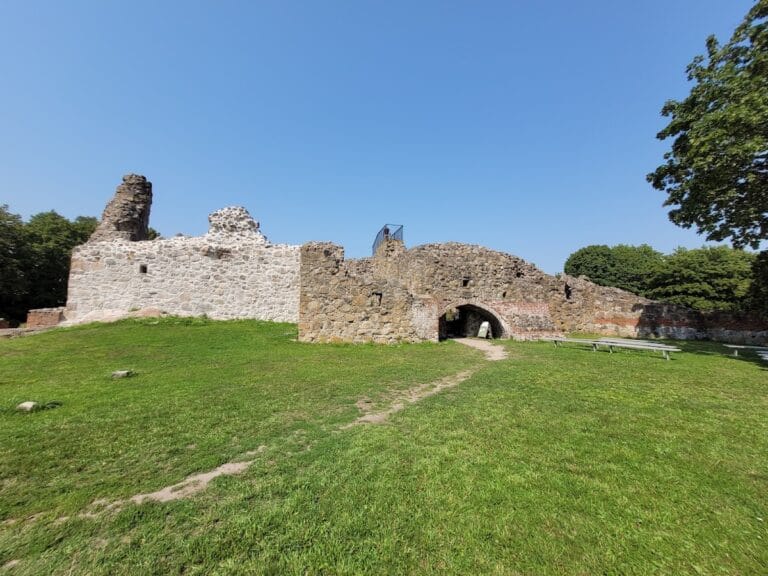
Kuusisto Castle in Kaarina served the medieval bishops of Turku as a residence, administrative center, and fortified base. Its ruins preserve…
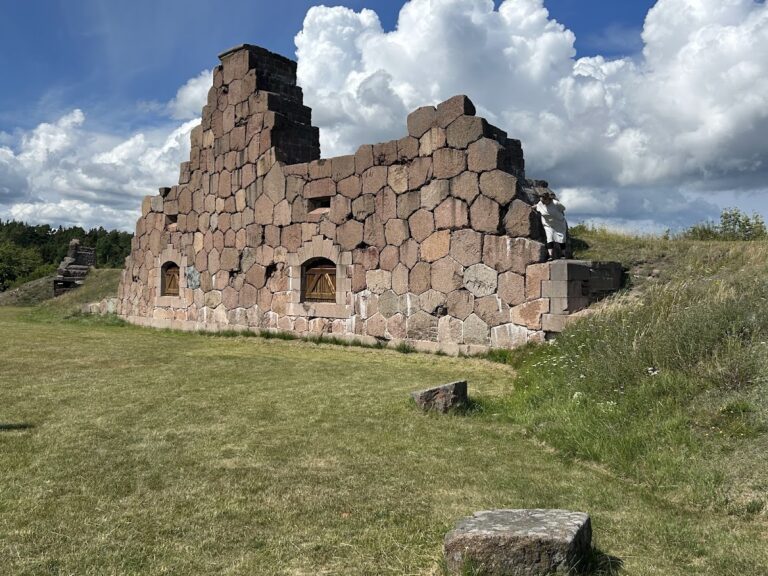
Bomarsund was a nineteenth-century Russian fortress on Finland’s Åland Islands, destroyed during the Crimean War after an unfinished defensive system…
Old Castle of Lieto is a prehistoric and early historical hillfort in Lieto, Finland, with occupation from the Stone Age, fortifications from the…
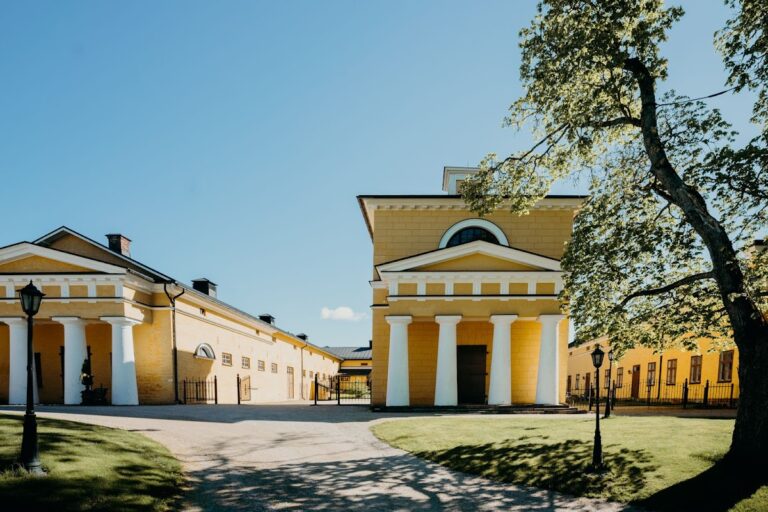
Wiurila Manor in Halikko, Salo, developed from a fifteenth-century estate into a major nineteenth-century agricultural centre, with buildings by…
For details on how to use the maps, which sites are included, how popularity and ratings are determined, and how sites are classified, see the help page.
On this page5 sections
Medieval castles on former islands
Kastelholm Castle on Åland was founded on a small island beside a maritime route. A main castle and a larger outer bailey formed separate defended spaces, with thick walls around the core. Gate towers between the enclosures were later combined into the large central tower known as Kurtornet.
Residential buildings stood inside the main castle, while later grain storage helped preserve parts of the complex after fire. The standing structure is partly restored, and its historic interior decoration has not survived unchanged. Walls, towers and the relationship between the two courts provide the clearest evidence of the castle’s arrangement.
Raseborg Castle also occupied a rocky island, with water approaches that could be obstructed by chains and wooden barriers. Land uplift and the silting of the river have left the castle beside a much smaller waterway. Its former island setting explains defensive features that are less obvious from the surrounding ground today.
The main enclosure has a curved outline and a round tower, with principal rooms facing a narrow courtyard. Outer walls strengthened the more accessible sides. Narrow gateways suited deliveries by boat, while nearby islands accommodated service buildings and animals. The substantial ruined walls preserve a castle organized around waterborne access and supply.
Svartholm: island bastions and vaulted barracks
Svartholm Fortress guards the entrance to the Bay of Loviisa. Its regular central enclosure has four bastions, whose projecting corners allowed the defenders to cover adjoining walls and approaches. Grey-stone defences rise close to the sea, while additional coastal works were only partly completed.
The fortress included vaulted barrack rooms, magazines and a bakery that supplied ships as well as the garrison. Roofs over the barracks originally doubled as gun platforms, an arrangement that caused persistent water penetration and prompted later roofing changes. Surviving and restored masonry, protected barrack remains and the inner yard show both the military plan and the practical problem of housing people beneath exposed defences.
Hamina: radial streets and town defences
Hamina Fortress incorporates the town itself. Streets radiate from the central town-hall square toward the defensive perimeter, where surviving bastions preserve much of the former fortified boundary. The street plan and the military works belong to the same overall arrangement.
The large northern bastion contains a long sequence of brick-vaulted casemates. Guardhouses marked the former entrances, and powder magazines occupied protected positions within the bastions. Hamina thus offers a different scale from Svartholm: its defences enclosed streets and civic buildings as well as military accommodation, rather than concentrating the garrison on a separate island.
Louhisaari Manor: painted rooms and formal court
Louhisaari Manor introduces a seventeenth-century country residence to the collection. The main house and its flanking dependencies form a symmetrical court, with architecture influenced by Palladian and Baroque design. The buildings largely retain their original overall forms despite later alterations.
Wall and ceiling paintings survive inside, while restoration has treated different floors according to different historical periods. The manor’s setting has also changed through land uplift: the shoreline once lay beside the house and later retreated. A nineteenth-century bathing pavilion in the park records another stage in that changing relationship with the coast.
Explore the collection
Explore sites on the map or in the grid. Map icons reflect each site’s primary function, helping you identify different kinds of places at a glance. Narrow this collection by primary function, by a site type within the castle and residence group, or by civilization and era. Additional filters cover popularity and rating. Select a map marker to view the site’s details and open its article, or open the article from its grid entry.