Gozo Museum of Archaeology: A Museum of Gozo’s Cultural History
Site at a Glance
- Rating
- 4.2
- Popularity
- Low
- Country
- Malta
- Primary era
- Stone Age
- External website
- Open
- Eras represented
- Stone Age, Medieval, Early Modern
- Civilizations
- Maltese Temple Culture
- Site type
- Museum
On this page7 sections
History
The Gozo Museum of Archaeology is a public museum in Victoria, Malta, opened in 1960 to preserve and present Gozo’s cultural history. It was the first public museum on the island and was initially called the Gozo Museum. Its collections trace the island’s past from the prehistoric era through the early modern period.
From Gozo Museum to National Archaeology Museum
The building that houses the museum was sold to the Government by the Bondi family in 1937. The museum was redesigned and reopened in 1986 as the Archaeology Museum of Gozo. It is also known as the National Museum of Archaeology and is managed by Heritage Malta, Malta’s national agency for major museums, archaeological sites, and other cultural heritage properties.
The museum building is listed in the National Inventory of the Cultural Property of the Maltese Islands, Malta’s official register of protected cultural heritage properties, under number 01244.
Remains
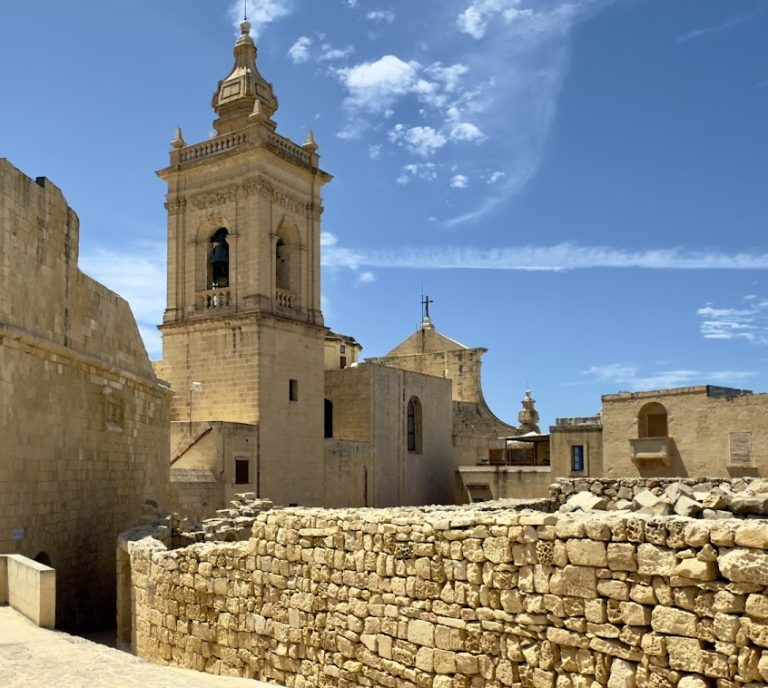
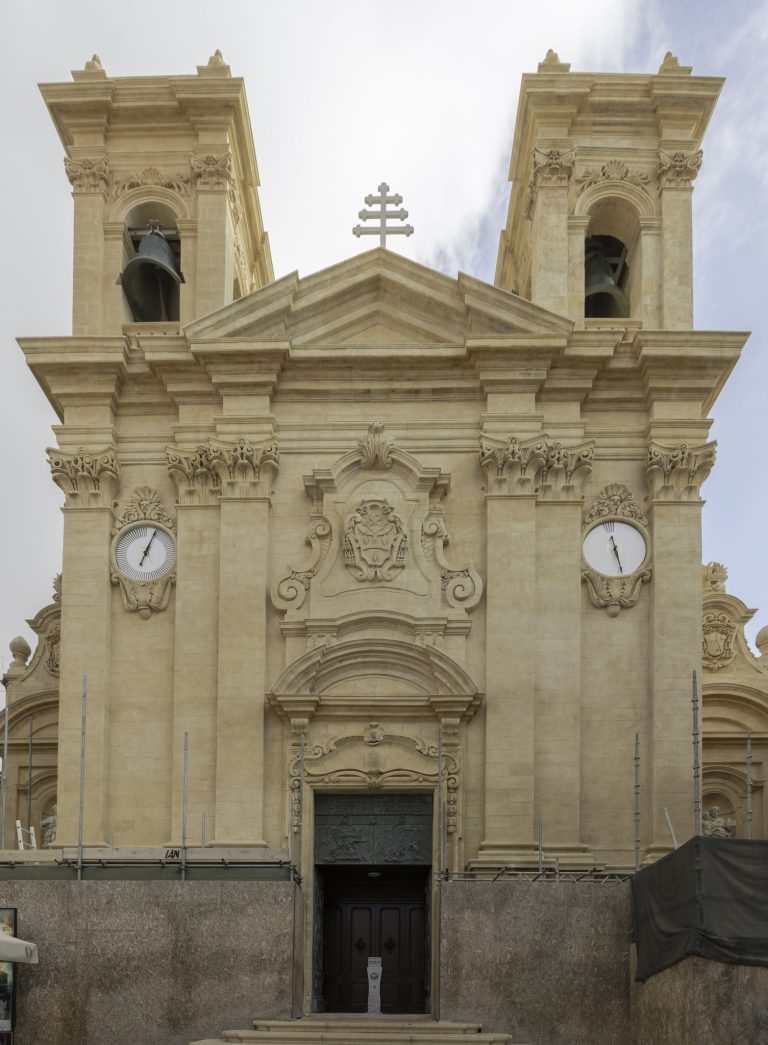
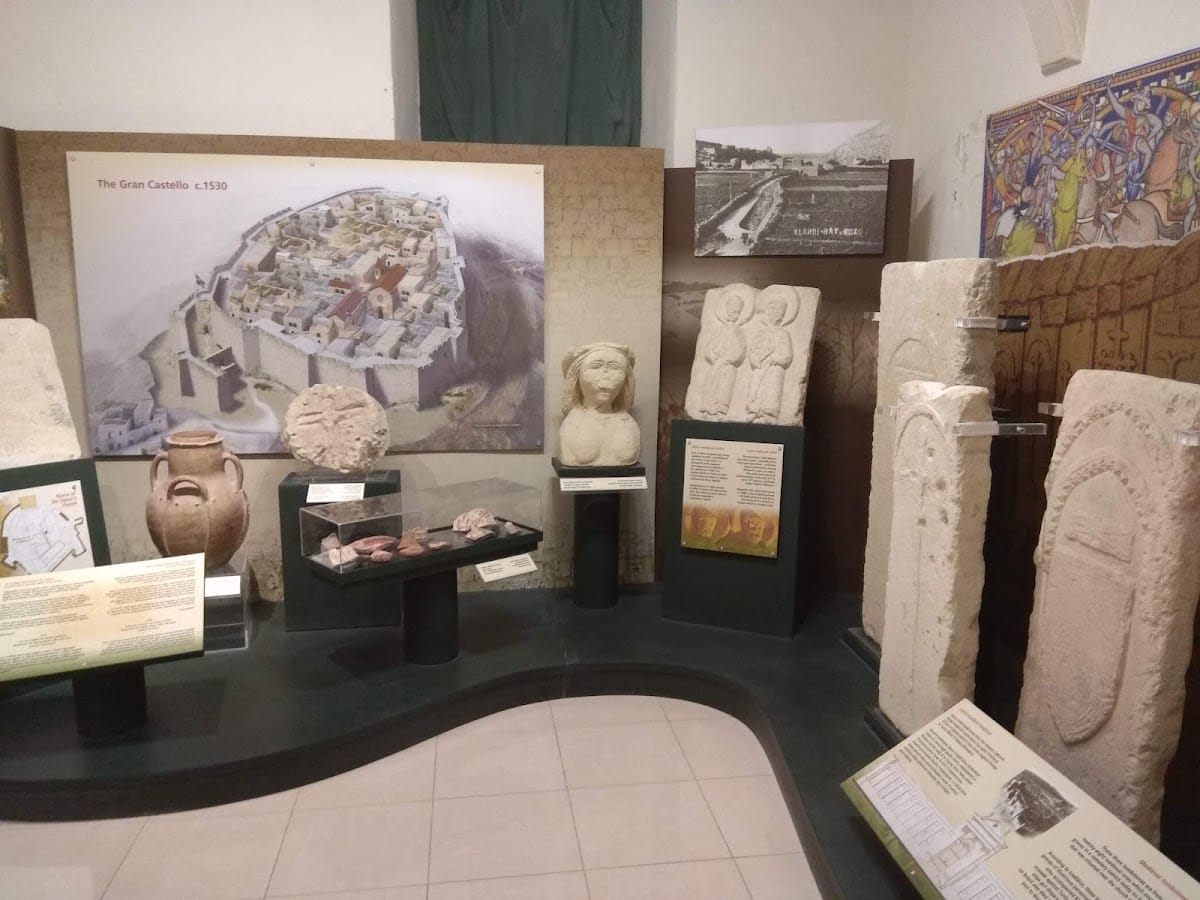
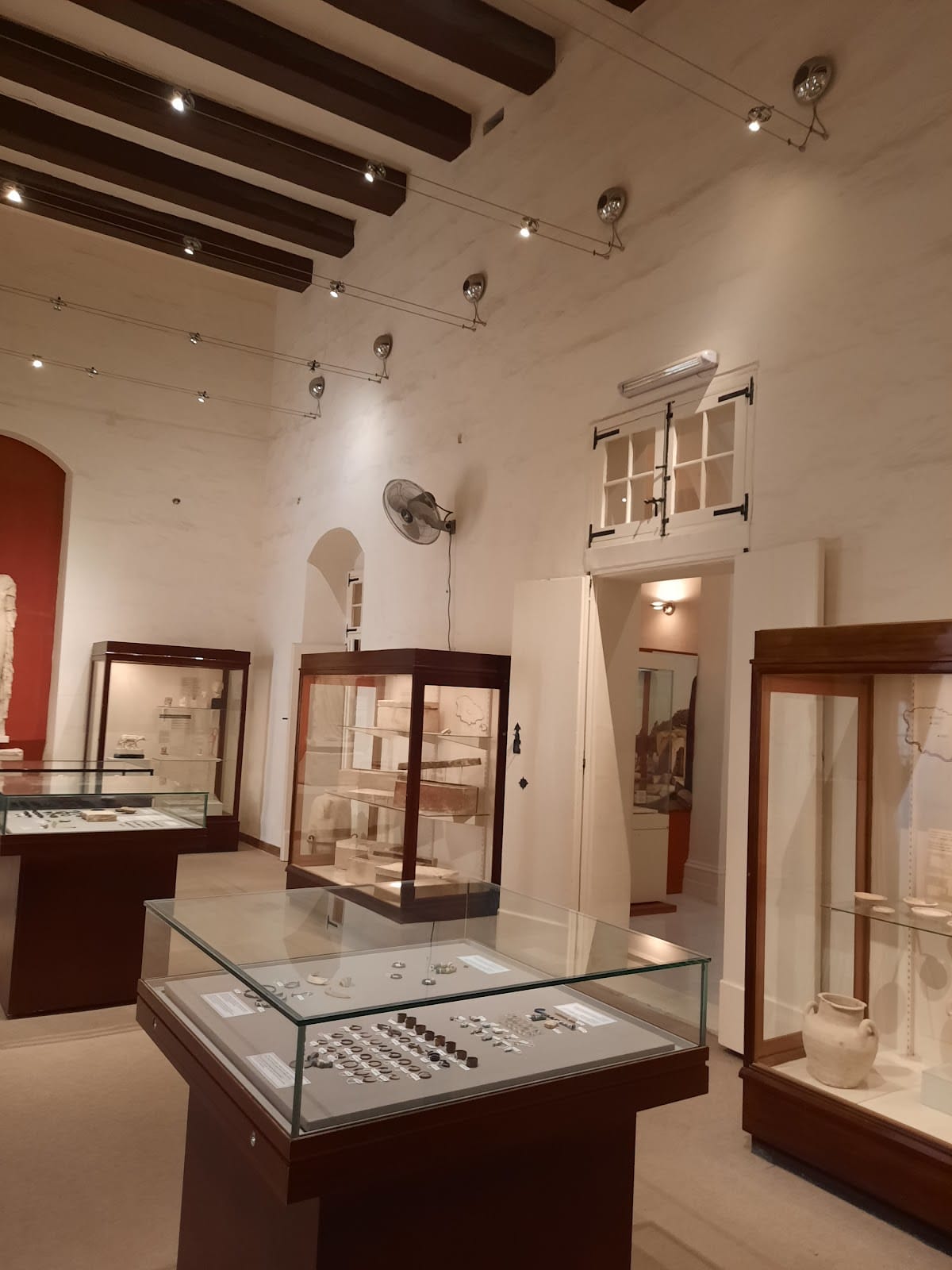
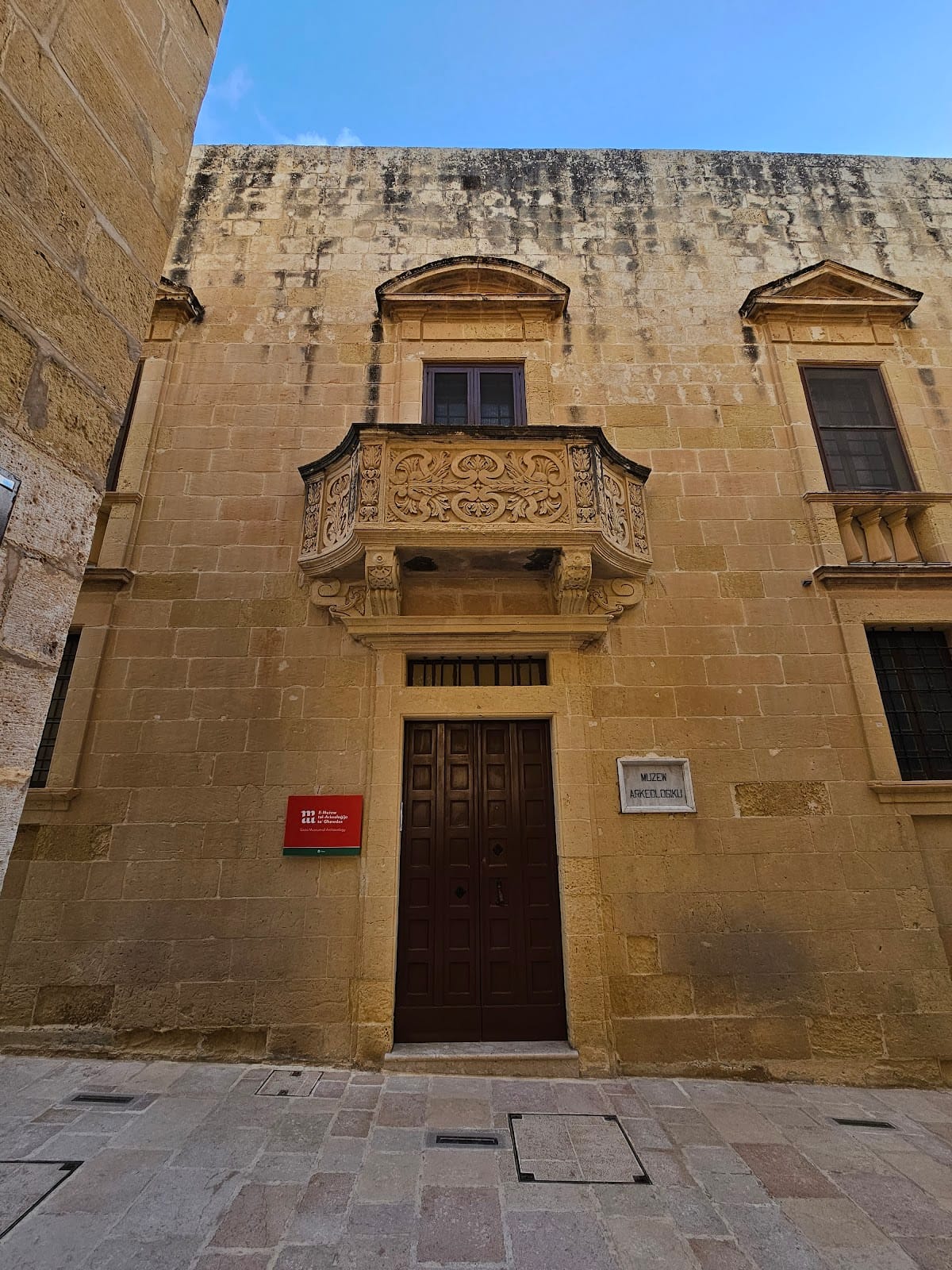
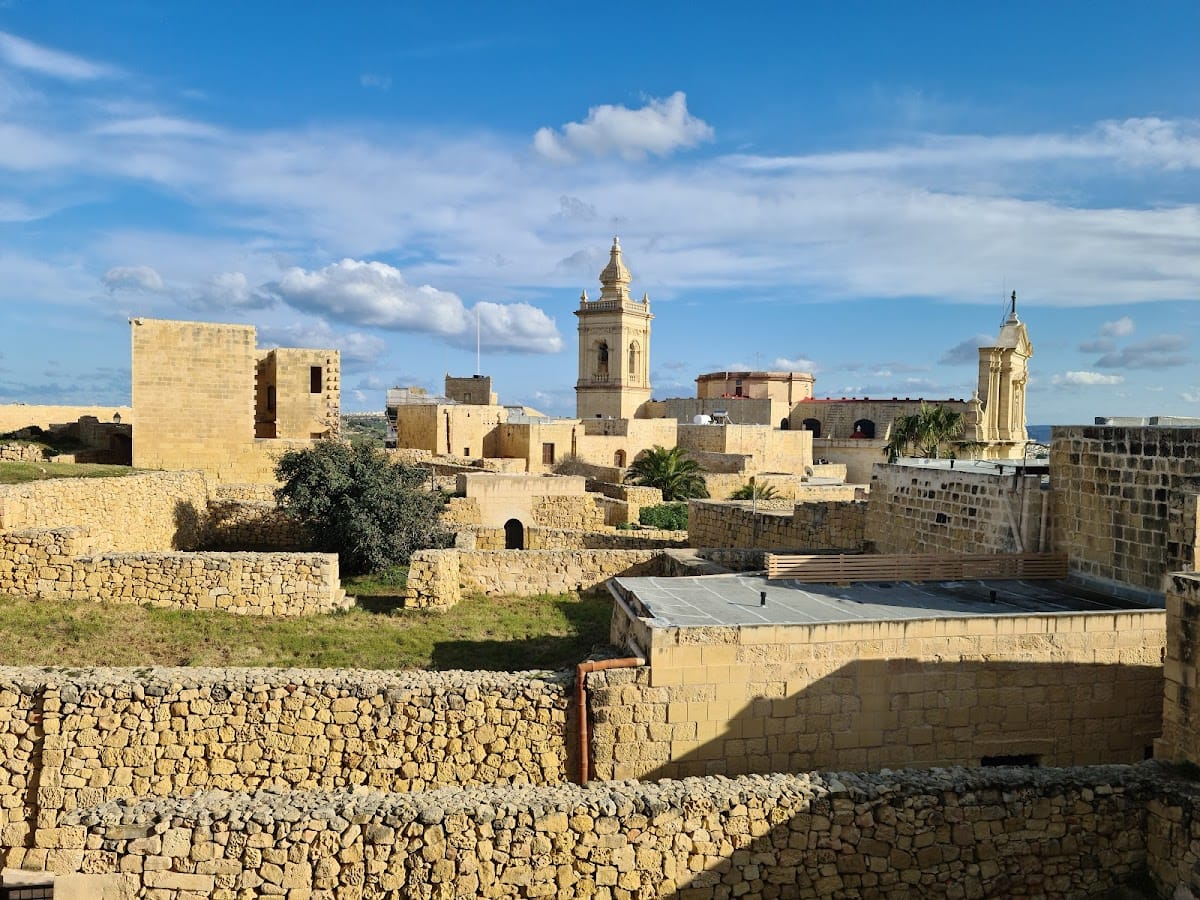
The museum occupies Casa Bondi, a seventeenth-century house within the Cittadella, the oldest part of Victoria on Gozo. The two-storey building has a symmetrical, austere facade and a carved stone balcony above the entrance door. Inside, archaeological artefacts and relics present successive periods of Gozo’s cultural history.
Archaeological Collections
Prehistoric Statuettes
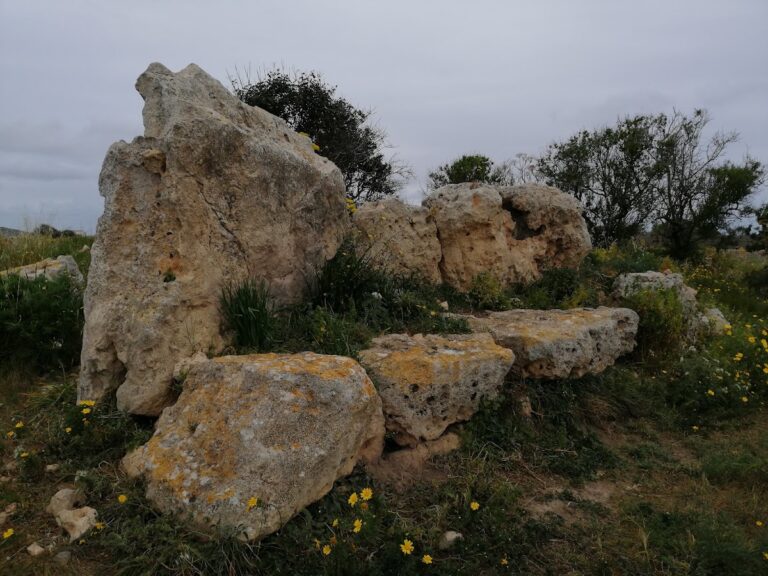
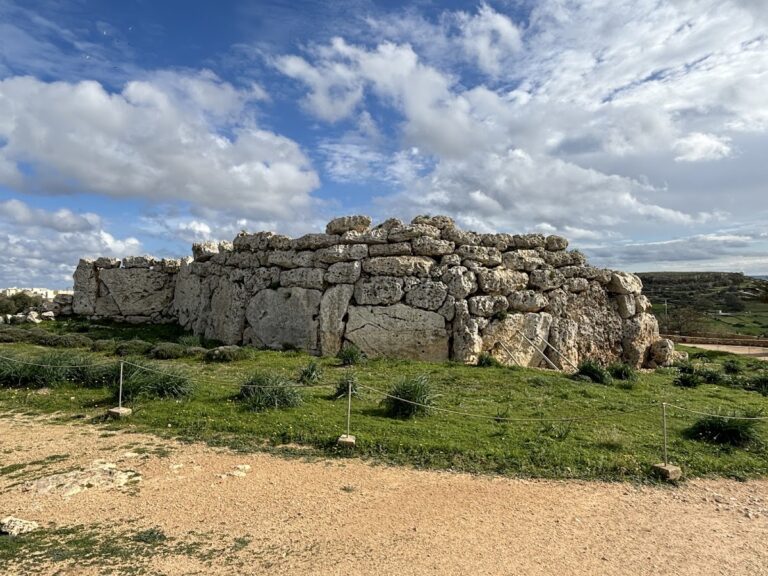
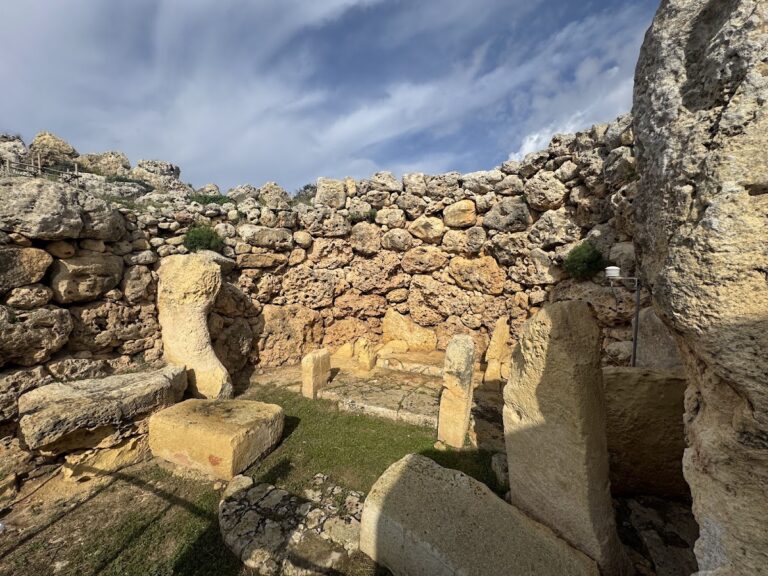
The collections include prehistoric human statuettes from the Ġgantija Temples, prehistoric megalithic temple remains on Gozo. Some of the statuettes are displayed in the museum, while most are exhibited at the Ġgantija Temples Interpretation Centre.
Arab-Period Material
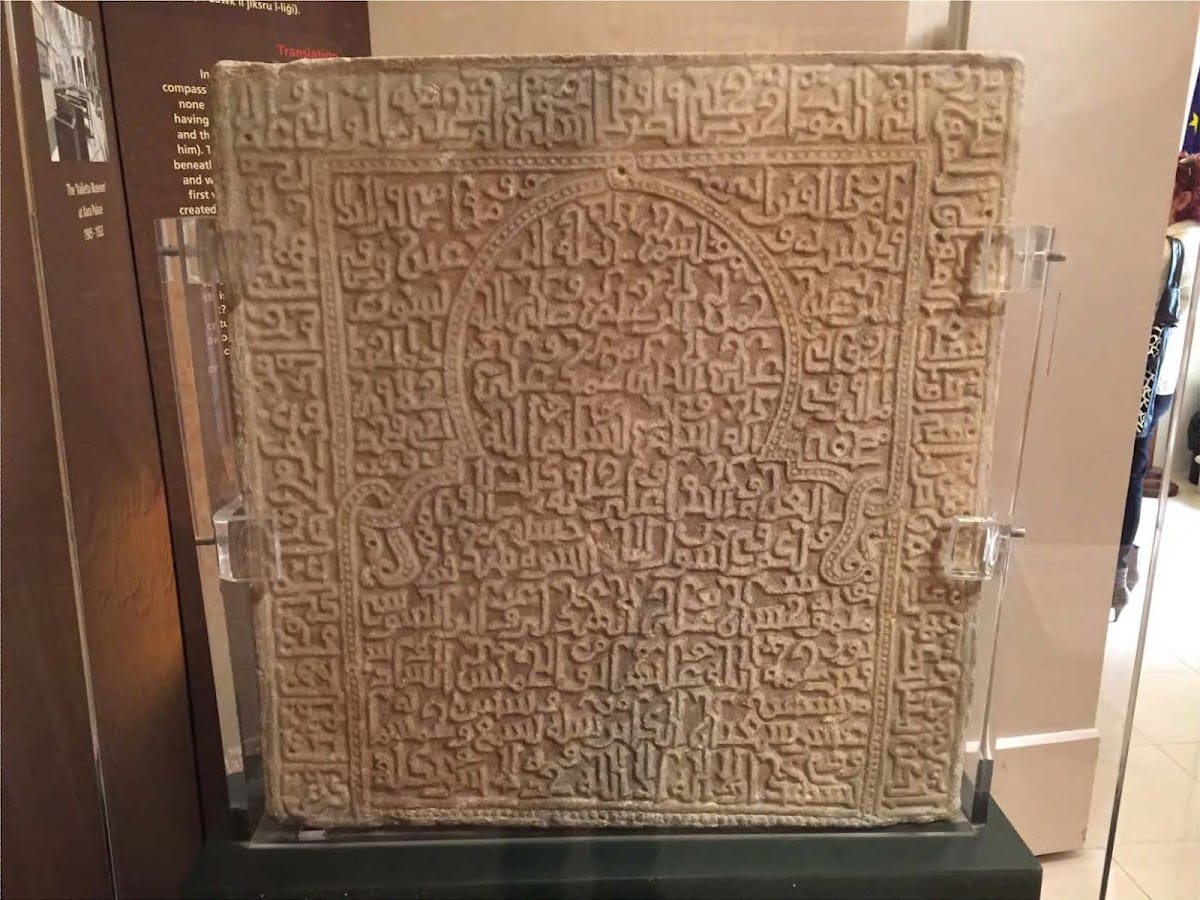
Material connected with Arab-period culture includes remains from the area around Xewkija. Among them is the Majmuna Stone, a medieval funerary monument with an Arabic inscription dated to 1173. The tombstone was allegedly found in Gozo between Xewkija and Ta’ Sannat.
Boat-Shaped Stone
A boat-shaped stone has two adjacent cavities cut into its upper surface. It has been associated, possibly, with food preparation, but its archaeological context is unknown, so that interpretation remains highly hypothetical.