Hurman Castle: A Historic Fortress in Dağlıca, Turkey

Visitor Information
Google Rating: 4.5
Popularity: Low
Google Maps: View on Google Maps
Country: Turkey
Civilization: Unclassified
Remains: Military

History
Hurman Castle is located in Dağlıca, within the municipality of Afşin in modern-day Turkey. It was originally built by the Byzantine Empire, with its earliest origins likely dating back to the late Roman period as suggested by coin finds from that time.
During the 10th century, Hurman Castle stood in a highly contested border region between Byzantium and the Arab forces controlling the frontier zone known as al-ʿAwāsim. The Armenian leader Melias played a key role by capturing the fortress and returning it to Byzantine control. Following this, the Byzantines refortified the site in 911, and shortly thereafter, around 916, it became the central stronghold of the newly formed Byzantine administrative district, or theme, called Lykandos. This period marked the castle’s prominence as a military and administrative center in the borderlands.
From the 12th century onward, power in the region shifted as the Seljuk Turks took control. Under Seljuk rule, considerable rebuilding of the fortress took place, and most of the surviving structures visible today date from this period. Later still, the Ottoman Empire made additions and alterations to the castle during the 17th and 18th centuries, reflecting continued strategic use of the site over many centuries.
Throughout its history, the castle was known by different names. Byzantine sources referred to it as Romaina, while Arabic texts called it Hisn ar-Rummān. These names highlight the diverse cultural influences that shaped the fortress and its surrounding region over time.
Remains
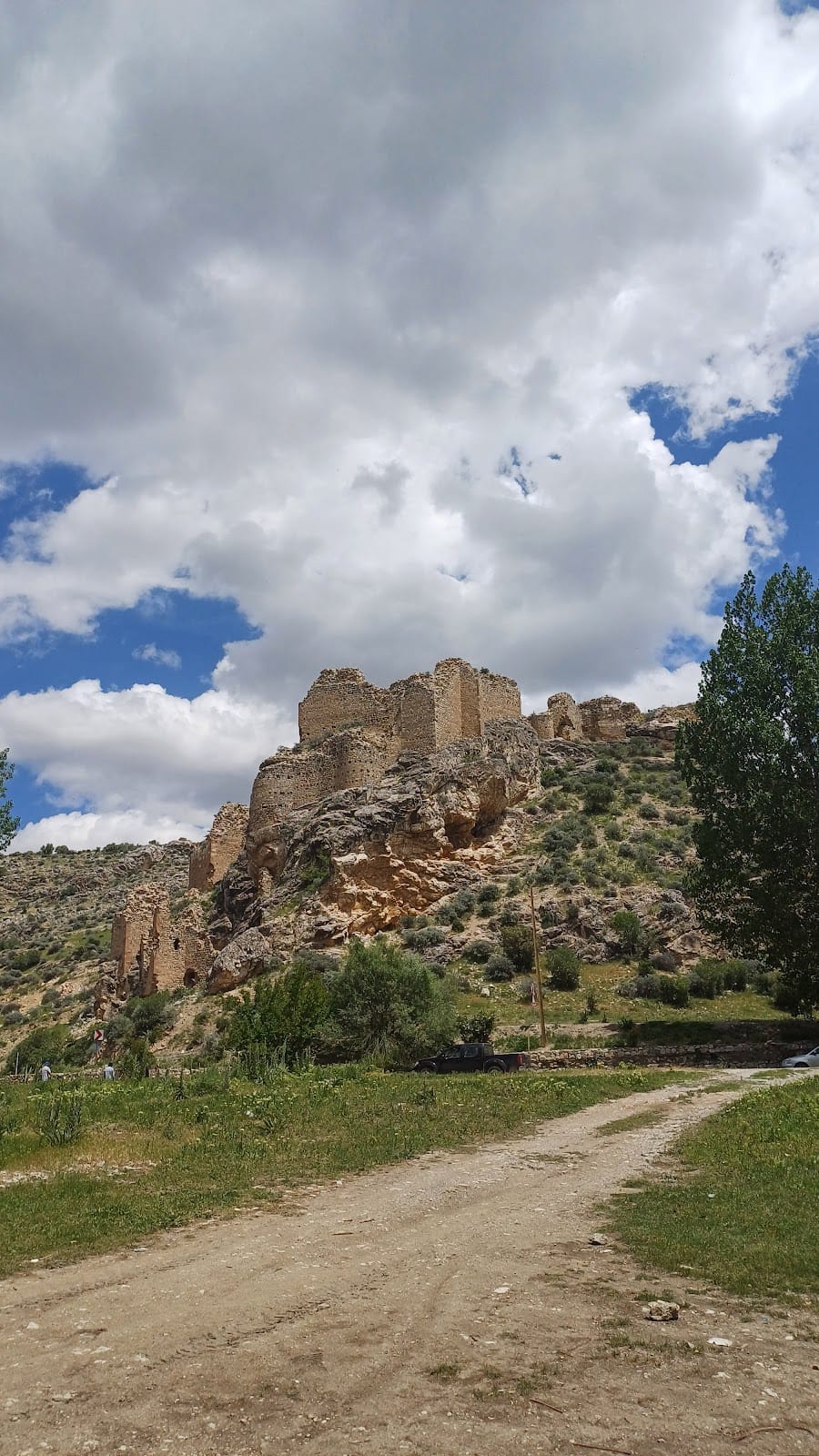
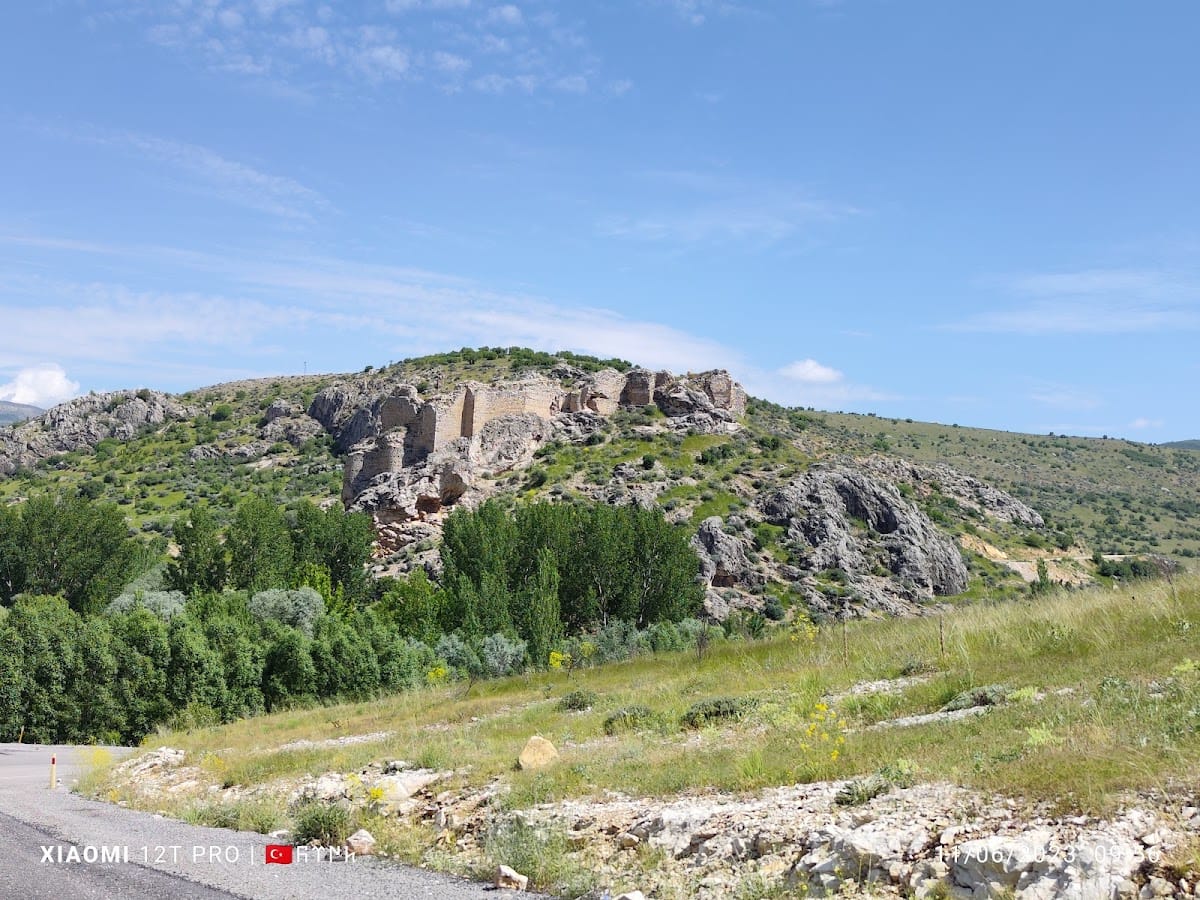
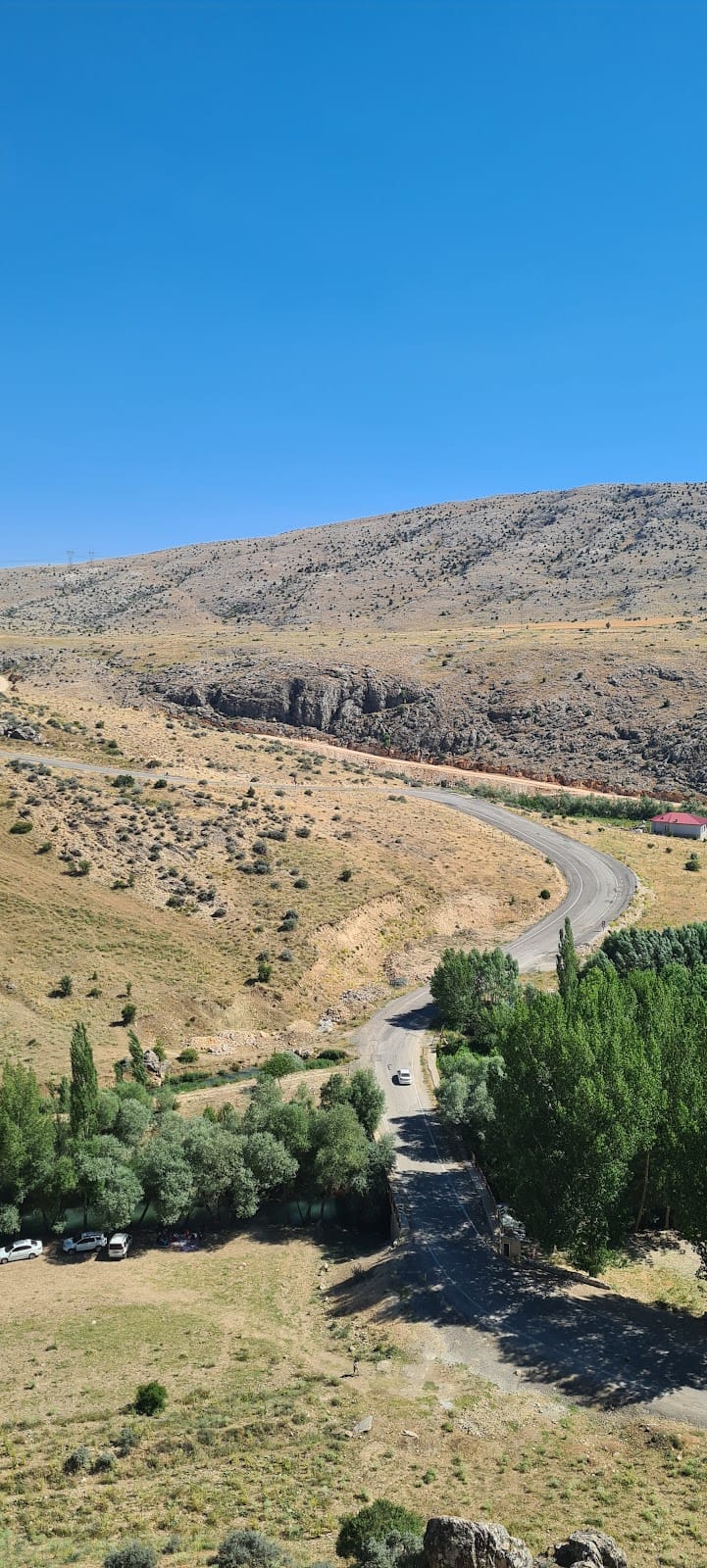
Hurman Castle occupies a rocky outcrop sloping toward the southwest, overlooking the Hurman Çayı valley. This elevated position gave it a commanding view of the Elbistan plain and the ancient road linking Cappadocia with southeastern Anatolia and Syria, underscoring its strategic value in controlling regional movement. The castle’s footprint is roughly rectangular, measuring about 80 meters in length and 50 meters across.
The castle’s enclosing walls are built from large, ashlar blocks—meaning finely cut and dressed stone—that display a variety of colors and stand over ten meters high in some sections. Integrated into these curtain walls are eight bastions, which would have provided fortified positions for defenders to observe and repel attackers.
The main gateway to the fortress was located on the western side, likely situated near the adjacent settlement of Sobagena. This entrance later saw the construction of an additional defensive wall and gate during the Seljuk period, creating an extra layer of security behind the original portal. A secondary gate on the eastern side also offered access to the interior, emphasizing the castle’s multiple points of entry linked to its strategic layout.
Within the castle’s walls, only the foundations of internal buildings have been preserved, and their original purposes remain unclear. These remnants suggest the presence of various structures necessary for the fortress’s operation but do not provide details on their function. The successive rebuilding phases, especially by the Seljuks and Ottomans, have shaped the overall fabric of the castle seen today.