Roman Infrastructure: Explore Aqueducts, Bridges and Water Systems
Explore Roman aqueducts, bridges, cisterns, tunnels and other structures that supplied settlements and connected them by land and sea. The collection includes elevated water channels, rock-cut galleries, deep storage chambers and road crossings with substantial ancient masonry. It also contains structures repeatedly repaired or adapted after the Roman period.
The examples below show how builders dealt with valleys, hillsides, rivers and water storage. Aqueduct arcades carried a narrow channel above uneven ground, while tunnels took routes through the rock. Bridges supported roads, cisterns stored water beneath towns, and lighthouses marked coastal approaches.
Type: All
Country: All
Popularity: All
Rating: All
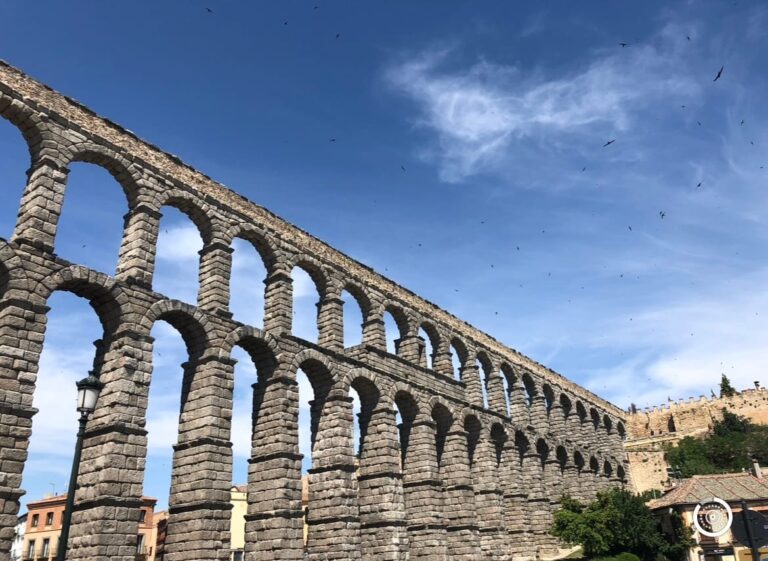
The Segovia Aqueduct carried spring water to the Roman city and remained in service until 1973. Its granite arcade, medieval reconstruction, later…
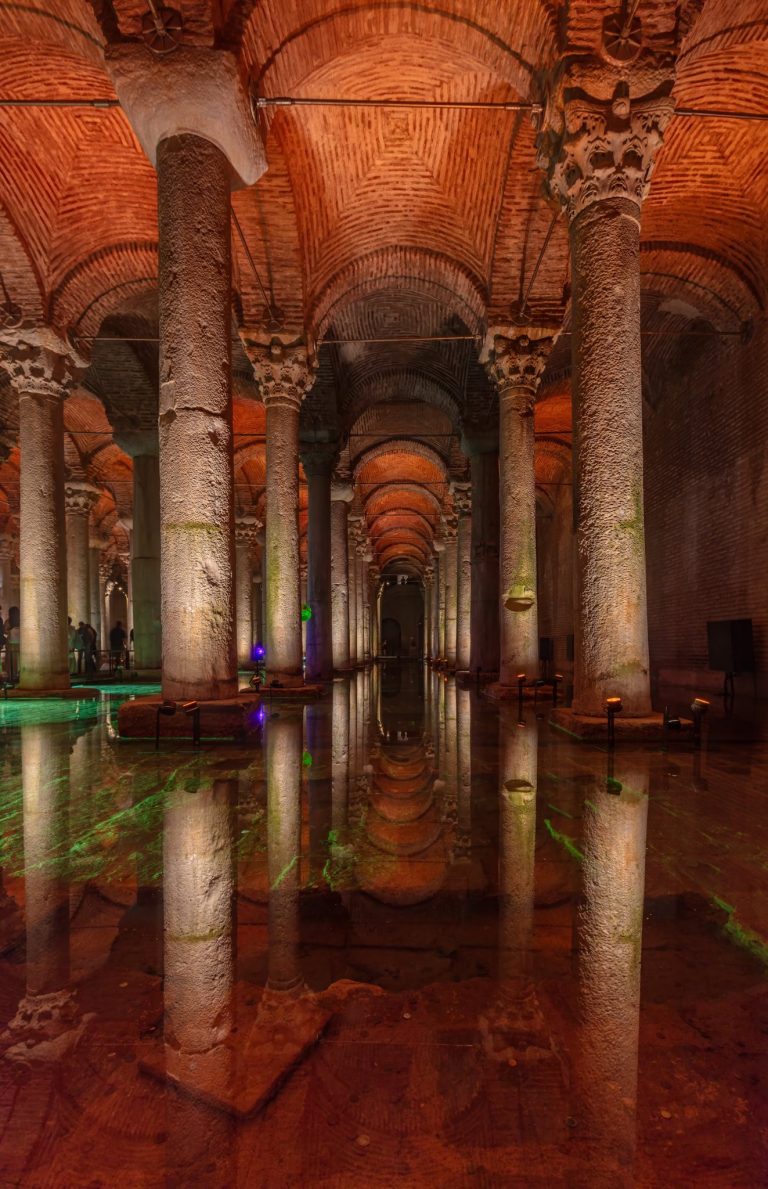
The Basilica Cistern is a sixth-century Byzantine reservoir built under Justinian I to supply water to the Great Palace and other buildings in…
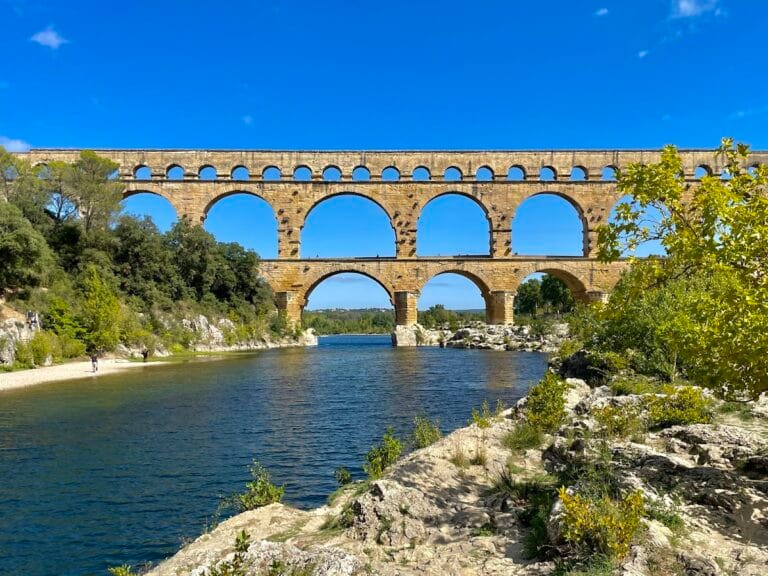
Pont du Gard is the monumental bridge of the Roman aqueduct that carried water to Nemausus, now Nîmes. Built in the first century AD, it survives as…

The Roman Bridge of Córdoba spans the Guadalquivir and reflects nearly two millennia of rebuilding, from its Roman origins and early Islamic…
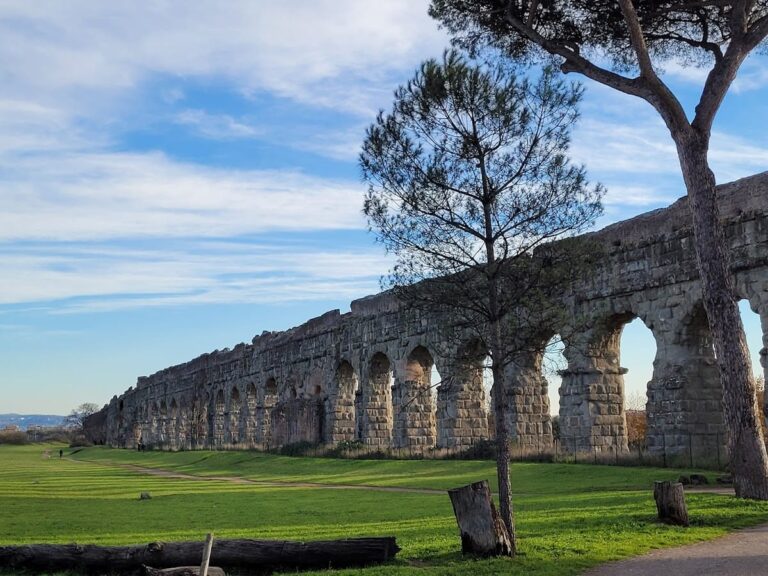
Parco degli Acquedotti preserves a network of Roman and papal aqueducts, ancient roads, villas, medieval structures, and remnants of Rome’s former…
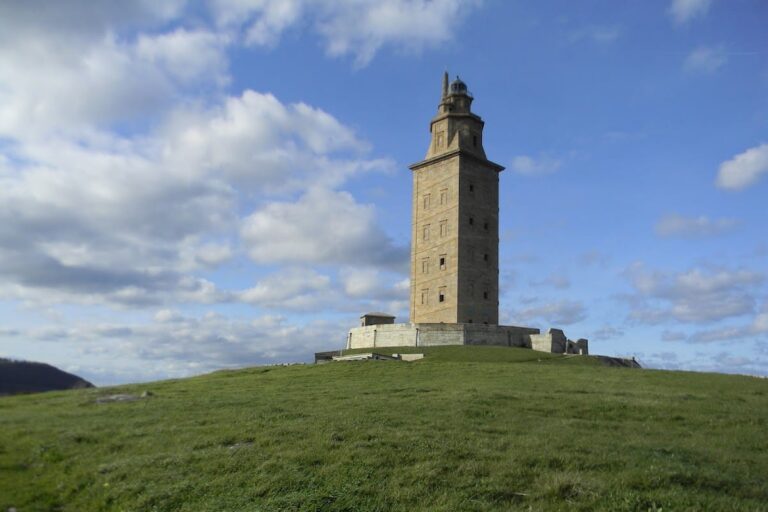
The Tower of Hercules in A Coruña is the oldest known surviving Roman lighthouse and the only ancient Roman lighthouse still in active use. Its Roman…
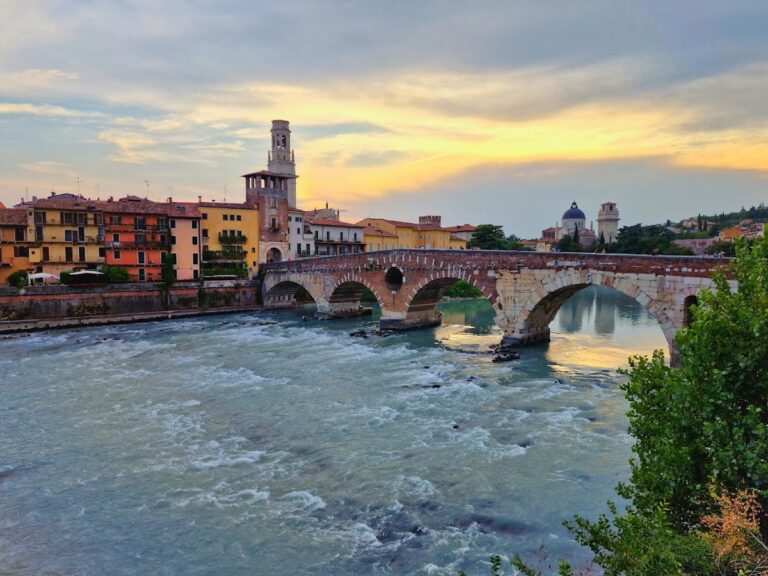
Ponte Pietra is Verona’s oldest bridge and the city’s surviving Roman-period crossing. Built at a prehistoric ford, it has been repeatedly repaired,…
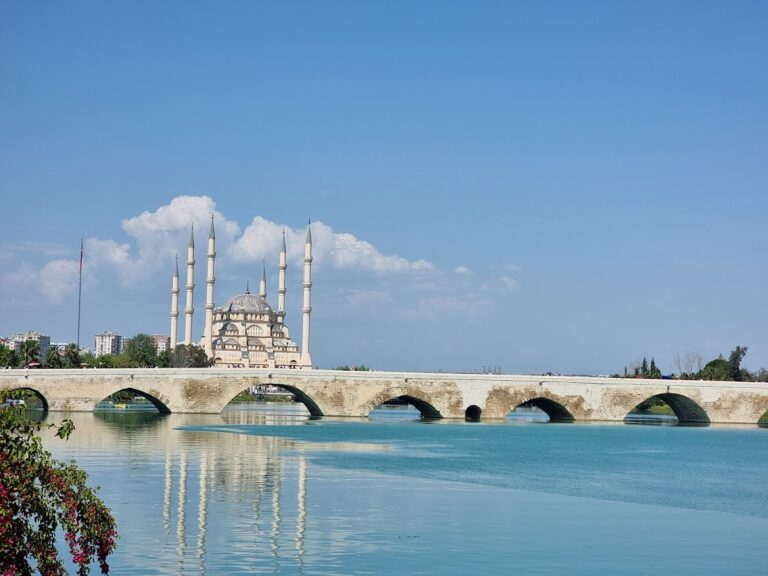
Taşköprü is a Roman bridge in Adana, Türkiye, rebuilt and repaired across many centuries. Its arches, reused materials, Ottoman alterations, and…
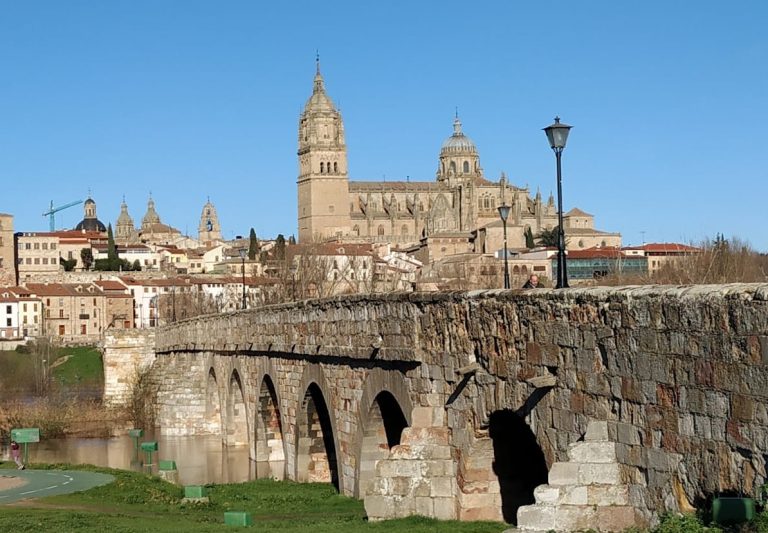
The Roman Bridge of Salamanca crosses the Tormes and preserves part of the route that connected Mérida with Astorga. Roman, medieval, and later…
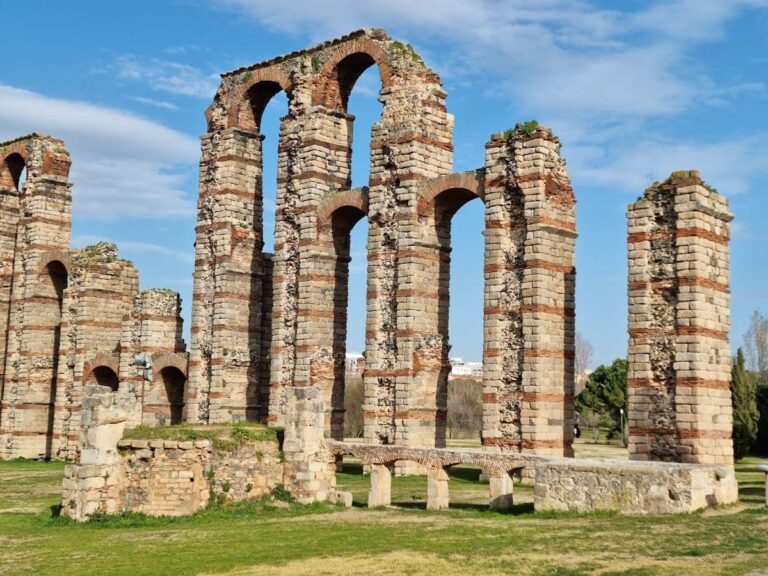
The Acueducto de los Milagros carried water to Emerita Augusta, the Roman city of Mérida and capital of Lusitania. Its long subterranean route,…

The Ferreres Aqueduct, also called the Pont del Diable, carried water to Roman Tarraco and remains one of the best-preserved elements of the city’s…
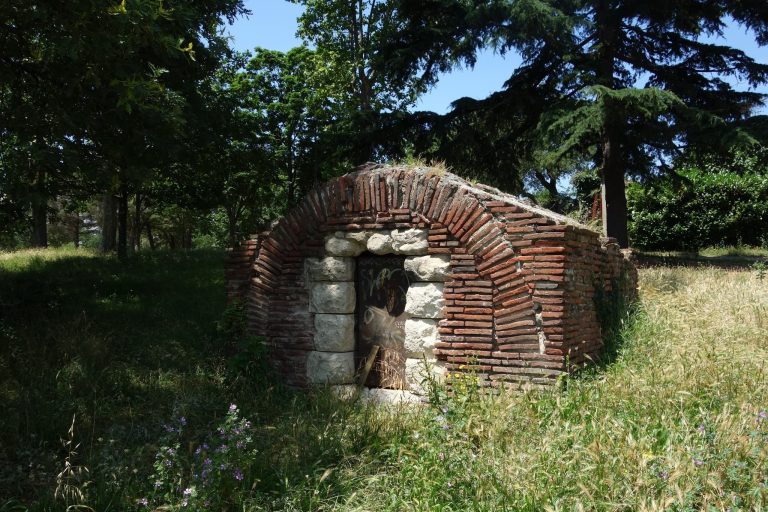
Pont Vieux was a Roman bridge-aqueduct that carried water to Tolosa while providing Toulouse with a crossing over the Garonne. Its surviving remains…
For details on how to use the maps, which sites are included, how popularity and ratings are determined, and how sites are classified, see the help page.
On this page6 sections
Aqueduct arcades and rock-cut water channels
The Roman aqueduct at Moria, on Lesbos, retains a tall water bridge built from local grey marble. Its tiers of arches carried the channel towards Mytilene across low ground. Other stretches of the system used tunnels and channels cut into rock, so the large arcades were one part of a route adapted to changing terrain. The water flowed at the top of the bridge; the mass of stone beneath maintained its level across the valley.
The Barranco de los Burros section of the Albarracín–Gea–Cella aqueduct, in Spain, instead follows a gallery excavated into limestone. Openings along the rock face provided access during construction and maintenance. The channel curves around the ravine, while other parts of the wider aqueduct continue beneath the ground through galleries reached by vertical shafts. This preserves a different solution to maintaining the watercourse through difficult terrain.
High river bridges and surviving arches
Alcántara Bridge, across the Tagus in western Spain, has six unequal arches supported on tall stone piers. The largest spans occupy the river crossing, with triangular cutwaters on the upstream faces of the central piers. An honorary arch over the roadway records the bridge’s association with Emperor Trajan. Its surviving structure includes later repairs and the rebuilding of an arch destroyed during warfare.
At the Bridge of Augustus in Narni, in Italy, one great arch remains standing on the southern bank of the Nera. The bridge carried the Via Flaminia and originally continued across the river on further arches. Piers and fallen masonry record that lost crossing. Projecting stones near the springing of the surviving arch supported the temporary timber framework used during construction, leaving evidence of how its stonework was assembled.
These bridges preserve different amounts of their original route. Alcántara retains a complete crossing after successive repairs; Narni’s surviving arch explains part of a much larger bridge whose roadway no longer spans the river.
Fermo’s cisterns: water stored beneath the town
The Roman cisterns at Fermo contain thirty underground chambers arranged in three parallel rows. They formed a large storage system beneath what became later streets, houses and monastic buildings. Remains of waterproof lining survive along the lower walls, while inspection shafts provided access from above.
Drainage channels and lead pipes identify parts of the distribution system supplying the town’s fountains. The connected chambers show the size of the installation without relying on a reconstructed outline at ground level. Later entrances give access to the complex, while an ancient staircase remains identifiable from inside.
Crypta Neapolitana: a road through Posillipo Hill
The Crypta Neapolitana is a Roman road tunnel cut through volcanic tuff in Naples. Its gallery runs for roughly seven hundred metres between the Mergellina side of the hill and Fuorigrotta. Inclined shafts connected it with the surface to admit light and air.
The tall entrance and surviving rock-cut passage belong to a transport route that continued to be altered long after antiquity. A separate gallery ran alongside it to carry aqueduct water towards the Phlegraean area. Road traffic and water thus passed through the same hill in distinct underground channels.
Tower of Hercules: a Roman lighthouse inside a later exterior
The Tower of Hercules, in A Coruña, retains a substantial Roman core within its later stone facing. Three ancient storeys contain groups of internal rooms. The late eighteenth-century rebuilding enclosed the earlier tower and added the upper stage, producing the outline seen today.
Diagonal bands added to the exterior recall the former route around the Roman tower. Inside, the ancient masonry remains visible alongside the stone staircase installed during the rebuilding.
Explore the collection
Use map markers or grid entries to open the site articles. Narrow the results by country, structure type, popularity or rating. The linked descriptions explain the ancient engineering and distinguish it from later repairs, rebuilt spans and changes of use.