Latest Additions
This page lists the most recently added ancient sites in the database. New entries are added regularly as the collection expands, with each site selected for having meaningful and visitable remains.
Entries are ordered by publication date, with the newest additions shown first.
Bukelon Fortress, located near Matochina village in Bulgaria, offers a glimpse into centuries of military history from Roman times through the medieval period, reflecting the region's strategic importance and cultural layers.
Burgruine Treffen offers a glimpse into medieval Alpine history, reflecting centuries of noble ownership, strategic importance, and resilience despite natural disasters and conflict.
Schloss Aschhausen is a medieval castle with a rich history spanning from the Middle Ages through modern times, reflecting its evolving role from noble residence to monastic estate and family property.
Auchencloigh Castle, located near Ochiltree in Scotland, offers insight into medieval Scottish fortifications and regional landholding practices from the 15th century onward.
The Castle of Benaguasil reflects centuries of regional history, from medieval conflicts to urban development, preserving a glimpse of Spain's past defensive architecture.
Javornicí Castle is a medieval fortification dating mainly to the late 15th century, reflecting the turbulent military history of the region and offering insight into defensive strategies of the time.
Bonkyll Castle, near Duns in Scotland, played a key role in local governance and defense from the 11th century. Its history reflects the shifting noble families and political changes of the Scottish Borders.
Colwyn Castle, near Llandrindod Wells, Wales, reflects the layered history of Norman and Welsh control from the 11th to 14th centuries, illustrating the region's medieval frontier dynamics.
The Château de Chilly-Mazarin reflects centuries of French history, from its medieval origins to its 17th-century transformation and modern role as a town hall.
Tomen yr Allt is a medieval motte and bailey castle near Llanfyllin, Wales, illustrating Norman military architecture and regional history during the 12th and 13th centuries.
Schloss Hirschenau is a castle located near Völkermarkt in Austria, set within a quiet, forested region. Though detailed historical records are scarce, it forms part of Austria's cultural heritage and reflects the area's landscape and past.
Burg Schönrath offers a glimpse into medieval life as a fortified residence that evolved through centuries of noble ownership and agricultural use.
The Château de Campan is a medieval castle with origins in the 11th century, reflecting centuries of architectural evolution and local history, including ties to the Knights Templar and notable regional families.
Kager Hillfort offers a glimpse into human activity from the Bronze Age through the medieval period, reflecting its role as a settlement and defensive location near Libavské Údolí-Kynšperk nad Ohří.
The Château d'Annéot offers a glimpse into French noble life through its layered history and preserved architecture, showcasing the evolution of a feudal estate into a refined residence with formal gardens.
The Château de Merpins is a medieval fortress perched on a rocky hill in France, reflecting centuries of strategic military importance and evolving fortifications.
Caus Castle, near Shrewsbury, showcases a rich history from its Iron Age origins to its role in medieval border defense and later decline, reflecting the evolving landscape of the England-Wales frontier.
The Castle of Miraval, perched above the Durenque valley, offers a glimpse into medieval nobility and architectural evolution from the 12th century onward.
Ballikinrain Castle, near Balfron in Scotland, reflects a rich history as a private estate, social venue, and educational site, showcasing architectural heritage and adaptation over time.
The Château de Villars-en-Azois showcases the evolution of a noble residence from its 16th-century origins through 18th-century reconstruction, embodying the layered history and architectural styles of Villars-en-Azois.
Cerro del Villar offers insight into an early Phoenician community that evolved into a structured urban center before its abandonment around 584 BCE, revealing aspects of ancient life and environmental challenges.
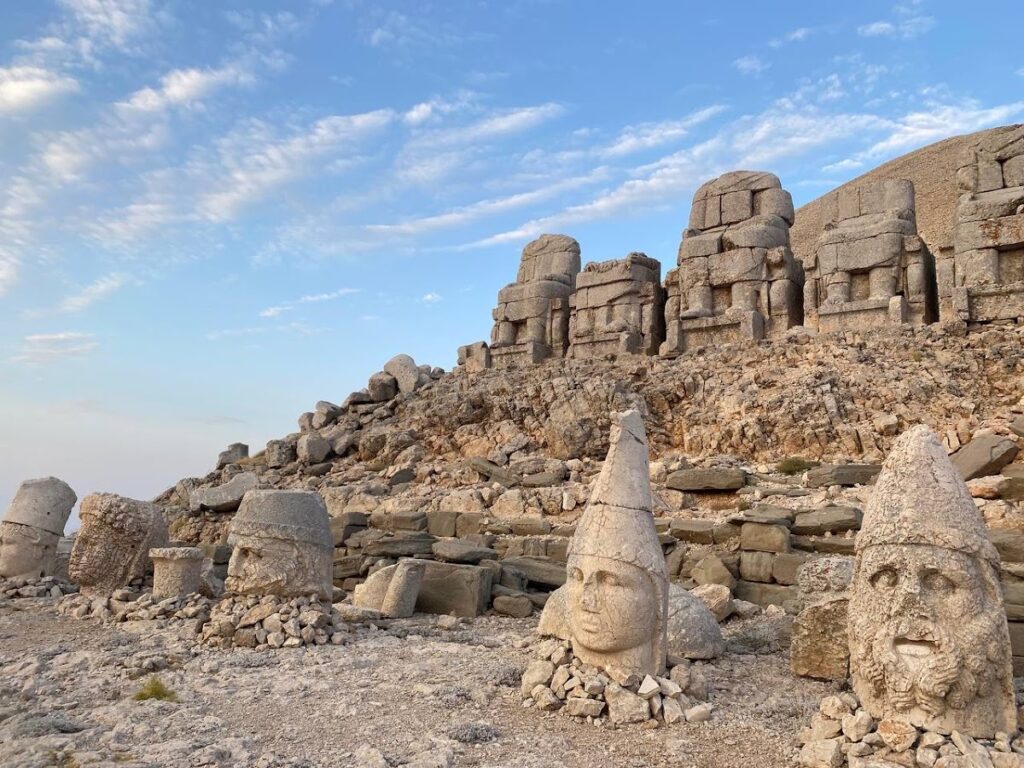
Mount Nemrut in Turkey is a remarkable ancient site created by King Antiochus I of Commagene, blending Persian and Greek traditions in a unique royal cult sanctuary and tomb.
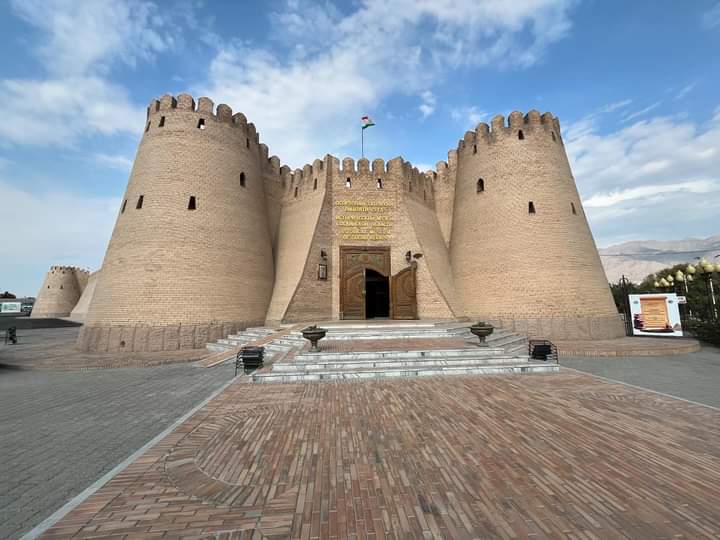
The Historical Museum of Sughd Region in Khujand offers insight into the area's long history, from ancient Cyropolis through medieval resistance to modern cultural heritage.
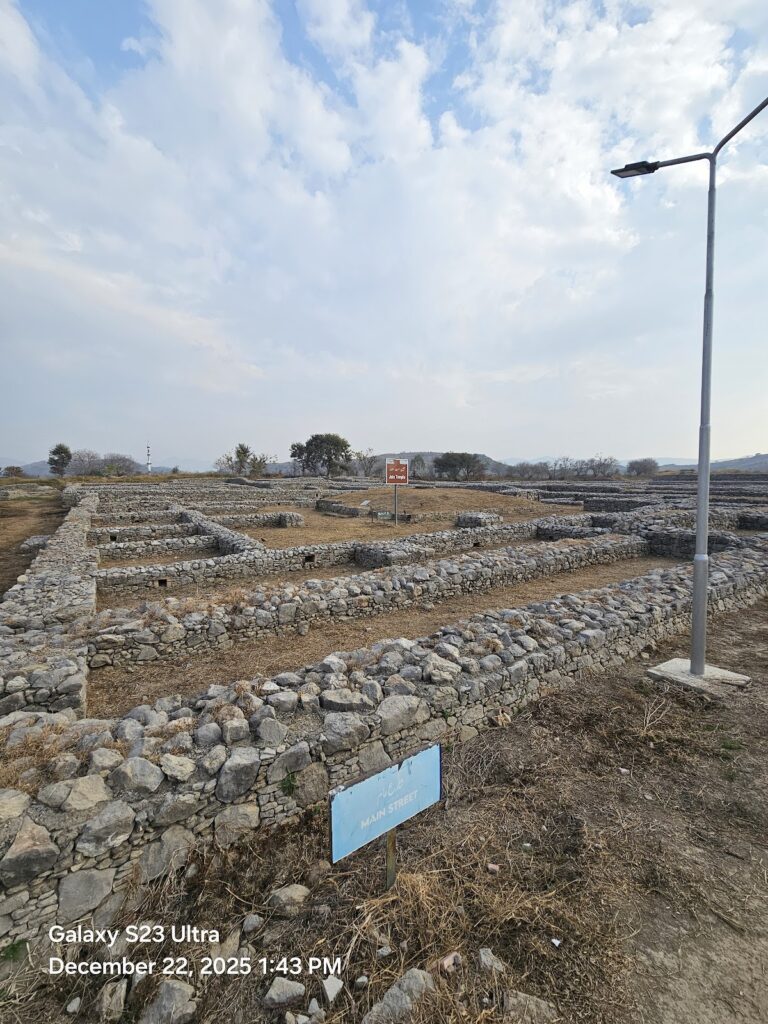
Sirkap offers a glimpse into the cultural and historical layers of Taxila, showcasing urban planning and diverse influences from Greek to Kushan periods.
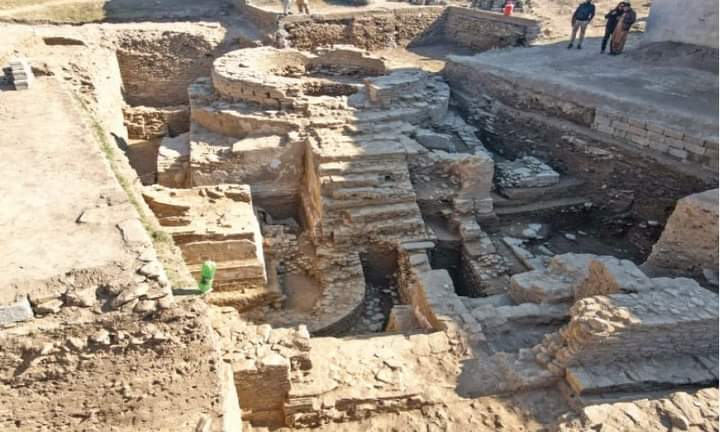
Bazira Ruins in Barikot reveal a long history from a Chalcolithic settlement to a fortified town influenced by regional and Hellenistic cultures, with archaeological finds spanning from 1700 BC to the Hindu Shahi period.
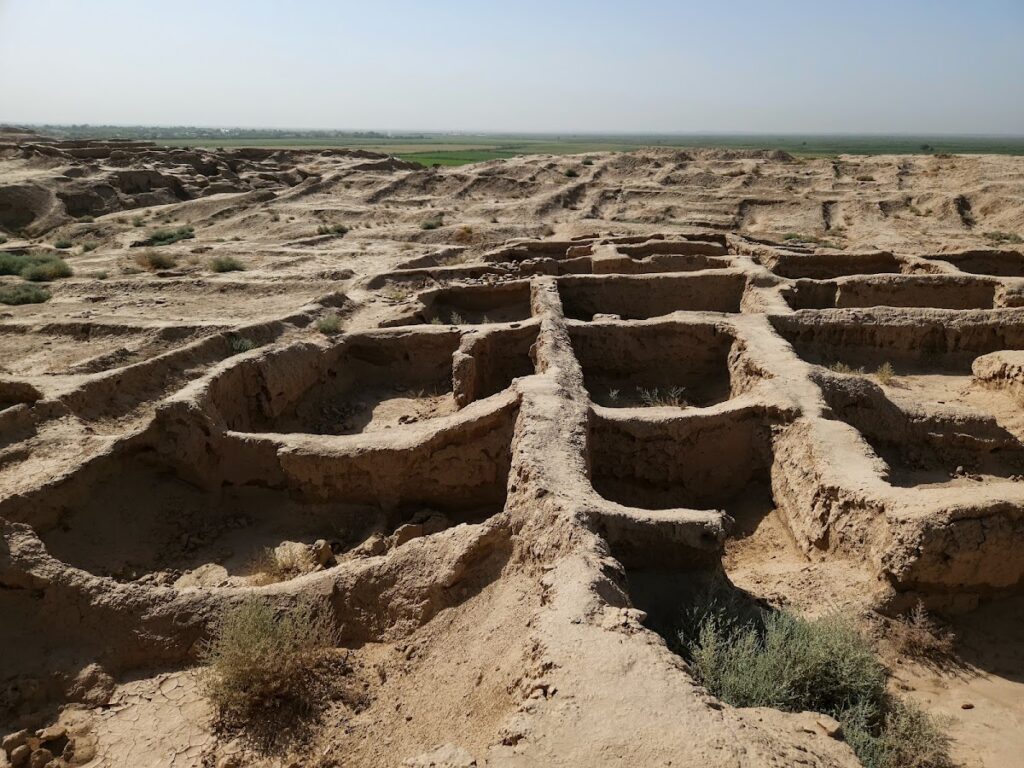
Alexandria Oxiana, located at Shurab in Uzbekistan, offers a glimpse into Hellenistic urban life and cultural blending during the Seleucid and Greco-Bactrian periods, with archaeological remains revealing its historical role as a fortified city and center of intellectual activity.
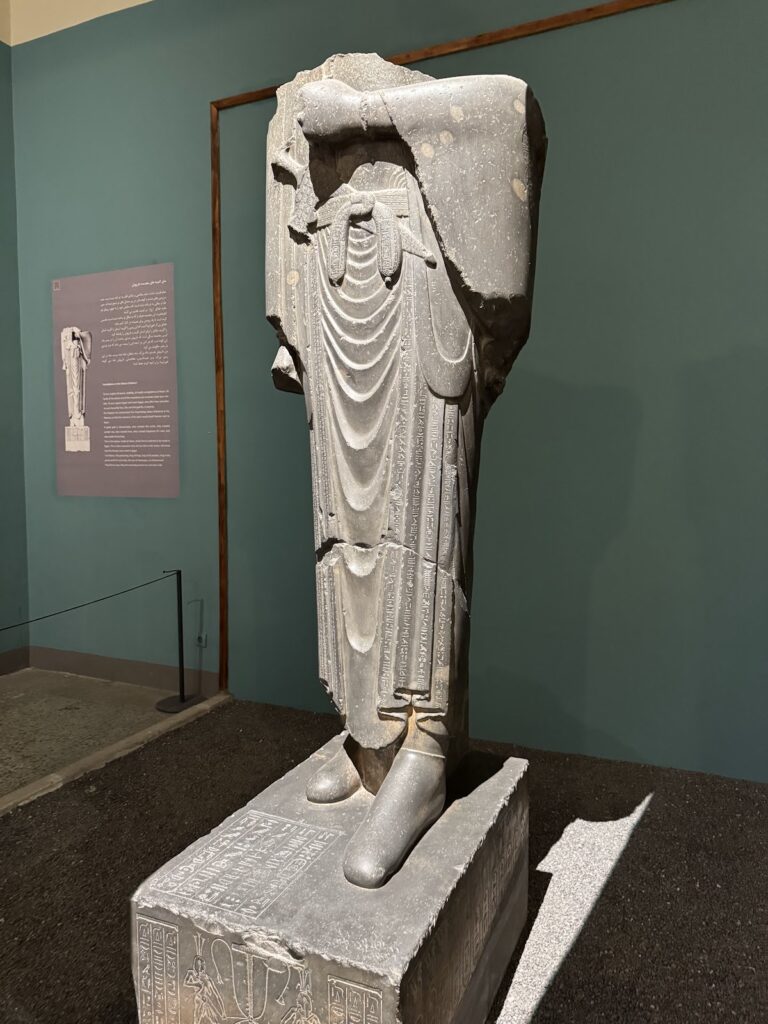
The National Museum of Iran in Tehran houses a vast collection spanning from prehistoric stone tools to Islamic-era artifacts, serving as a center for archaeological research and cultural preservation.
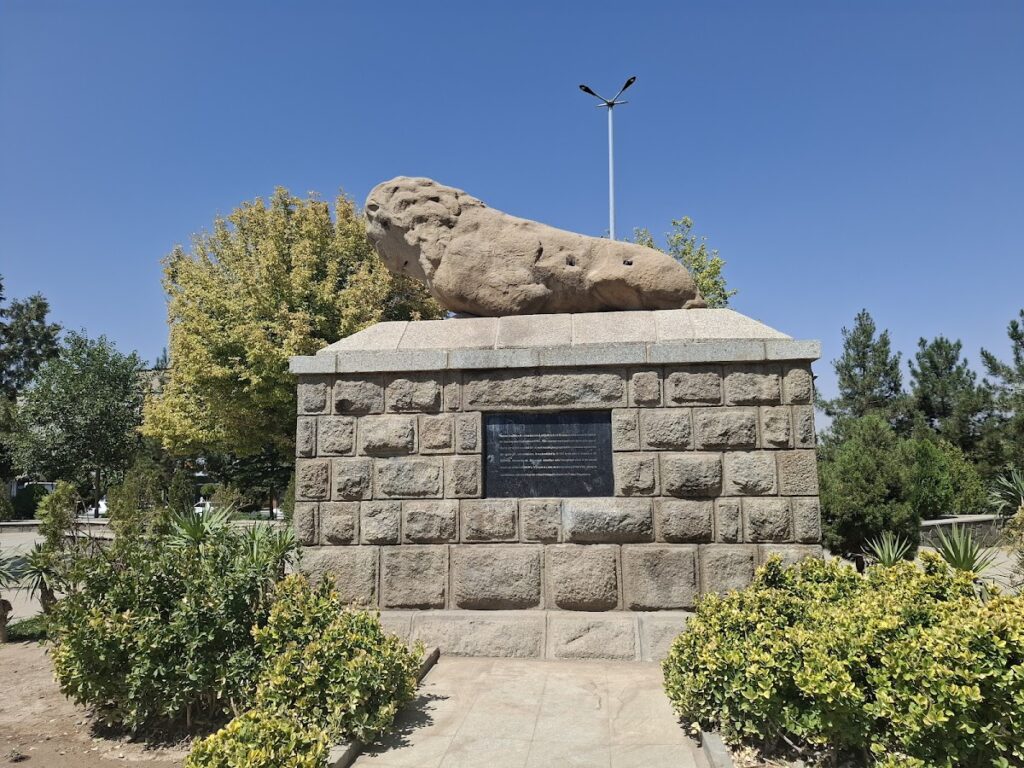
The Stone Lion Statue in Hamedan, Iran, is a monumental sculpture with origins over two thousand years ago, serving as a protective symbol at a city entrance and reflecting the region's layered history through Median, Parthian, and Hellenistic influences.
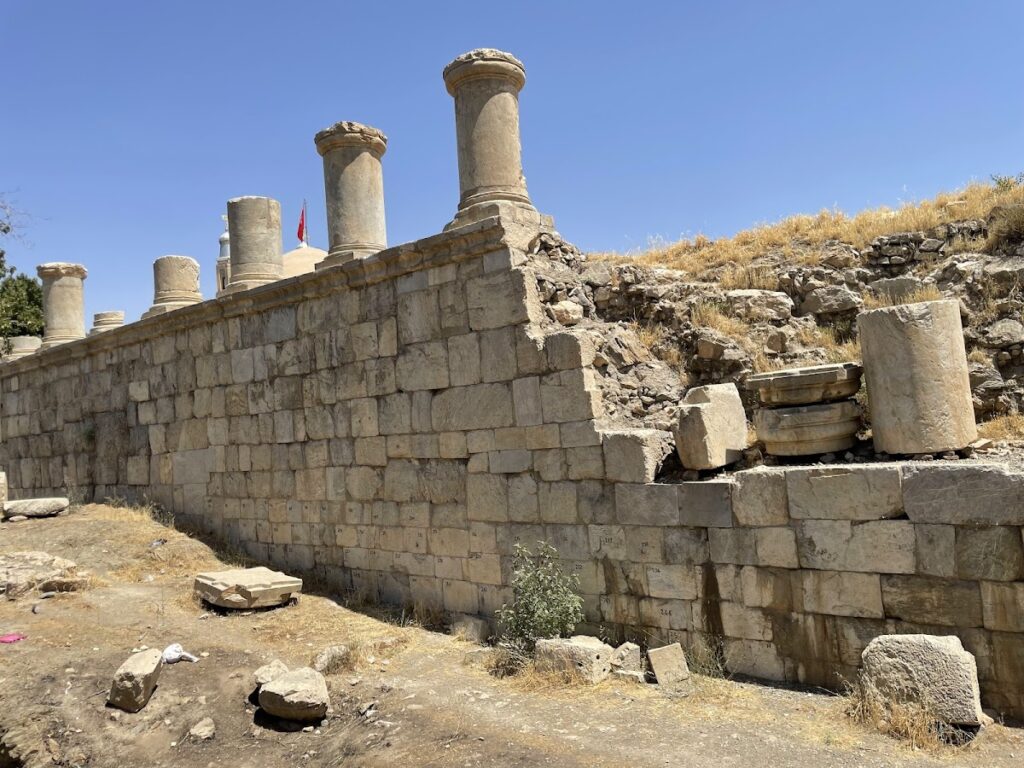
The Anahita Temple at Kangavar is a historic site reflecting centuries of religious and architectural development, linked to the Iranian goddess of waters and fertility. It offers insight into Parthian, Sasanian, and later cultural influences in the region.
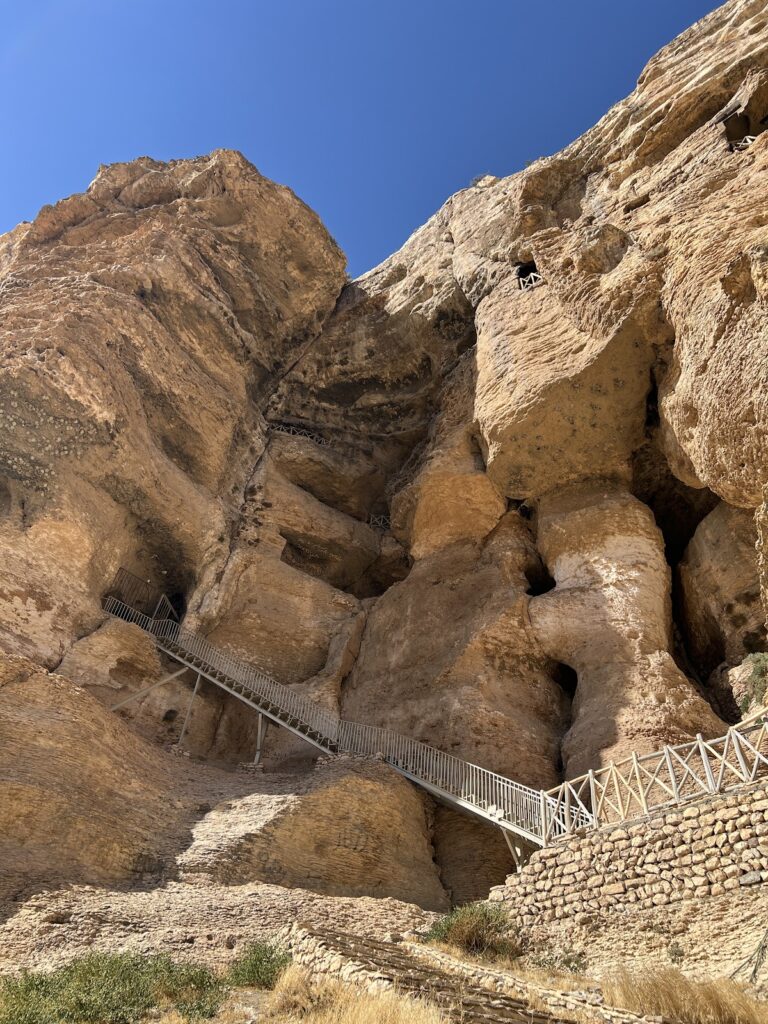
Karaftu Caves in Iran showcase a unique blend of natural formations and human craftsmanship, reflecting continuous use from the Seleucid period through the Islamic era.