National Museum of Iran: A Center for Iranian Archaeology and History
Site at a Glance
- Rating
- 4.5
- Popularity
- Medium
- Country
- Iran
- Primary era
- Classical
- External website
- Open
- Eras represented
- Stone Age, Bronze Age, Iron Age, Classical, Medieval, Early Modern, Modern
- Civilizations
- Achaemenid, Elamite, Ilkhanate, Median, Parthian, Qajar, Safavid, Sassanid, Seleucid, Seljuk, Timurid
- Site type
- Museum
On this page13 sections
History
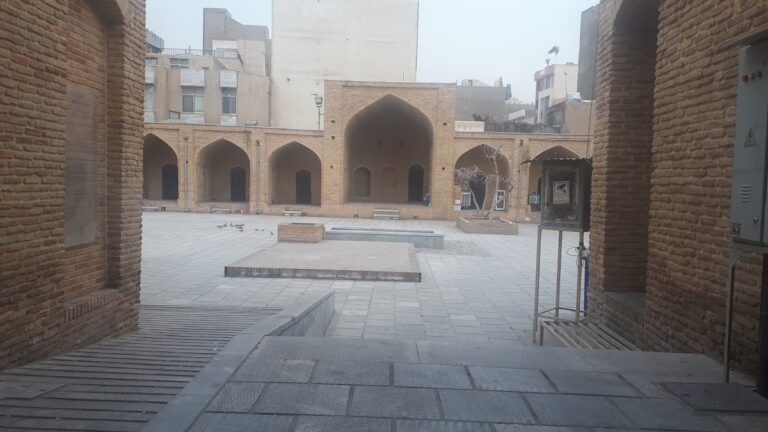
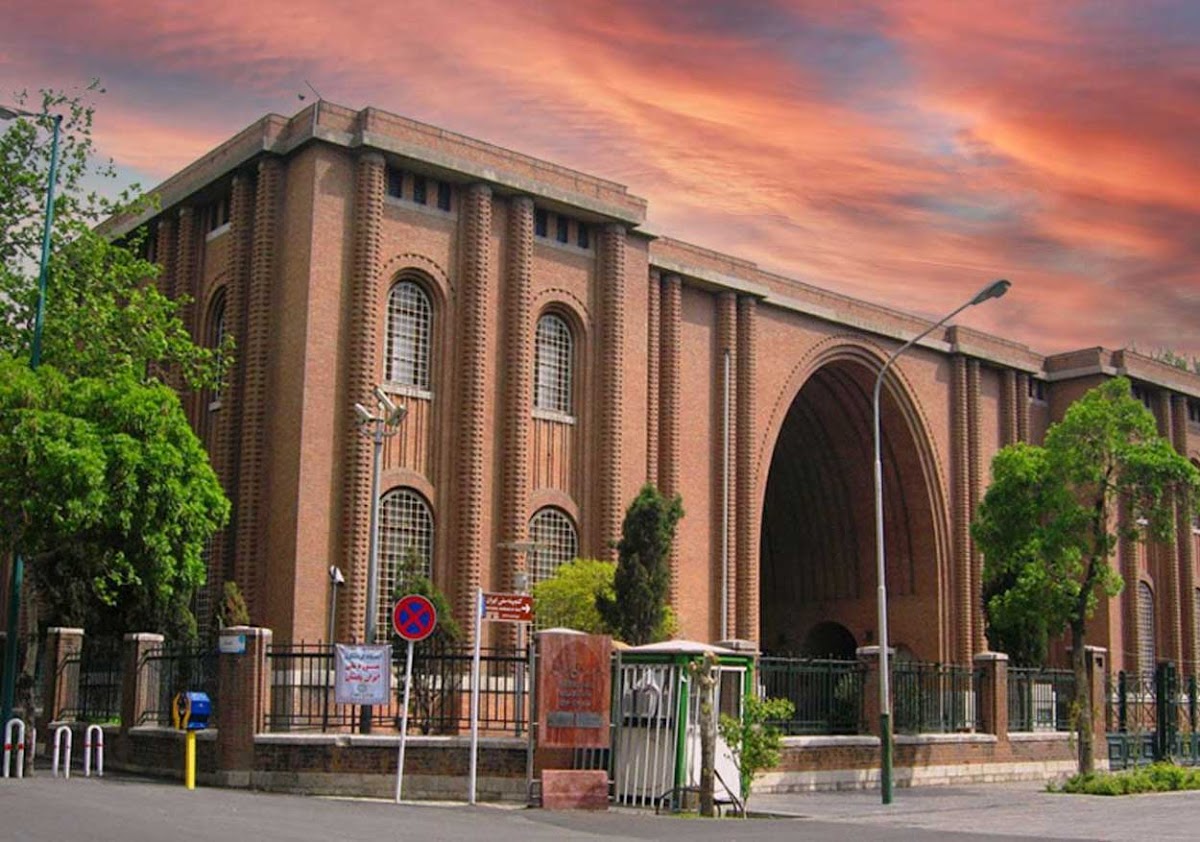
The National Museum of Iran in Tehran, Iran, is a national institution for preserving, researching, and displaying Iranian history and antiquities. Established in 1937, it is one of the oldest archaeological museums in West Asia, and its original building was influenced by Sassanian vault architecture.
From antiquities department to national museum
The idea of a museum and an antiquities department was proposed by Morteza Gholi Khan Hedayat in 1906. The plan took shape in 1916, when a museum room was established within the Ministry of Education on the north side of the Dar al-Fonun school building. Its first collection contained 270 objects, including pottery, glass, coins, old weapons, seals, wooden objects, patches, books, and textiles. The Antiquities Department collected some of these materials, while local residents donated others. In 1925, the collection was moved to Masoudieh Mansion.
European archaeological excavations also influenced the development of Iranian heritage policy. Jacques de Morgan’s French-led excavations at Susa, which began in 1897, contributed to greater recognition in Iran of the importance of archaeological remains. In 1927, French archaeologists lost their unrestricted excavation privilege in Iran and were permitted to continue excavating only at Susa. After Iran decided to establish a national museum and library, France received the commission to design and implement the project. The French architect and archaeologist André Godard came to Iran in 1929 to begin the work.
Construction and institutional development
Construction of the Museum of Ancient Iran began in 1935. Designed by André Godard and Maxime Siroux, the building was completed within two years by Abbas Ali Memar and Morad Tabrizi. It was officially inaugurated in 1937. Its design drew particularly on Sassanian vault architecture, including the form of Taq Kasra, the great vaulted audience hall at Ctesiphon. The Sassanian, or Sasanian, Empire ruled Iran from AD 224 to 651.
The institution later expanded through the creation of the Museum of the Islamic Era. Built in white travertine on the grounds of the Museum of Ancient Iran, it has three floors and was undergoing remodeling when the Iranian Revolution took place. Together, the two museums extend the institution’s coverage from prehistoric and ancient archaeology to the material culture of Iran’s post-classical periods, including the Ilkhanid, Seljuk, Timurid, Safavid, and Qajar eras.
Collections, loans, and recovered antiquities
The Museum of the Islamic Era contains more than 1,500 works from the Ilkhanid, Seljuk, Timurid, Safavid, Qajar, and other periods. The National Museum of Iran as a whole holds more than 3 million artifacts, with approximately 300,000 displayed. Its exhibitions and collections have made the museum a major center for Iranian historical preservation and archaeological research.
Objects connected with Iranian history have also returned to the museum through international loans and repatriation. In 2010, an agreement with the British Museum brought the Cyrus Cylinder to Tehran for a four-month exhibition in exchange for Iranian artifacts loaned to the British Museum. The inscribed clay cylinder, traditionally associated with Cyrus the Great and the Achaemenid Empire, was displayed from September 2010 and attracted approximately 500,000 visitors before the exhibition closed in January 2011.
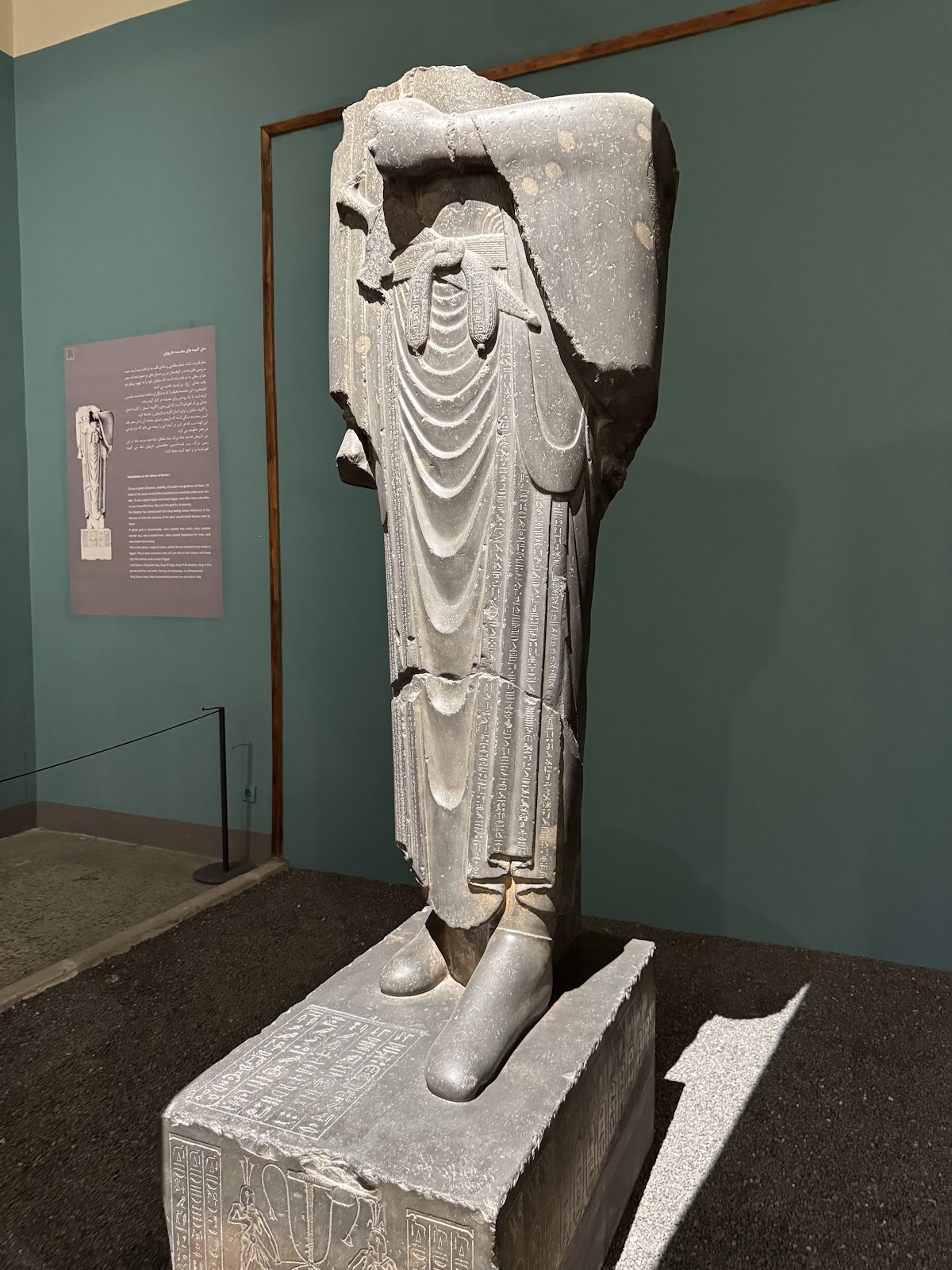
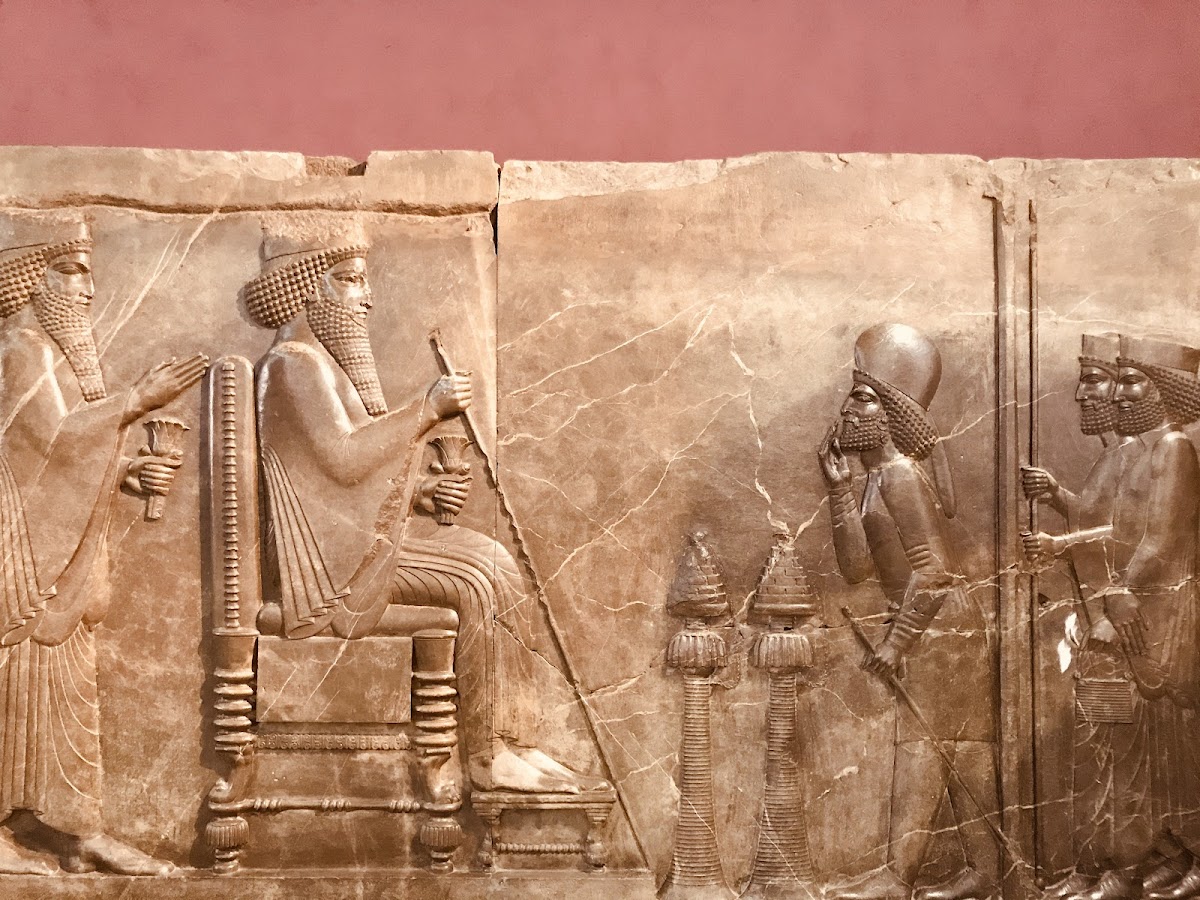
Approximately 4,000 Achaemenid tablets discovered at Persepolis were loaned to the University of Chicago for a three-year study in the 1930s. They returned to Iran after about 85 years. The tablets illuminate road and resource management, social relations, basic necessities, wages, and the economy of Achaemenid society during the reign of Darius the Great, who ruled from 522 to 486 BC.
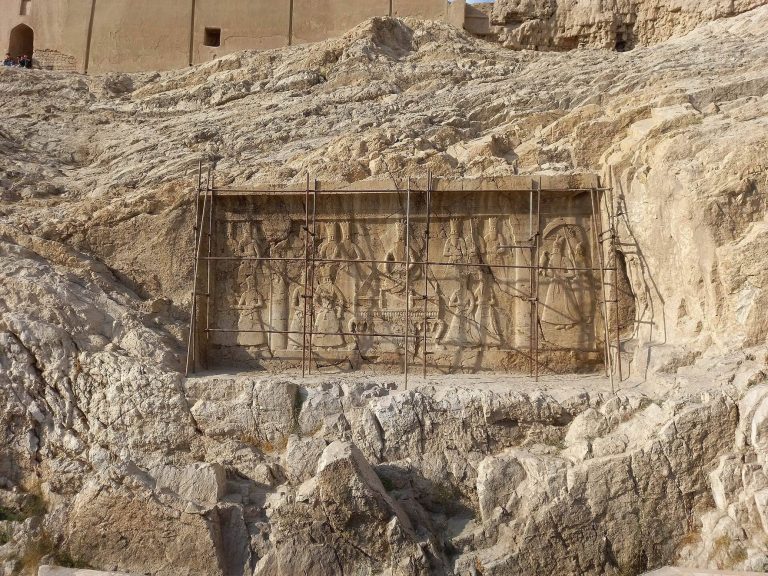
A Sassanid relief dated to AD 224–651 was illegally smuggled to the United Arab Emirates during the 1980s. It remained there until 2006, was seized at Stansted Airport in the United Kingdom in 2016, and was briefly displayed by the British Museum with Iranian permission. The relief returned to Iran on 28 June 2023 and was subsequently exhibited at the National Museum of Iran, where it is now permanently displayed.
Exhibitions in Iran and abroad
To mark its eightieth anniversary in 2018, the museum hosted 50 masterpieces from the Louvre and the Musée national Eugène Delacroix. More than 250,000 visitors attended the exhibition. The National Museum of Iran has also organized exhibitions in Spain, Germany, the Netherlands, and China.
Its international exhibitions have included the statue of Penelope, one of four surviving versions of the figure. After the statue appeared with the other three versions at the Prada Foundation in Milan in 2016, all four were displayed together at the National Museum of Iran.
Remains
The National Museum of Iran is organized around two principal buildings. The Museum of Ancient Iran is a two-storey brick structure of approximately 11,000 square metres, while the later Museum of the Islamic Era is a three-storey white-travertine building set on the grounds of the older museum. Their collections combine archaeological remains, historical objects, artworks, textiles, and written materials from Iran’s prehistoric, ancient, and post-classical periods.
Museum buildings
Museum of Ancient Iran
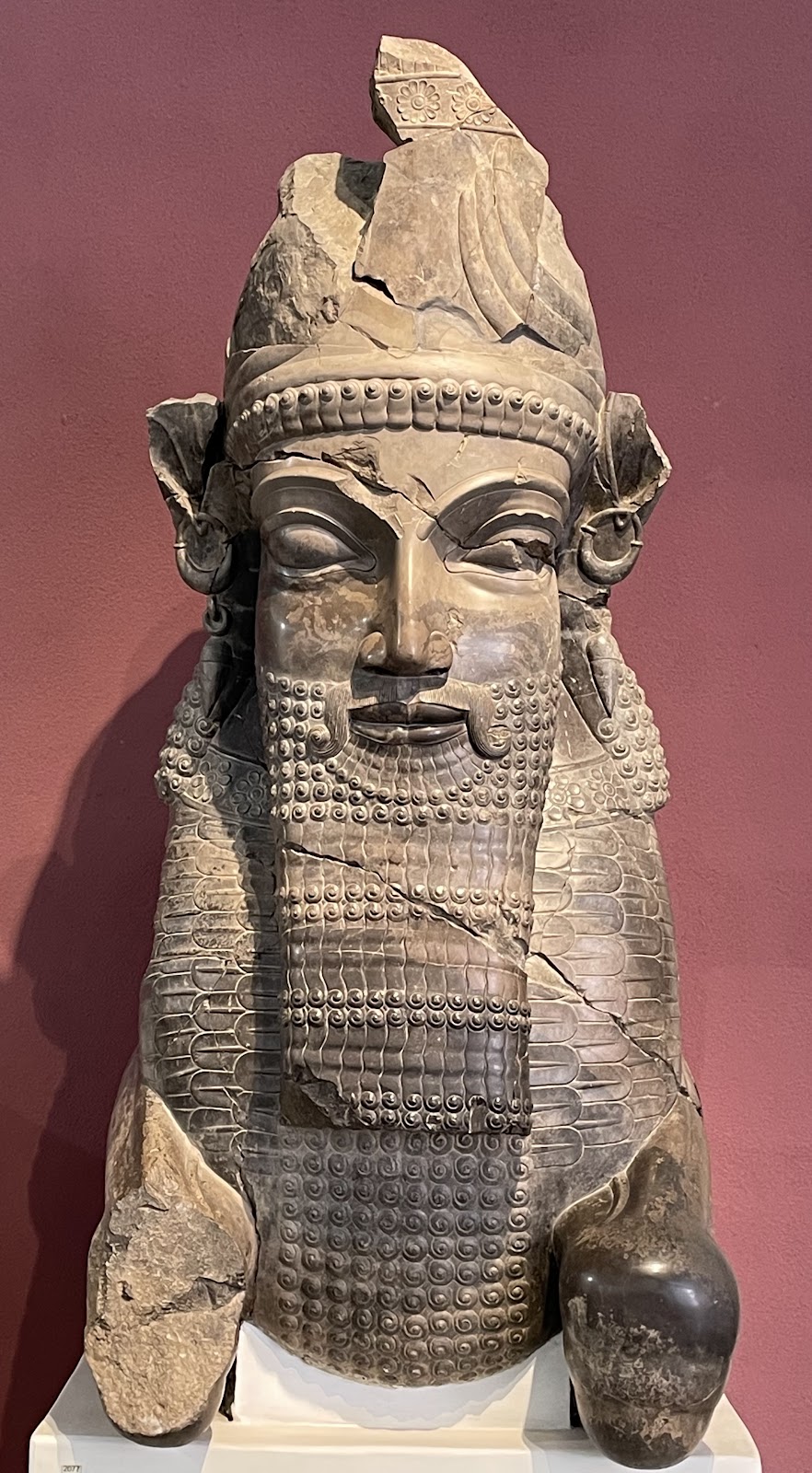
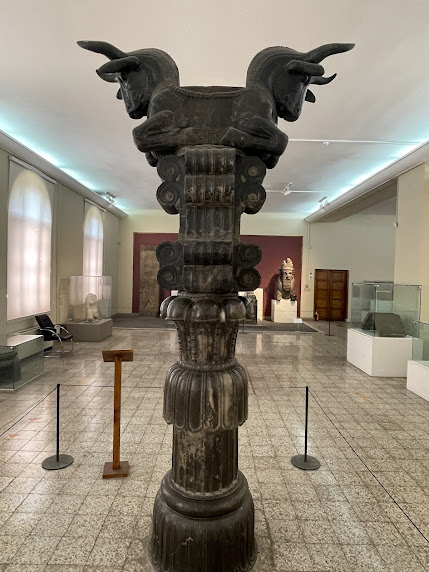
The Museum of Ancient Iran presents material from the Lower, Middle, and Upper Paleolithic, the Neolithic, the Chalcolithic, the early and late Bronze Age, Iron Ages I–III, and the Elamite, Median, Achaemenid, Seleucid, Parthian, and Sassanian eras. Its brick architecture reflects the influence of Sassanian vault construction, particularly Taq Kasra at Ctesiphon.
The oldest objects in the building come from Kashafrud, Darband, and Shiwatoo and date to the Lower Paleolithic. The first hall includes Mousterian stone tools associated with Neanderthals. Among the important Upper Paleolithic material are tools from Yafteh, dated to approximately 30,000–35,000 years ago. The museum also displays archaeological relics together with rare medieval textiles and carpet fragments.
Museum of the Islamic Era
The Museum of the Islamic Era occupies a later white-travertine building with three floors. Its displays cover Iran’s post-classical material culture through pottery, textiles, texts, artworks, astrolabes, and adobe calligraphy. An astrolabe is a precision instrument historically used for astronomical observation and calculation. The collections include Amlash pottery from prehistoric regions around the Caspian Sea as well as objects associated with the Ilkhanid, Seljuk, Timurid, Safavid, Qajar, and other periods.
Individual objects and archaeological records
Penelope
The museum houses one of the world’s four surviving statues of Homer’s Penelope. It was displayed at the museum after appearing alongside the other three versions in Milan in 2016, linking a distinctive sculptural object to the museum’s wider presentation of ancient cultural material.
Sassanid relief
The returned Sassanid relief is permanently displayed at the National Museum of Iran. Dated to AD 224–651, the period of the Sassanian Empire, it forms part of the museum’s ancient Iranian holdings and represents the material culture of the empire whose architectural traditions influenced the Museum of Ancient Iran.
Achaemenid tablets
The returned Achaemenid tablets are associated with the museum’s collections. Found at Persepolis, they preserve information about the administration of the Achaemenid Empire, including the organization of roads and resources, payments, supplies, social relationships, and economic activity during the reign of Darius the Great.