Mithapukur Bara Mosque: An Early-Nineteenth-Century Mosque in Bangladesh
Site at a Glance
- Rating
- 4.6
- Popularity
- Low
- Country
- Bangladesh
- Primary era
- Modern
- Eras represented
- Modern
- Civilizations
- British
- Site type
- Religious
- Remains
- Mosque
On this page8 sections
History
Mithapukur Bara Mosque is an early-nineteenth-century mosque in Mithapukur, Rangpur District, Bangladesh. It is believed to date from the late Mughal period, the era of Mughal imperial rule in South Asia, whose architectural traditions commonly used domes, arched openings, and ornamental surface treatment.
An inscription names Sheikh Mohammed Asin, the son of Sheikh Sabir and grandson of Sheikh Moazzam, as the mosque’s builder. It records the construction in 1226 AH, an early-nineteenth-century date. Bangladesh’s Department of Archaeology, the national government body responsible for identifying and protecting archaeological heritage, lists the building as an archaeological monument. The mosque remains active.
Remains
Main Mosque
Plan and domes
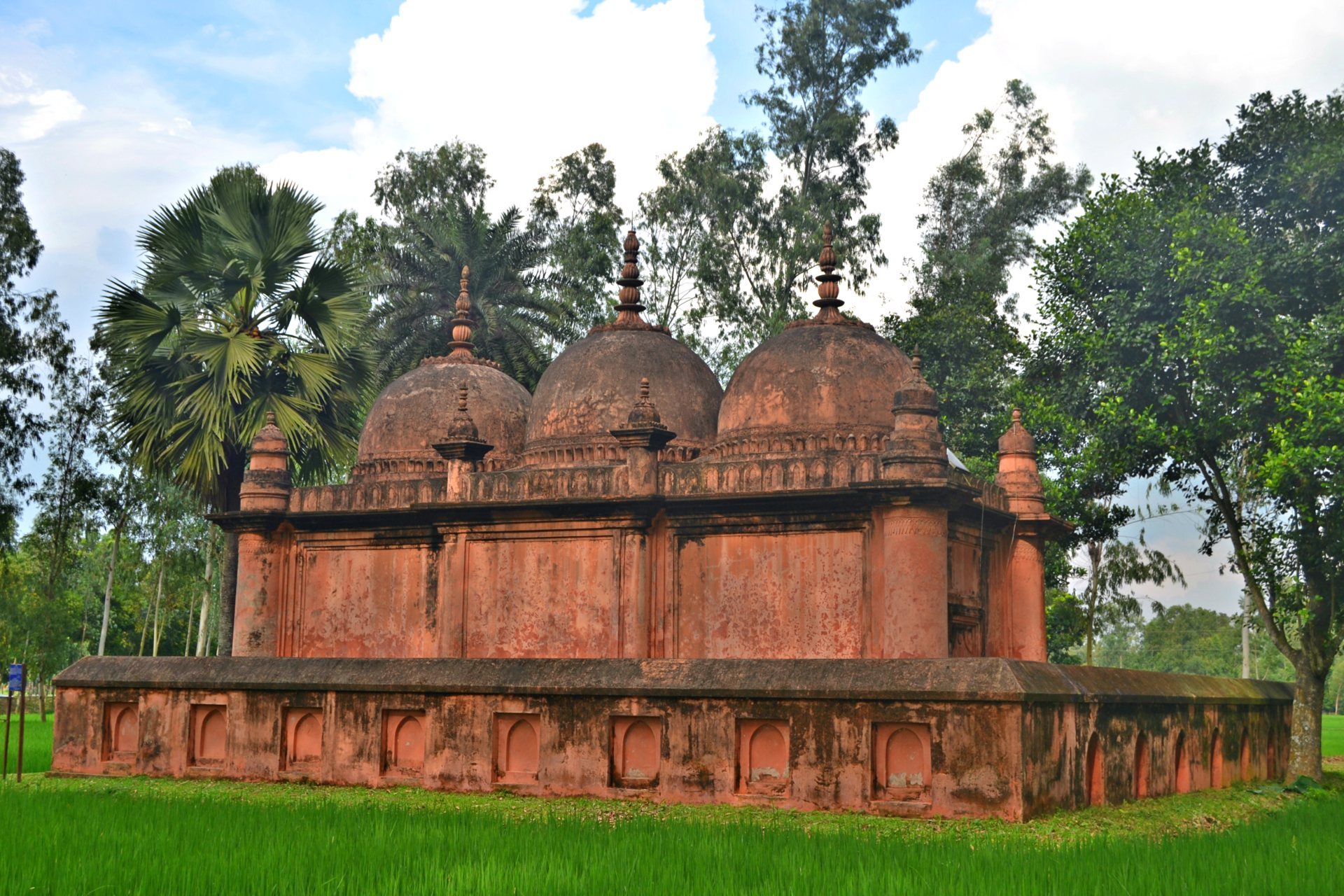
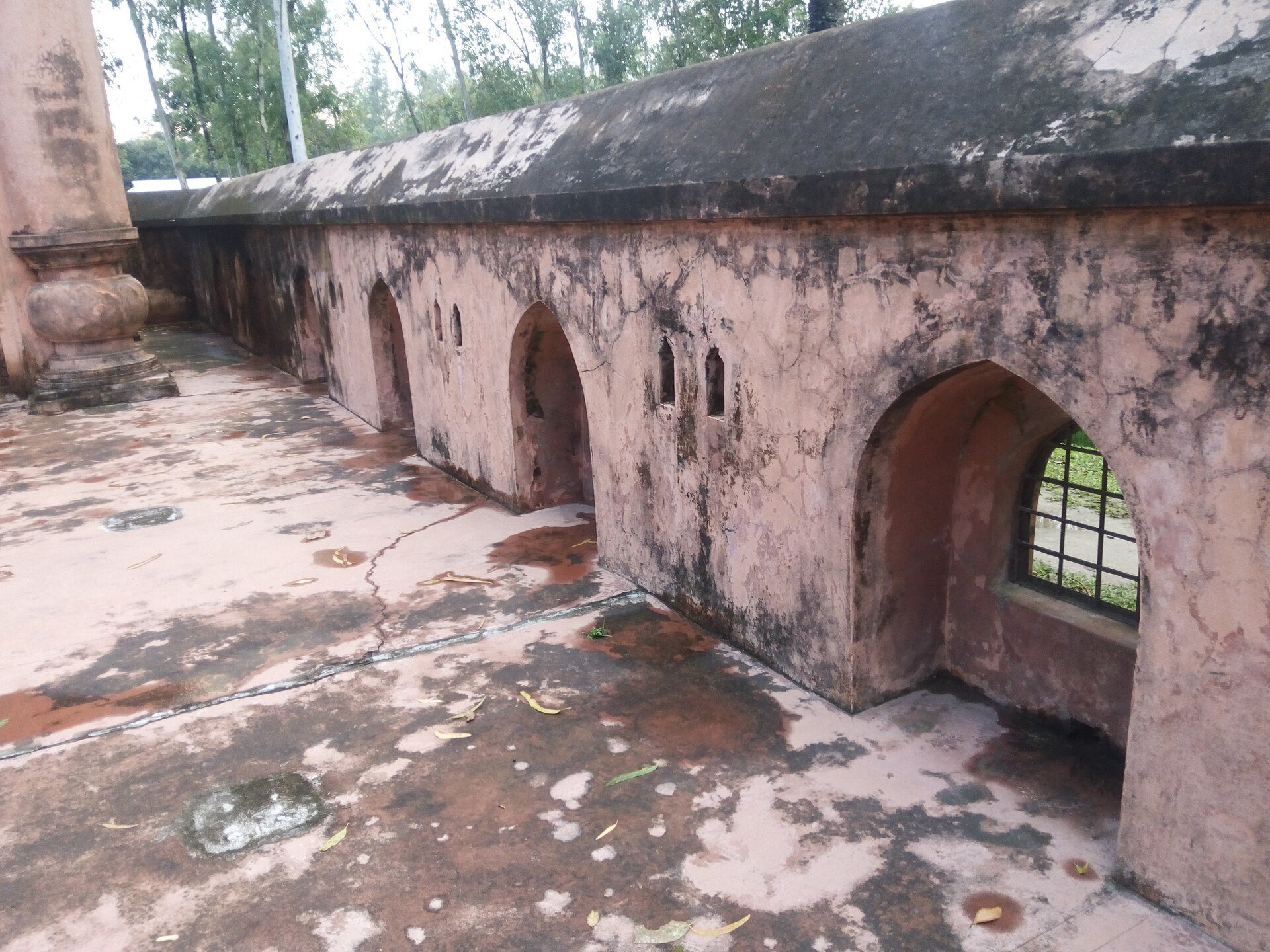
The mosque has a rectangular plan measuring approximately 10.66 metres and is covered by three domes. Two lateral arches divide the interior into three sections, with each section surmounted by a hemispherical dome. Four octagonal corner towers rise above the roofline and end in small domed cupolas.
Entrances and prayer wall
Three entrances open through the eastern wall, while the northern and southern walls each contain one, making five entrances in total. The western interior wall has three mihrabs, niches that indicate the direction of Mecca for prayer.
Courtyard and Setting
Enclosed courtyard and gateway
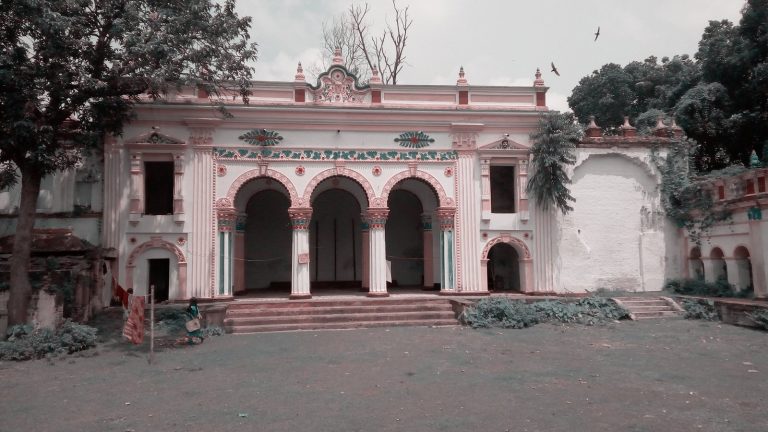
An enclosed courtyard stands in front of the mosque. At the centre of its eastern side is an entrance gateway built in the regional do-chala form, a Bengali design with two sloping roof sections meeting along a ridge.
Facade decoration and reservoir
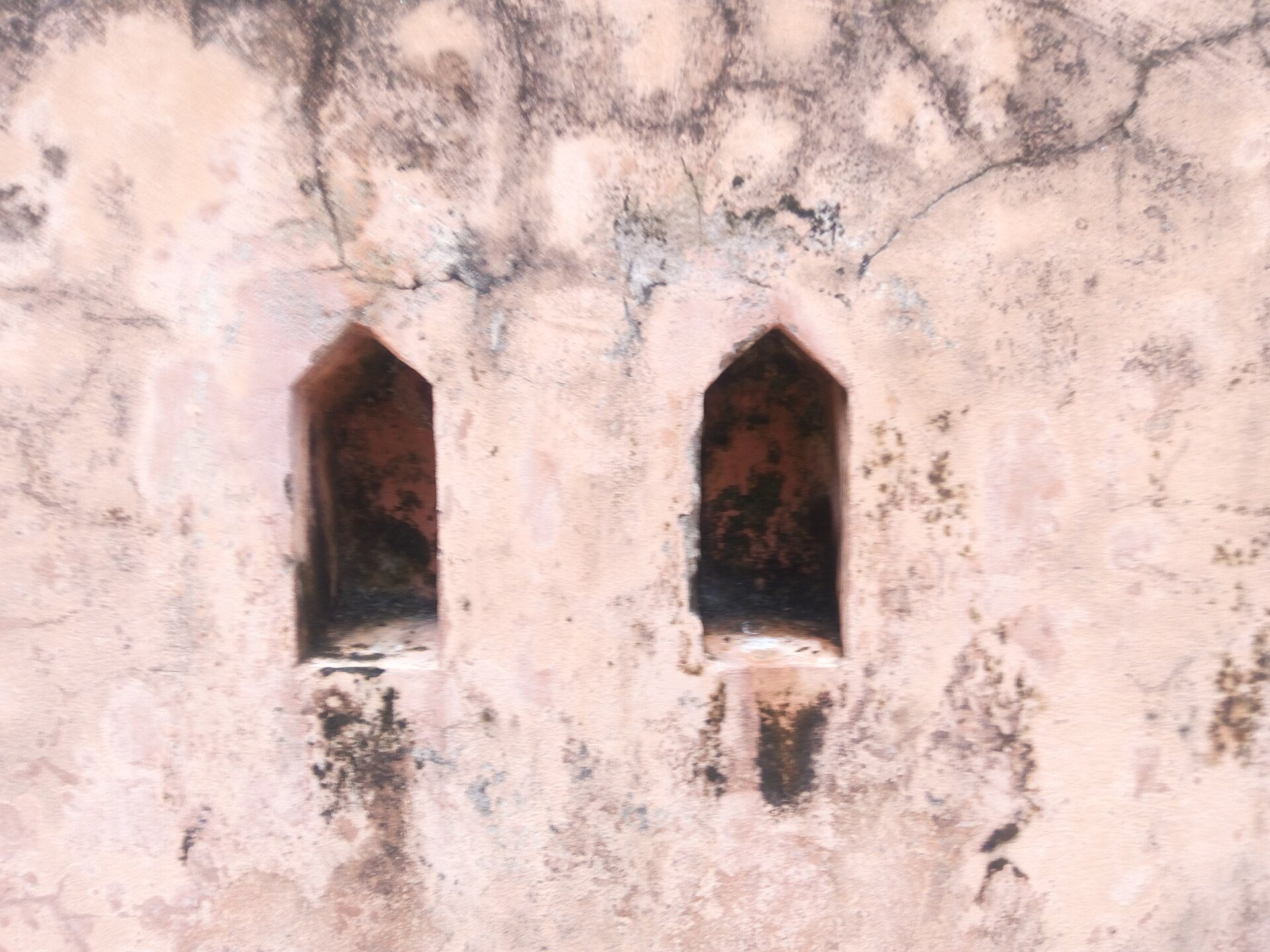
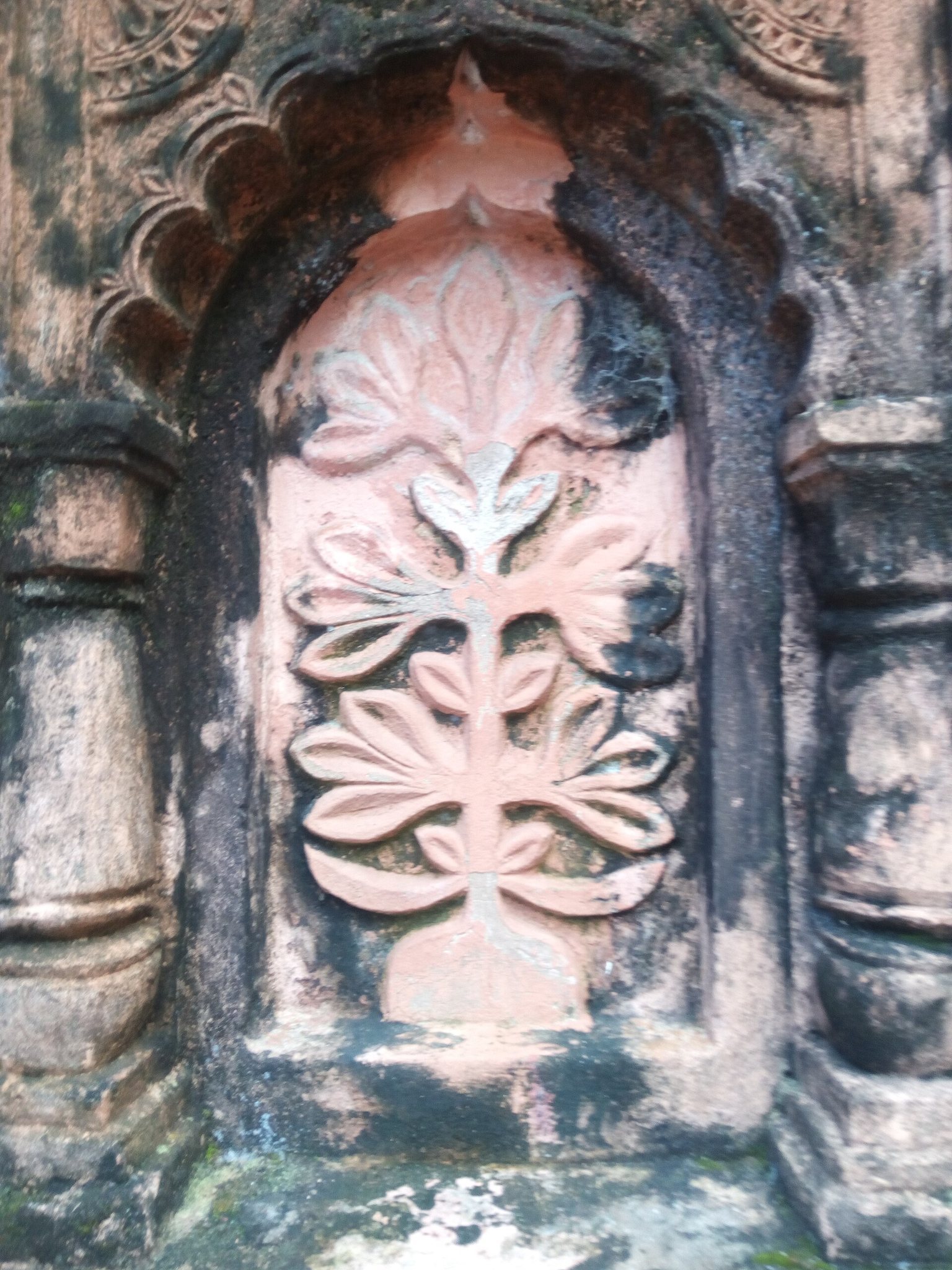
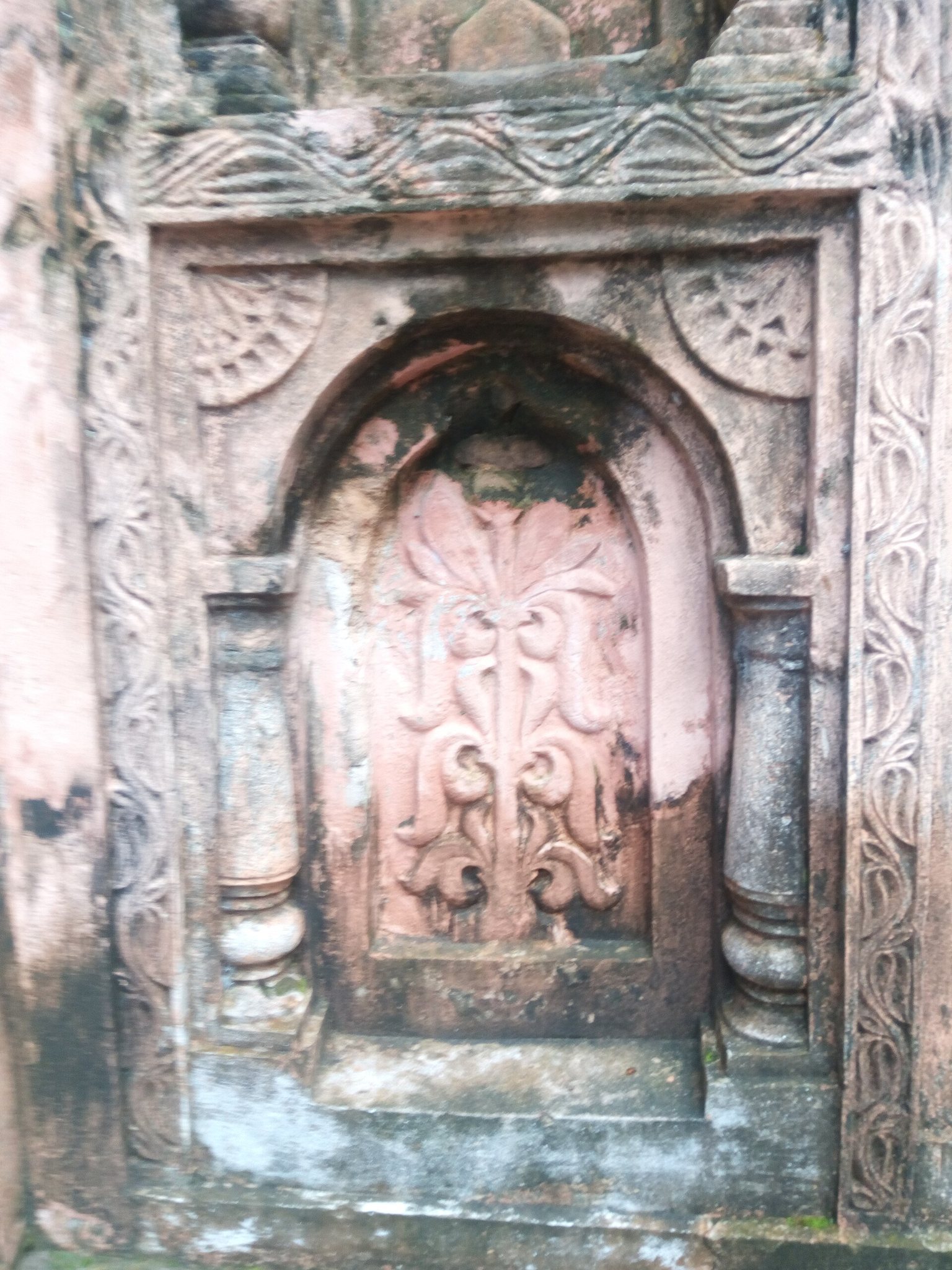
Panels on the facade, parapet walls, dome drums, and the three mihrabs carry vine-and-leaf forms, floral and geometric patterns, and motifs resembling raised snake hoods. Terracotta work also decorates the mosque’s exterior walls.
A water reservoir of approximately 25 acres lies west of the paved road near the mosque. Called Mithapukur, it is described as dating from the pre-Muslim period and gives its name to the locality.