Huaca Melgarejo: A Lima Culture Ceremonial and Administrative Complex in Peru
Site at a Glance
- Rating
- 4
- Popularity
- Low
- Country
- Peru
- Primary era
- Classical
- Eras represented
- Classical, Medieval
- Civilizations
- Unclassified
- Site type
- Religious
- Remains
- Temple
On this page7 sections
History
Huaca Melgarejo is an Indigenous Andean sacred and culturally important archaeological complex in La Molina District, Lima, Peru, established by the Lima culture between approximately AD 100 and 650 during the First Regional Development. It began as a temple and served as a ceremonial and administrative center for the surrounding locality.
Lima culture and later abandonment
The site was positioned beside the Ate–La Molina aqueduct and formed part of the Lima culture’s regional landscape. Archaeological and historical evidence indicates that it was abandoned for a period before the Wari Empire emerged around AD 600. The Wari were a major Andean state of the Middle Horizon.
Ichma and Inca periods
Huaca Melgarejo was later occupied again, principally as a cemetery. During the Second Regional Development, the Ichma expanded the complex from approximately AD 1100 until about 1469, when the Ichma were incorporated into the Inca Empire. During the imperial period, the site was reportedly used as a place where workers could live, rest, and interact.
Hacienda history and archaeological recovery
The name Huaca Melgarejo comes from the former Melgarejo hacienda, a large agricultural estate whose historical perimeter included the site. During the Battle of Rinconada in 1881, Chilean residents occupied the hacienda. The battle formed part of the War of the Pacific, the nineteenth-century conflict between Peru, Bolivia, and Chile, and lasted approximately five hours during a Chilean attempt to capture Lima from the direction of Lurín. Peruvian forces eventually withdrew.
Earth, stones, and other debris later concealed the huaca, which was recognized archaeologically only in the modern period. In 1996, the Municipality of La Molina and the Andrés Avelino Cáceres association agreed to promote public interest in the complex and maintain it. Initial archaeological investigations were conducted by Rocío Aramburú and Marco Machacuay. Municipal investigations later identified a colonial residence at the highest point of the site, apparently associated with an important hacienda. Maintenance and recovery continued into the twenty-first century, and the site was inaugurated in 2002.
Remains
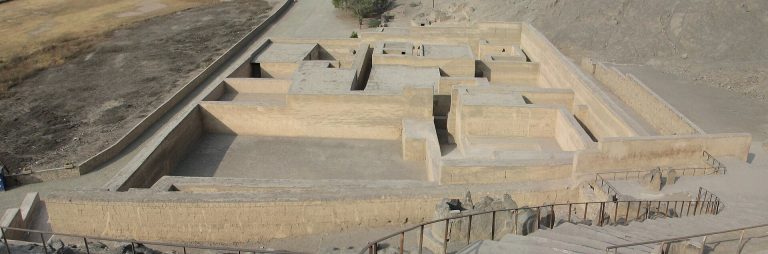
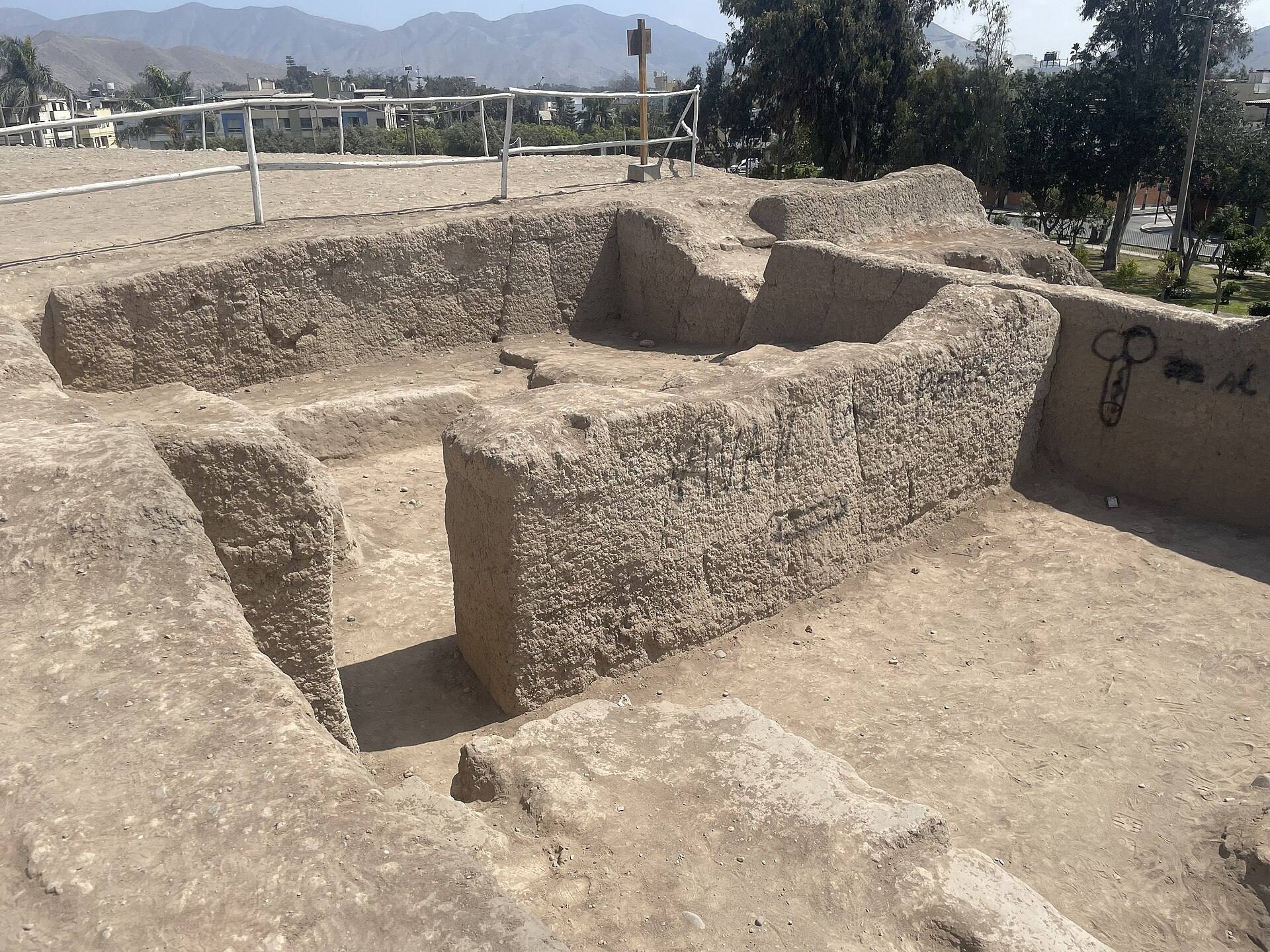
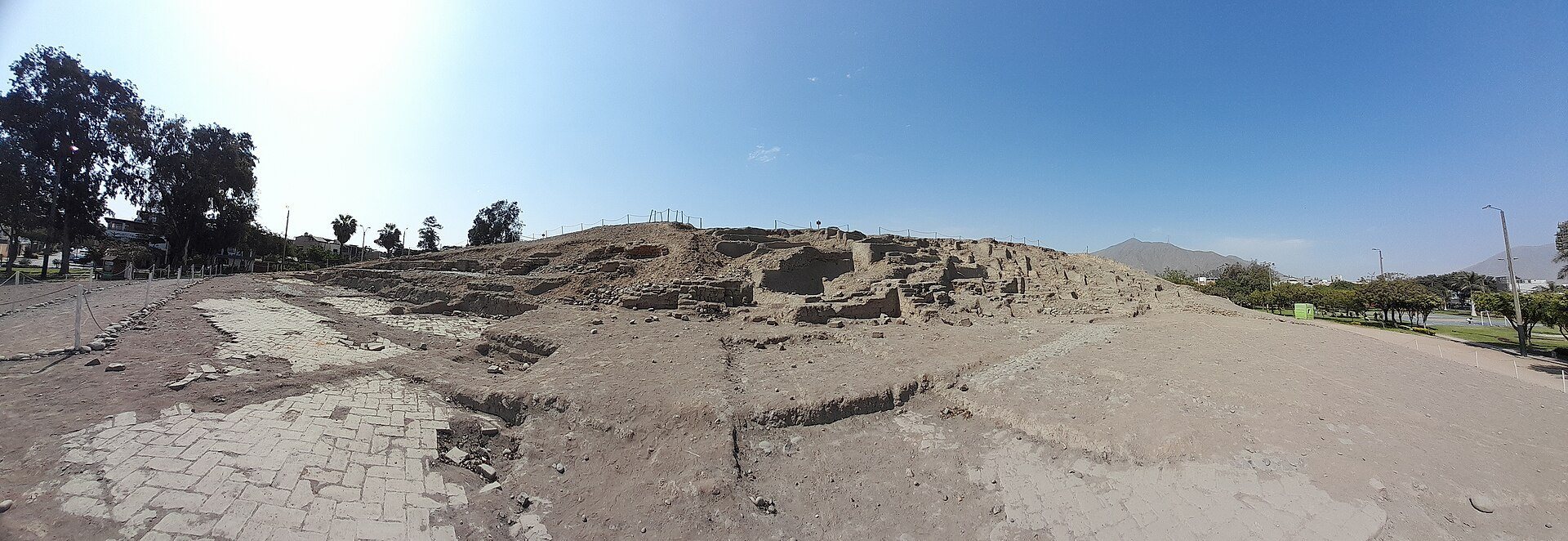
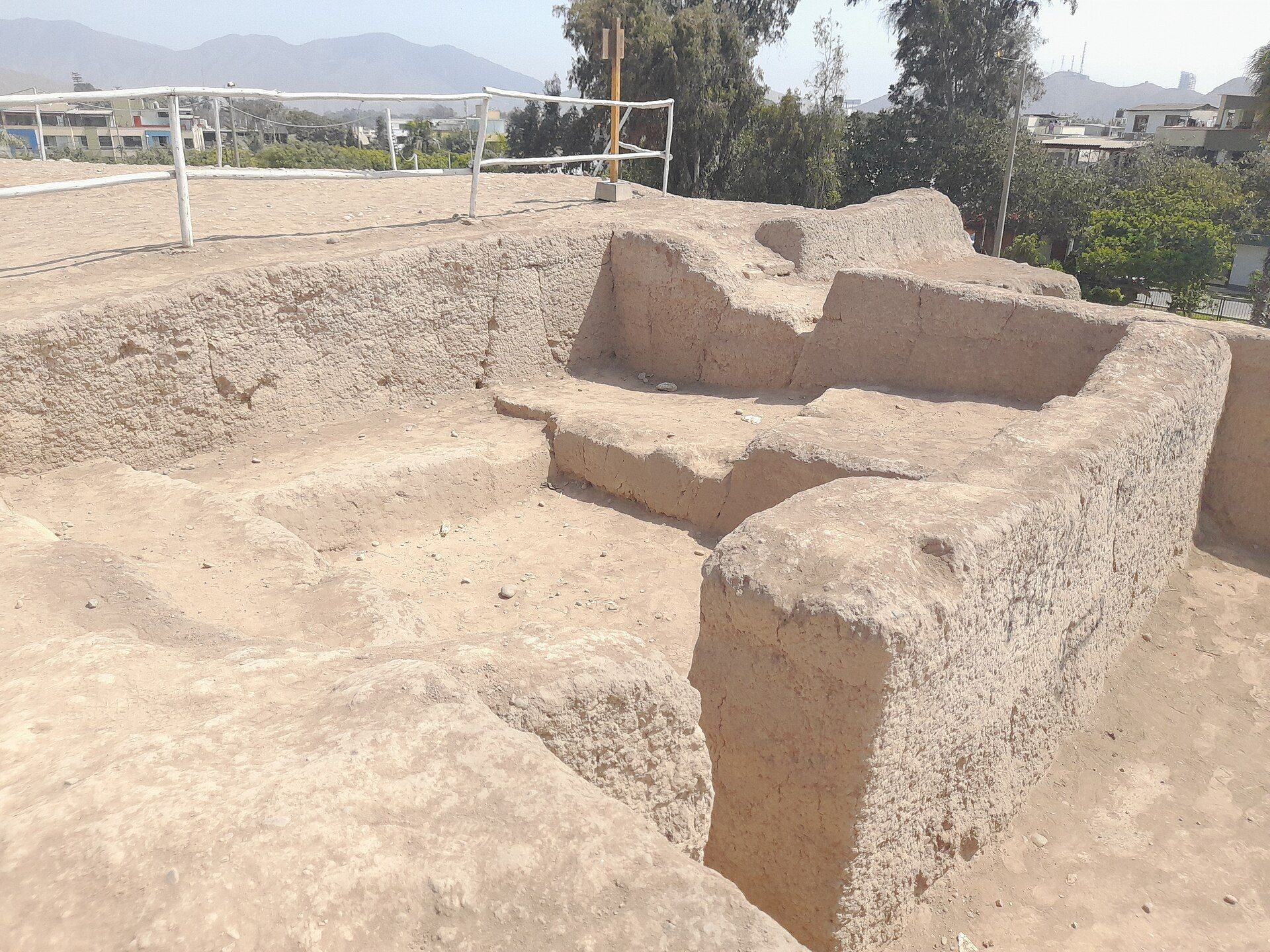
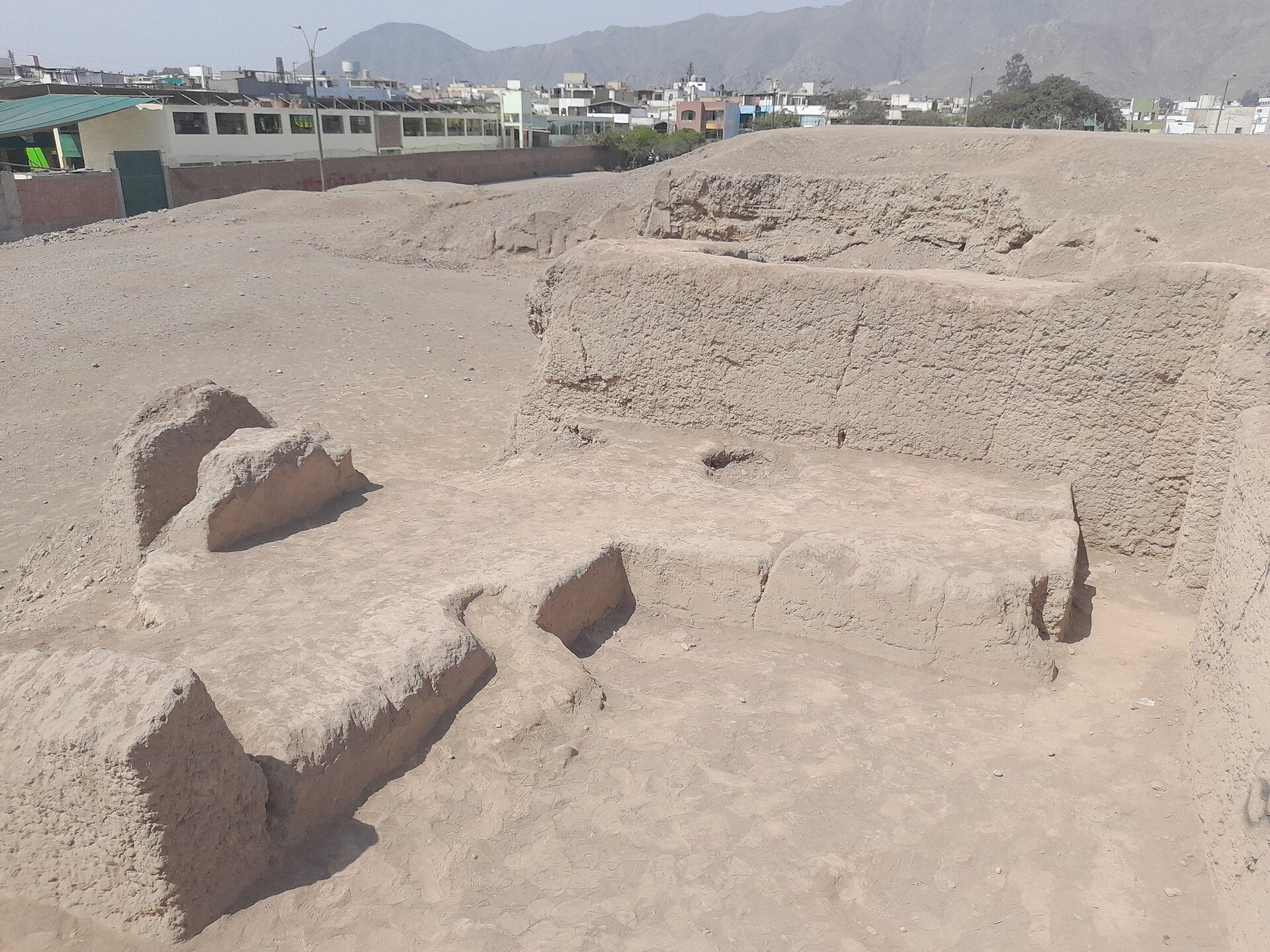
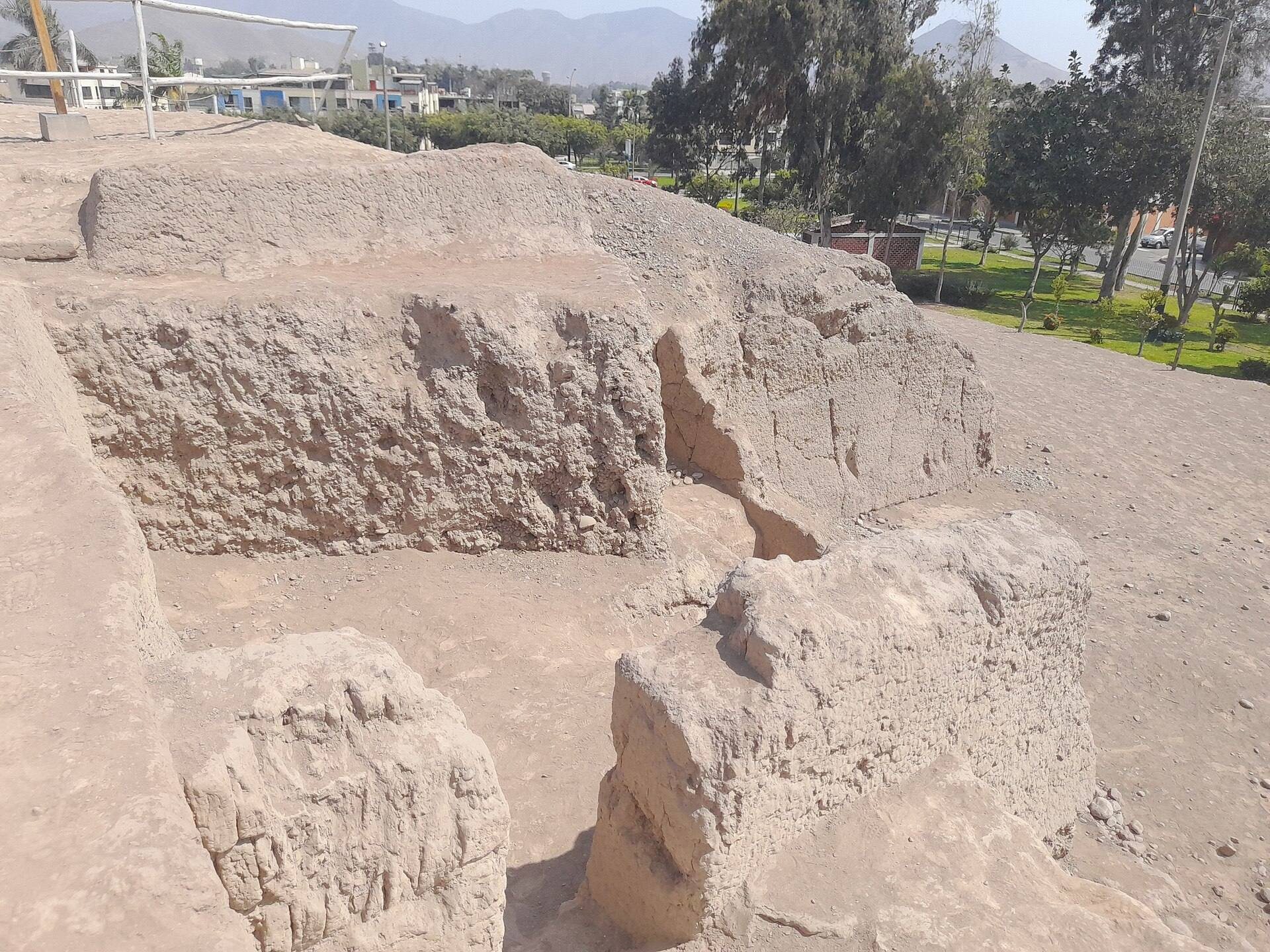
Huaca Melgarejo survives as the heavily eroded remains of a broad stepped platform constructed through successive transformations and reorganizations. Its builders used small adobe blocks, which are sun-dried earthen units, together with fill and rammed-earth walls. Rammed earth is made by compacting damp earth within a form. The complex included large control walls, fill deposits, small enclosures, stairways, ramps, and benches.
Platform and ceremonial complex
The principal structure was a temple that also served ceremonial and administrative purposes. Its position beside the Ate–La Molina aqueduct formed part of the site’s physical setting. The surviving platform preserves the effects of repeated alterations, while the internal arrangement of walls, enclosures, stairs, ramps, and benches shows how its components were reorganized over time. The walls were originally painted.
Upper rooms and sealed spaces
At the highest part of the building was a group of short passageways and rooms with rectangular floors. Traces of posts and benches in some rooms suggest that they were roofed. Access was restricted, with communication between the rooms limited to a few passages. The floors were clean, a feature associated with this type of construction.
The rooms were carefully sealed with stones, earth, and fill. This sealing was connected with funerary ceremonies involving structures that had fallen out of use or whose number had increased. These treatments form part of the evidence for the complex’s later ritual use as a cemetery.