Ancient Greek Sites: Explore Temples, Cities and Royal Tombs
Explore more than 200 ancient Greek and Hellenistic sites, including columned temples, planned cities, council houses, fortresses and painted royal tombs. The collection follows Greek communities and the Macedonian and Hellenistic kingdoms from the Mediterranean into Egypt, western Asia and South Asia. The examples distinguish their foundations and surviving structures from Roman and later additions.
Primary Function: All
Type: All
Civilization: All
Country: All
Popularity: All
Rating: All
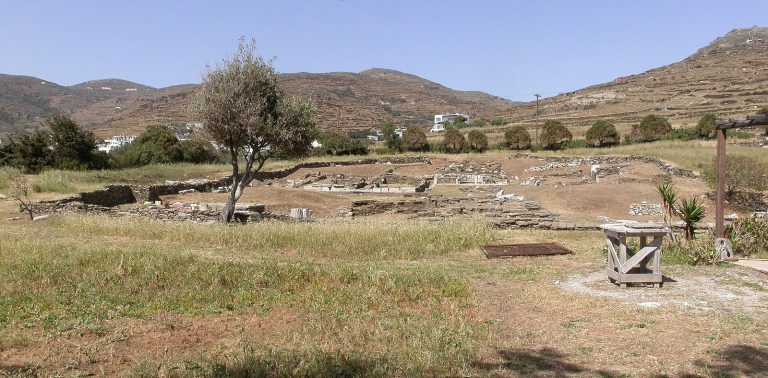
The Archaeological Site Kionia Tinos preserves the remains of an ancient Greek sanctuary devoted to Poseidon and Amphitrite, a major religious and…
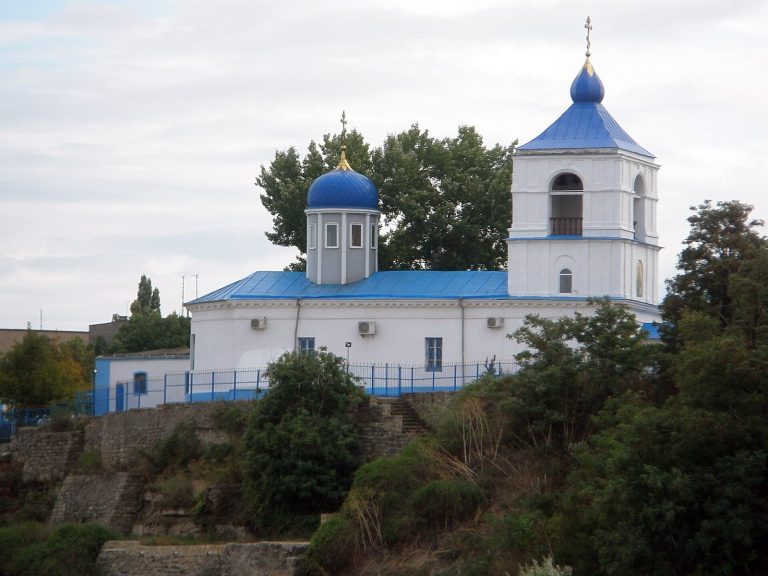
The Church of St. John the Baptist, also known as the Greek Church, is a medieval religious monument in Bilhorod-Dnistrovskyi, Ukraine, with links to…
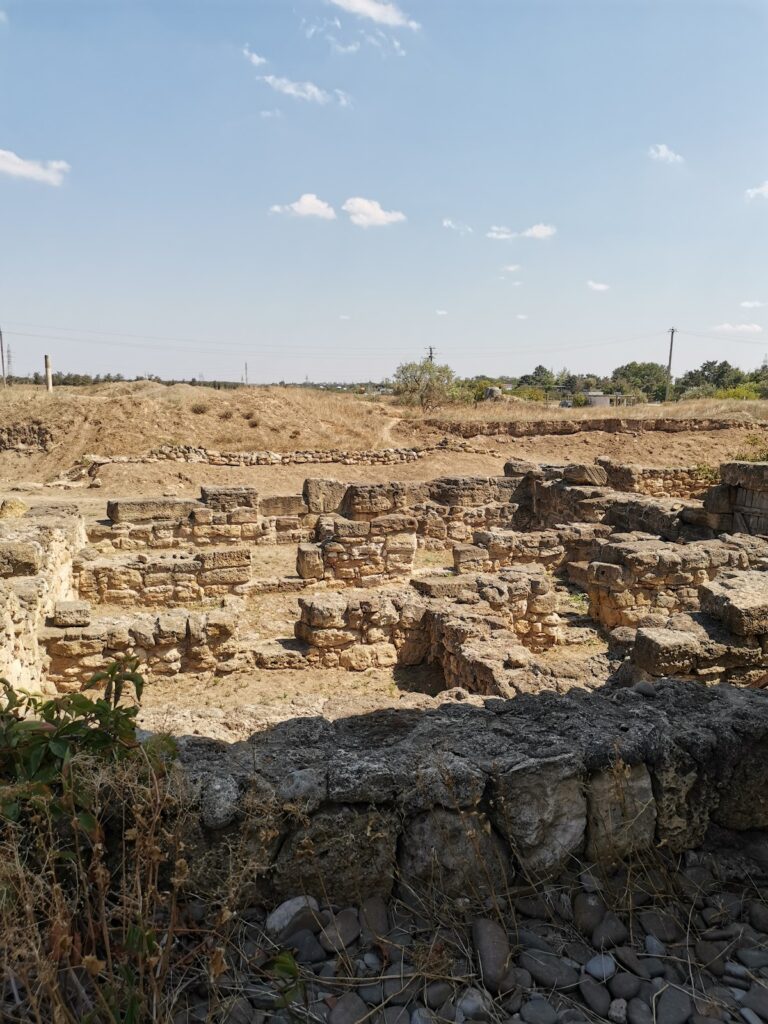
Kara-Tobe Castle was a Greco-Scythian settlement near Saky, occupied from the fourth century BCE to the beginning of the second century CE. Its…
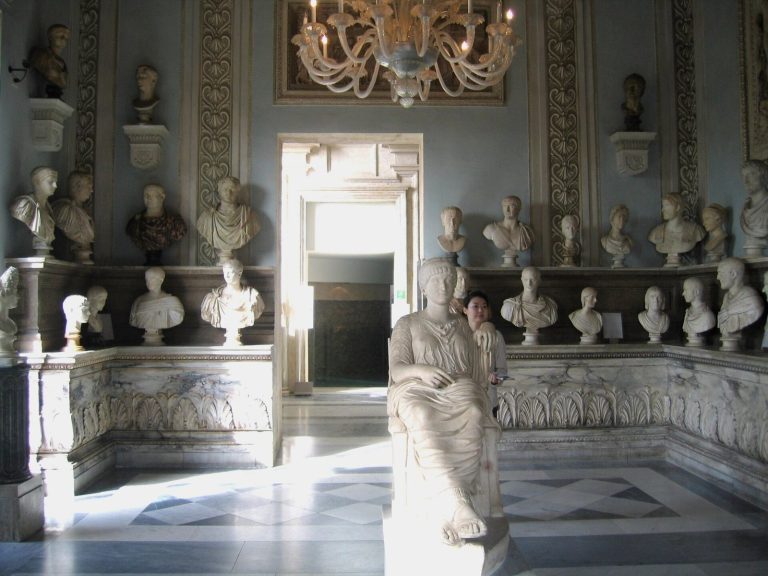
Palazzo Nuovo forms one side of Piazza del Campidoglio and houses part of the Capitoline Museums, whose public antiquities collection developed there…
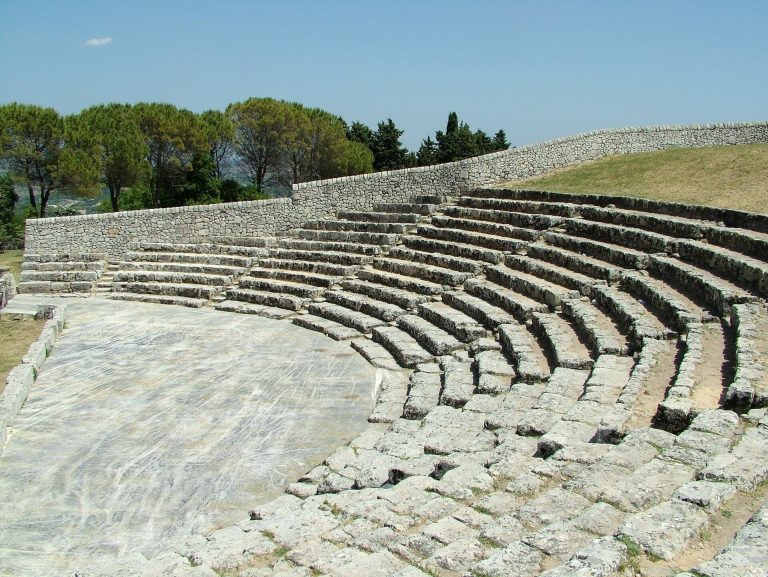
Akrai Archaeological Park preserves the remains of a Greek colony founded by Syracuse in 663 BC, later incorporated into the Roman province and…
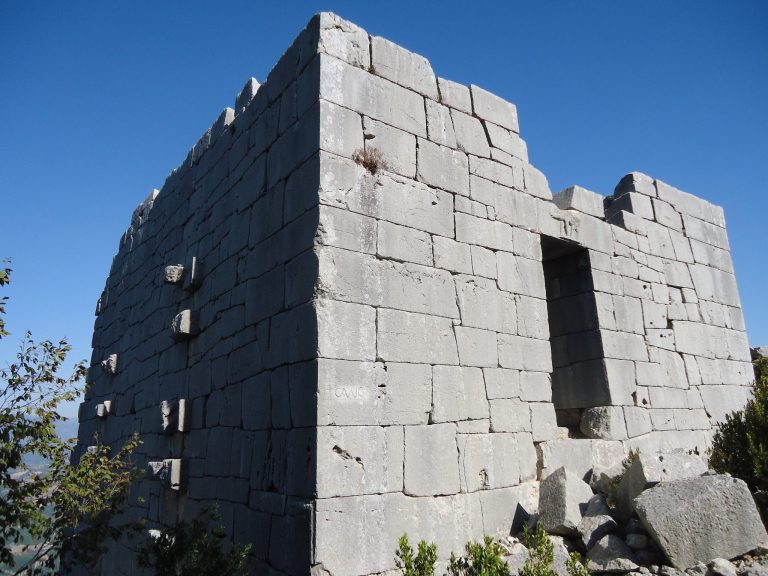
Karasis Fortress is a high-Hellenistic complex on Mount Karasis near Kozan, Turkey. Built around 200 BC by the Seleucids, it combined a palace-like…
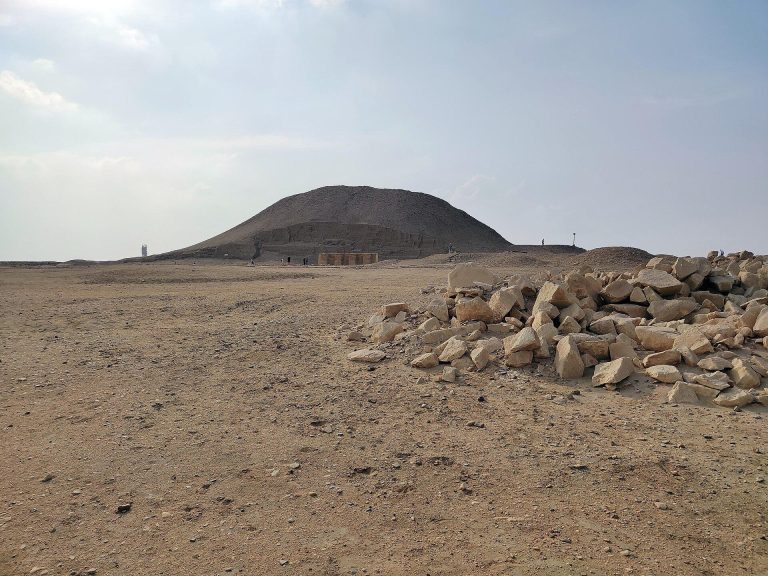
The Pyramid of Senusret III at Dahshur was a major Middle Kingdom royal complex with a mudbrick pyramid, subsidiary tombs, temples, a processional…
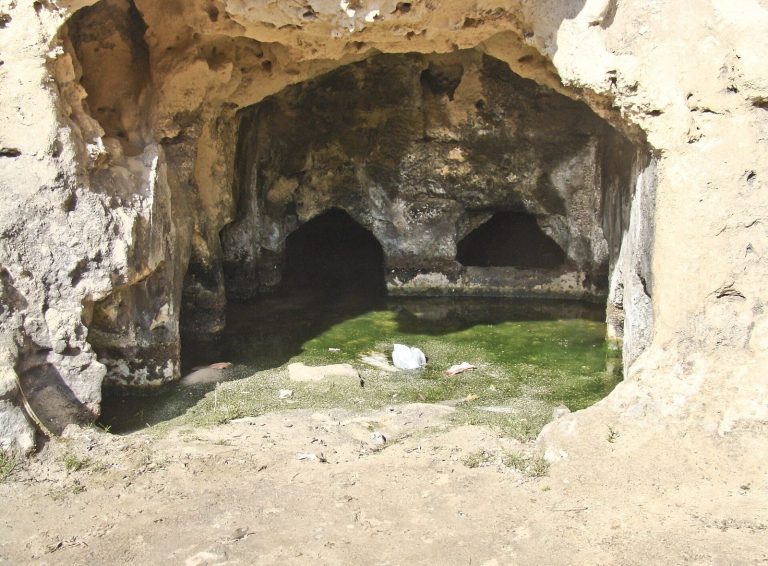
Shatby Necropolis is one of Alexandria’s oldest burial complexes, preserving underground tombs, Greek and Jewish inscriptions, sarcophagi, cremation…
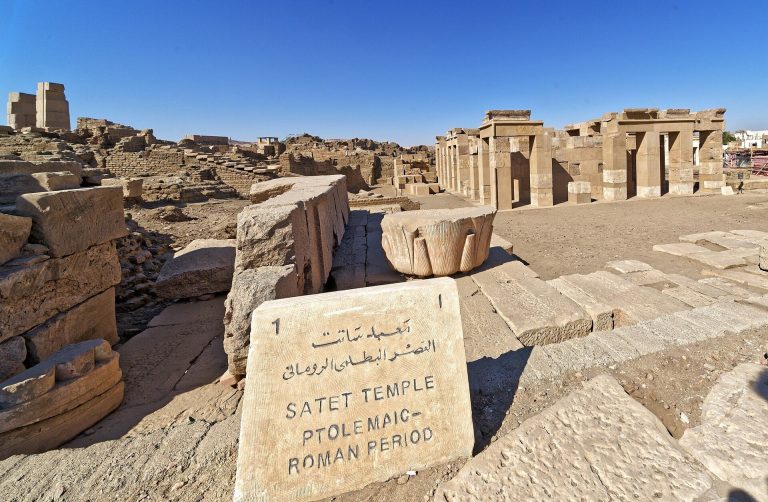
The Temple of Satet on Elephantine Island was dedicated to the goddess associated with the annual Nile inundation. Founded around 3200 BC, it was…
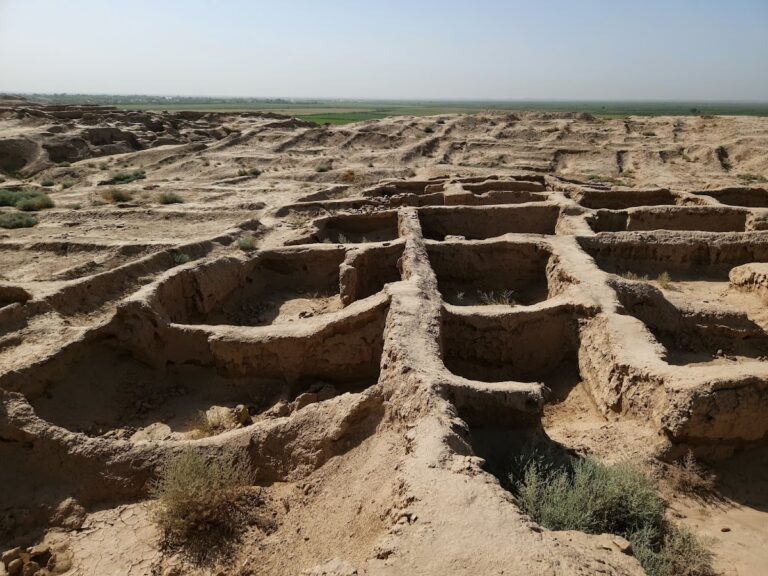
Alexandria Oxiana, identified with the archaeological site of Ai-Khanoum, was a major Hellenistic foundation in ancient Bactria. Its palaces,…
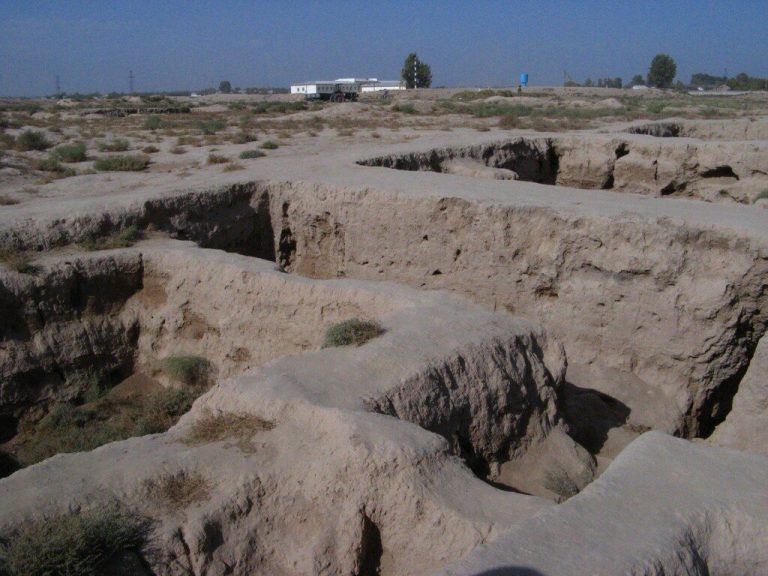
Dalverzin Tepe preserves the remains of a fortified settlement founded in the 3rd century BC, later expanded under the Kushan Empire and abandoned…
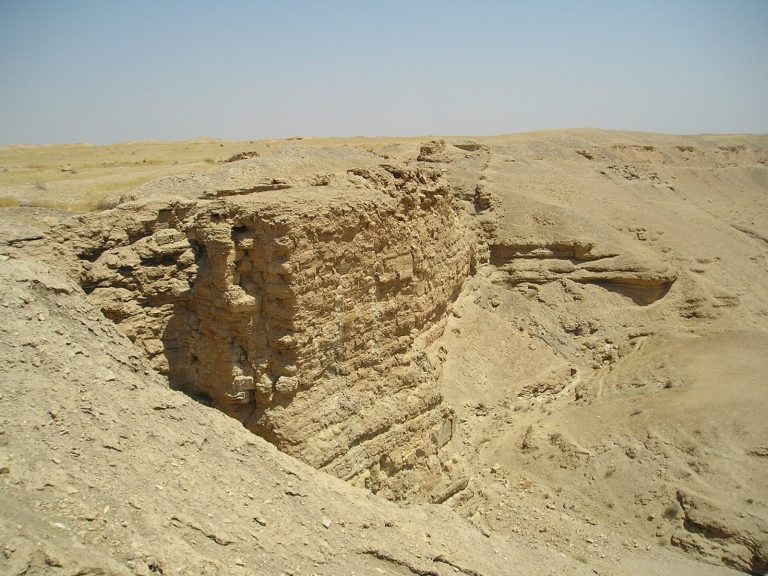
Dura Europos in Syria was founded around 300 BC as a Seleucid fortress and later became a multicultural Parthian administrative center and Roman…
For details on how to use the maps, which sites are included, how popularity and ratings are determined, and how sites are classified, see the help page.
On this page6 sections
Columned temples and sacred precincts
At Paestum in southern Italy, three large Greek temples preserve their external colonnades. The earliest Temple of Hera has an unusual row of columns along the centre of its interior, dividing the room behind the entrance. The nearby fifth-century BC temple traditionally called Hera II has a more regular Doric arrangement, with heavy columns supporting much of the stone entablature above them. Their surviving structural elements make differences in temple design visible beyond the ground plan.
On the Acropolis at Ancient Athens, the Parthenon, Propylaea and Erechtheion belong to the fifth-century BC rebuilding of the sanctuary. The Parthenon’s Doric exterior differs from the slender Ionic columns of the Erechtheion. The Propylaea formed the ceremonial entrance to the hilltop precinct. Ancient marble and modern conservation work together shape the buildings seen today; reassembled sections should be distinguished from fabric that has remained standing.
The Temple of Hathor at Dendera shows a different form of royal patronage. Its late Ptolemaic temple includes reliefs of Cleopatra VII and Caesarion, while decorated crypts housed sacred equipment and images. Egyptian gods, ritual scenes and temple arrangements continued under the dynasty. The great columned hall belongs to the subsequent Roman period, so the complex also records construction across that political transition.
Council houses and assembly halls
At Miletus, the Hellenistic council house brought civic meetings into an enclosed hall with curved tiers of seating. A colonnaded forecourt and formal entrance stood in front of it. The arrangement used a theatre-like auditorium for political business, on a smaller scale than the city’s large theatre, whose most prominent remains are Roman.
Cities, markets and residential streets
At Empúries on Spain’s coast, the Greek settlement preserves streets, defensive walls and an agora, or public square. A long stoa, a covered colonnade, bordered the square in the second century BC. Houses and other earlier buildings were removed to create this enlarged public centre. The adjacent Roman town has its own plan and monuments; the Greek Neapolis forms a distinct part of the archaeological complex.
Domestic and working spaces are particularly useful at Antigonea in Albania. Streets divide the Hellenistic town into rectangular blocks, with drainage channels beside the roads. Excavated buildings have been interpreted as houses and workshops for activities including metalworking and pottery production. Their stone bases supported upper walls of less durable material, explaining why the street plan survives more completely than the buildings’ original height.
At Sirkap, in Pakistan’s Taxila complex, a principal street and crossing lanes preserve a planned urban layout associated with the city’s Indo-Greek foundation. Houses, shops and religious buildings occupied the blocks along that street.
Much of the exposed masonry belongs to subsequent Saka and Indo-Parthian occupation. The Double-Headed Eagle Stupa, with Corinthian-style pilasters and varied shrine forms, belongs to this later development.
Fortresses, ditches and defensive passages
Castello Eurialo, above Syracuse in Sicily, defended the landward approach to the city. Successive defensive works combined broad rock-cut ditches with towers and passages. Underground routes allowed defenders to move between positions without crossing exposed ground, while the ditches obstructed attackers and their equipment.
The fortress developed through several Greek and Hellenistic building phases. Its surviving rock cuttings make the sequence of obstacles particularly clear, while the later modifications show how the defences were adapted as siege methods changed.
Royal tombs and painted burial chambers
The Royal Tombs at Aigai preserve enclosed Macedonian burial architecture and wall painting. A hunting scene extends across the façade of Tomb II, traditionally associated with Philip II. Another tomb contains the painted abduction of Persephone, with figures and a chariot moving across the chamber wall.
The tombs and their grave goods belong to the funerary part of the wider archaeological complex. Gold burial containers, wreaths and weapons add evidence for royal burial practices, while the painted masonry survives as part of the tomb structures themselves. The identification of individual occupants remains a subject of research.
Explore the collection
Explore sites on the map or in the grid. Map icons reflect each site’s primary function, helping you identify different kinds of places at a glance. Narrow the results by country, primary function, site type or era. Use the Civilization filter to select among the Greek and Hellenistic groups included here, with additional filters for popularity and rating. Select a map marker to view the site’s details and open its article, or open the article from its grid entry.