Historic Sites in Romania: Explore Castles, Citadels and Painted Monasteries
Explore more than 100 historic sites in Romania, including medieval castles, bastioned citadels, royal residences, painted churches and monasteries. Religious buildings form the largest group in the collection. The examples below show defended approaches at Hunedoara and Bran, artillery works at Alba Iulia, decorated rooms at Peleș and surviving paintings in Moldavian and Wallachian churches.
Primary Function: All
Type: All
Civilization: All
Popularity: All
Rating: All
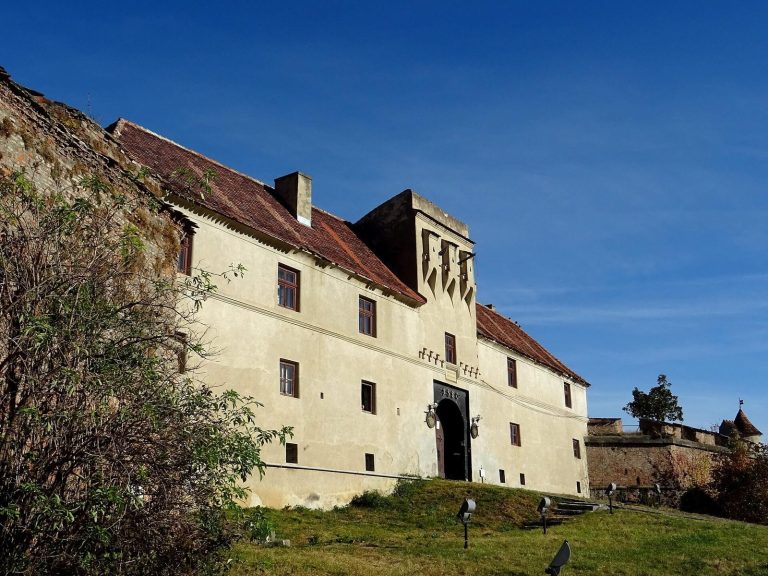
Brașov Fortress protected the city from artillery attacks, developed into a major Habsburg defensive center, and later served as a prison, archive,…
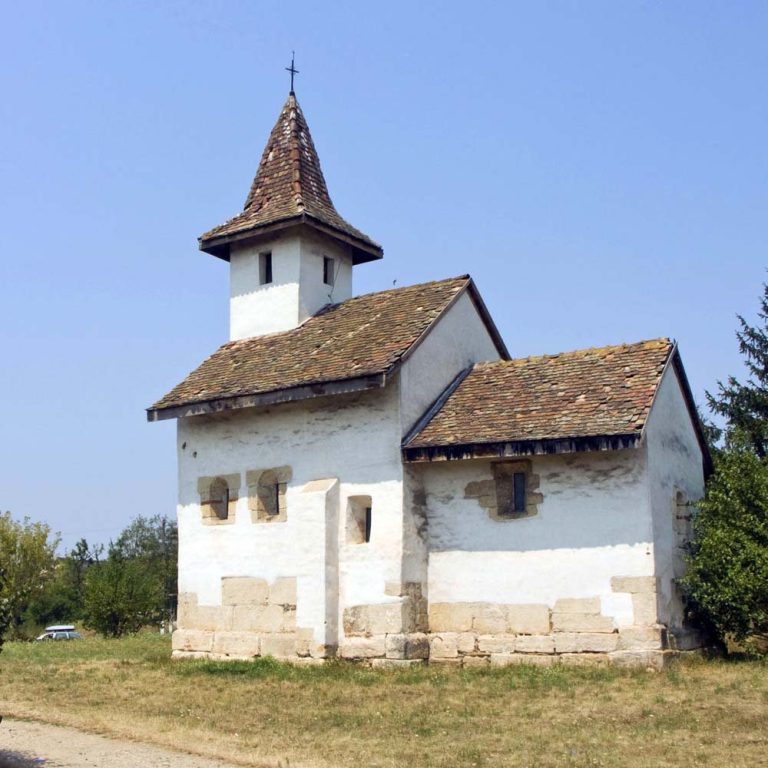
Saint George's Church in Streisângeorgiu preserves a medieval masonry building, three phases of mural painting, and archaeological evidence for an…
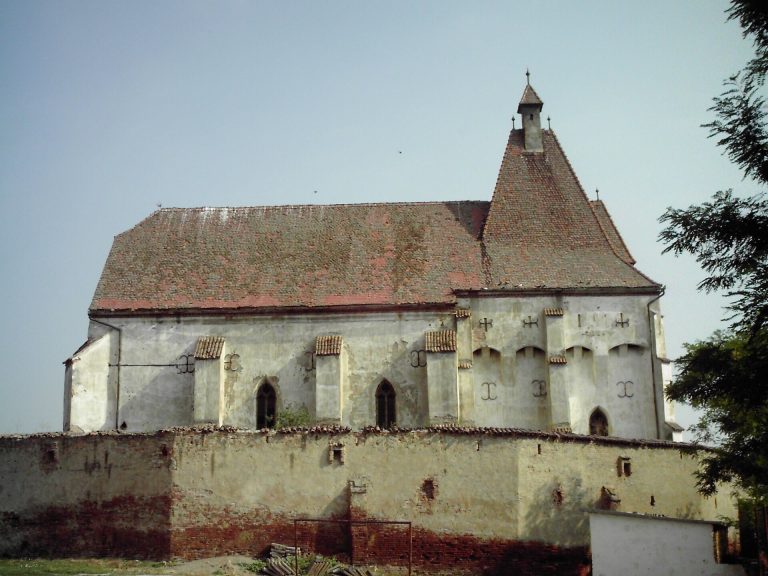
The Lutheran fortified church in Boian developed from a parish first recorded in 1309 into a late Gothic church protected by a fortified enclosure,…
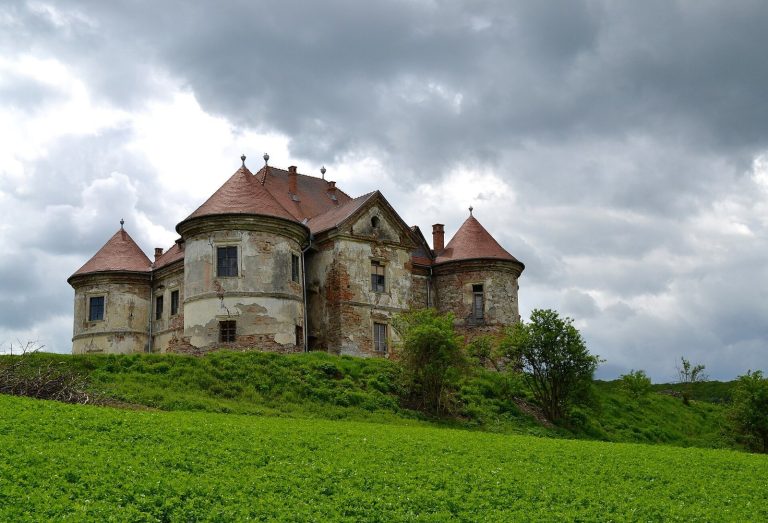
Pekri Castle in Ozd, Romania, dates from the seventeenth century and survived wartime destruction, changing ownership, state use, and long…
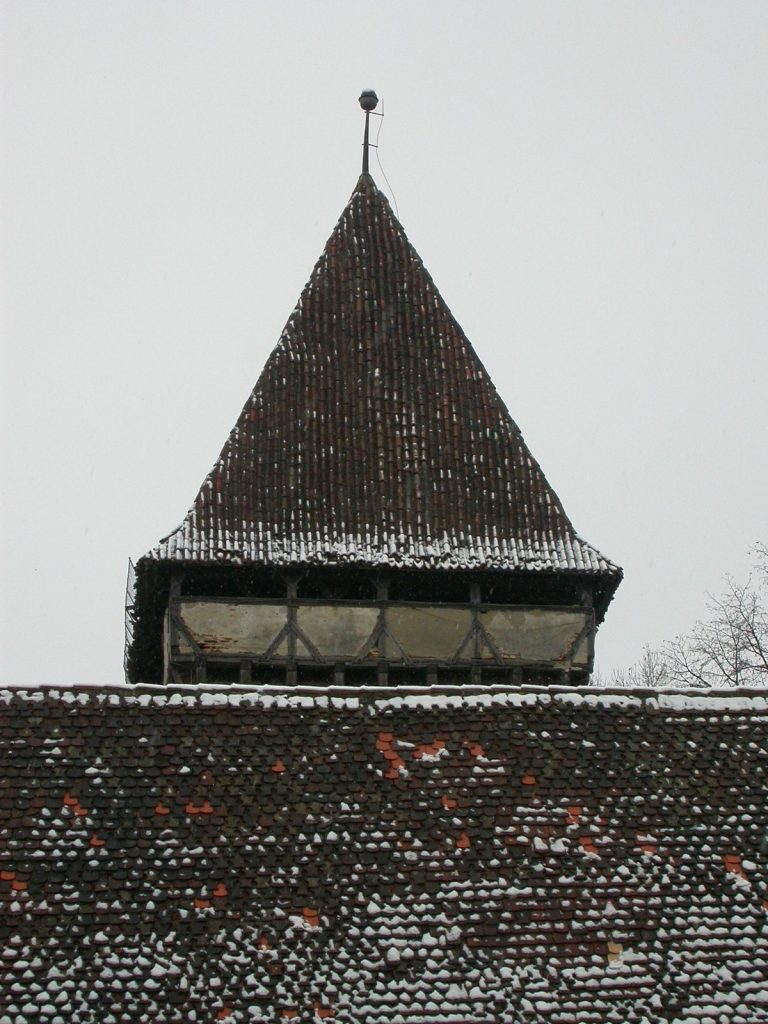
The fortified Lutheran church of Dealu Frumos preserves a thirteenth-century Romanesque basilica, later transformed into a fortified church with…
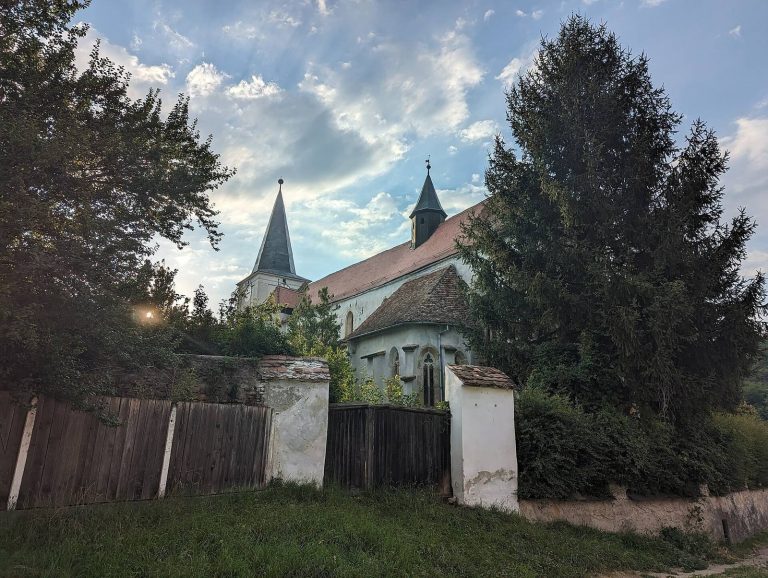
Built in the second half of the fourteenth century, the Lutheran church in Richiș preserves Gothic architecture, later Baroque furnishings, and…
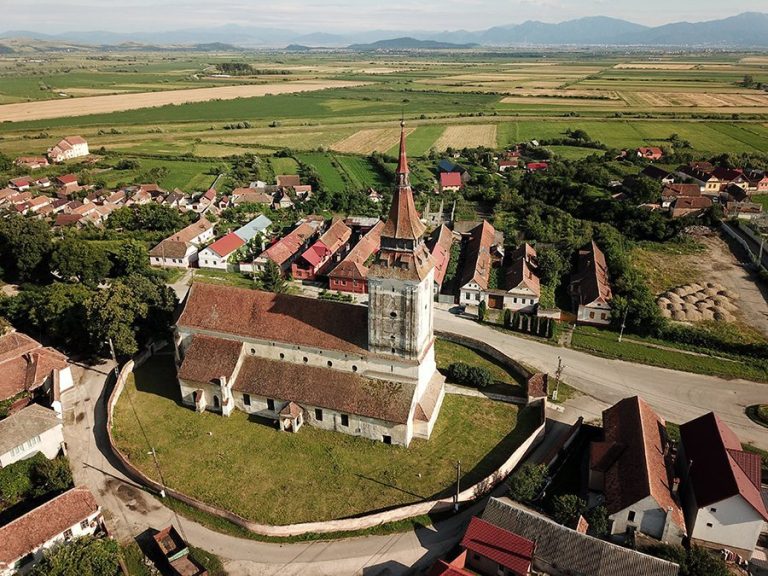
The Lutheran church of Feldioara is a medieval fortified church in Transylvania, shaped by Saxon settlement, Cistercian influence, Gothic rebuilding,…
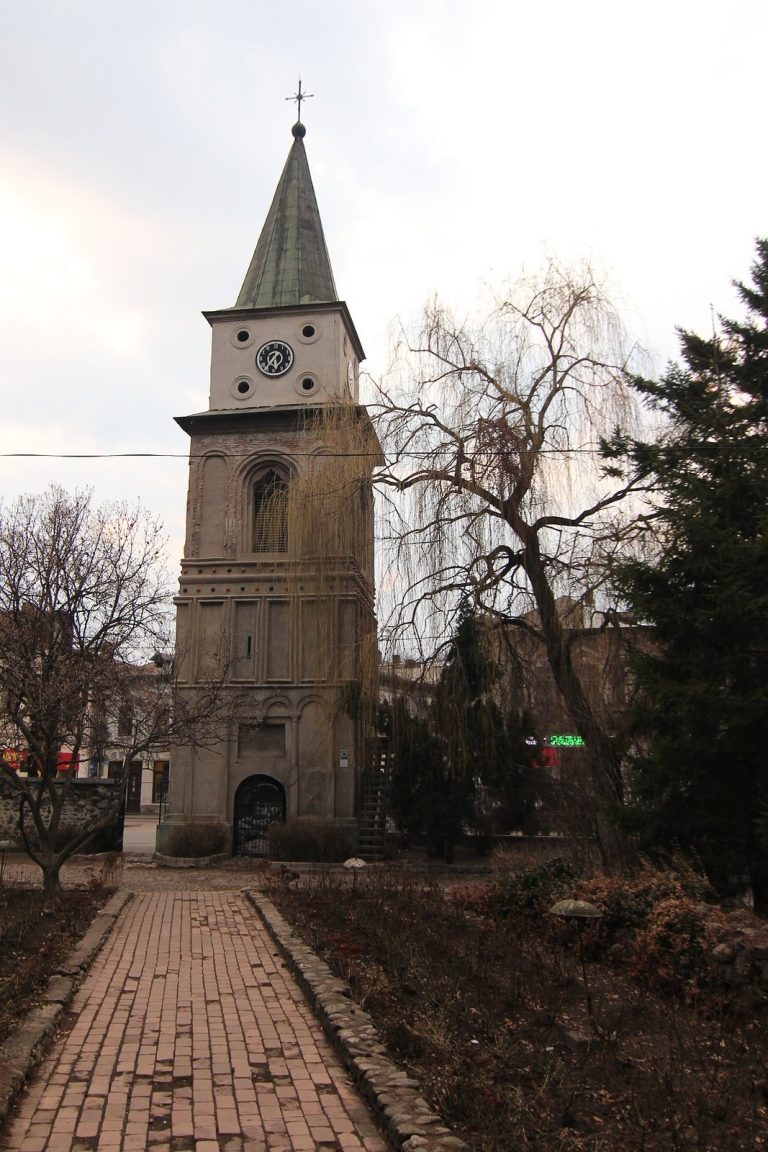
Bărăția Church in Câmpulung preserves a Gothic medieval choir, foundations of an earlier thirteenth-century church, and a tombstone dated 1300. Its…
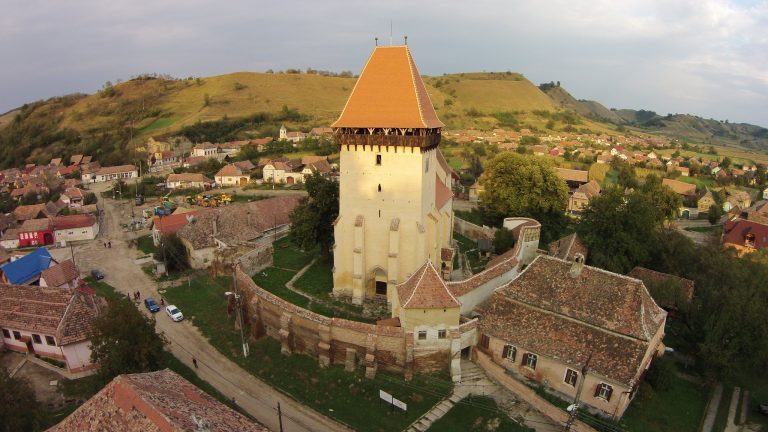
Ighișu Nou Fortified Church in Transylvania developed from a fourteenth-century church into a fortified complex with defensive towers, an enclosure,…
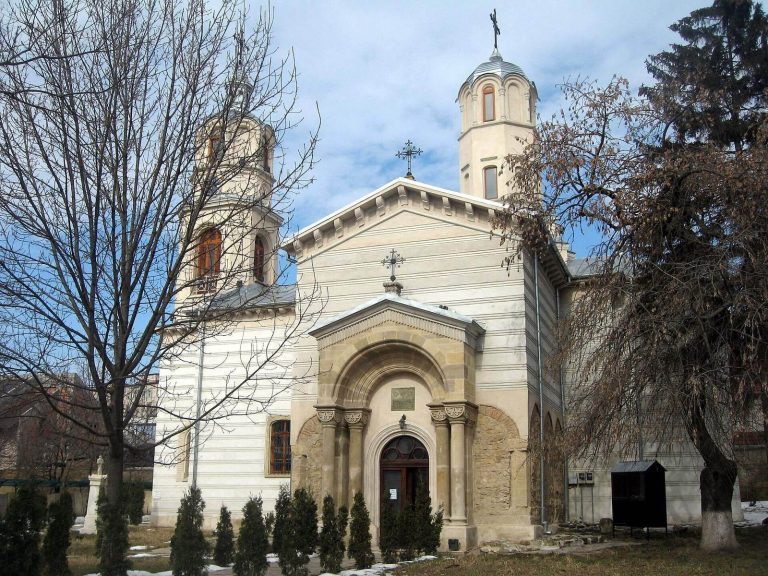
The Armenian Church of Iași preserves the long history of Armenian religious life in Moldavia, from a disputed medieval foundation through repeated…
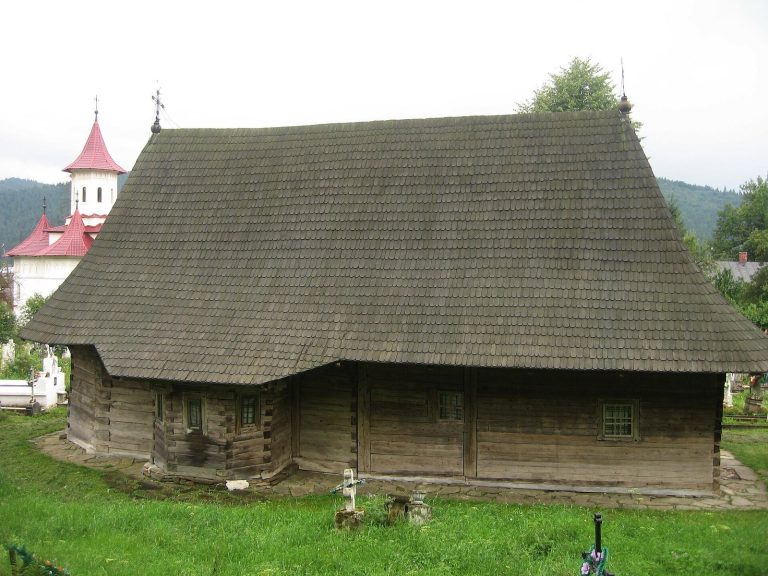
The Wooden Church in Putna, also called the Dragoș Vodă Church, preserves an early fifteenth-century oak structure, later expanded and adapted as a…
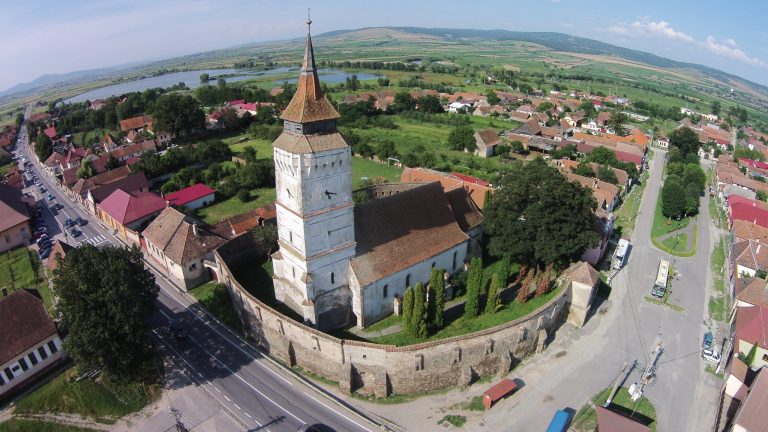
The Fortified Church in Rotbav is a medieval Lutheran complex in Romania, combining a church with 15th-century defensive works and surviving…
For details on how to use the maps, which sites are included, how popularity and ratings are determined, and how sites are classified, see the help page.
On this page5 sections
Castles and fortified residences
Corvin Castle at Hunedoara combines Gothic residential and defensive buildings on a limestone rock. Its principal approach crosses a long bridge supported by stone piers before reaching the gate tower. Around the courtyard, halls, a chapel and living quarters occupy different levels. The Knights’ Hall belongs to the fifteenth-century residential wing, while a long gallery connects the main complex with the outlying Njeboisa Tower.
Bran Castle occupies a rocky height at the entrance to a pass between Transylvania and Wallachia. Its irregular rooms and towers follow the restricted terrain. The medieval entrance was reached by a movable staircase, and a deep courtyard well supplied water. Twentieth-century work for Queen Marie transformed the fortress into a royal residence, so later domestic alterations are an important part of the castle’s standing form.
Citadels and artillery fortifications
Alba Iulia Fortress, also called Alba Carolina, was built under Habsburg rule in the eighteenth century. Its star-shaped defences use projecting bastions to cover the adjoining walls with intersecting fire. This broad system replaced the defensive requirements of a compact medieval castle with works planned for artillery warfare.
The citadel occupies the site of the Roman legionary camp of Apulum and a later medieval enclosure. Cathedrals, palatial buildings and other institutions occupy the fortified area. The substantial eighteenth-century defences therefore surround a place with several earlier building histories; the visible star plan does not date the entire settlement within it.
Palaces and royal interiors
Peleș Castle at Sinaia was commissioned by Carol I as a royal summer residence in the nineteenth century. Despite its name, it is a palace in function, with libraries, galleries, armouries and rooms decorated in different historical styles. Carved timber, textiles and painted courtyard façades form a large part of its architectural character.
The palace combines Neo-Renaissance and Gothic Revival forms, with a high tower and terraces containing stairways, fountains and sculpture. Its varied interiors belong to a deliberately designed royal residence rather than a medieval fortress gradually adapted for comfort.
Painted churches and monasteries
Voroneț Monastery contains a compact church whose western extension has a solid exterior wall without openings. That surface carries the large Last Judgment composition, arranged in successive bands of painted figures and scenes. Interior paintings from the late fifteenth century and later exterior decoration preserve distinct campaigns within the same church.
Cozia Monastery beside the Olt was founded by Mircea the Elder in the late fourteenth century. Its principal church has three apses, a dome and alternating courses of stone and brick. Carved rosettes and framed panels articulate the exterior. An arcaded western porch added in the eighteenth century introduced another painted space to the medieval building. The standing church combines its early structure and frescoes with that later enlargement.
Explore the collection
Explore sites on the map or in the grid. Map icons indicate each site’s primary function, helping you identify different kinds of places at a glance. Narrow the results by primary function, site type, civilization or era, with additional filters for popularity and rating. Select a map marker to view the site’s details and open its article, or open the article from its grid entry.