Lutheran Church of Feldioara: A Fortified Church in Romania
Site at a Glance
- Rating
- 4.2
- Popularity
- Very Low
- Country
- Romania
- Primary era
- Medieval
- External website
- Open
- Eras represented
- Medieval, Early Modern, Modern
- Civilizations
- Hungarian
- Site type
- Religious
- Remains
- Fortified Church
On this page11 sections
History
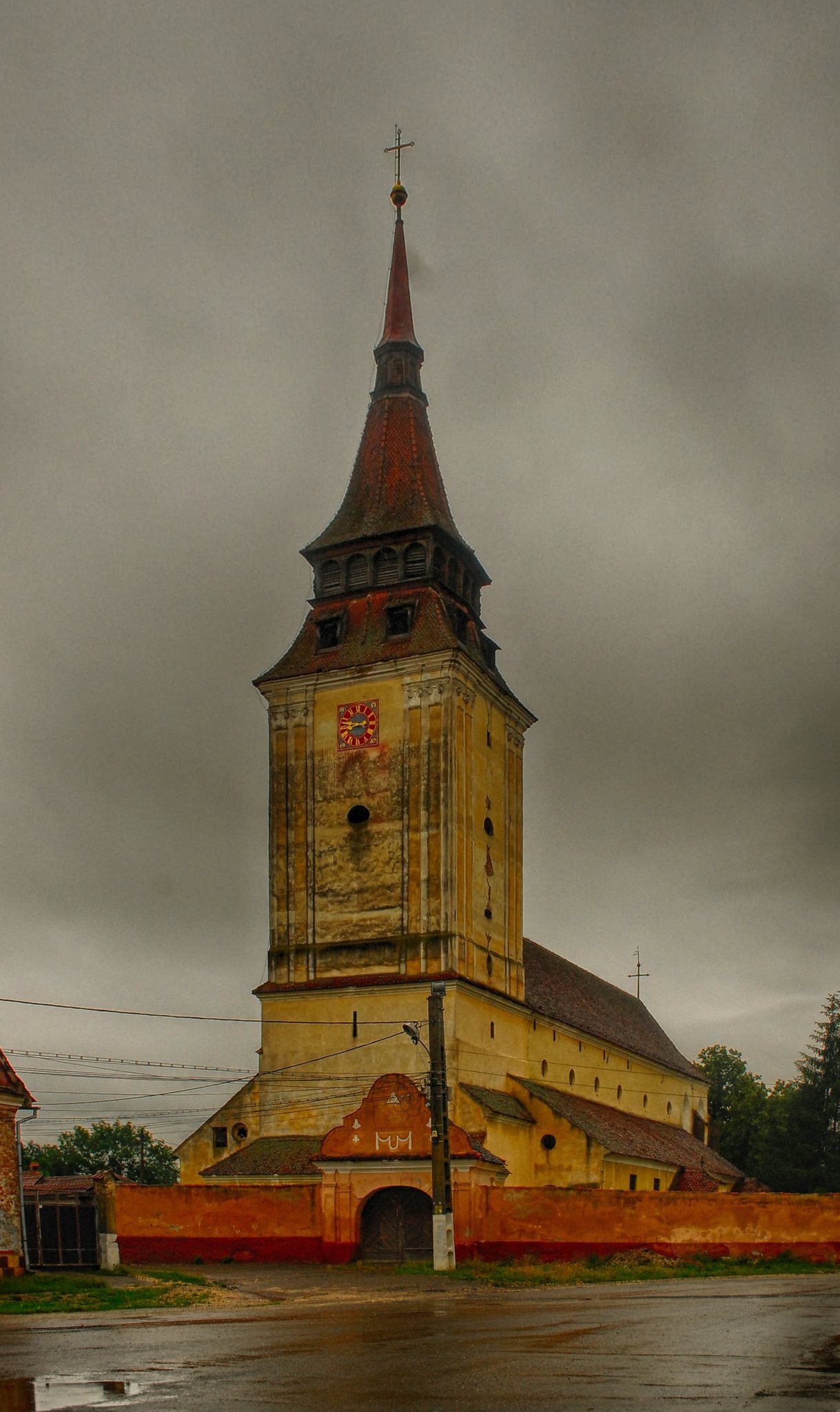
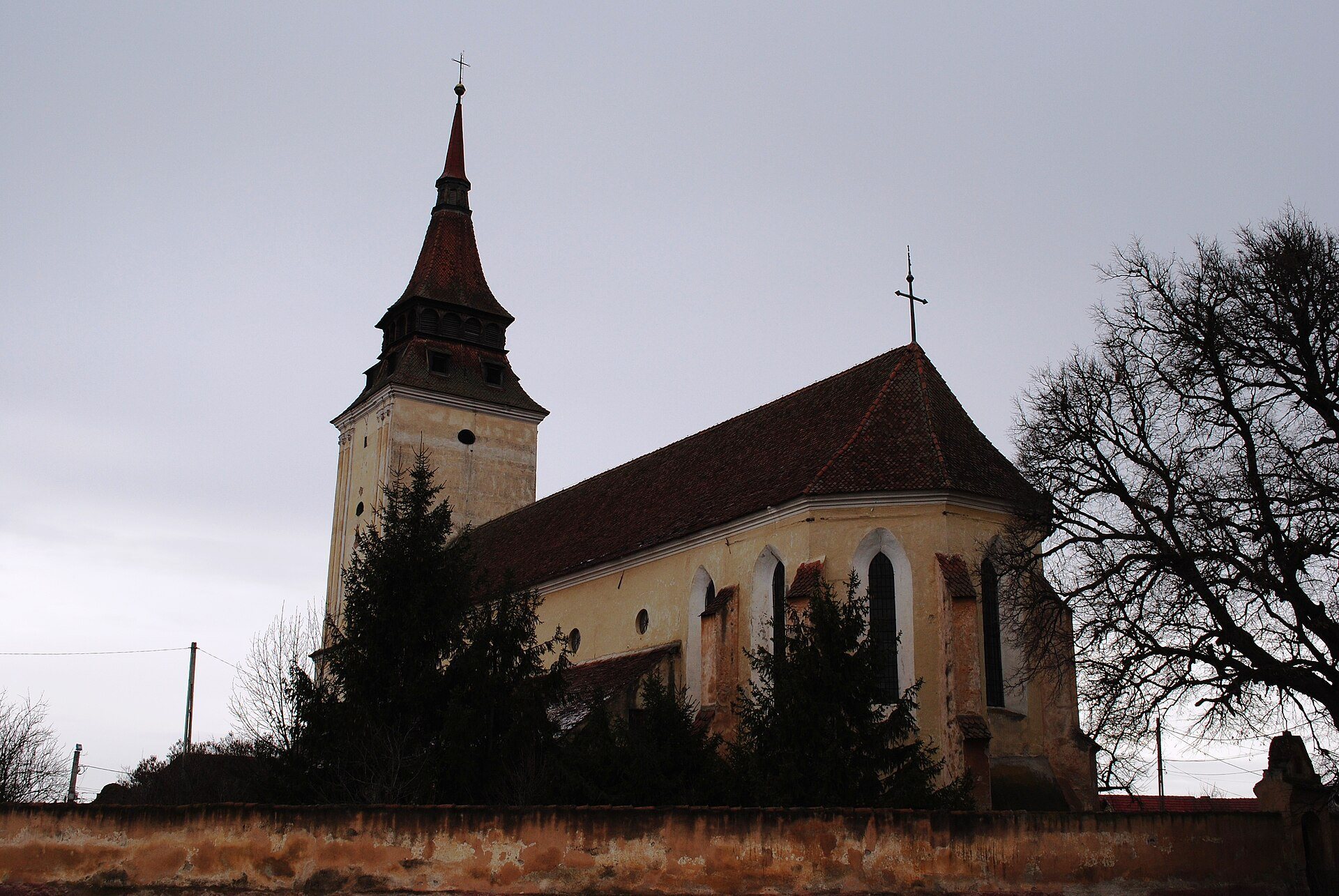
The Lutheran church of Feldioara is a fortified church in Feldioara, Romania, established by Transylvanian Saxon settlers and the local population during the thirteenth century. Its first building was a Romanesque church, probably influenced by the Cistercians, and it became the settlement’s religious and cultural center.
Teutonic and early Saxon phases
Historical traditions place the principal headquarters of the Teutonic Order in the Burzenland at Feldioara between 1211 and 1225. The Teutonic Order was a medieval German religious-military organization that created fortified centers in parts of Transylvania during the early thirteenth century. After its expulsion in 1225, the Cistercians received patronage over Marienburg, the settlement now called Feldioara. The Cistercians were a reform branch of the Benedictine tradition known for disciplined monastic life and support for Romanesque and Gothic building.
The first church was destroyed by the Tatars during their first incursion into the Burzenland in 1241. Its remains were identified when a house was built at number 75 in the village. As the Transylvanian Saxon community grew with the arrival of another wave of settlers, a second church was built around 1280 within the former Teutonic fortified enclosure. Its original dedication was Heilig Kreuz, or Holy Cross, probably in reference to its Latin-cross plan. The dedication later changed to Saint Mary.
Gothic rebuilding and later use
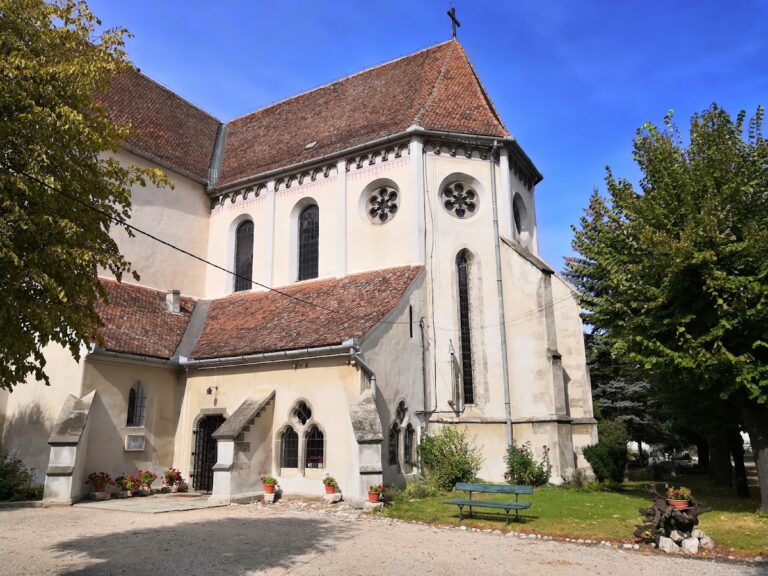
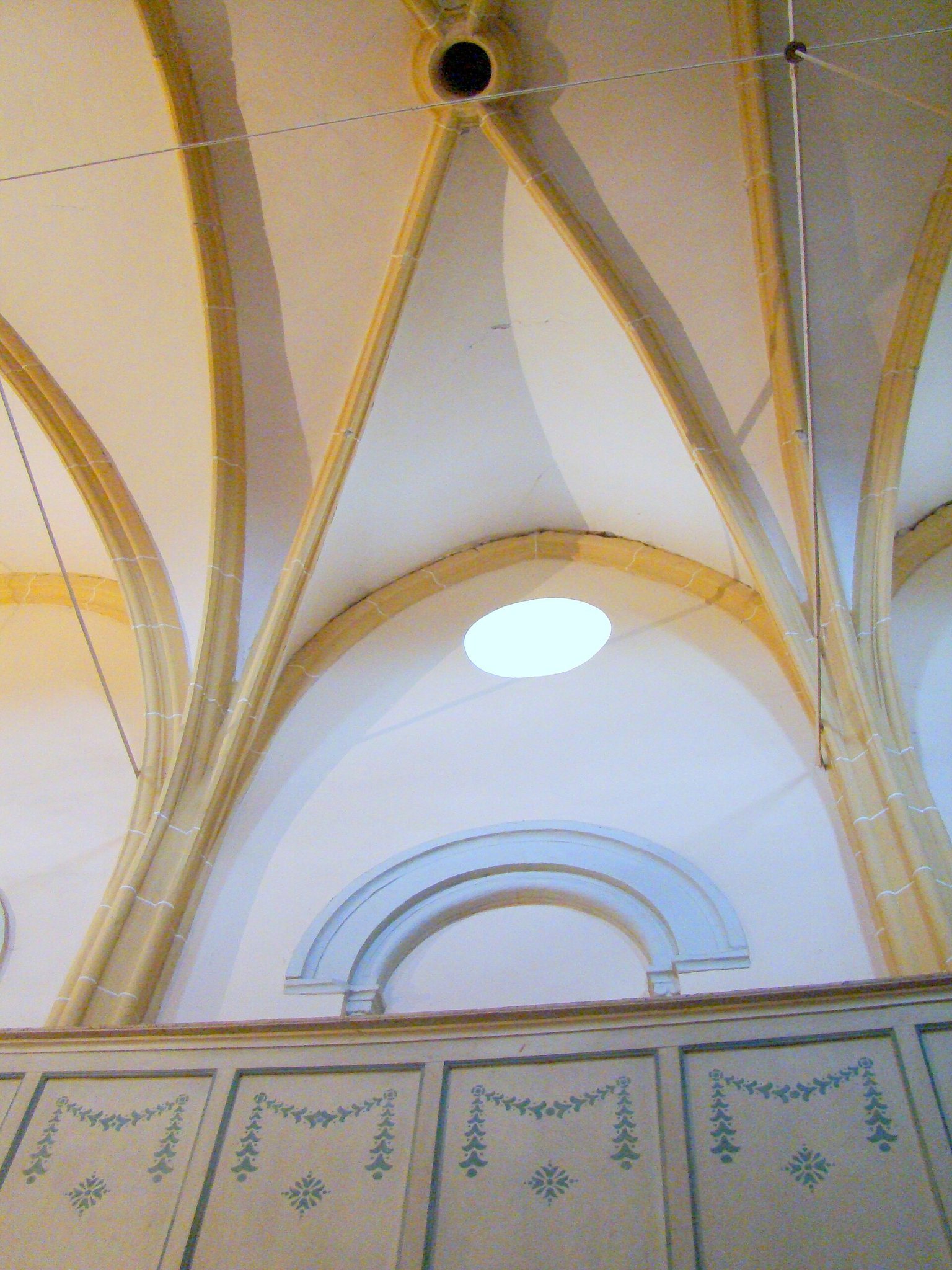
Between the end of the fourteenth century and the middle of the fifteenth, the church was rebuilt in the Gothic manner. Its surviving fabric retains both Late Gothic features and elements from the earlier Romanesque structure. The first recorded reference to the Marian dedication dates from 1447, when John Hunyadi, a fifteenth-century Hungarian military leader and regent of Hungary, granted the church revenues from a mill on the Homorod River.
After the Reformation, the church became Lutheran and entered the tradition now known as the Evangelical Church of the Augsburg Confession, the Lutheran church of Romania’s German-speaking Protestant communities. Damage caused by nomadic incursions and earthquakes led to repeated repairs, including work after the earthquake of 1838. Later interventions preserve the marks of the periods in which they were undertaken.
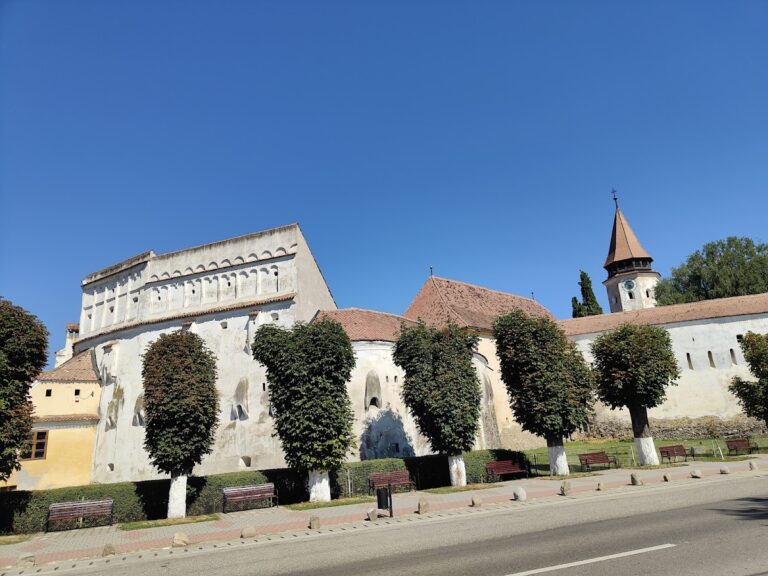
The fortified church and its enclosure are protected as a historical monument in Romania. The church is associated with the Brașov church district and the Prejmer parish. Its listed historical phases include the thirteenth, fifteenth, and eighteenth centuries, while the enclosure wall is associated with the nineteenth century.
Remains
Church and enclosure
Church building
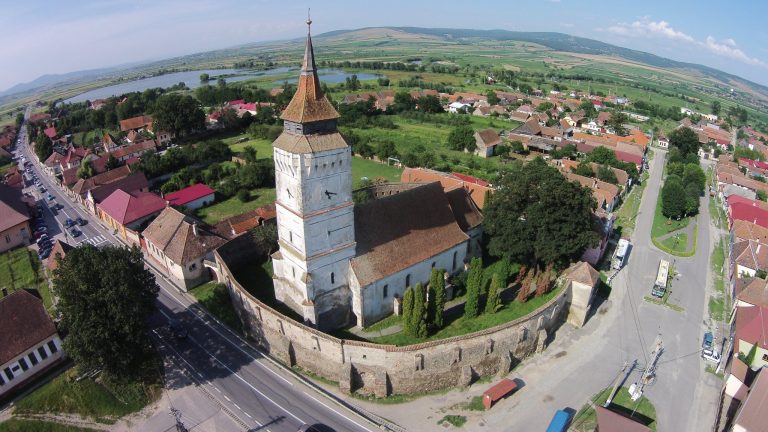
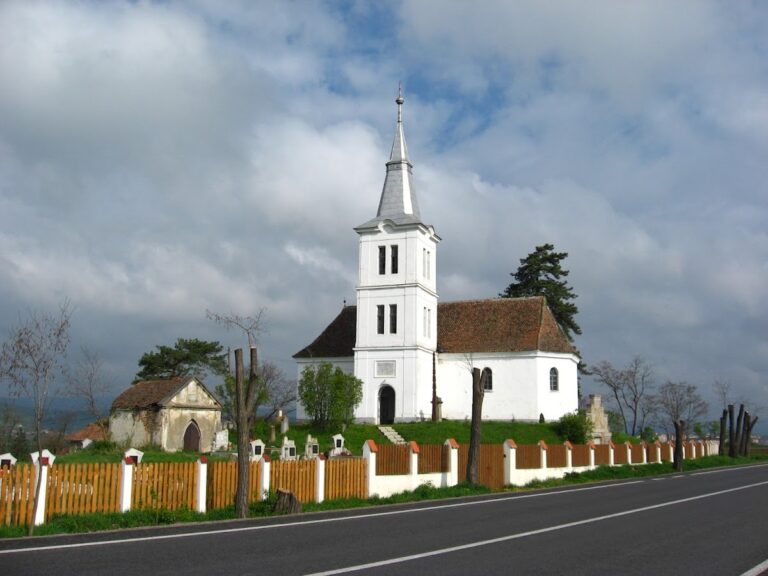
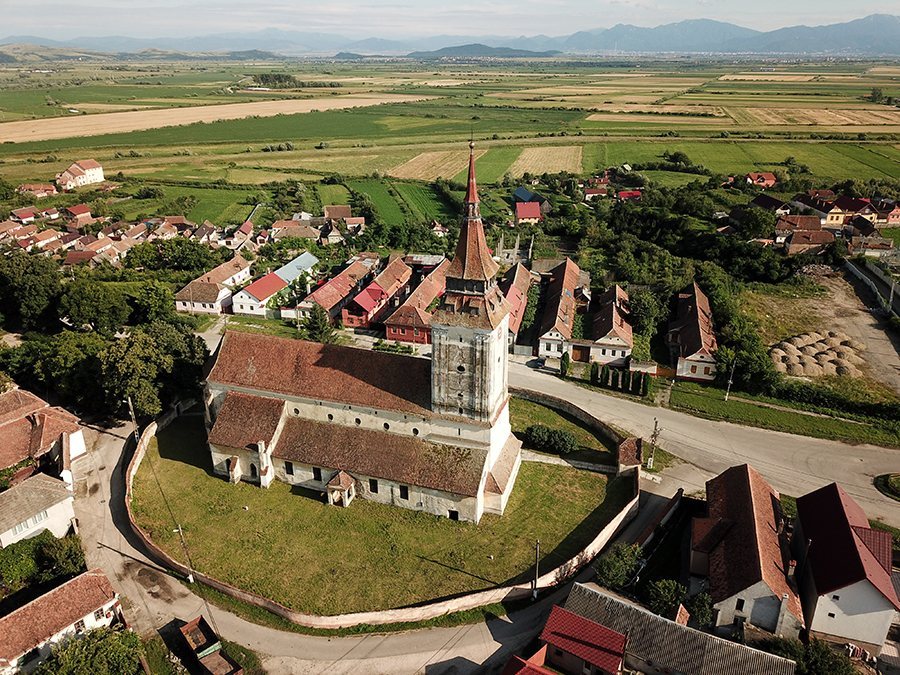
The church stands in eastern Feldioara, about 250 metres west of the original Marienburg. It is a three-nave Gothic building constructed on the foundations of a late-thirteenth-century basilica. Its Latin-cross plan has a central axis longer than the lateral arms. The building combines Romanesque elements with its later Late Gothic fabric, creating a physical record of its successive medieval phases.
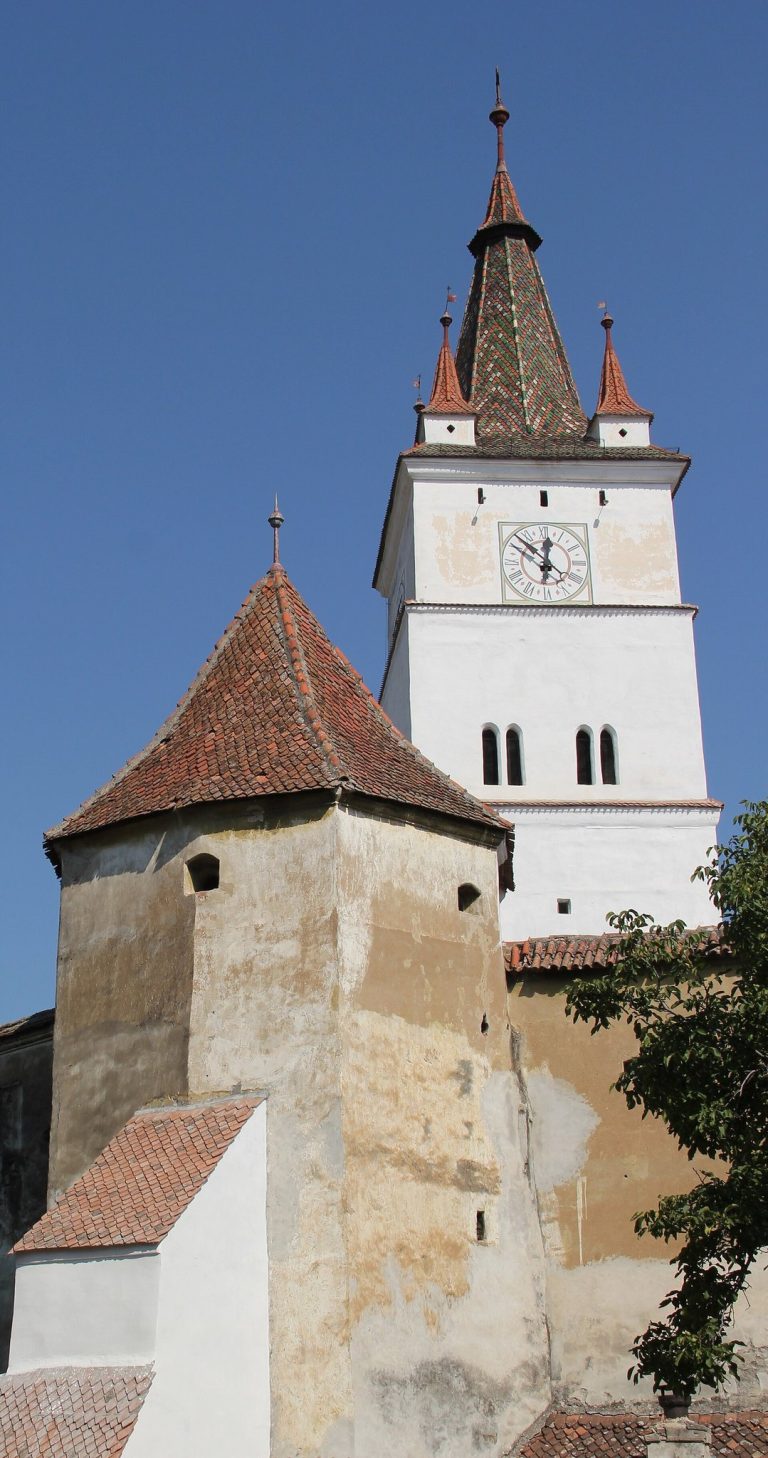
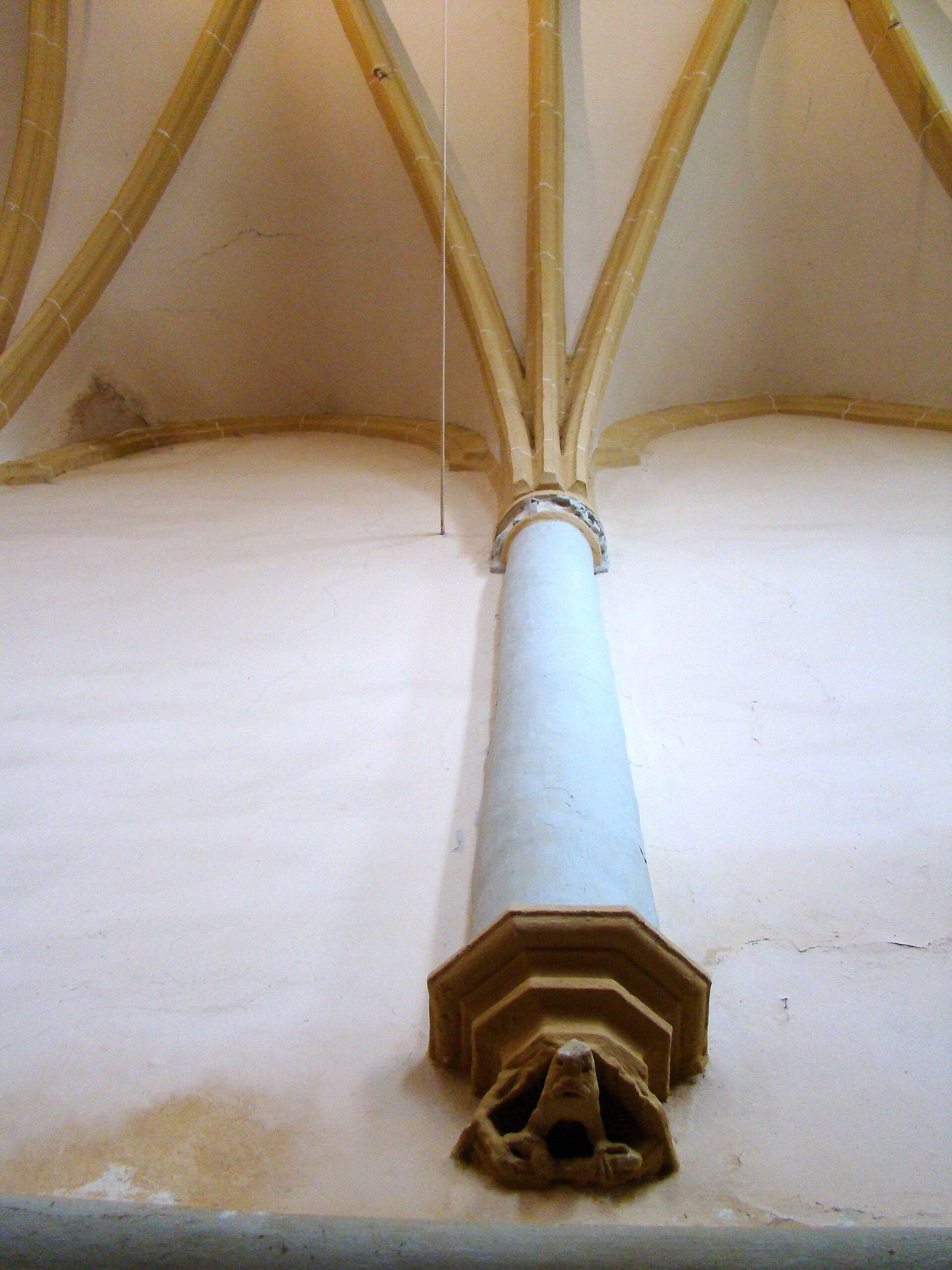
The original vaults on the building’s three levels were demolished, enabling lateral openings between the central nave and the side naves. A Gothic vault survives. During the Gothic rebuilding, a vaulted gallery was apparently inserted on the second level of the bell tower and dedicated to the church’s founder.
Enclosure wall
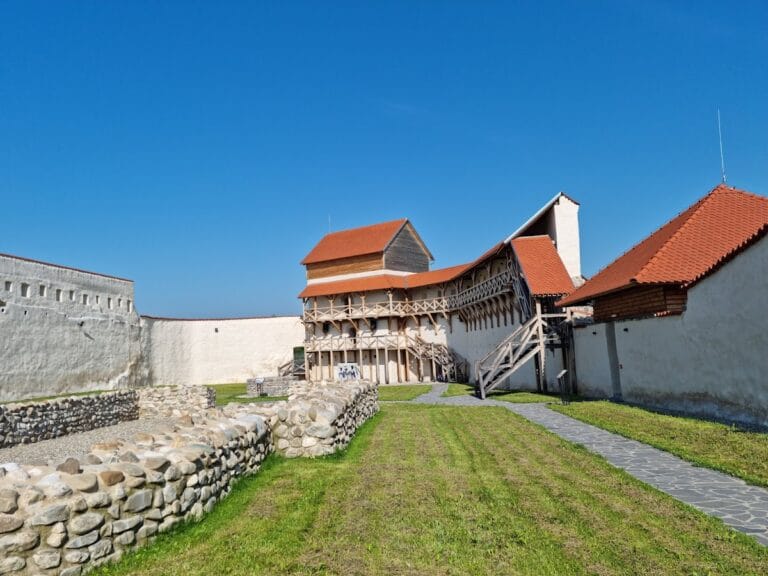
The former ring wall is represented by a low masonry enclosure around the church. This surviving wall forms the remaining physical element of the church’s defensive setting and reflects the building’s character as a fortified church, combining religious use with protection.
Decoration and furnishings
Medieval sculpture
Romanesque and Late Gothic features are joined by decorative Cistercian-style bas-reliefs known as bestiaries. In this setting, a bestiary is animal imagery carrying religious or moral associations. Finely carved capitals and consoles in the choir depict mythological and secular figures.
Altar and organ
The nineteenth-century altar was made by the Brașov painter Friedrich Miess and depicts Jesus healing a leper. The church also preserves an organ made by Johannes Prause in 1799.
Books and former altarpiece
A first-edition Luther Bible was preserved in the church after Johannes Honterus brought it to Feldioara. Honterus was a sixteenth-century humanist and Protestant reformer associated with the Transylvanian Saxon communities. Three panels from the church’s pre-Reformation winged altar, an altarpiece with hinged panels that open and close, are now preserved in the Black Church of Brașov.