Historic Sites in Armenia: Explore Ancient Fortresses, Temples and Monasteries
Explore historic sites in Armenia, including ancient fortified centres, a reconstructed classical temple, domed churches and medieval monasteries. Churches and monastic complexes form most of the collection. Their surviving buildings include entrance halls, burial chapels and carved stone monuments, with examples set beside Lake Sevan, within mountain valleys and on the plateaus of northern Armenia.
Primary Function: All
Type: All
Civilization: All
Popularity: All
Rating: All
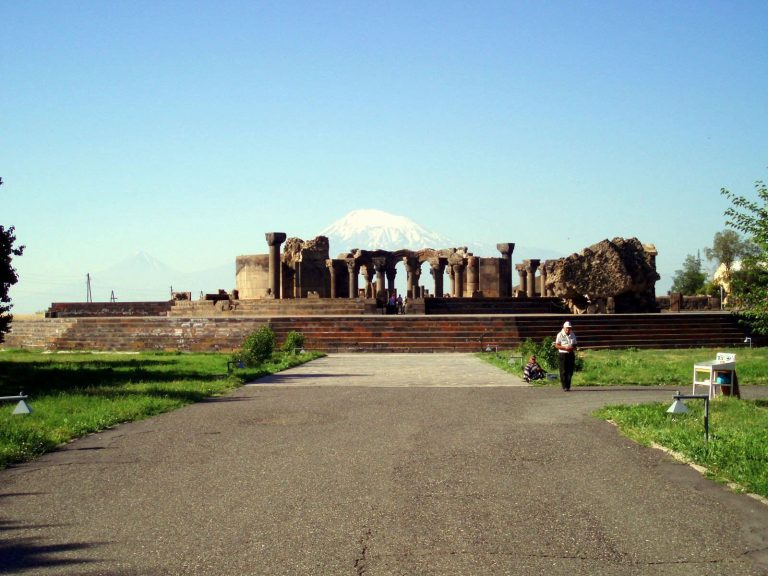
Zvartnots Cathedral near Vagharshapat was built in the mid-seventh century under Catholicos Nerses III. Its ruins preserve a central-plan church, a…
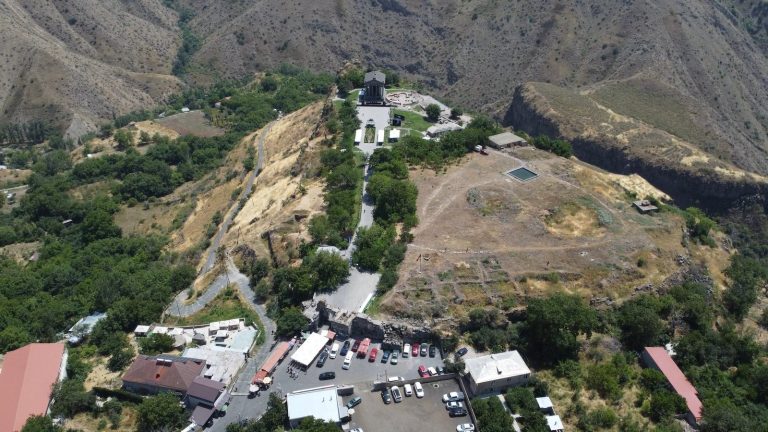
Garni Temple is a largely reconstructed classical monument within the Fortress of Garni in Armenia. Its date and original function remain debated,…
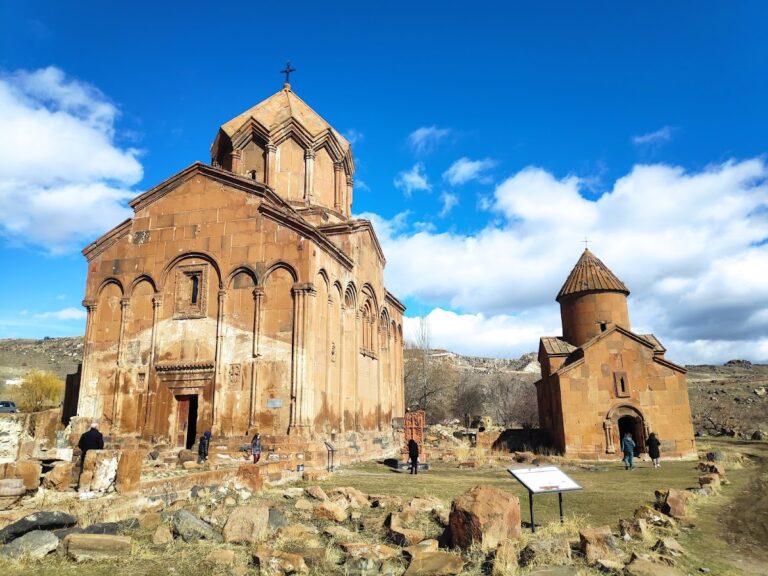
Marmashen monastery in Armenia developed under the Pahlawuni family between the tenth and eleventh centuries. Its churches, dynastic burial spaces,…

Harichavank Monastery in Armenia developed from an early medieval foundation into an important Armenian religious, educational, and cultural center.…
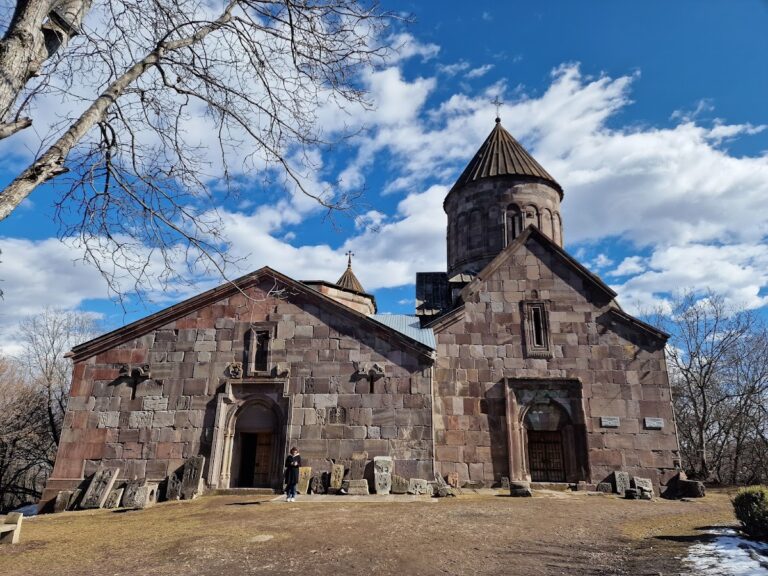
Makaravank is a medieval Armenian Apostolic monastery near Achajur, known for its churches, shared gavit, sculptural decoration, inscriptions, and…
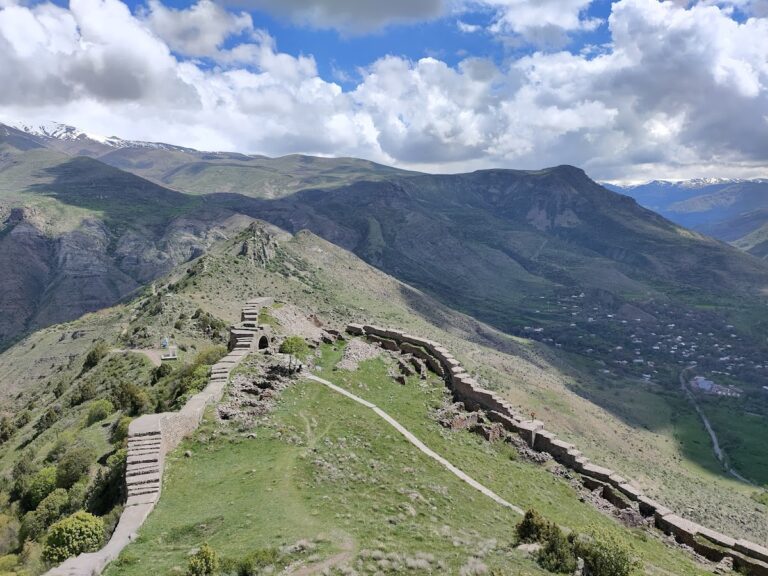
Smbataberd is a medieval fortress in Vayots Dzor associated with the Syuni and Orbelian dynasties. Its walls, citadels, entrances, towers, and water…
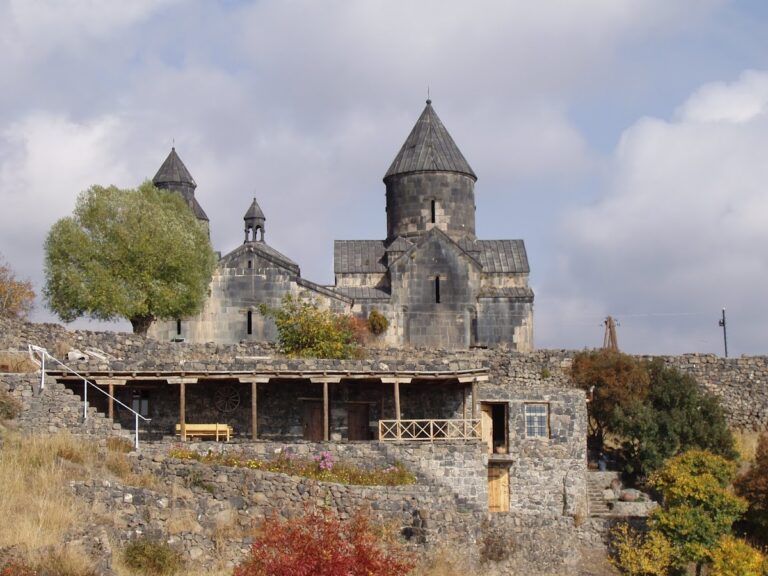
Tegher Monastery is a thirteenth-century Armenian Apostolic complex on the slopes of Mount Aragats, known for its domed church, gavit, inscriptions,…
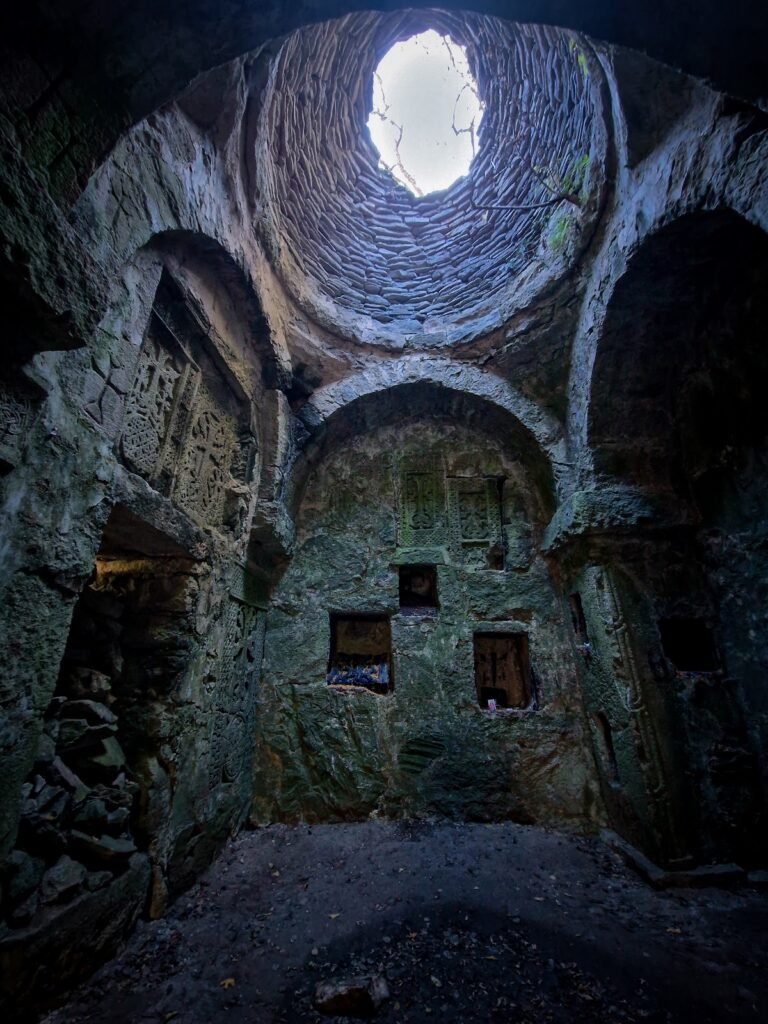
Matosavank is a small medieval Armenian Apostolic monastery in Dilijan National Park, founded in 1205 and centered on the thirteenth-century Church…
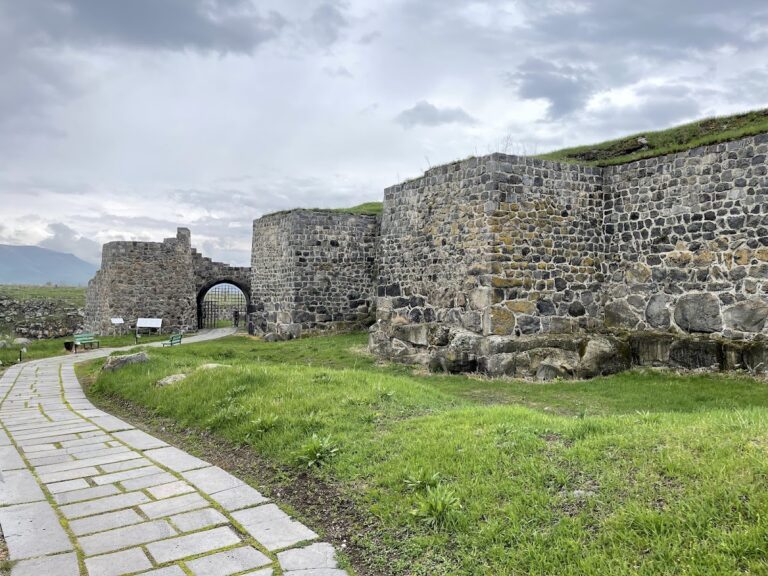
Lori Berd Fortress was founded in the tenth century and became the capital of the Kingdom of Tashir-Dzoraget in 1065. Its surviving walls, bridges,…
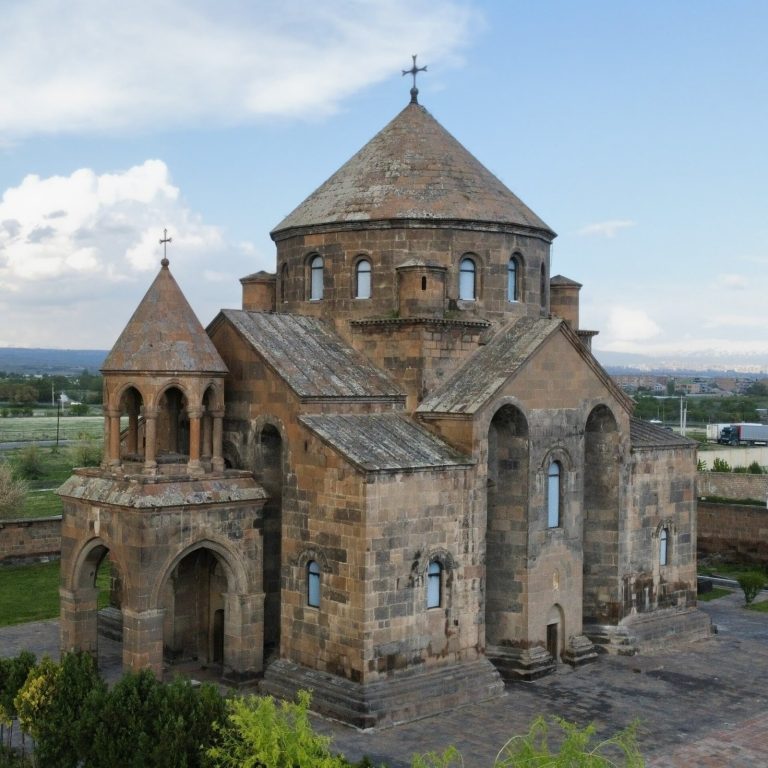
St. Hripsime in Vagharshapat is a seventh-century Armenian church associated with the martyr Hripsime. Its distinctive tetraconch plan, dome,…
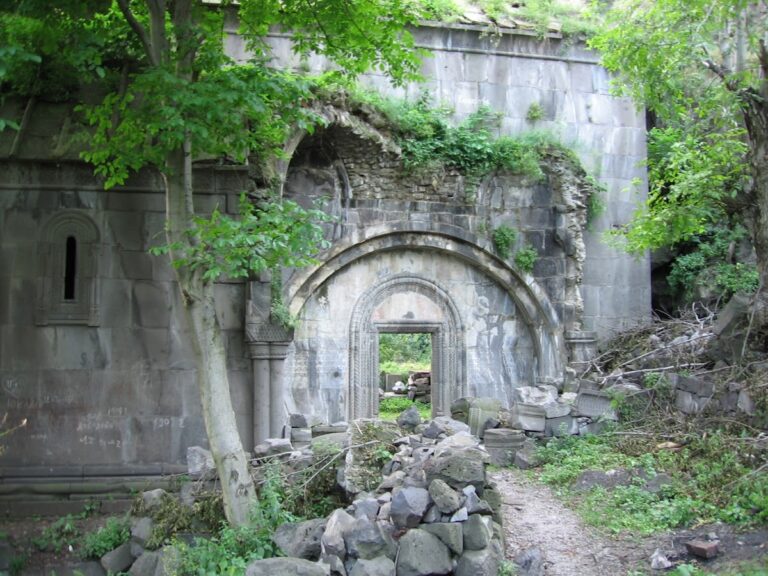
Kobayr monastery in northern Armenia developed from a Kyurikian foundation into a major Armenian-Chalcedonian complex associated with the Zakaryan…
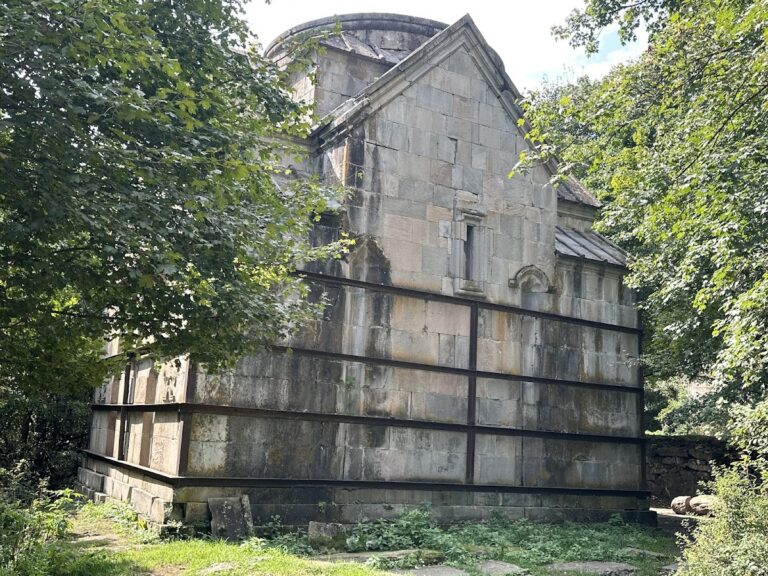
Jukhtak Vank is a medieval Armenian Apostolic monastic complex near Dilijan, comprising two churches, a cemetery, inscriptions, and surviving traces…
For details on how to use the maps, which sites are included, how popularity and ratings are determined, and how sites are classified, see the help page.
On this page6 sections
Erebuni’s ancient citadel
Erebuni Fortress occupies Arin Berd hill within Yerevan. Founded by the Urartian king Argishti I in 782 BC, it controlled approaches across the Ararat Valley. Its roughly triangular citadel used the hill’s steep slopes, with the main entrance on the more accessible southeastern side.
Excavated palace rooms, temple spaces and storage areas reveal how the defended summit was organised. Large pottery jars stood in the wine storerooms, while basalt foundations supported the buildings above. Parts of the walls and religious structures have been restored or reconstructed, so the visible complex combines ancient remains with work intended to explain their original arrangement.
Garni’s classical temple
Garni Temple stands on a high podium within an older fortified complex. Its basalt columns surround a small central chamber, reached by a broad, steep stairway. Ionic capitals, carved plant ornament and the triangular pediment give the building its classical architectural form.
The temple is commonly associated with first-century Armenia, although its precise date and original purpose remain debated. The structure standing today was reassembled between 1969 and 1975, combining recovered ancient stonework with replacement basalt. That reconstruction is essential to understanding the complete colonnade and roof now visible above the fortress grounds.
Domed basilicas and arched galleries
Odzun Church stands on a plateau above the Debed Valley. Rows of supports divide its rectangular interior into a central nave and side aisles, while a dome rises over the middle of the building. An external arched gallery surrounds the church on three sides, extending its sheltered space beyond the enclosed prayer hall.
At Saint Gayane Church in Vagharshapat, four freestanding piers support the central dome within a three-aisled basilica. The seventh-century design brings a long congregational space together with a domed central bay. A vaulted burial chamber lies beneath the altar. Extensive seventeenth-century rebuilding restored the roof and dome above the surviving walls and supports.
Monasteries beside cliffs and water
Noravank occupies a rocky terrace within the Amaghu gorge. Its buildings include the main church, an entrance hall known as a gavit, burial chapels and the two-storey Church of Saint Astvatsatsin. Built in the fourteenth century for the Orbelian family, the latter combined a dynastic mausoleum with religious space above.
Carved reliefs above the gavit’s entrance depict religious figures within frames of foliage and inscriptions. Inside, stone vaulting rises towards a central roof opening. The complex brings church interiors, family burial spaces and sculpted façades together within a relatively compact enclosure.
Sevanavank has a more open lakeside setting. Founded in 874 on what was then an island, it retains two small domed churches on the present Sevan Peninsula. Their cruciform plans, projecting apses and steep conical roofs give the buildings a concentrated form. Later alterations changed roof pitches and parts of the masonry; the surrounding monastic buildings survive less completely than the churches.
Goshavank’s connected church buildings
Goshavank developed around a late twelfth-century monastic foundation in the wooded valleys of Tavush. Its principal church, Saint Astvatsatsin, opens westwards into a large gavit. Four columns and additional wall supports carry intersecting arches beneath a central opening in the roof.
The connected buildings accommodate worship, circulation and spaces associated with the monastery’s learning and manuscripts. Outside, the church’s restrained walls draw attention to its carved doorway and the interlaced band around the drum below the conical dome. Village houses surround the complex, whose outer enclosure is no longer substantially preserved.
Explore the collection
Explore sites on the map or in the grid, using the filters for primary function, site type, civilization, era, popularity and rating. Map icons identify each site’s primary function. A marker opens details with access to the site article; grid entries also link directly to articles.