Roman Sites in Spain: Explore Cities, Theatres and Aqueducts
Roman sites in Spain include excavated cities, hillside sanctuaries, theatres, aqueducts and mosaic-decorated villas. Some preserve complete stretches of defensive wall or arcades rising above a modern street; others expose the rooms, courtyards and public buildings of an ancient settlement. The collection brings together these different structures, from the broad streets of Italica to the rock-cut channels of Peña Cortada.
Primary Function: All
Type: All
Popularity: All
Rating: All
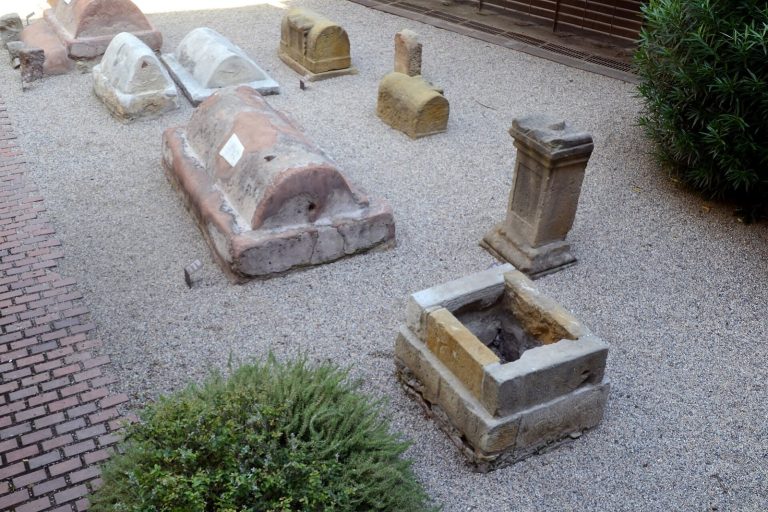
The Via Sepulcral Romana is a Roman cemetery used from the first to the third century AD outside the walls of Barcino. Its tombs survived in their…
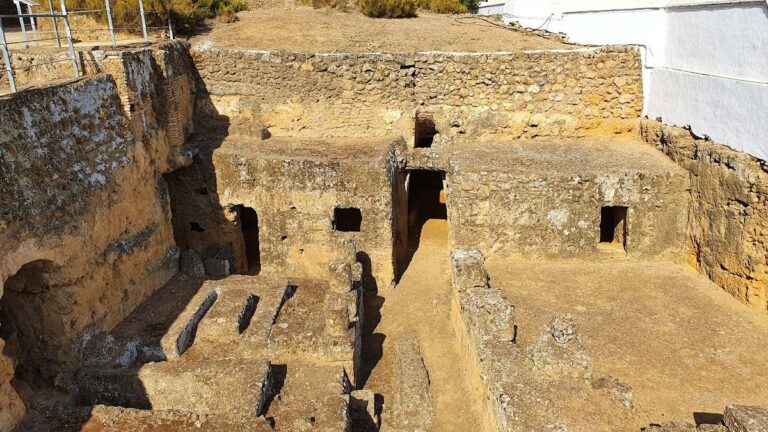
The Elephant Tomb is a Roman underground monument at Carmona, Spain, whose complex layout and solar alignment have led to competing interpretations…
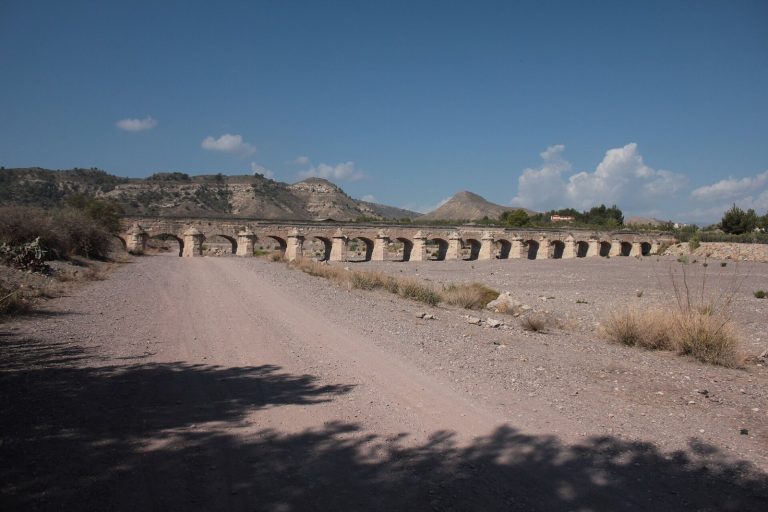
Acueducto Park preserves the Acueducto de los Arcos and its association with Alcantarilla’s waterwheel, an irrigation system with medieval origins…
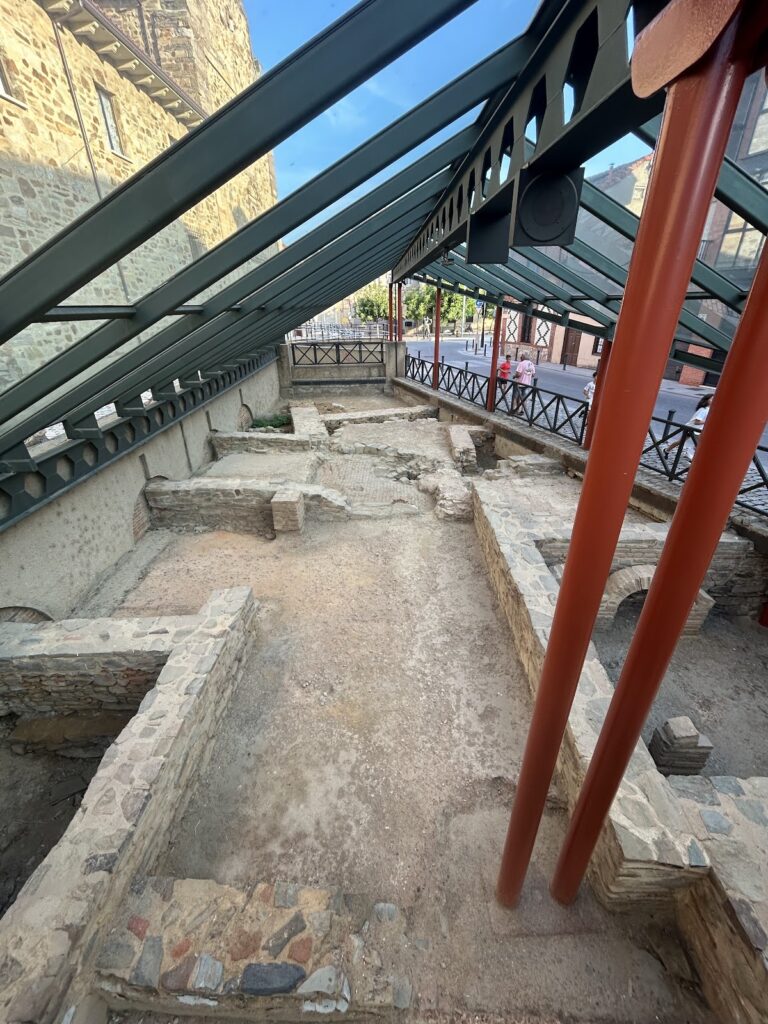
The Domus del Mosaico del Oso y los Pájaros shows Roman domestic life in Astorga, showcasing advanced architecture and artistic mosaics that reflect…
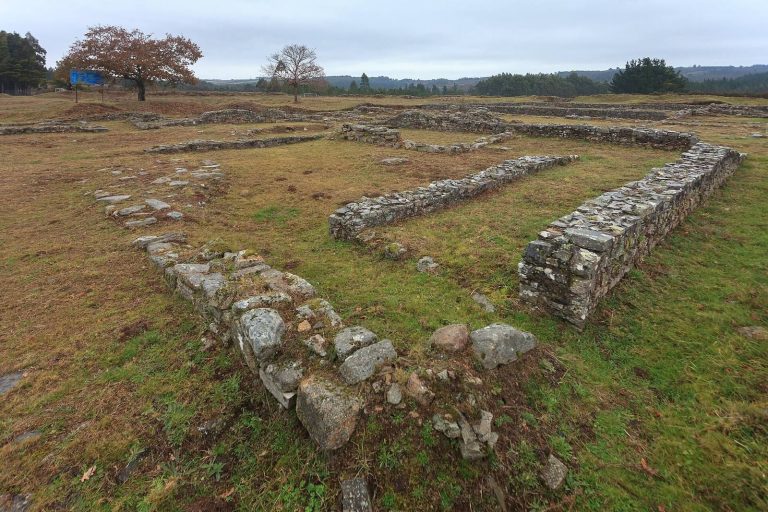
The Roman camp of Ciadella was a military settlement on the Via XX, occupied from the second to the fourth century by an auxiliary cohort that…
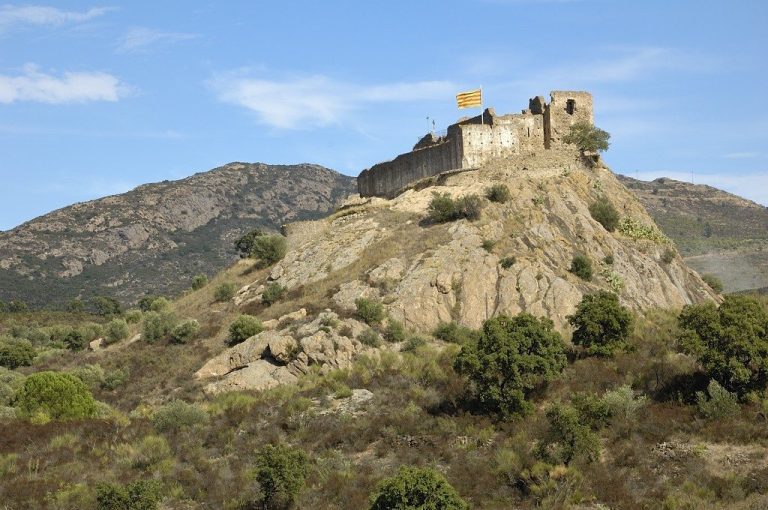
Quermançó Castle is a ruined medieval stronghold near Vilajuïga, shaped by Catalan comital rule, French attacks, Napoleonic military use, and later…

Vila Romana de la Llosa at Cambrils preserves evidence of Roman rural occupation, residential life, craft activity, bathing, and a Late Roman…
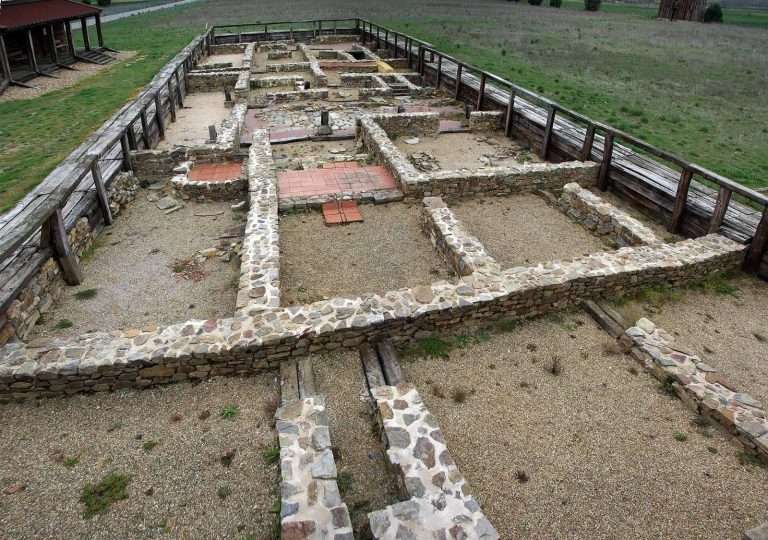
Petavonium developed from an Augustan legionary fortress into a substantial Roman town in the Vidriales Valley, later serving as a cavalry fort and…
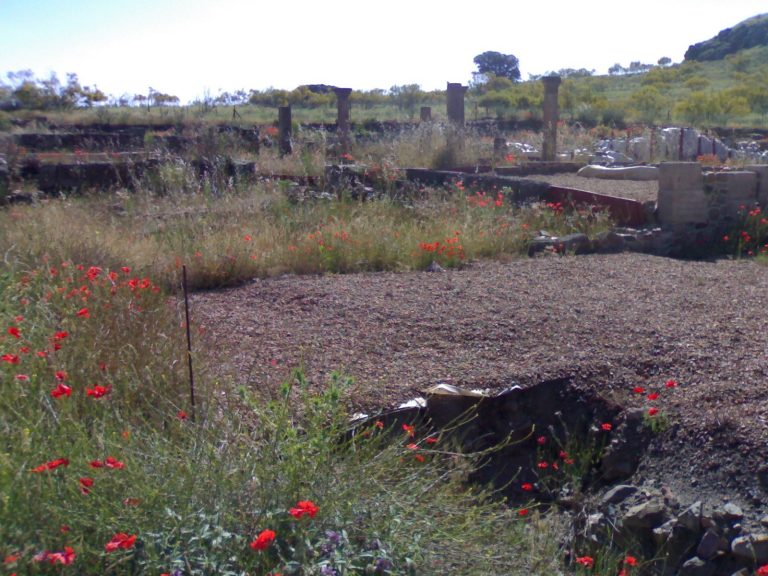
Sisapo was a Roman municipium and administrative center in the Alcudia Valley, associated with the cinnabar mines of Almadén and Almadenejos. Its…
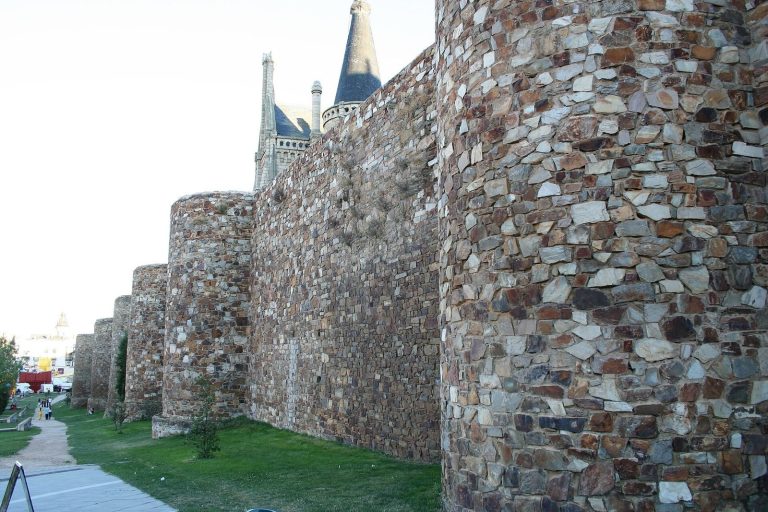
The Walls of Astorga preserve the outline of the Roman and medieval defenses surrounding Astorga’s historic center, including evidence of successive…
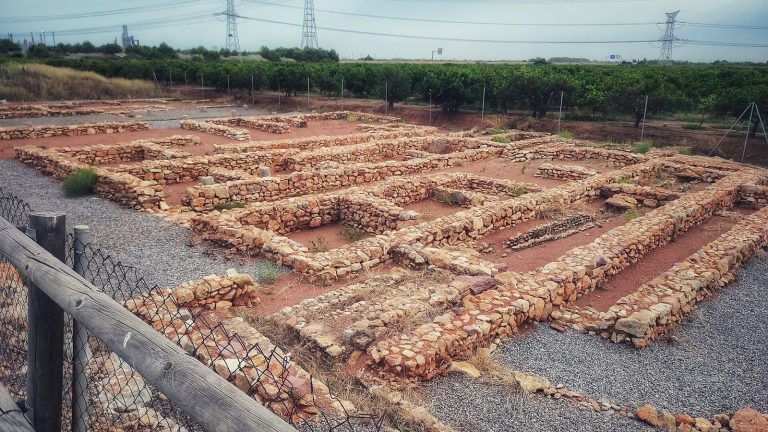
Villa Romana Vinamargo is a Roman archaeological site in Castellón de la Plana, with remains of courtyards, baths, production areas, rooms, pottery,…
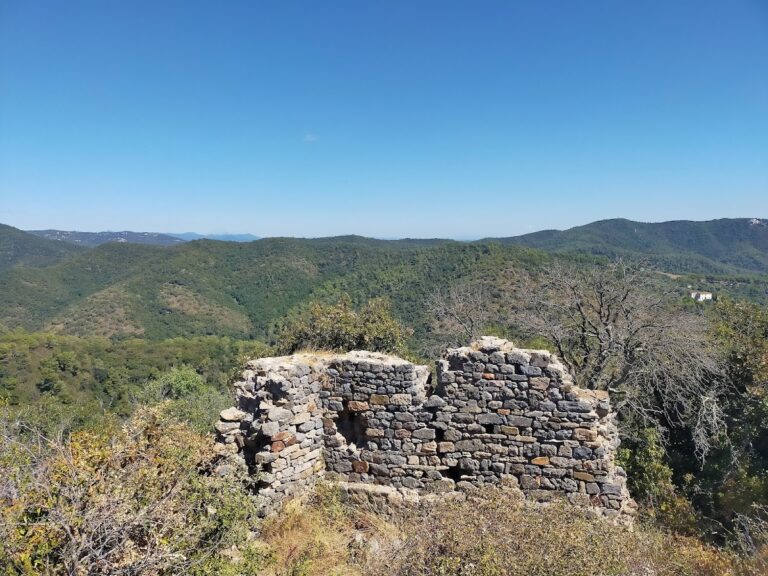
Castell de Montpalau is a medieval fortress overlooking the Upper Maresme, with roots in an Iberian settlement and a history linked to the Viscounts…
For details on how to use the maps, which sites are included, how popularity and ratings are determined, and how sites are classified, see the help page.
On this page6 sections
Planned streets and a hillside sanctuary
At Italica, near Seville, the excavated district laid out under Hadrian has broad streets and large houses arranged around courtyards. Mosaic floors survive within their rooms, while the baths and amphitheatre extend the picture beyond domestic life. In the amphitheatre, the central arena pit and surrounding passages reveal parts of the machinery and circulation concealed beneath the performances. Much of the older town lies beneath Santiponce, so the exposed district represents one part of Italica’s development.
Munigua occupies a much smaller hillside site. Its sanctuary rises through a series of terraces, with ramps leading towards a curved upper platform and retaining walls standing well above the lower buildings. Houses, baths and the forum cluster below it. The height of the sanctuary and the confined spaces beneath it make the settlement’s arrangement legible in a way quite different from Italica’s broad street grid.
Theatres and their later alterations
The Roman Theatre of Mérida preserves a large semicircle of seating, access passages and a richly articulated stage front. Two tiers of Corinthian columns frame the stage openings, although the façade includes major twentieth-century reconstruction using recovered architectural pieces. Behind the stage, a colonnaded garden formed another part of the theatre complex. The seating, corridors and reconstructed façade together explain how spectators entered the building and faced the performance area.
At the Roman Theatre of Cádiz, the surviving seating and vaulted gallery extend beneath the later Pópulo quarter. Medieval fortifications and subsequent buildings occupied parts of the theatre site, and the stage area remains largely concealed beneath the city. Here the ancient building can be understood through the exposed curve of the auditorium and its covered circulation passage, alongside the masonry and streets that accumulated above it.
Aqueduct arcades and rock-cut channels
The Aqueduct of Segovia crosses a low part of the city on tall granite arcades. Its blocks were fitted without mortar, and the highest stretch carries a second tier of arches above the first. The water channel runs along the top: the spectacular arcade was one section of a longer system that also included settling and distribution structures. Repairs, including substantial work in the late Middle Ages, helped preserve the aqueduct through later use.
The Peña Cortada Aqueduct combines a high bridge across a ravine with channels cut through rock. Beyond its three-arched crossing, a deep cutting leads into a succession of tunnels with openings through the side of the hillside. Those openings helped workers excavate the passage and remove spoil. The route therefore preserves both exposed masonry construction and the enclosed channels used where the terrain demanded a different solution.
La Olmeda: mosaics in a country residence
At La Olmeda Roman Villa, rooms spread around a central courtyard within a large late Roman residence. The principal reception room retains an extensive mosaic with hunting scenes and the story of Achilles discovered by Odysseus on Skyros. Geometric borders divide and frame the scenes, while the surrounding room plan places this decorated floor within the household’s formal reception spaces. A modern protective building covers the archaeological remains.
Lugo: a surviving circuit of Roman walls
The Roman Walls of Lugo enclose the old town in a circuit more than two kilometres long. Slate masonry, granite details and projecting towers give the defences their characteristic appearance. At the A Mosqueira tower, surviving upper openings preserve an unusually clear indication of how a tower rose above the wall walk. Later gates and repairs altered parts of the enclosure, but the continuous circuit retains the scale of the late Roman town’s defences.
Explore the collection
Explore sites on the map or in the grid. Map icons reflect each site’s primary function, helping you identify different kinds of places at a glance. Narrow the results by primary function, site type or era, with additional filters for popularity and rating. Select a map marker to view the site’s details and open its article, or open the article from its grid entry.