Roman Sites in Germany: Explore Imperial Halls, Frontier Forts and Villas
Roman sites in Germany include imperial buildings at Trier, urban remains on the Rhine, frontier forts and houses with preserved floors and bathing installations. The collection also follows water supplies through the Eifel, where covered channels brought spring water towards Cologne.
The examples distinguish large surviving structures from archaeological sites presented through reconstruction. Trier’s audience hall retains Roman walls within a restored building; Xanten and Saalburg use rebuilt elements to explain excavated plans. Villas at Ahrweiler and Nennig provide more detailed evidence of interiors.
Primary Function: All
Type: All
Popularity: All
Rating: All
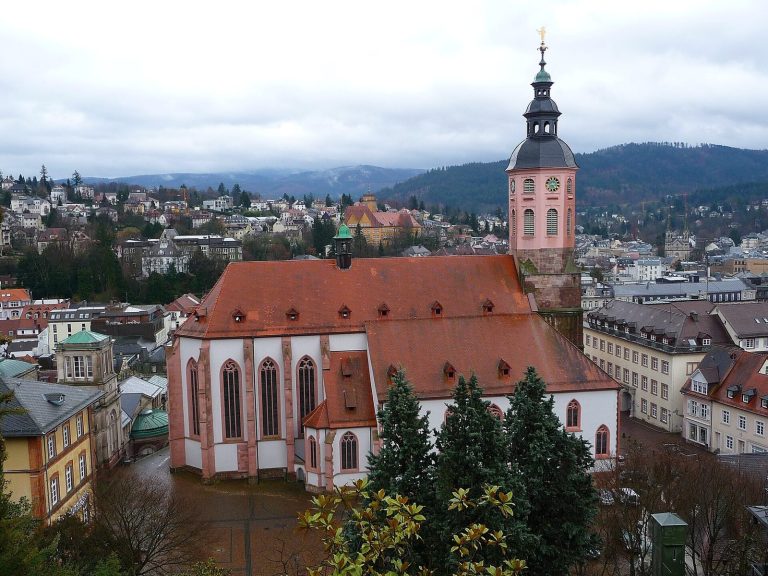
Stiftskirche in Baden-Baden is a Roman Catholic parish church whose Romanesque, late Gothic, Baroque, and modern phases preserve the history of the…
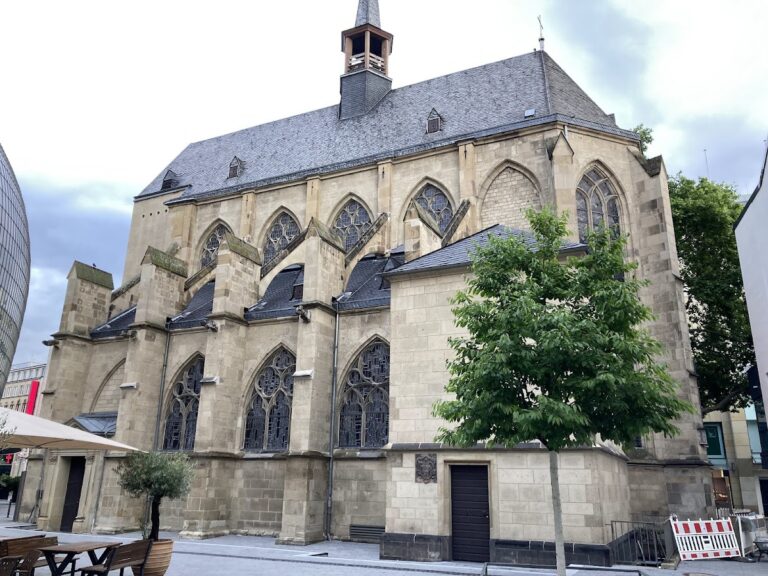
Antoniterkirche is a fourteenth-century Gothic church in Cologne that became the city’s first Protestant church after the dissolution of its…
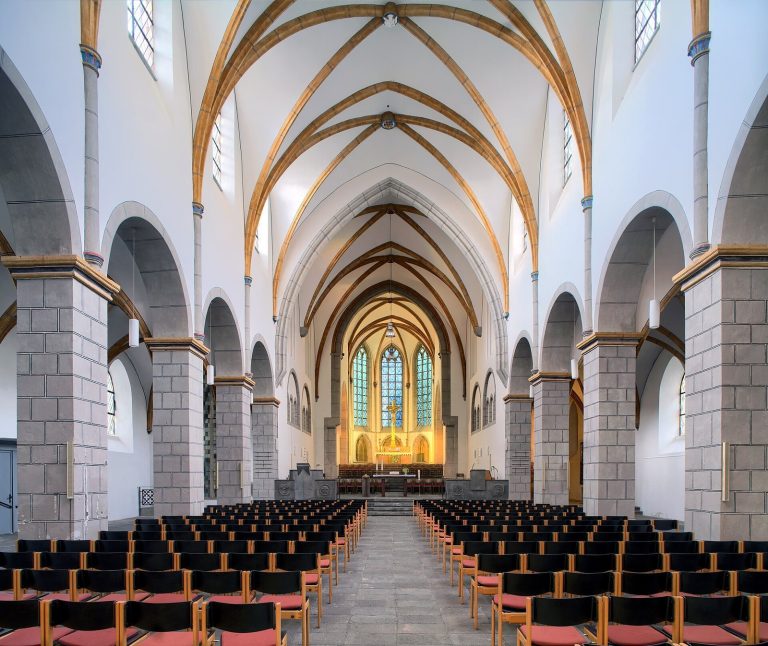
Florinskirche in Koblenz developed from a medieval collegiate church into the city’s first Protestant church. Its Romanesque structure, Gothic choir,…
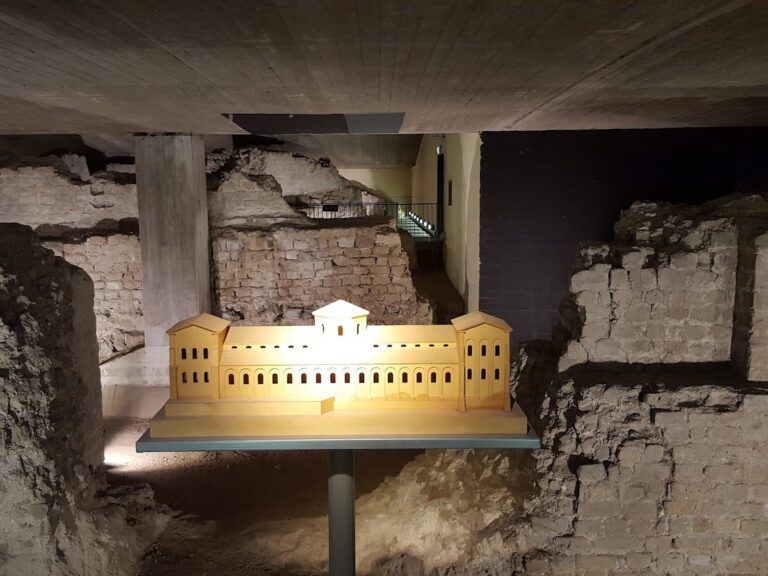
The Praetorium was the official residence and administrative centre of Cologne’s Roman governor. Its remains preserve successive Roman, Frankish, and…
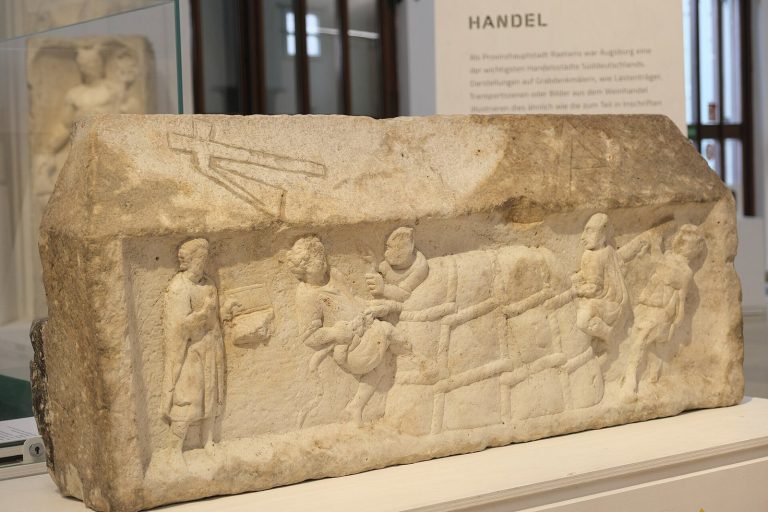
The Roman Museum, Augsburg, preserves archaeological evidence from Augsburg’s Roman past and from prehistoric, late antique, and early medieval…
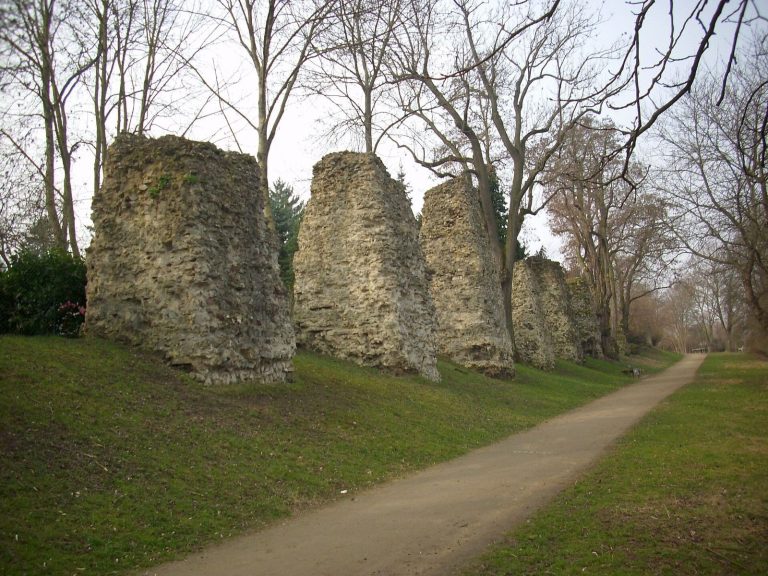
The Roman aqueduct at Mainz supplied the military base and civilian population of Mogontiacum from the Flavian period. Its surviving piers, known as…
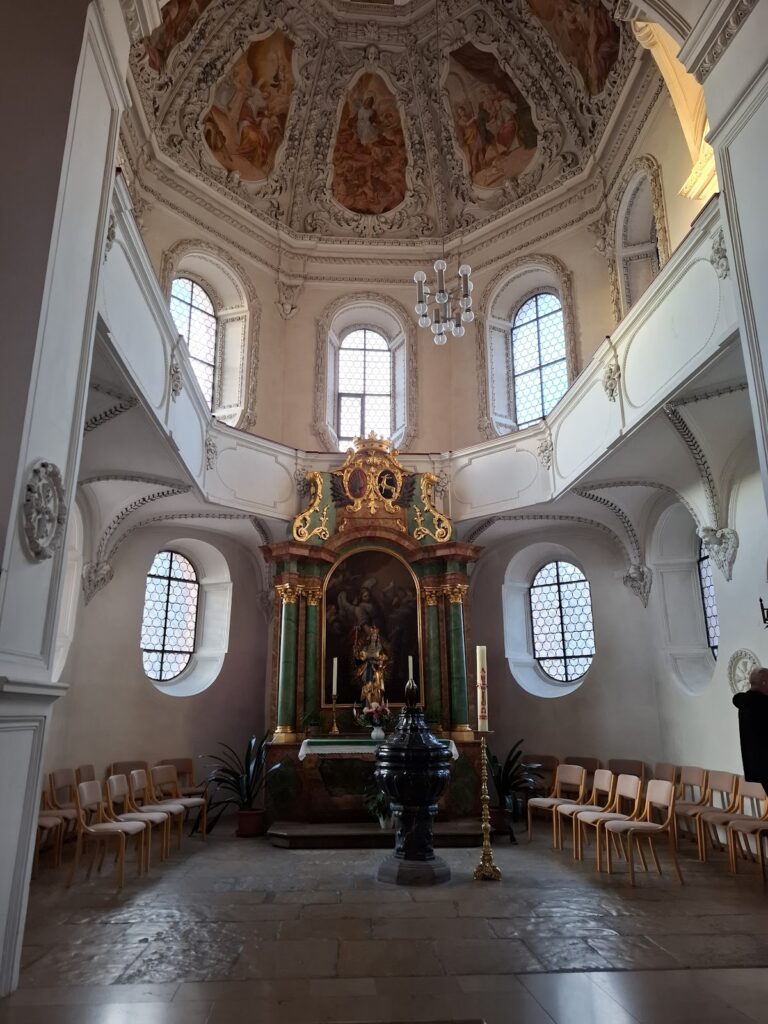
Säckingen Abbey, traditionally associated with the missionary Fridolin, developed from an early monastery on a Rhine island into an imperial convent…
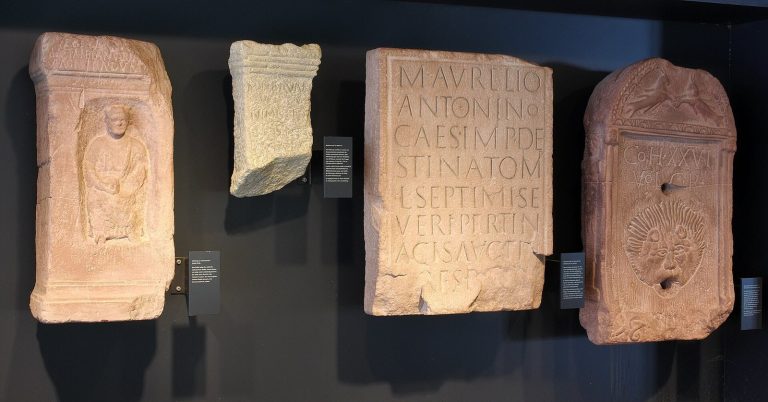
The Roman Bath Ruins preserve two ancient bathing complexes associated with Aquae, the Roman settlement at present-day Baden-Baden. They include the…
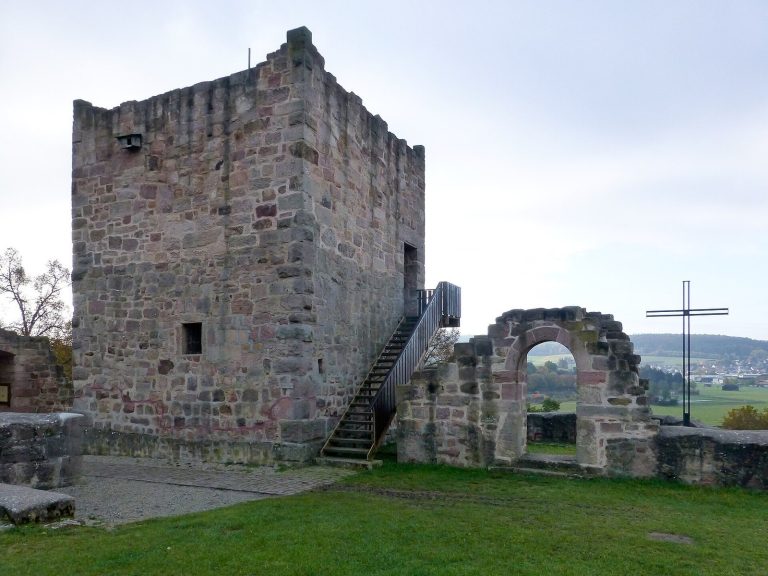
Burg Wartenberg is a ruined medieval castle near Angersbach in Hesse, built around 1220 by Friedrich of Angersbach and destroyed in 1265 during a…
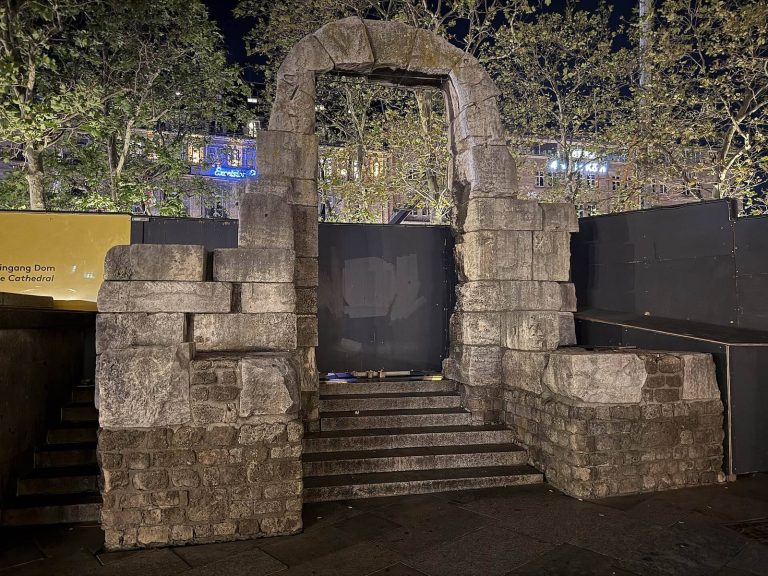
The Romans’ Northern Gate was a major entrance to Roman Cologne, carrying the northward road to Neuss. Its history spans Roman construction, medieval…

Wildenburg Castle near Kempfeld preserves evidence of Celtic, Roman, medieval, and later administrative use on the Wildenburger Kopf in the Hunsrück.
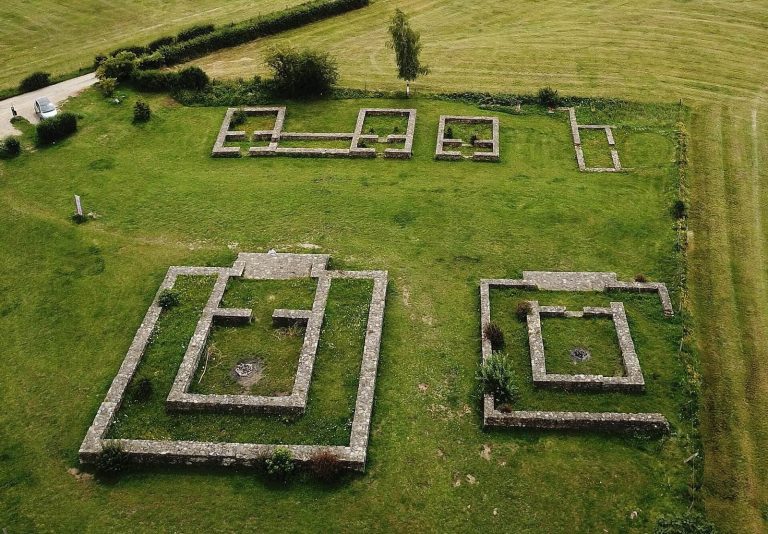
Varnenum is a preserved and partly restored Gallo-Roman temple precinct and associated settlement at Kornelimünster in Aachen, Germany. Used from the…
For details on how to use the maps, which sites are included, how popularity and ratings are determined, and how sites are classified, see the help page.
On this page6 sections
Trier’s imperial hall and unfinished baths
The Aula Palatina at Trier was built as an imperial audience hall. Thick brick walls enclose a long, column-free interior ending in a semicircular apse. Two levels of windows illuminated a room once lined with marble and heated beneath the floor and through the walls. The apse, western wall and parts of the southern wall preserve Roman masonry, while later rebuilding and postwar restoration contribute to the roofed building used as a church.
The Kaiserthermen nearby preserve the high walls of a planned bathing complex, including the apses and windows of its intended hot room. Vaulted passages below served the proposed technical installations. The baths are generally understood to have remained unfinished, although aspects of that interpretation remain under investigation. Later Roman work adapted the complex for a military garrison, so its surviving halls also belong to a history of changed use.
Xanten’s Roman town and protected bath remains
At Xanten, the archaeological park occupies part of Colonia Ulpia Traiana. The town followed a rectangular street grid, with a forum, temples, houses and public baths. Reconstructed gates, parts of the amphitheatre and a section of the harbour temple suggest the height of buildings whose excavated remains are otherwise much lower.
The Great Baths have a different form of protection. A steel-and-glass structure follows the volume of the ancient building and covers bathing pools, heating channels and furnace installations. Here the modern enclosure shelters the excavated fabric rather than reproducing a complete Roman interior.
Saalburg’s headquarters and fort enclosure
Saalburg on the Taunus ridge presents a Roman frontier fort through extensive reconstruction begun in the late nineteenth century. Its gates, enclosing wall and principal buildings were rebuilt using archaeological evidence, with some details reflecting the assumptions and choices of that period.
Inside, the central headquarters contained administrative rooms, an assembly hall and a shrine for the military standards. Reconstructed buildings also house finds of military and domestic equipment. The layout explains how the fort organised command, storage and daily activity; the standing battlements and buildings are predominantly the modern presentation of that excavated plan.
Villa rooms at Ahrweiler and Nennig
The Roman villa at Ahrweiler preserves parts of successive houses on the slope above the Ahr valley. A stone cellar from the earlier residence retains its stairway and a cooling installation that used groundwater beneath a covered channel. The bathing remains include a circular sweating room with wall niches and underfloor heating. These features record the different conditions needed for storage and bathing within a household.
At Nennig, a large mosaic survives at its original location in a villa’s reception or entrance hall. Figured panels depict arena entertainments, including encounters between attendants and wild animals. Geometric borders surround the scenes and an octagonal marble basin. The pavement is protected within a museum building; the much larger estate and its former connecting porticoes do not survive as a complete residence.
The Eifel aqueduct’s covered water channel
The Eifel aqueduct supplied Cologne through a long gravity-fed conduit. Much of its route lay below ground, protecting the water from frost and contamination. Surviving sections reveal a U-shaped channel with a vaulted cover, lined inside with reddish waterproof mortar containing crushed brick.
Inspection points, spring collection works and drainage arrangements accompanied the conduit. Some features have been reconstructed for interpretation, including part of the bridge at Vussem. The covered sections preserve a different part of Roman water engineering from the high arcades commonly associated with aqueducts: a carefully graded route carried through the ground itself.
Explore the collection
Explore sites on the map or in the grid. Map icons reflect each site’s primary function, helping you identify different kinds of places at a glance. Narrow the results by primary function, site type or era, with additional filters for popularity and rating. Select a map marker to view the site’s details and open its article, or open the article from its grid entry.