Historic Sites in Uzbekistan: Explore Fortresses, Madrasas and Mausoleums
Explore more than 100 historic sites in Uzbekistan, including desert fortresses, brick mausoleums, tiled madrasas and royal palaces. Religious buildings form a large part of the collection, alongside places built for government, defence and trade. The examples below range from the earthen strongholds of Khorezm to the courtyards and carved timber interiors of Bukhara, Samarkand and Khiva.
Primary Function: All
Type: All
Civilization: All
Popularity: All
Rating: All
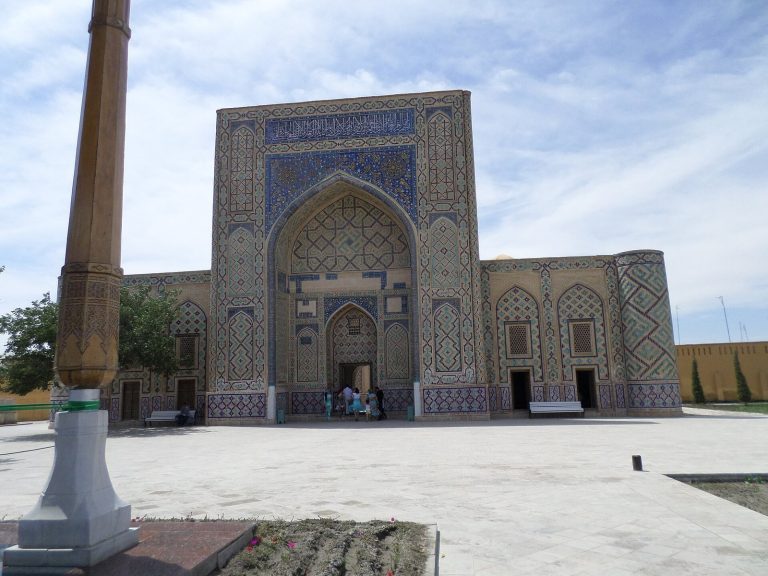
Ulugh-Beg Madrasah in Gijduvan, Uzbekistan, was founded in 1432–33 beside the grave of the Sufi teacher Abdul Khaliq Ghijduwani. It served as an…
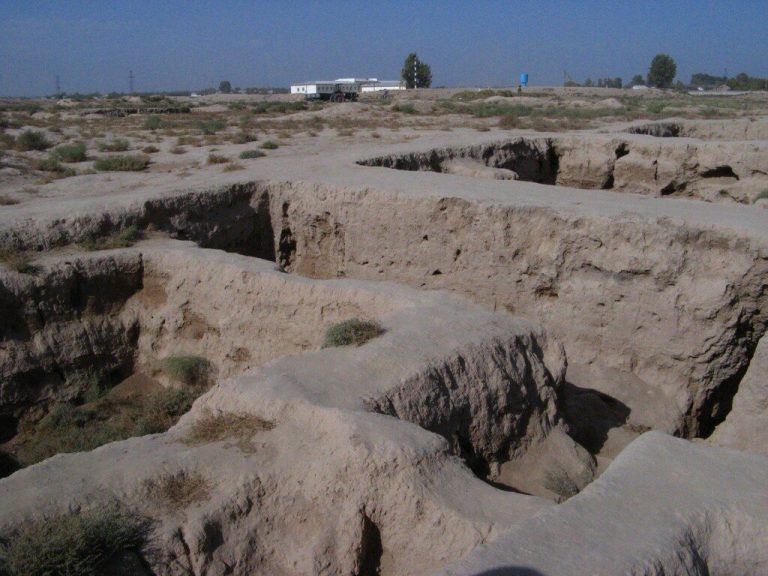
Dalverzin Tepe preserves the remains of a fortified settlement founded in the 3rd century BC, later expanded under the Kushan Empire and abandoned…
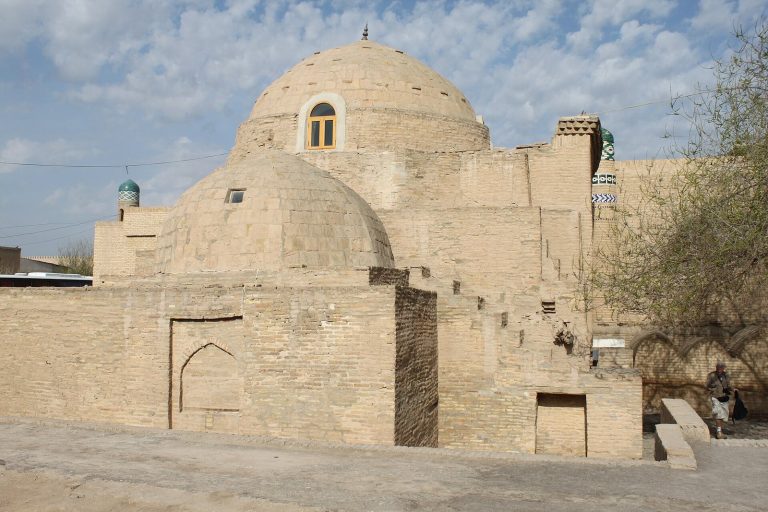
The Sayid Alaouddine mausoleum in Khiva is a funerary monument built over the grave of the Sufi shaykh Sayid Alauddin. Founded in 1303, it became a…
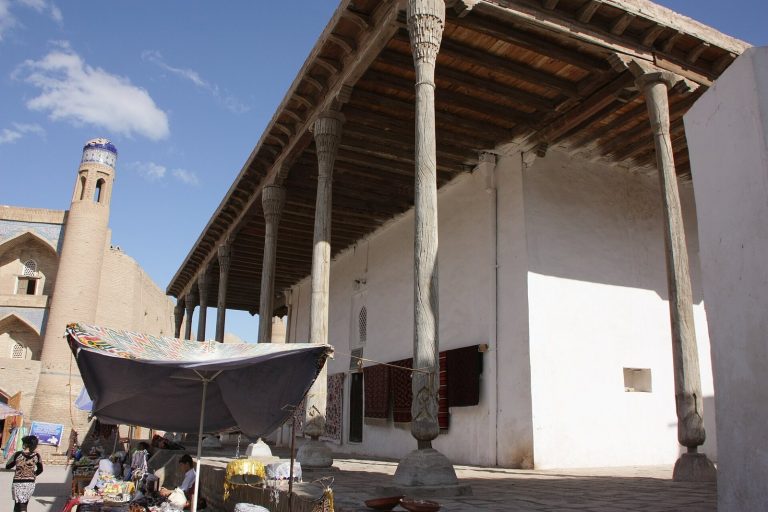
Ak Mosque is a small quarter mosque in Khiva’s walled old city, built over seventeenth-century foundations and completed in the nineteenth century.…
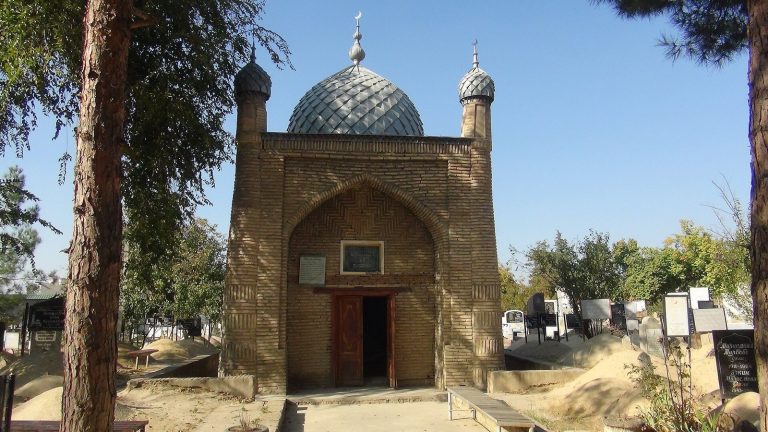
Cho'ponota Mausoleum in Tashkent is an eighteenth-century Islamic monument associated with the legendary protector of shepherds and sheep flocks. Its…
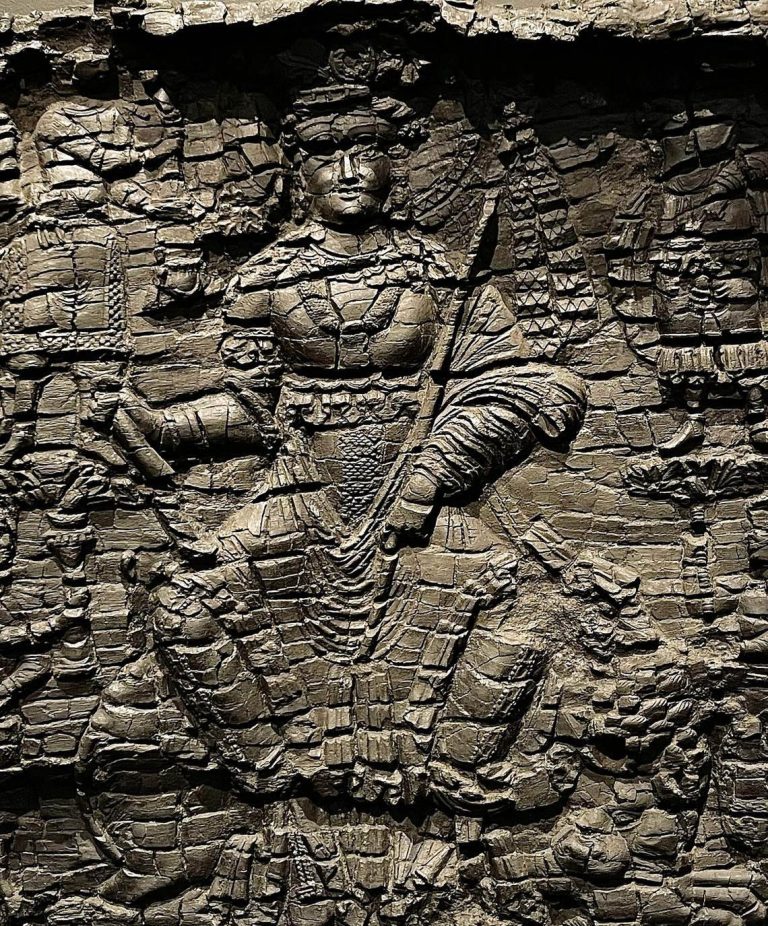
Kafir-kala is an ancient mudbrick fortress south of Samarkand, occupied by the Kidarites and later affected by the Islamic conquest of 712 CE. Its…
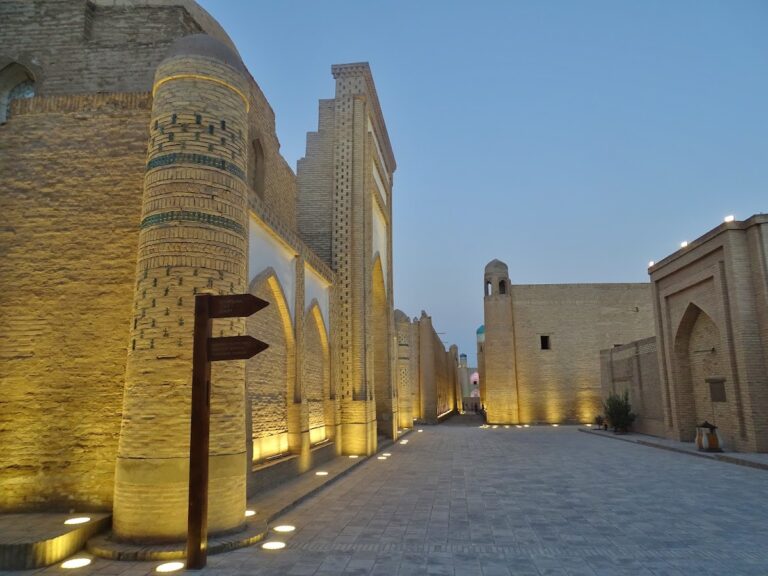
Muhammad Amin Inoq Madrasa is an eighteenth-century Islamic educational institution in Ichan Kala, Khiva, built in 1785 and now protected as part of…
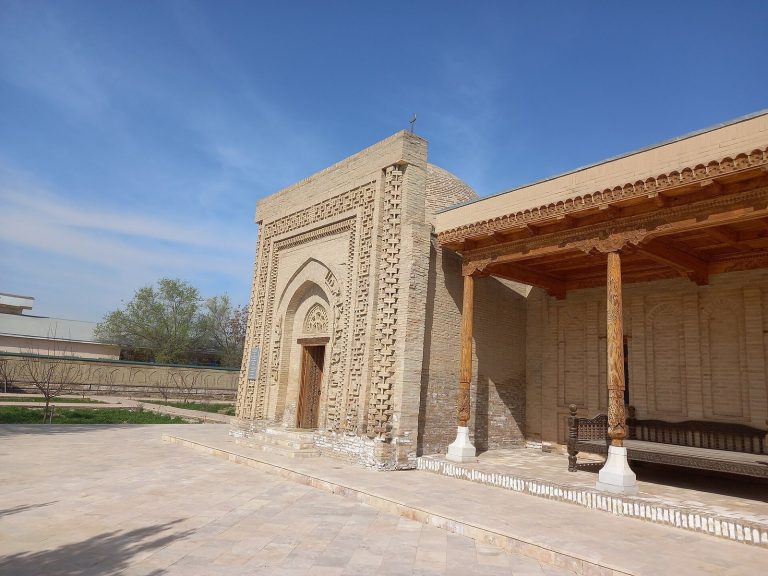
Mir-Sayid Bakhrom Mausoleum in Karmana is a tenth- or eleventh-century monument associated with the Samanid period and noted for its compact…
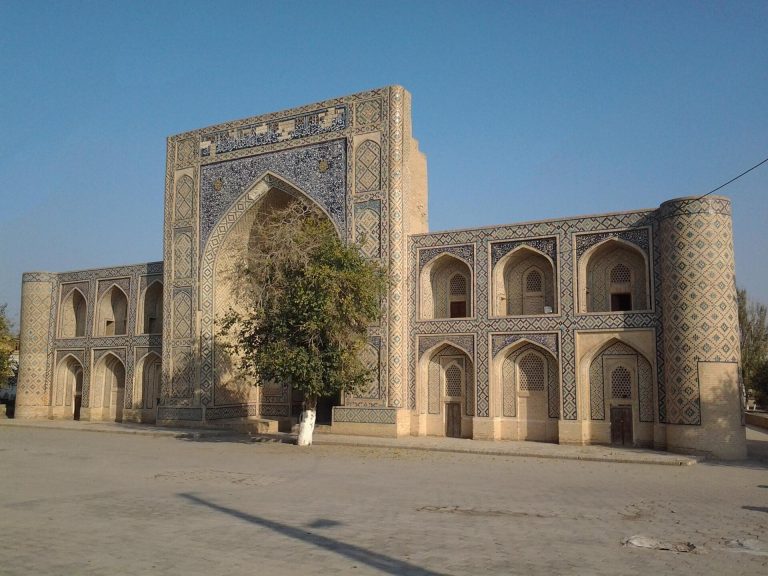
Built in 1566–1567 under Abdullah Khan II, Modari Khan Madrasa is one half of Bukhara’s Koshmadrasa pair and preserves richly decorated brick…
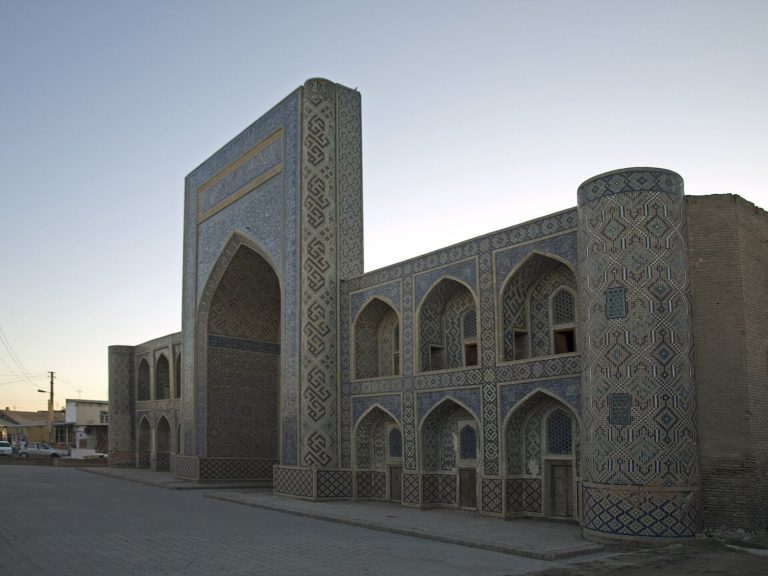
Abdullah Khan Madrasa is a sixteenth-century Islamic educational complex in Bukhara, built under Abdullah Khan II and preserved as part of the paired…
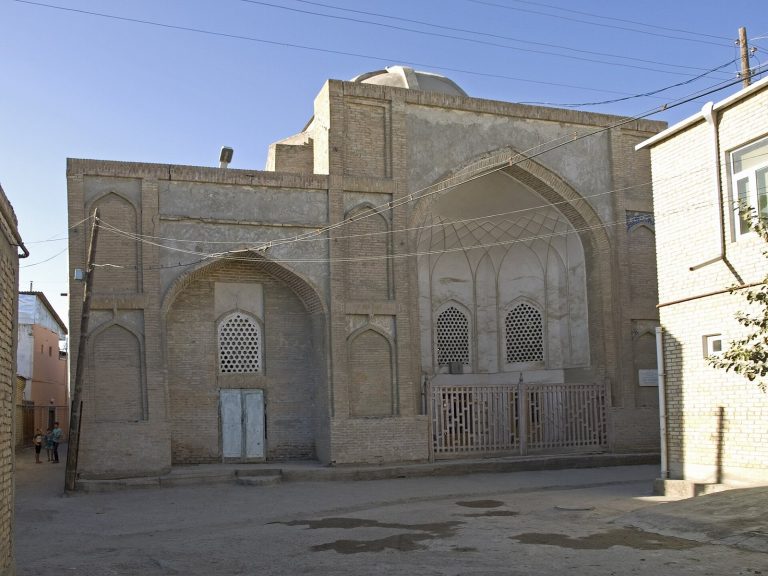
Hoja Zayniddin Mosque and Khanqah is a sixteenth-century Sunni mosque and Sufi lodge in Bukhara, Uzbekistan. Its painted prayer hall, shrine, hujras,…
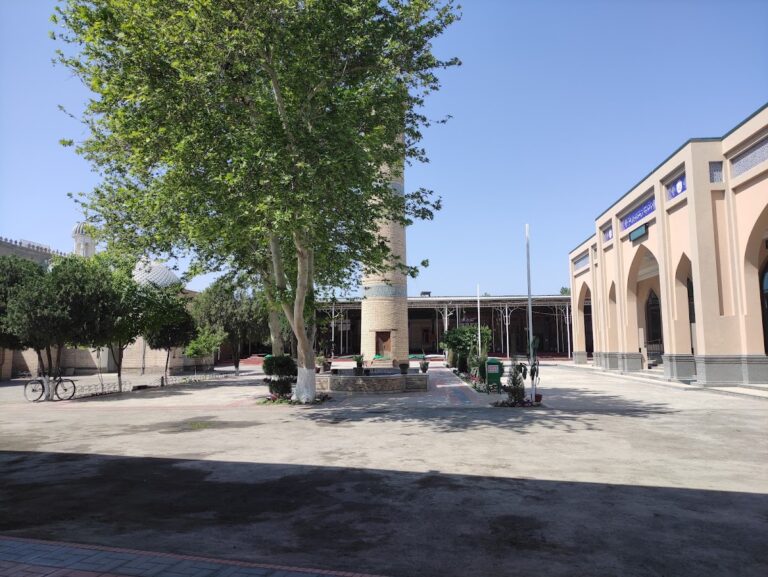
Podsho Pirim Complex in Uzbekistan developed around the grave of Shah-i Jari, an Islamic preacher associated with the Fergana Valley. Its surviving…
For details on how to use the maps, which sites are included, how popularity and ratings are determined, and how sites are classified, see the help page.
On this page7 sections
Desert fortresses and urban citadels
Ayaz-Kala consists of three fortresses built in different periods on and around hills overlooking the Kyzylkum Desert. The largest hilltop enclosure has a rectangular plan, projecting towers and a gateway protected by a confined entrance chamber. Inner and outer walls enclosed a vaulted defensive corridor. The approach beside the walls exposed anyone advancing towards the gate to defenders above.
The Ark of Bukhara rises on an artificial mound formed through repeated occupation and rebuilding. A ramp climbs between two entrance towers into a covered passage, which gave access to storage spaces and prison cells before reaching the buildings above. Although the citadel has ancient origins, its surviving internal buildings belong chiefly to the seventeenth century and later. Its high enclosure held a royal residence and administrative spaces within the city.
The Samanid Mausoleum: patterned brickwork
The Samanid Mausoleum in Bukhara is a compact dynastic tomb generally dated to the late ninth or early tenth century. Four similar façades surround a square chamber, with a recessed arched opening on each side. Rounded corner supports and a large central dome give the building a clearly defined outline.
Baked brick supplies both the structure and its ornament. Bricks laid at different angles create basketweave patterns, rosettes and alternating raised and recessed surfaces. An arcade below the roof admits light through small openings, while arched supports inside carry the dome above the square chamber. Much of the decoration depends on the shadows cast by the masonry itself.
Ulugh Beg Madrasa’s teaching courtyard
The Ulugh Beg Madrasa faces Samarkand’s Registan Square with a high entrance portal and corner minarets. Founded by the fifteenth-century Timurid ruler and astronomer, it arranged teaching rooms and student accommodation around a paved courtyard. Four iwans, or vaulted spaces open on one side, mark the courtyard’s axes.
Two levels of student cells face into this enclosed space. Large corner rooms served as lecture halls, while the entrance façade addressed the public square. The building has undergone extensive restoration, including work to straighten its eastern minarets; its standing appearance incorporates that conservation history.
Khiva’s Friday Mosque: carved timber columns
Inside Khiva Friday Mosque, rows of wooden columns carry a broad, flat roof. Plain external walls enclose the prayer hall, whose decoration is concentrated in the carved supports. The present arrangement largely follows an eighteenth-century rebuilding of a much older mosque.
The columns differ in carving, proportions and date. Medieval examples were reused alongside later work, with some shortened or raised on bases to fit the roof level. The interior therefore preserves timber from several building periods within a single columned hall.
Ak-Saray’s palace entrance
At Ak-Saray Palace in Shahrisabz, two enormous surviving pylons mark the entrance to Timur’s royal residence, begun in 1380. The arch that joined them has collapsed, leaving their masonry cores and patches of coloured tilework exposed. These standing fragments belonged to a much larger complex of courtyards, residential rooms and spaces for public ceremonies. The scale of the gateway gives a measure of the vanished palace without suggesting that its interiors survive intact.
Rabati Malik and the caravan route
Rabati Malik stands on the historic route between Bukhara and Samarkand. Its eleventh-century enclosure developed through several building phases and later served caravans. A tall entrance portal survives from a façade whose flanking walls and towers have disappeared. Carved terracotta and plaster ornament frame the pointed arch, while excavated courtyards record the extent of the buildings behind it.
Explore the collection
Use the map and grid to find sites by primary function, site type, civilization or era, with additional filters for popularity and rating. Map icons indicate each site’s primary function. Select a marker to see its details and open the article, or follow the article link from its grid entry.