Spanish Kingdoms and Empire: Explore Royal Palaces, Gates and Monasteries
Explore more than 1,500 sites associated with Spanish history and the kingdoms of Castile, Aragon, León, Navarre and Asturias. The collection includes royal residences, city defences, cathedrals and monastic foundations. It follows these historical connections beyond modern Spain, including palaces in Perpignan and Naples. The examples distinguish the work of particular kingdoms and rulers within buildings repeatedly altered over time.
Primary Function: All
Type: All
Civilization: All
Country: All
Popularity: All
Rating: All
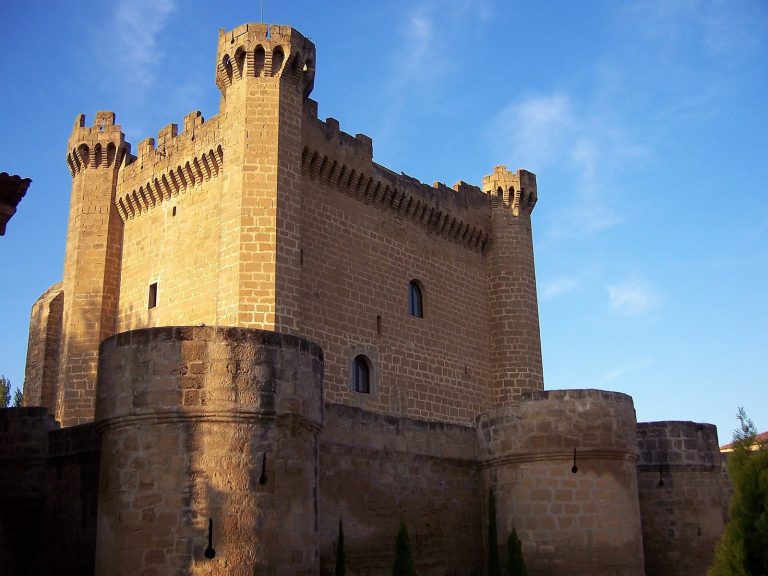
Castle of Sajazarra is a fifteenth-century fortress in La Rioja, Spain, built over earlier defenses and later adapted as a noble residence. It is now…
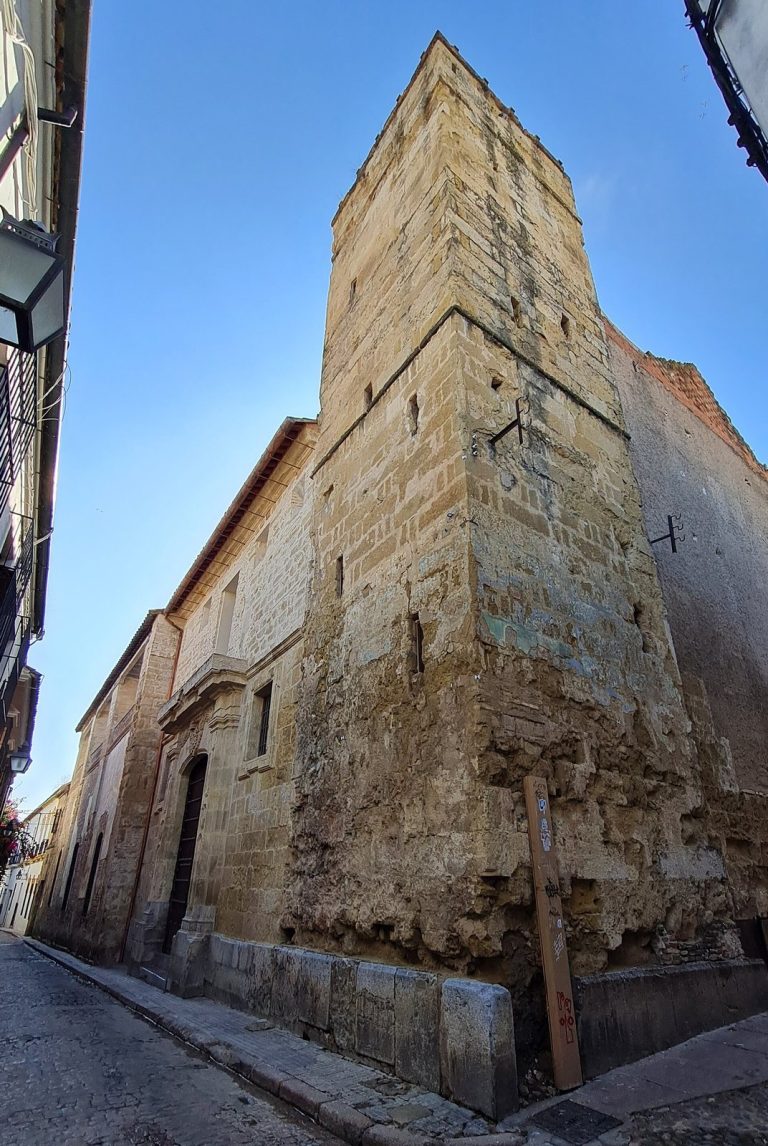
Convento de Santa Clara in Córdoba incorporates a tenth-century mosque, earlier remains traditionally linked to a Byzantine-period basilica, and…
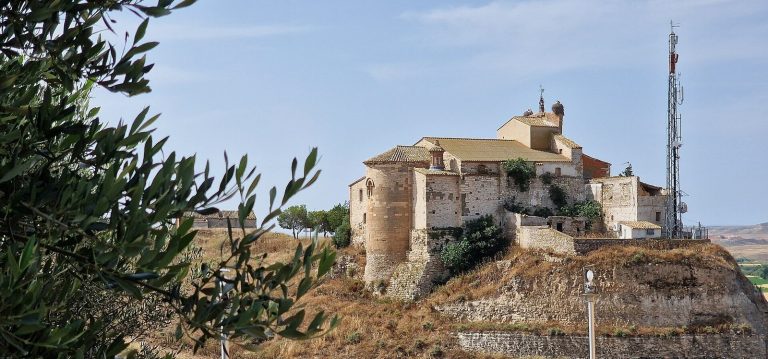
The hermitage of San Nicolás de Bari in Velilla de Ebro preserves a thirteenth-century Romanesque apse and crypt within an eighteenth-century Baroque…
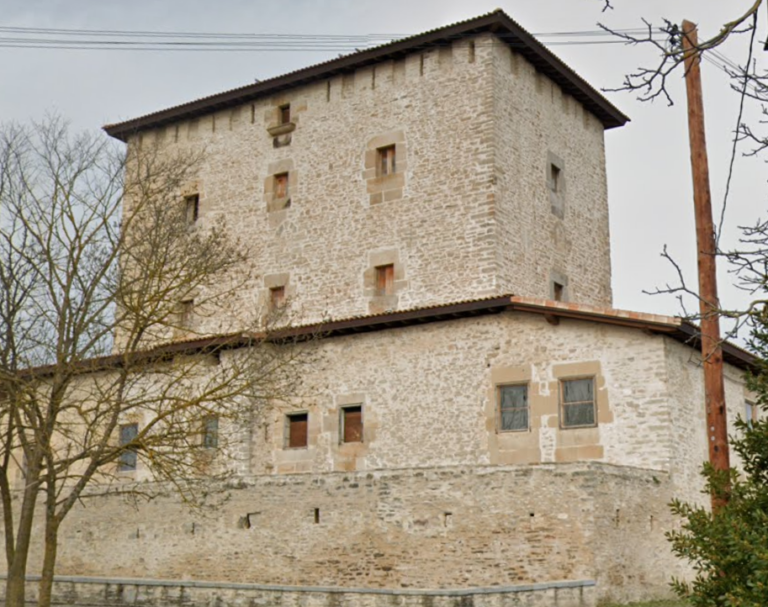
Martioda Tower is a late thirteenth-century Gothic stronghold in Mártioda, later incorporated into an eighteenth-century palace by the Hurtado de…
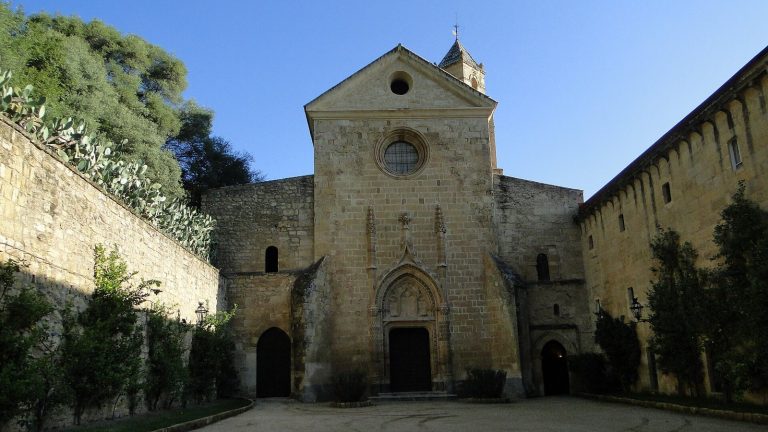
Founded in 1405 near Córdoba, Monasterio de San Jerónimo developed into a Royal Hieronymite monastery with Gothic and Isabelline features, later…
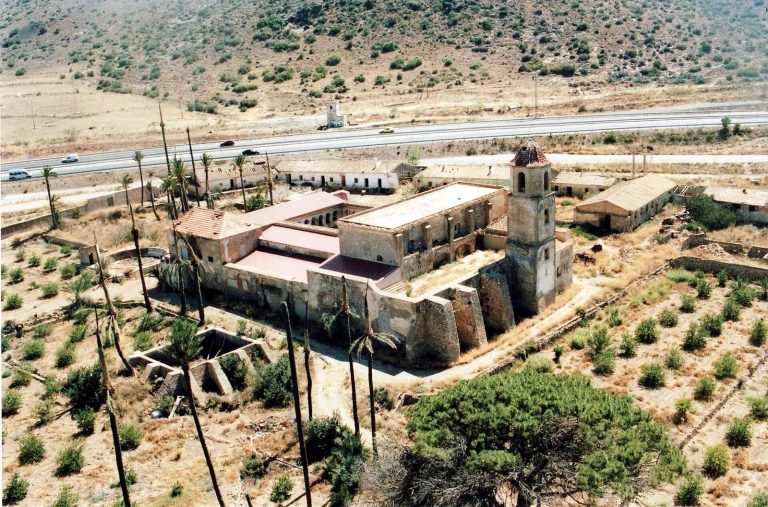
The Monastery of San Ginés de la Jara near Cartagena preserves the history of a revered Christian monastic site, a sixteenth-century Franciscan…
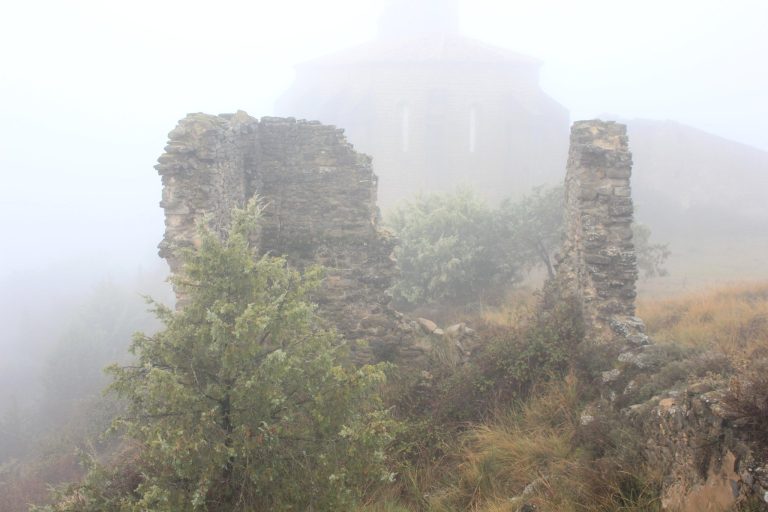
Olson Castle is a medieval fortress above Olsón in the Susía Valley of Aragon. Its surviving walls and vaulted tower chamber reflect its strategic…
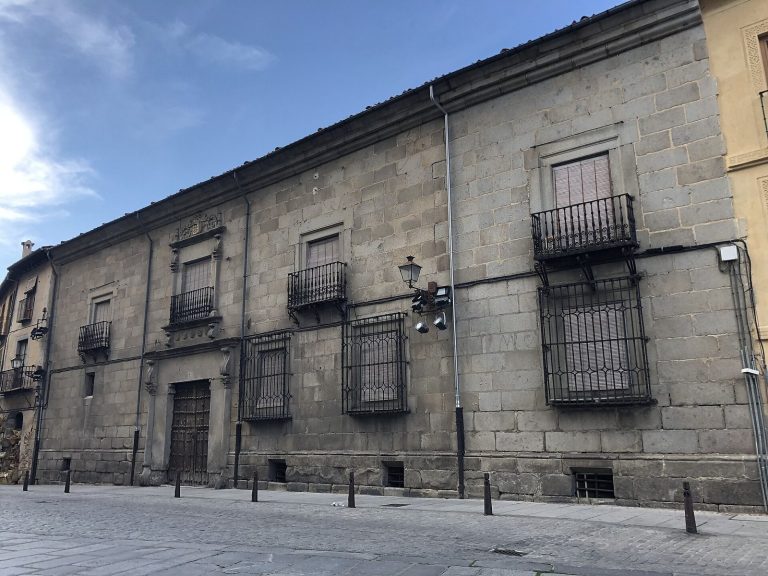
The Palace of the Marqués del Arco is a sixteenth-century Renaissance palace in Segovia, known for its Plateresque granite facade, decorated…
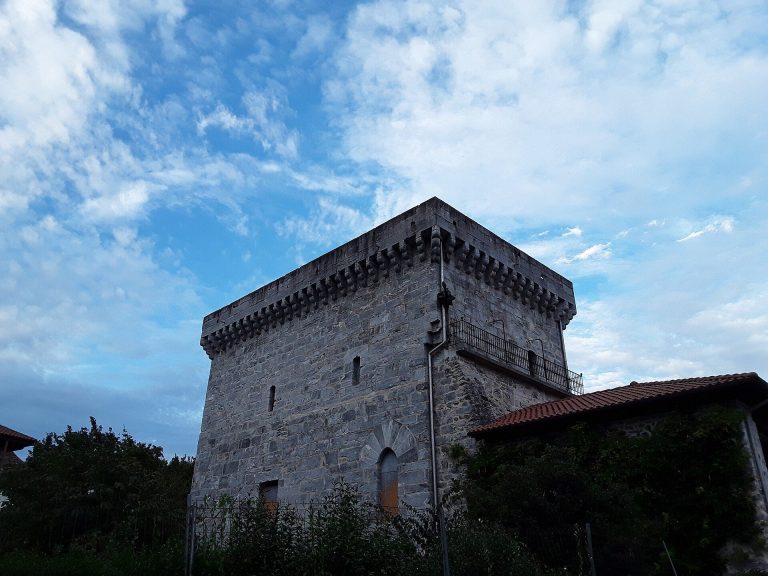
The Palace of Zabaleta is a fifteenth-century fortified residence in Lesaka, Navarre, rebuilt after a 1444 attack and later used to house…
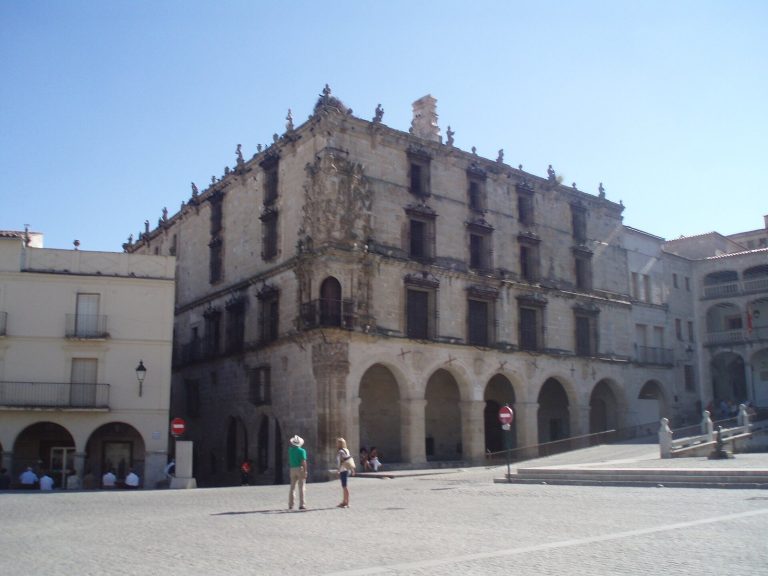
Palacio de la Conquista is a sixteenth-century Renaissance palace in Trujillo, built by the Pizarro family and associated with the Spanish conquest…
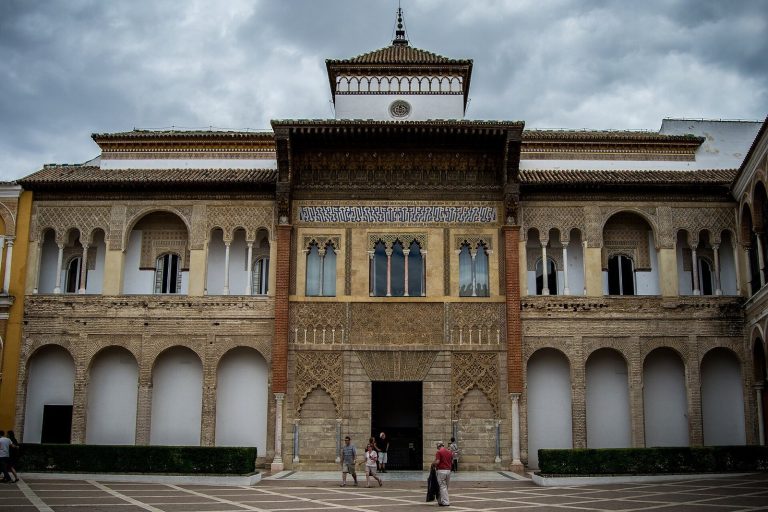
The Palacio del Rey don Pedro is a fourteenth-century royal palace within Seville’s Reales Alcázares, commissioned by Peter I and shaped by…
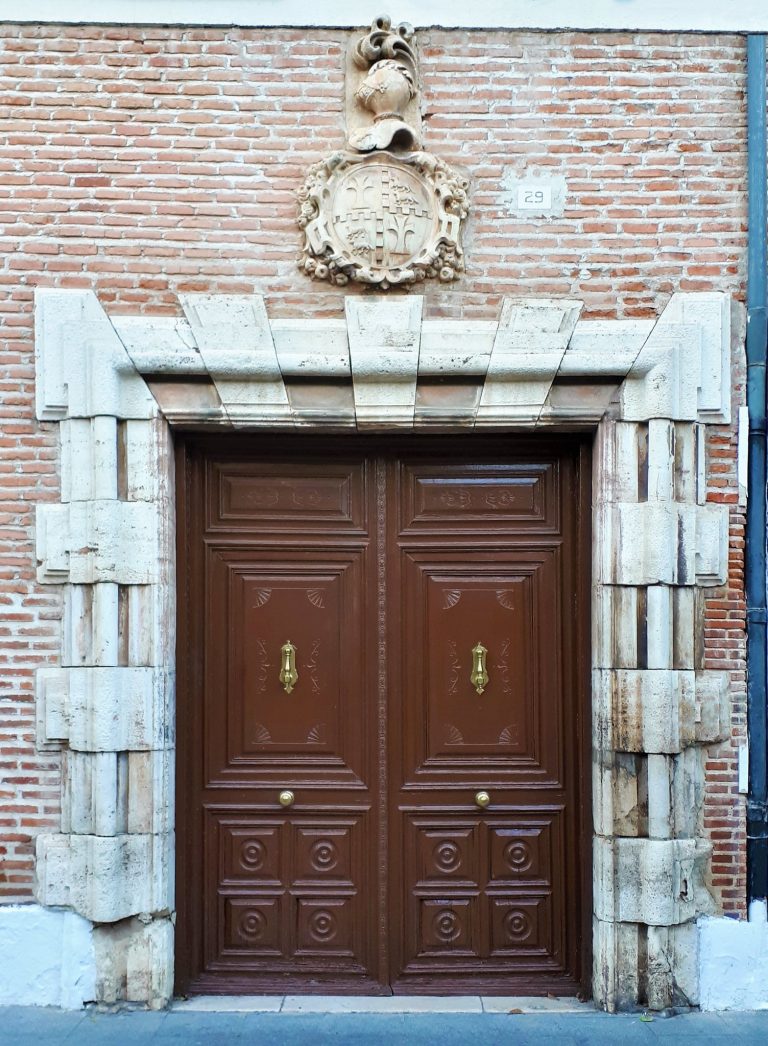
Palacio Laurent, also known as the Aranaz Palace, is an eighteenth-century Baroque residence in Alcalá de Henares later associated with photographer…
For details on how to use the maps, which sites are included, how popularity and ratings are determined, and how sites are classified, see the help page.
On this page7 sections
Castilian royal residences
The Alcázar of Segovia occupies a narrow rock above the meeting of two rivers. Its irregular enclosure accommodates fortified entrances, a chapel and successive royal halls. Castilian rulers expanded the medieval residence, while later work under Philip II added slate-covered spires and other alterations.
The standing towers and walls surround interiors with decorated ceilings and ceremonial spaces. A major fire in 1862 destroyed much of the roofing and interior woodwork. Subsequent reconstruction used earlier drawings to recover their appearance, so the complete-looking rooms combine surviving masonry with restored decoration.
At the Alcázar of Seville, Peter I of Castile commissioned a new palace in the fourteenth century within an older Islamic enclosure. Its façades, carved plasterwork, tiled surfaces and timber ceilings adopted Andalusi architectural forms for a Christian royal household. Inscriptions explicitly identify the Castilian king as patron.
The Patio de las Doncellas contains arcaded galleries around a long basin and sunken planting beds. These garden features were uncovered beneath later paving and restored after excavation in the early 2000s. The surrounding palace retains medieval work alongside Renaissance galleries and subsequent repairs.
Palma Cathedral’s high Gothic interior
Palma Cathedral developed after the Aragonese conquest of Mallorca in 1229. Its three-aisled interior has no projecting transept or ambulatory. Tall central vaults rise above the side aisles, with buttresses and flying arches supporting the exterior walls.
The eastern chapels and later nave belong to different construction campaigns within a building that continued to change for centuries. Chapels also occupy the spaces between the buttresses. The cathedral’s position above Palma Bay places this large religious interior directly beside the city’s coastal defences; later alterations and furnishings should be distinguished from its medieval royal foundation.
Valencia’s Serranos Gate
The Torres de Serranos formed a fortified entrance to Valencia under the Crown of Aragon. Two polygonal towers flank a central gateway, with upper passages connecting their rooms and terraces. A masonry core faced in cut limestone gives the exterior its massive form.
The city-facing side is open, exposing arched chambers and the route between the towers. Later prison partitions were removed during restoration, which also repaired defensive openings and stairs. Royal and municipal arms on the frontage identify the gate with both the wider crown and the city that commissioned it.
The Mallorcan court at Perpignan
The Palace of the Kings of Majorca was built for James II in the later thirteenth century. Its location in present-day France reflects the kingdom’s territories on both sides of the Mediterranean. Residential and administrative buildings surround three courts inside a fortified enclosure.
Two superimposed chapels occupy a tower beside the royal apartments. Galleries, balconies and halls provided spaces for council meetings, audiences and household circulation. Sixteenth-century Spanish works and later French additions enlarged the defences around the medieval palace, leaving distinct residential and military phases within the same site.
Philip II’s monastery-palace at El Escorial
The Royal Monastery of San Lorenzo de El Escorial was built principally between 1563 and 1584. Its western entrances distribute movement towards the school, monastery and central Court of the Kings. The library occupies the range above the principal approach to the basilica.
The domed church stands at the centre of a much larger arrangement of courts and corridors, with royal apartments and monastic rooms on different sides. Its high altar combines coloured stone, bronze sculpture and paintings. The building brought worship, learning, residence and dynastic burial into one closely organised royal foundation.
Naples’s Spanish viceregal palace
The Royal Palace of Naples was begun in 1600 for the Spanish viceroys. Its long façade uses repeated pilasters and three superimposed architectural orders, with dark volcanic stone details against warmer brick surfaces. The main entrance carries the arms of Philip III.
The original ground-floor porticoes allowed circulation along the frontage, but many arches were enclosed during eighteenth-century alterations. Statues installed in those later niches belong to a further nineteenth-century campaign. The palace retains its viceregal framework within a residence subsequently adapted by Bourbon, Napoleonic and Italian authorities.
Explore the collection
Explore by country, primary function, site type and era in the map or grid. The civilization filter distinguishes the included kingdoms and Spanish label, with popularity and rating providing further choices. Map markers and grid entries both lead to individual site articles.