Palace of the Marqués del Arco: A Segovian Renaissance Palace
Site at a Glance
- Rating
- 4.7
- Popularity
- Very Low
- Country
- Spain
- Primary era
- Early Modern
- Eras represented
- Early Modern
- Civilizations
- Crown of Castile, Spanish
- Site type
- Domestic
- Remains
- Elite Residence
On this page8 sections
History
Construction and Attribution
The Palace of the Marqués del Arco is a sixteenth-century Renaissance palace in Segovia, Spain. Estimates place its construction between the mid-1530s and 1550, although the exact date remains uncertain. Its design has sometimes been attributed to Rodrigo Gil de Hontañón, a sixteenth-century Spanish architect.
Royal Ownership and the Marqués del Arco Title
In 1567, Philip II expropriated the palace and granted it to Cardinal Espinosa, a senior Catholic cleric and royal official. Espinosa sold the building in 1572 to the Márquez de Prado family.
The title of Marqués del Arco was granted to Gaspar José Márquez de Prado y Bracamonte in 1687. After this grant, the building became known as the Palace of the Marqués del Arco.
Remains
Layout and Architectural Features
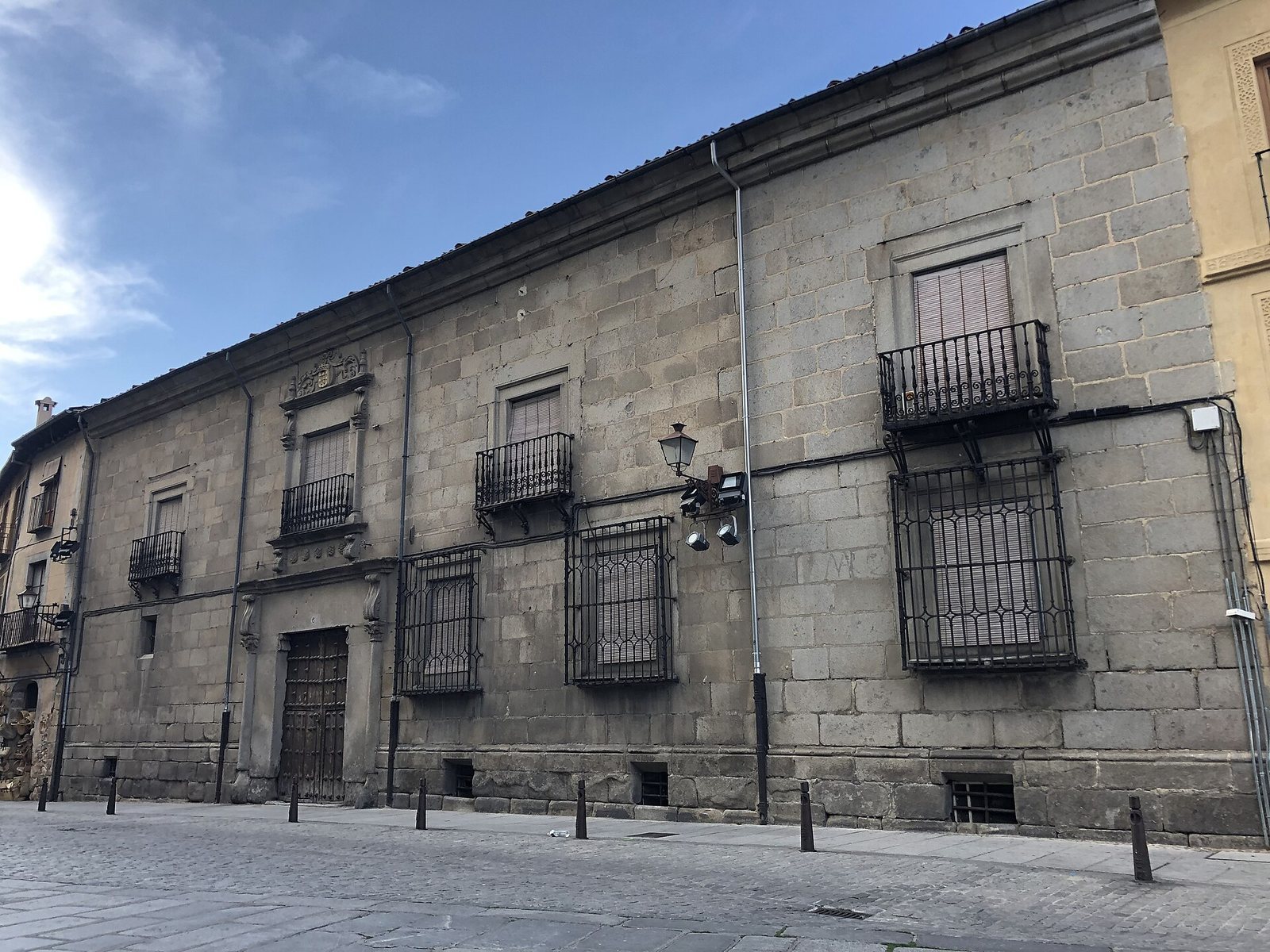
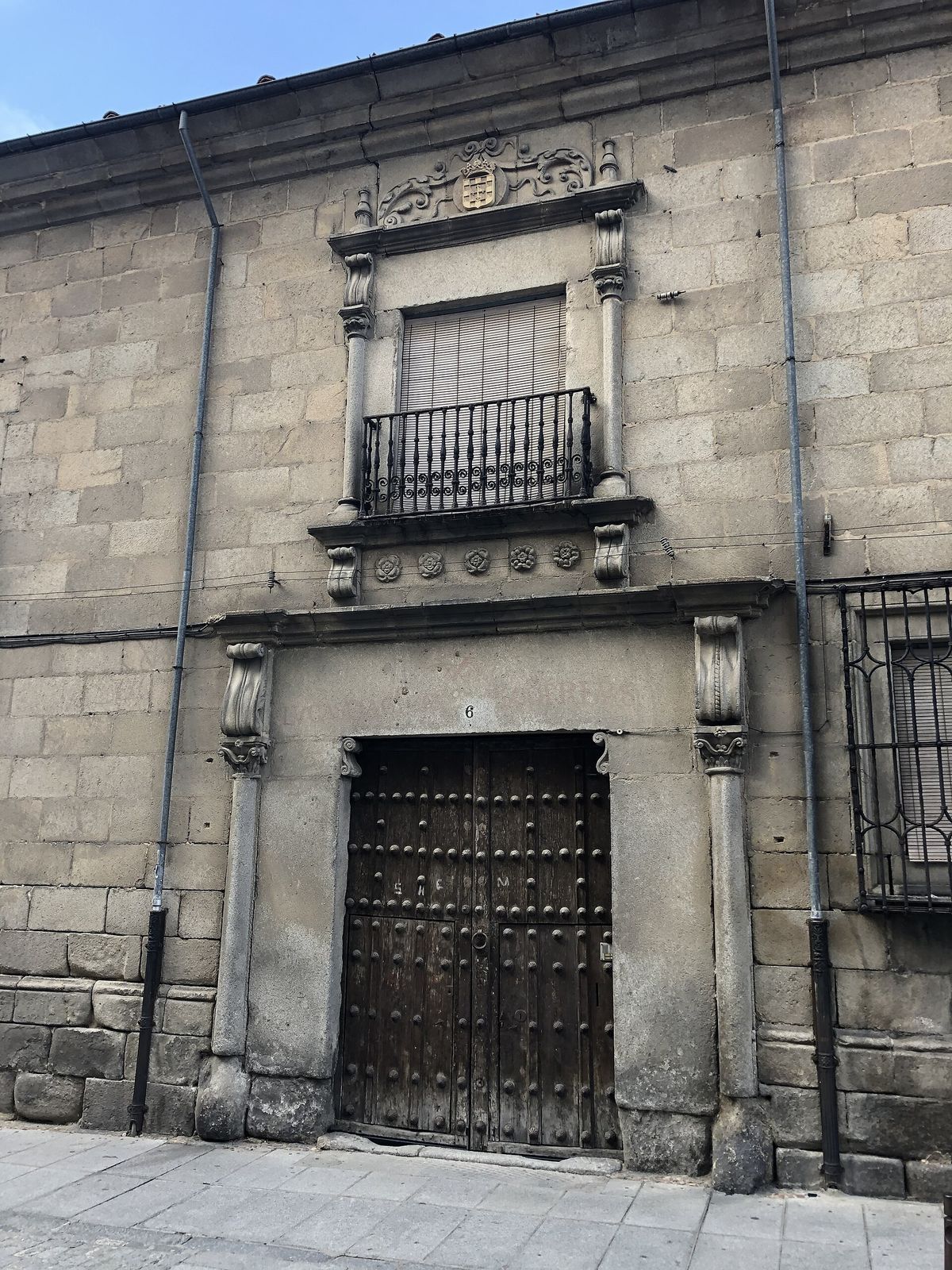
The palace follows the form of a Segovian Renaissance residence, with a ground floor, a principal floor, and two basement levels. Its principal facade on Calle del Marqués del Arco is constructed in granite and combines a richly ornamented Plateresque entrance portal with three ground-floor windows, three balconies on the upper floor, and an additional balcony linked to the entrance.
Granite Facade
The facade’s Plateresque decoration is concentrated around the entrance portal and its openings. The arrangement includes the three lower windows, the three upper balconies, and the further balcony associated with the portal, creating the palace’s prominent exterior elevation on the street.
Plateresque Courtyard
Inside, a major Plateresque courtyard has covered arcaded galleries along three sides. Sixteen medallions decorate the galleries, presenting distinguished historical figures. Inscriptions identify Recaredo, a Visigothic king; Don Pelayo, an early medieval Iberian ruler associated with Asturias; the Roman emperors Theodosius, Trajan, and Vitellius; Charlemagne, an early medieval Frankish emperor; and Frederick Barbarossa, a twelfth-century Holy Roman Emperor.
Staircase
The staircase is another notable feature of the building and forms part of its surviving architectural character.