Seljuk Historic Sites: Explore Caravanserais, Mosques and Tombs
Explore more than 100 historic sites connected with Seljuk history, including caravanserais, mosques, madrasas, hospitals, tomb towers and fortresses. The collection is concentrated in Turkey and Iran, with further sites across Central Asia and neighbouring regions. It includes the architecture of the Great Seljuk world and the Seljuks of Rum in Anatolia.
Carved stone portals, timber prayer halls and patterned brick façades give these buildings distinct forms. Their plans also reveal their uses: sheltering travellers, treating patients, teaching students or commemorating rulers. The examples below introduce that range through substantial surviving structures and identify later repairs where they changed the building.
Primary Function: All
Type: All
Country: All
Popularity: All
Rating: All
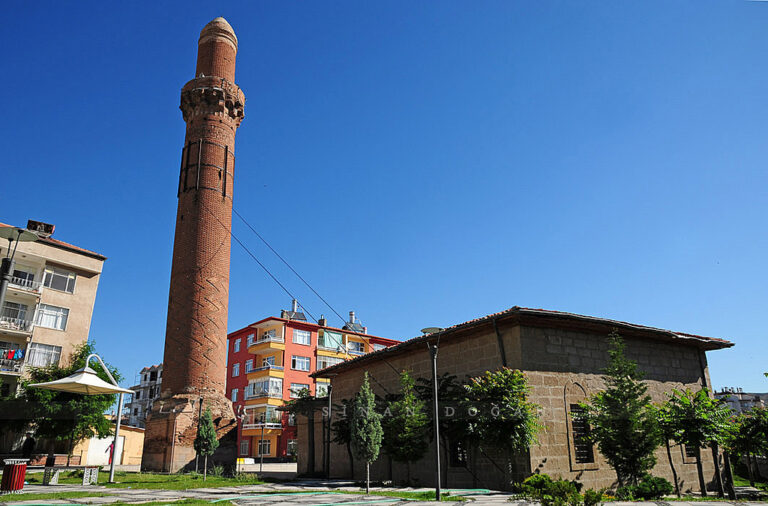
Aksaray Red Mosque is an Anatolian Seljuk religious monument known for its red-brick minaret, colorful tile mosaics, and distinctive lean. Its…
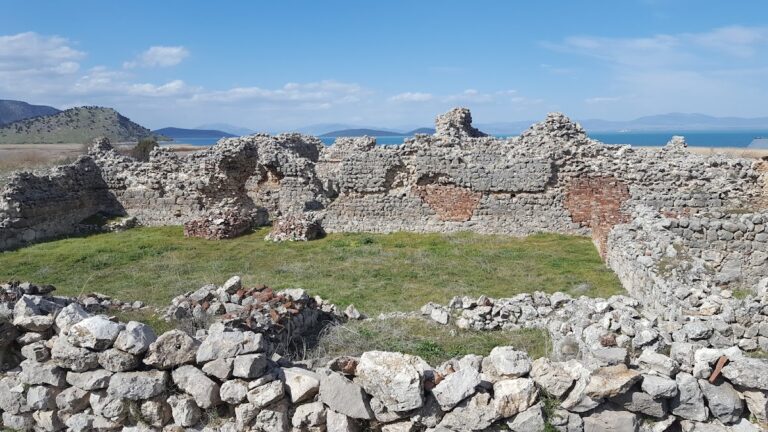
Kubadabad Palace was a lakeside complex of summer residences commissioned by Sultan Kayqubad I in the early thirteenth century. Its remains preserve…
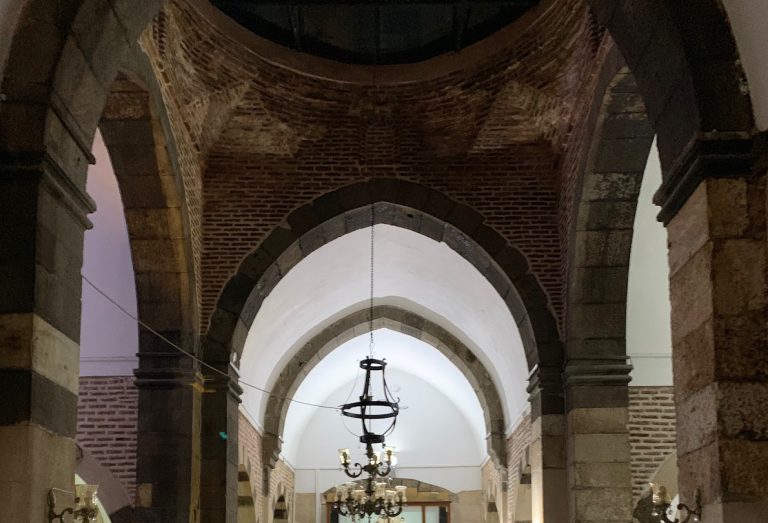
Çay Han, also known as Taş Han, is a late thirteenth-century Seljuk caravanserai built at the meeting point of major caravan routes in Çay,…
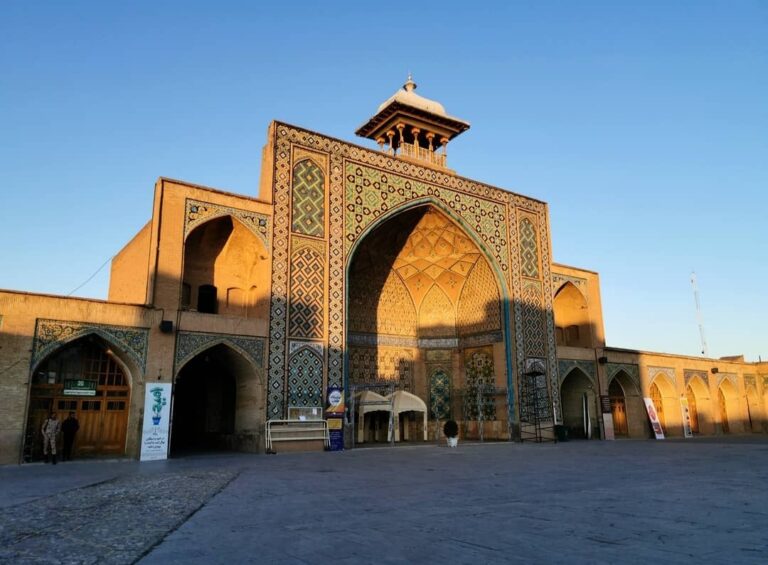
Jameh Mosque of Qazvin is a major congregational mosque whose surviving complex brings together Abbasid, Seljuk, Safavid, Qajar, and later…
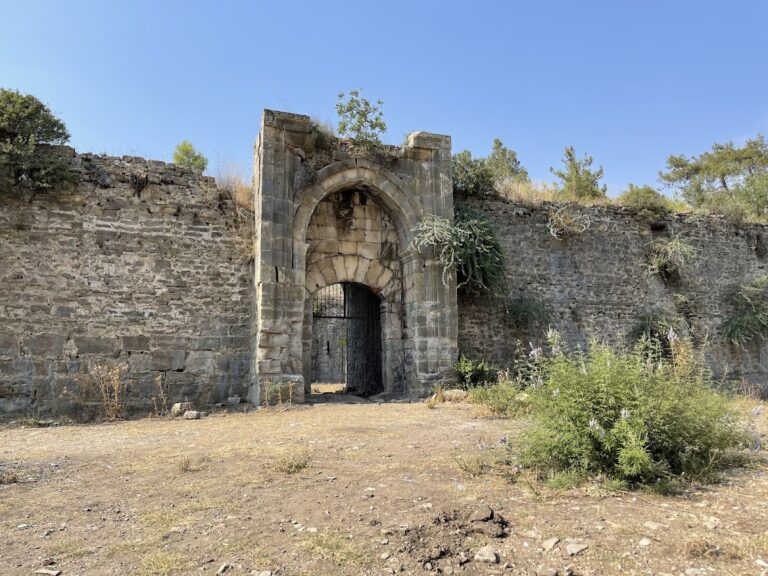
Kargı Han is a thirteenth-century Seljuk caravanserai near Beydiğin in Antalya Province. Its covered hall, courtyard, mosque, bath, and later…
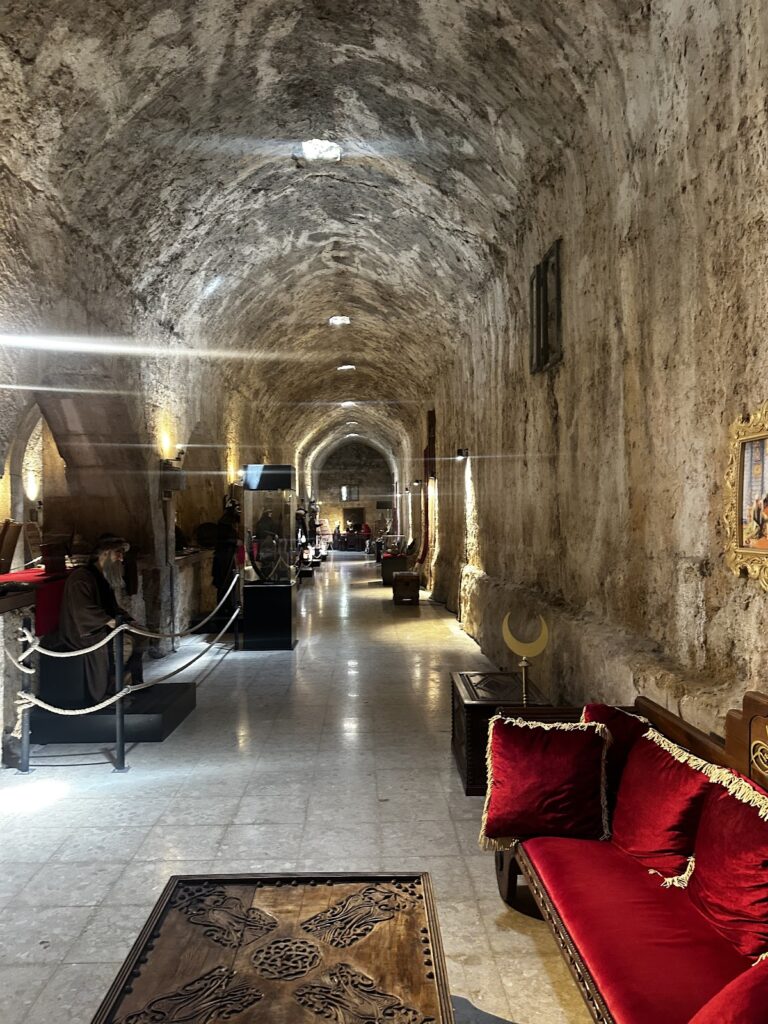
Alara Han is a thirteenth-century Seljuk caravanserai on the historic route linking Konya with the Mediterranean ports of Alanya and Antalya. Built…
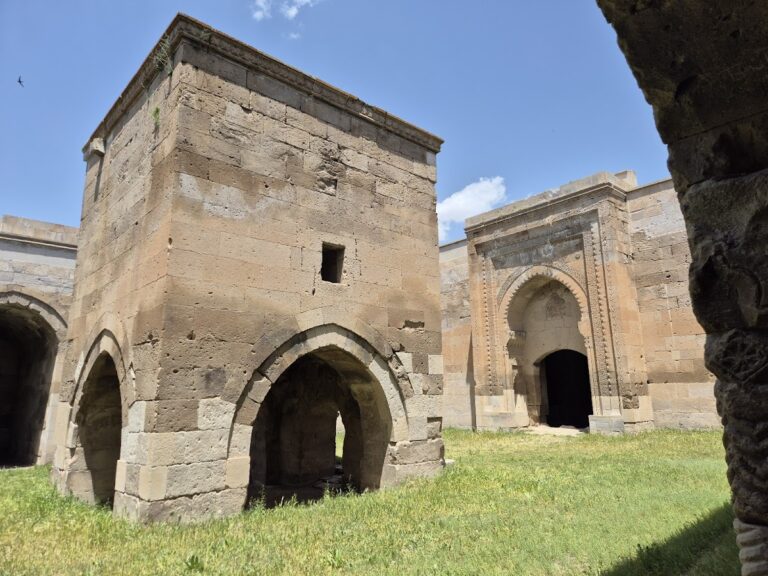
Ağzıkarahan is a thirteenth-century Seljuk caravanserai near Aksaray, built in two phases along the Great Road and distinguished by its fortified…
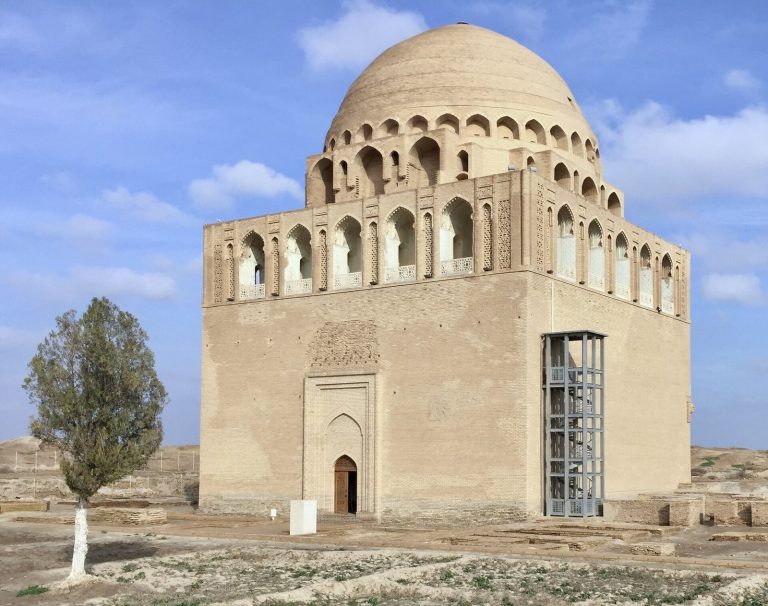
Built in 1157 for the Seljuk ruler Ahmad Sanjar, this mausoleum in Merv preserves an influential early mosque-mausoleum design despite Mongol…
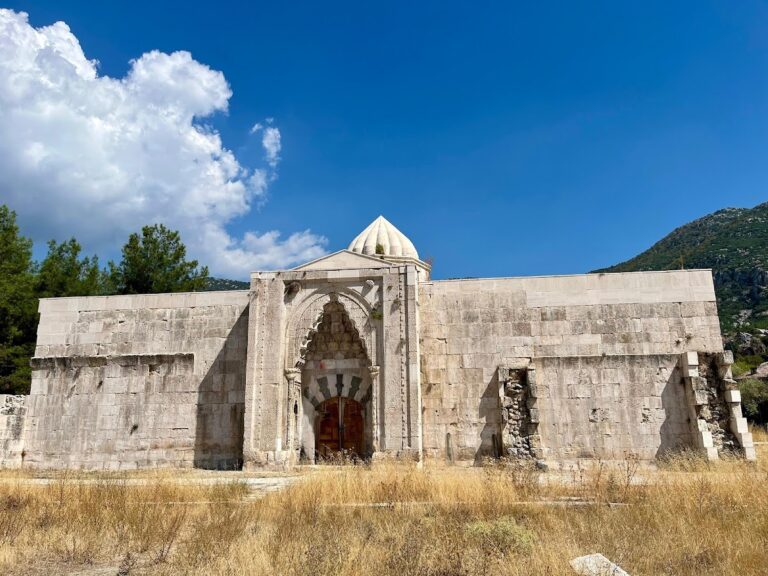
Susuz Han is a thirteenth-century Seljuk caravanserai in southern Turkey, built along the historic route between Antalya and Konya and known for its…
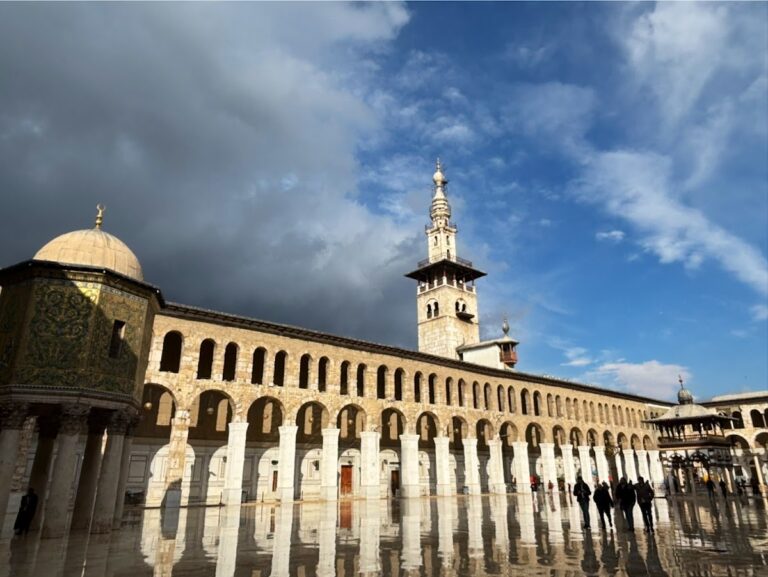
The Umayyad Mosque in Damascus occupies a sacred site used from the Iron Age through the Roman, Christian, Umayyad, and later Islamic periods. Its…
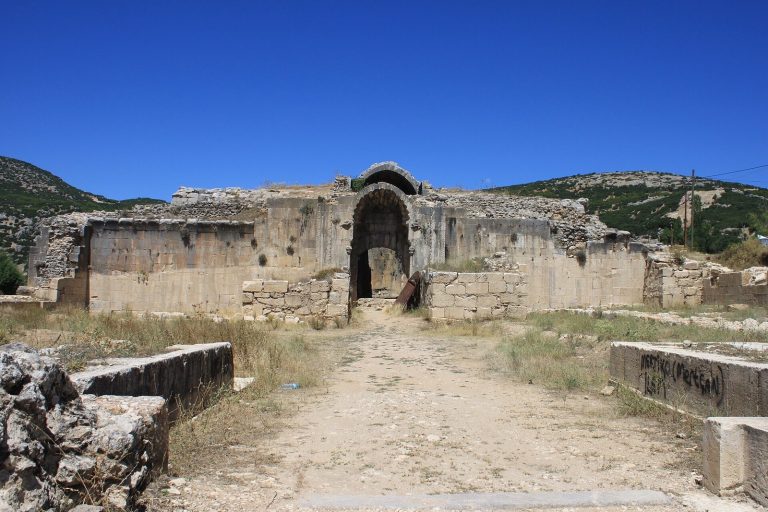
Incir Han is a Seljuk caravanserai dated to 1238–1239 on the medieval road between Antalya, Burdur, and Konya. Its excavated courtyard, covered…
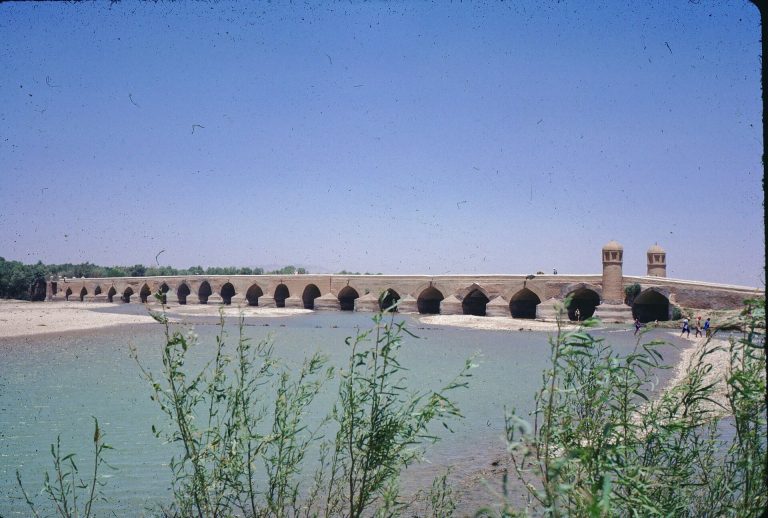
Malan Bridge, also known as Pul-i-Malan, is a historic crossing near Herat in Afghanistan. Built during the reign of Ahmad Sanjar, it connected Herat…
For details on how to use the maps, which sites are included, how popularity and ratings are determined, and how sites are classified, see the help page.
On this page6 sections
Caravanserais in stone and brick
Ağzıkarahan, near Aksaray in Turkey, combines an open courtyard with a covered hall. Its entrances do not share a straight axis: the courtyard portal faces the road on the western side, while a second portal leads into the roofed section. Towers reinforce the otherwise plain external walls.
Carved geometric reliefs and a canopy of tiered niches emphasize the main entrance. Chambers and arcades line the courtyard, allowing the inn to accommodate travellers around a protected central space.
Dayahatyn, in Turkmenistan, stands on the historic route between Amul and Khorezm. A square caravanserai occupies a larger fortified enclosure. Rooms, stores and roofed recesses surround its courtyard, while fired-brick facing covers the underlying earth-brick structure. Much of this decorative brickwork belongs to its Seljuk phase. Later repairs, including alterations to the entrance, record continued use under subsequent rulers.
Timber columns at Afyonkarahisar
The Grand Mosque of Afyonkarahisar has rubble-stone exterior walls enclosing a timber-supported prayer hall. Rows of wooden columns carry the ceiling, with carved capitals and remnants of painted decoration. The repeated supports divide the broad interior into aisles directed towards the prayer wall.
The thirteenth-century mosque has relatively plain entrances. Their differing levels respond to the sloping ground around the building, with steps descending to the prayer-hall floor. Its present high roof replaces an earlier flat earthen covering, while restoration has also raised the interior floor around the column bases.
A hospital courtyard at Şifaiye
Şifaiye Medrese in Sivas was built in 1217 for Sultan İzzeddin Keykavus I as a hospital. Rooms and arcades surround an open courtyard, with large vaulted halls opening from its sides. The main hall faces the entrance across the court.
The stone portal carries interlaced star patterns and lion reliefs. Cut stone, brick and tile distinguish different parts of the complex, including its commemorative architecture. The courtyard plan provided connected but separate spaces for the institution’s activities, rather than a single undivided hall. Modern repairs have conserved the entrance and interior fabric through several campaigns.
Brick tomb towers in Iran
Tughrul Tower at Rey is a tall brick funerary monument traditionally associated with the Seljuk ruler Tughril Beg. Twenty-four sharply projecting ribs articulate its exterior, creating a deeply folded surface around the circular interior.
The conical roof that once completed the tower no longer survives. Its open upper profile therefore differs from the original monument, while the substantial wall body retains the characteristic ribbed plan. The attribution of the burial remains traditional; the standing Seljuk-period architecture is the firmer basis for describing the site.
Sultan Sanjar’s domed mausoleum
Sultan Sanjar’s Mausoleum, at Merv in Turkmenistan, places a broad dome above a massive cubic body. It belonged to a larger complex with adjoining religious and service buildings, traces of which have been investigated around the mausoleum.
Its original roof used separate inner and outer domes. The outer shell and much of its turquoise decoration were lost, and extensive restoration has altered parts of the brickwork. The surviving interior and broad structural mass remain distinct from the narrow vertical body of Tughrul Tower, giving two substantially different forms of Seljuk funerary architecture.
Explore the collection
Explore sites on the map or in the grid. Map icons reflect each site’s primary function, helping you identify different kinds of places at a glance. Refine the results by country, primary function, site type and era. Popularity and rating filters provide further refinements. Select a map marker to view the site’s details and open its article, or open the article from its grid entry.