Malan Bridge: A Historic Seljuk Crossing of the Hari River
Site at a Glance
- Rating
- 4.2
- Popularity
- Low
- Country
- Afghanistan
- Primary era
- Medieval
- Eras represented
- Medieval, Modern
- Civilizations
- Seljuk
- Site type
- Infrastructure
- Remains
- Bridge
On this page6 sections
History
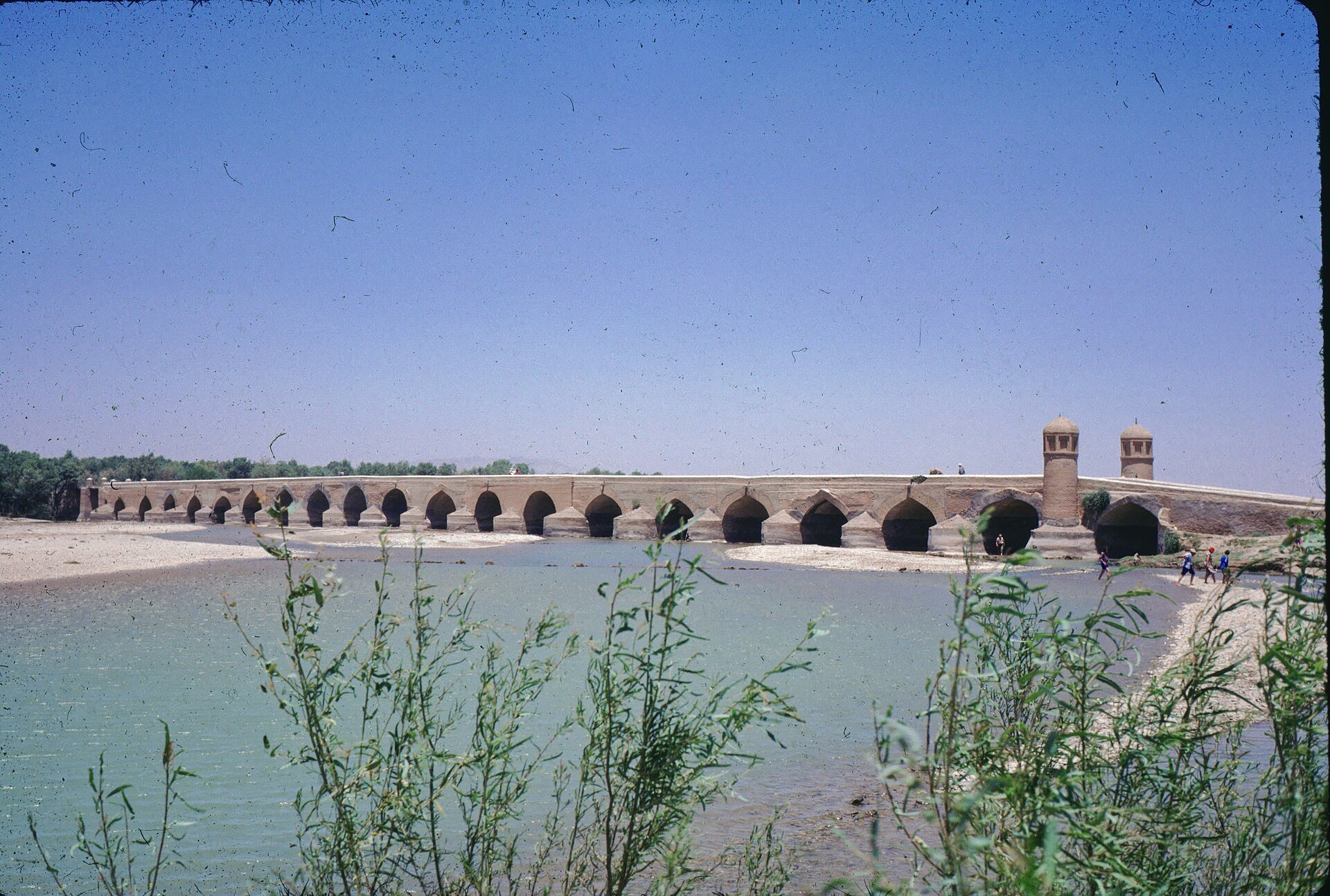
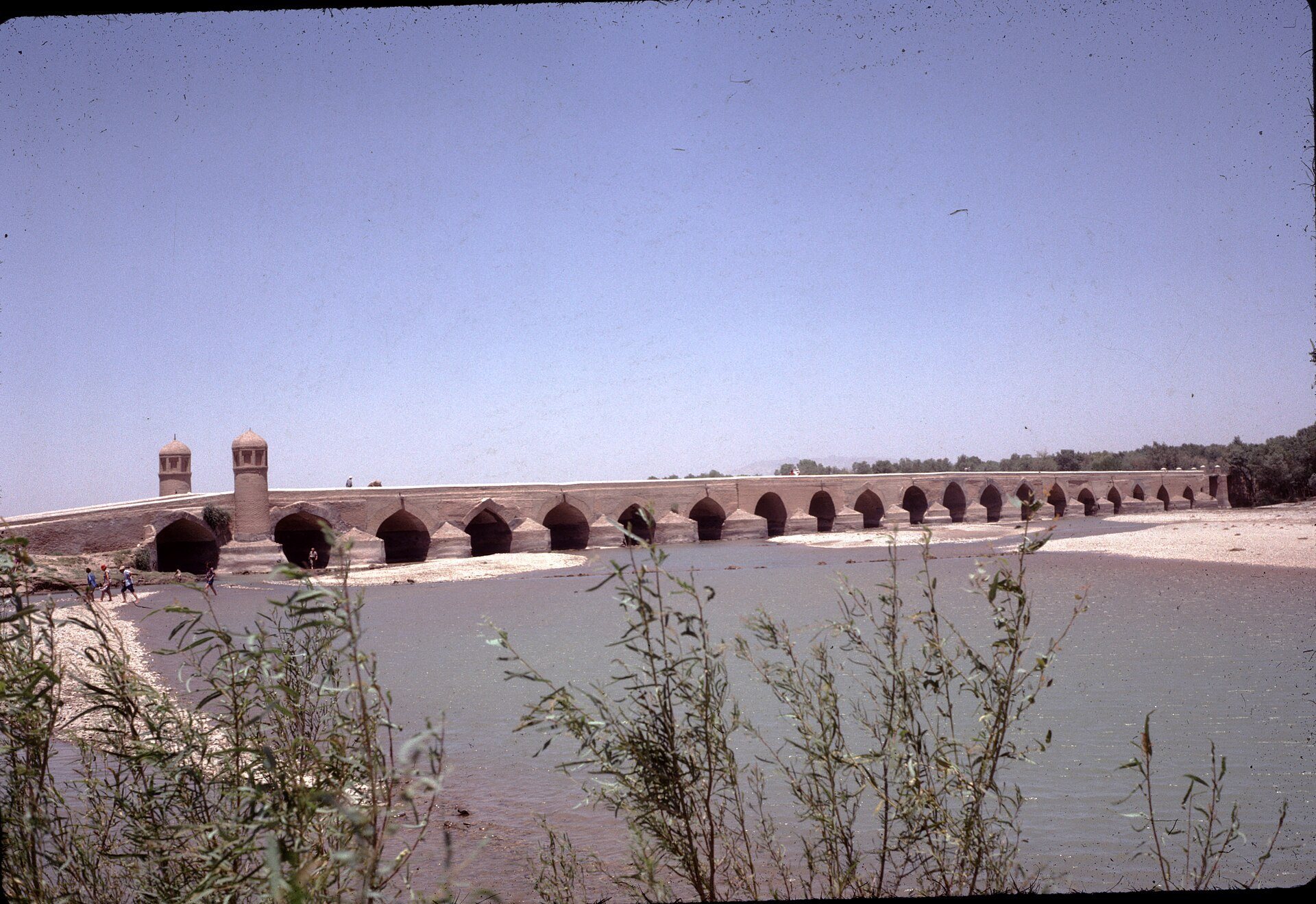
Malan Bridge, also called Pul-i-Malan, is a historic arched crossing of the Hari River in Afghanistan, about 12 kilometres south of Herat’s old city. It was built around 1110–1112 during the reign of Ahmad Sanjar, the Seljuk sultan who ruled a major eastern realm of the Seljuk Empire in the twelfth century. The bridge linked the routes between Herat and Kandahar and was long important because it was the only crossing between the two cities.
Origins and Early References
A popular legend places the bridge’s construction around 900 and attributes it to the mythical sisters Bibi Nur and Bibi Hur. The story says that the sisters followed Zoroastrianism, an ancient Iranian religion associated with the teachings of Zarathustra and the worship of Ahura Mazda. According to the legend, they mixed eggshells with clay to create a bridge stronger than steel. The historical construction date, however, belongs to the Seljuk period under Ahmad Sanjar.
The Mughal emperor Babur mentioned Malan Bridge during his visit to Herat in 1506. Babur founded the Mughal dynasty, and his memoirs contain observations about the regions through which he travelled.
Decline, War, and Reconstruction
By the late nineteenth century, Alexander Hamilton recorded that the bridge had 17 arches and appeared neglected and deteriorating. A modern bridge was constructed upstream in 1961–1962. By 1972, part of Malan Bridge had been washed away by the river, leaving it impassable.
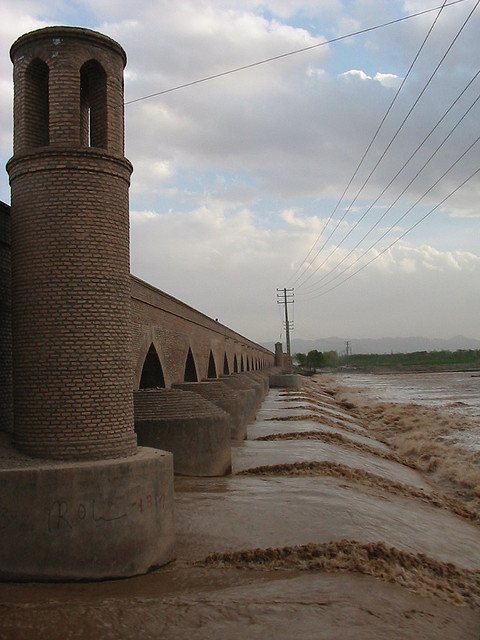
The bridge was partly destroyed during the Soviet–Afghan War, the conflict in which the Soviet Union intervened militarily in Afghanistan from 1979 to 1989. Two guard towers collapsed and five arches were demolished. The Danish Committee for Aid to Afghan Refugees later rebuilt the crossing with concrete and baked bricks, strengthened its foundations and roadway, and reopened it for crossing in 1995.
Remains
Bridge Structure and Setting
Malan Bridge is a two-lane arched bridge crossing the Hari River between Injil District and Guzara District in Herat Province. It stands downstream, or west, of Pul-i Pushtu, another bridge in the Herat area. The present structure is about 230 metres long, 8 metres wide, and 10 metres high, with 22 arches. Its construction uses concrete and baked brick, including materials introduced during the later rebuilding, when the foundations and roadway were reinforced.
Flood Damage and Survival
The bridge has survived several floods that washed away other crossings over the Hari River. Its present form therefore combines the historic arched crossing with the concrete and baked-brick work added during reconstruction after wartime damage and earlier river destruction.