Roman Fortifications: Explore Forts, Gates, Towers and City Walls
Explore more than 300 forts, gates, walls and other fortified sites with Roman phases. The collection includes military bases with excavated internal buildings, high-walled late Roman enclosures and ancient gateways absorbed into later towns. It also contains castles and citadels with Roman remains beneath or within their later defences.
The examples below focus on identifiable Roman structures. Their differences are visible in the buildings themselves: cavalry barracks, projecting bastions, narrow gateways, tall corner towers and compact desert forts. Later additions are distinguished where they change the appearance of the surviving monument.
Type: All
Country: All
Popularity: All
Rating: All
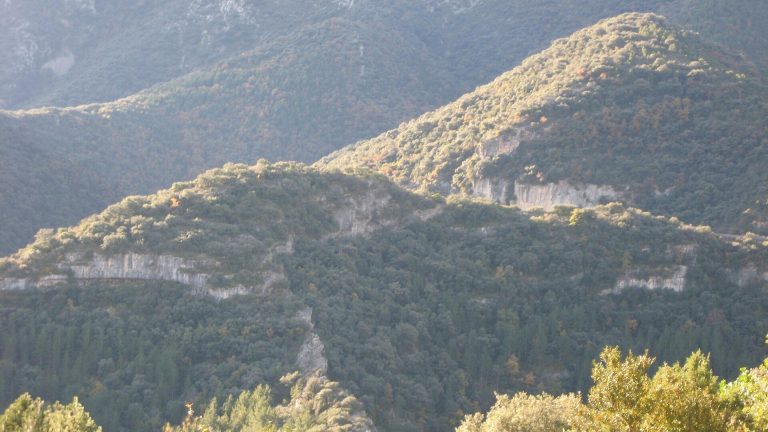
Despoblat de les Tombetes is a tenth-century fortified settlement near Moror in Catalonia, with defensive works, a church, cemetery, rock-cut tombs,…
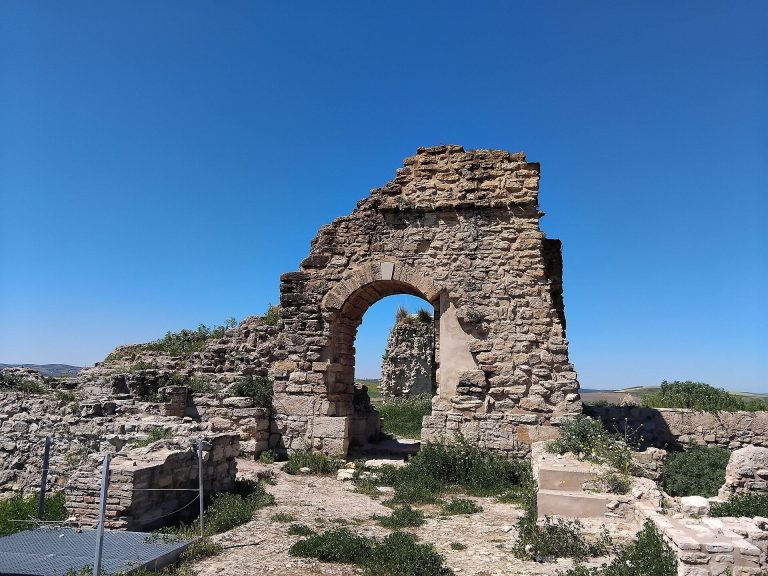
Castillo de Dos Hermanas is a medieval fortress near Montemayor in Córdoba, shaped by Muslim frontier occupation, the Christian conquest, later…
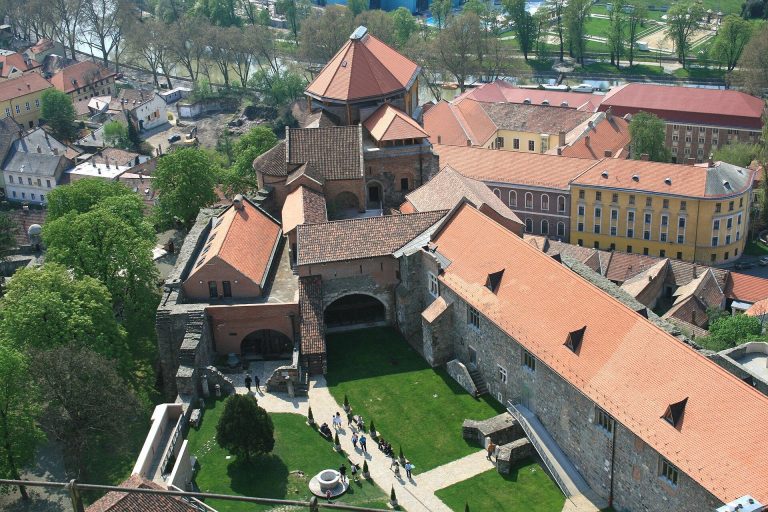
Esztergom Castle in Hungary developed from the Roman fort of Solva into a royal residence, archiepiscopal complex, and Ottoman frontier stronghold on…
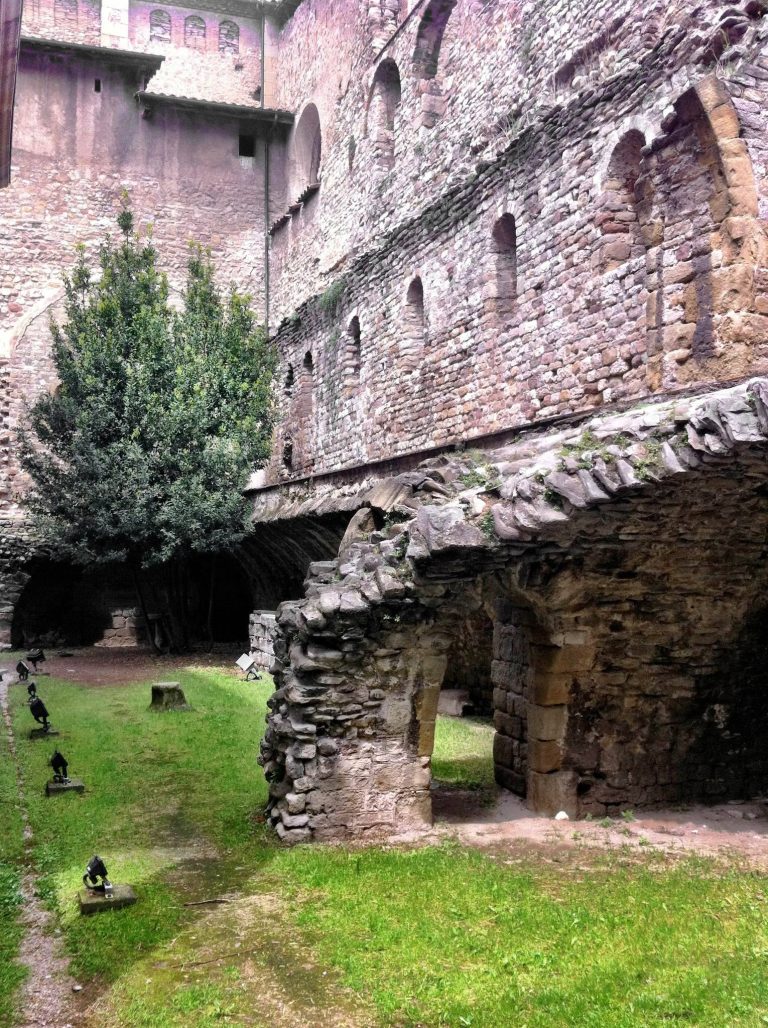
Montcada Castle in Vic developed from an eleventh-century Romanesque stronghold associated with the Montcada family. Its surviving walls incorporate…
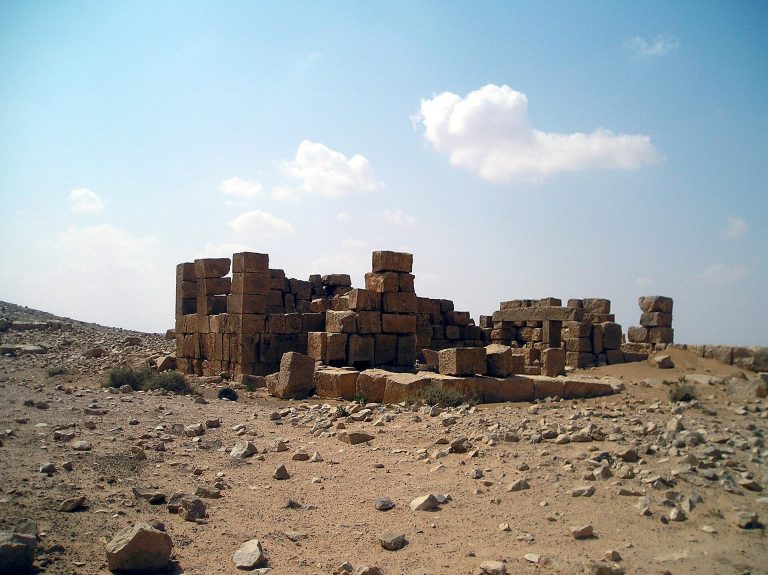
Qasr El Benia was a late Roman fortlet on the rear frontier of southern Tunisia. It guarded movement through the Tebaga Pass and worked with the…
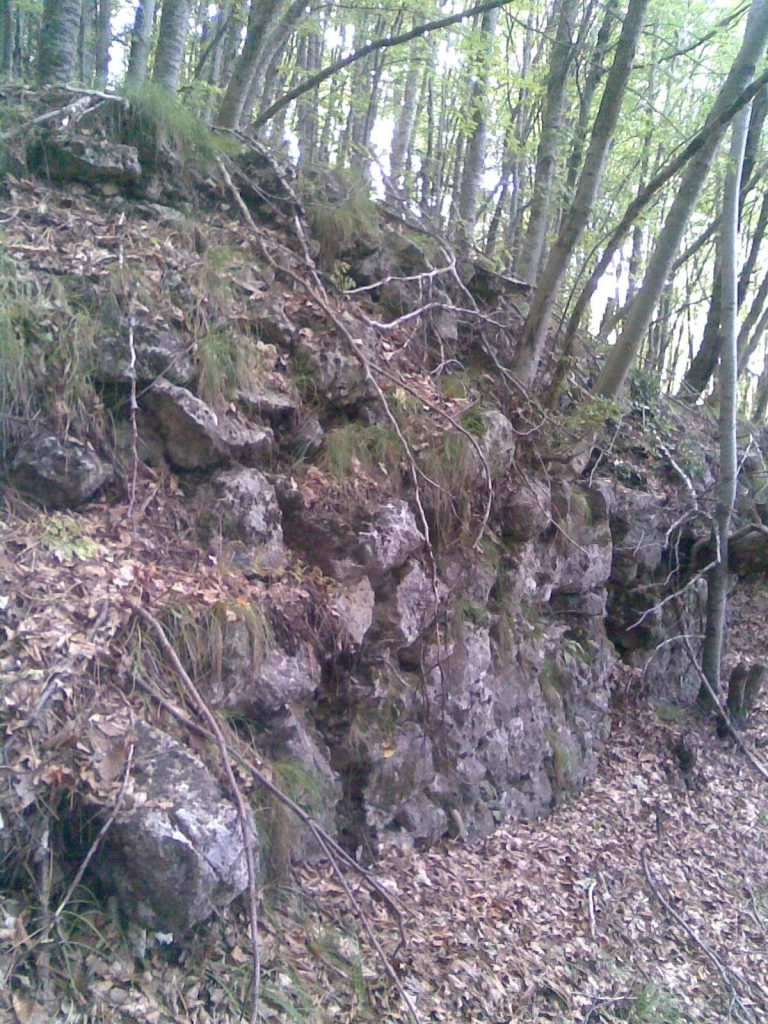
Dajti Castle is a late-antique archaeological site on Mount Dajti, probably built in the sixth century over earlier Illyrian foundations and later…
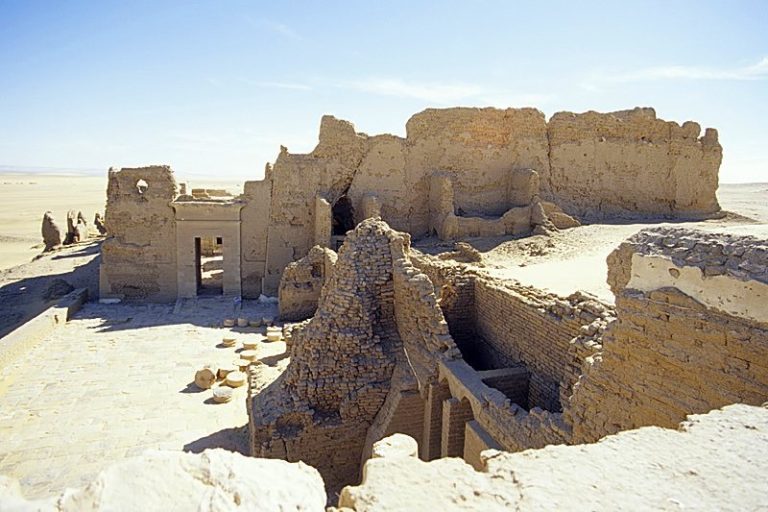
Qasr Dush, ancient Kysis, was a Ptolemaic and Roman settlement at the southern end of Egypt’s Kharga Oasis. Its temple, fort, cemeteries, and…
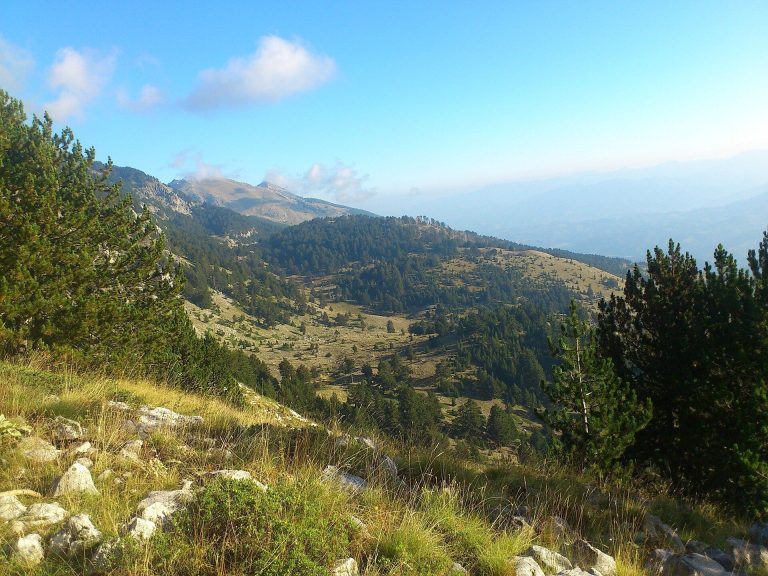
Tomornitsa, also known as Tomori Fortress, was a strategically placed stronghold on Mount Tomorr near Berat. Originating in the Roman period, it…
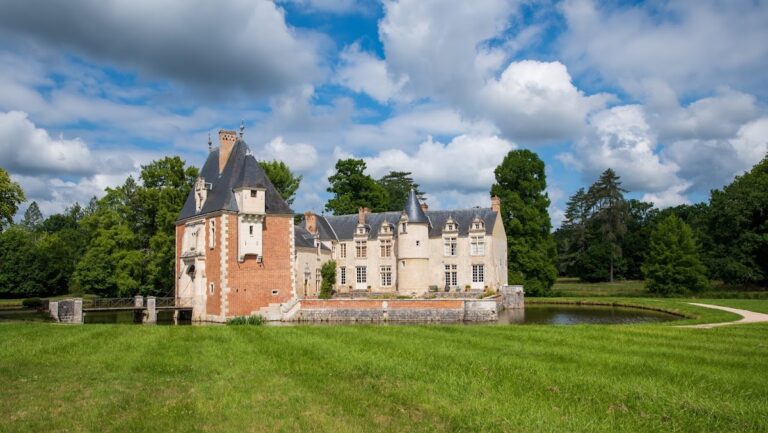
Château du Lude near Jouy-le-Potier developed from a Gallo-Roman villa into a medieval fortified site and an early Renaissance residence. Its history…
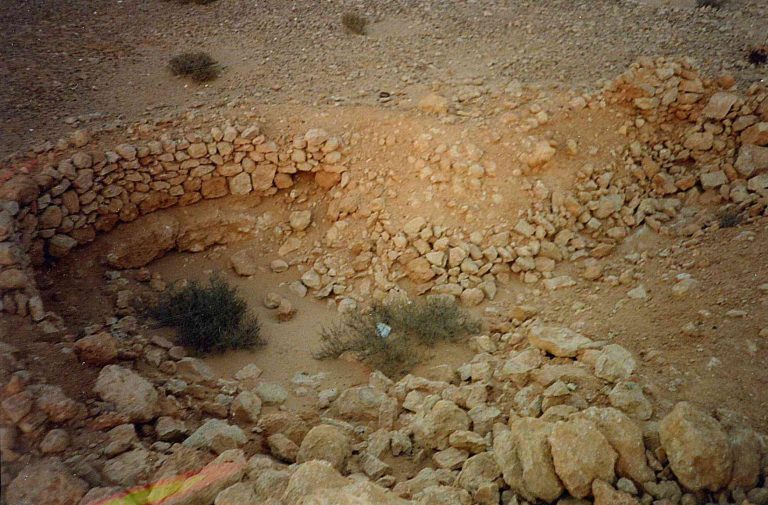
Bir Hakeim is a Libyan desert oasis built around an ancient Roman well, later used as an Ottoman and Senussi stronghold and the scene of a major 1942…
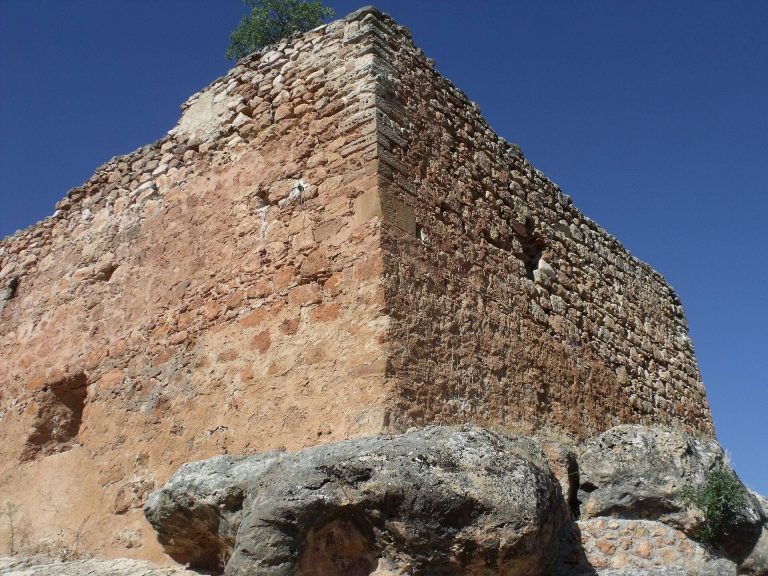
Paterno Castle, also known as the Castle of Albaladejo, is a Roman-origin fortress rebuilt in the thirteenth century and later maintained by the…
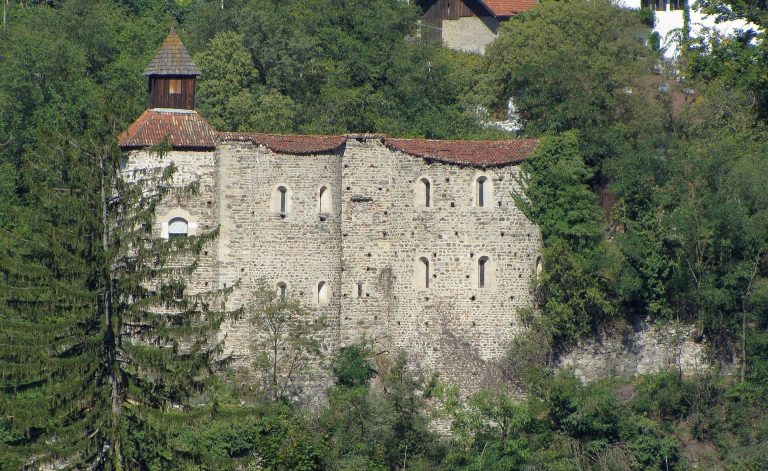
Zenoburg began as a Roman strategic outpost and later became a fortified residence of the Counts of Tyrol. Its ruins incorporate a chapel dedicated…
For details on how to use the maps, which sites are included, how popularity and ratings are determined, and how sites are classified, see the help page.
On this page6 sections
Chesters: gates, headquarters and cavalry barracks
Chesters Roman Fort, on Hadrian’s Wall in northern England, preserves parts of the organisation inside a cavalry base. Its principal gateways had paired passages separated by a central pier and flanked by towers. Surviving pivot stones identify the positions of the doors, while blocked passages record changes made during the fort’s Roman occupation.
The headquarters occupied a courtyard complex with a hall behind it. In the excavated barracks, soldiers and horses were accommodated in adjoining sections of the rooms, with larger quarters for officers at the ends of the blocks. A lane and drain separated the barracks. These internal arrangements make the fort useful for understanding accommodation and administration as well as defence.
Burgh Castle and Castra Martis: walls and projecting towers
Burgh Castle, in eastern England, preserves three sides of a late Roman fort above the former estuary. Flint walls reinforced with tile courses stand to roughly four and a half metres, with solid projecting bastions along the perimeter. The western wall has disappeared through erosion towards the river, leaving the other sides to define the enclosure.
At Castra Martis, in modern Kula, Bulgaria, a compact square fort had four large circular corner towers. Its southeastern tower survives to more than sixteen metres. A larger fortified enclosure was subsequently added to the south, producing two connected defensive units. At the entrance to the smaller fort, an additional wall narrowed and strengthened the approach. The remains show both the original compact strongpoint and its expansion.
Roman gateways within later cities
The Porta Praetoria in Regensburg survives within the buildings of the Bishop’s Court. One arch and a substantial section of the eastern tower remain from the northern gateway of the legionary fortress of Castra Regina. Large limestone blocks define the Roman structure, while blocked openings and altered floors record its later incorporation into other buildings.
The Mars Gate in Reims began as an elaborately decorated Roman arch before becoming part of the city’s defences. Its three passages included a wider central route for vehicles and smaller side openings. Carved scenes beneath the vaults depict agricultural activities as well as mythological subjects. Its defensive role therefore belongs to a later use of a monument originally designed to mark an important urban entrance.
Umm al-Dabadib: a multistorey mudbrick fort
Umm al-Dabadib, in Egypt’s Kharga Oasis, preserves a compact late Roman fort within a larger settlement. Two square towers project from its southern face. A surviving stair and superimposed vaulted rooms reveal a building organised vertically across several floors, with mudbrick walls still rising well above the surrounding ruins.
The settlement depended on underground water channels and cultivated land nearby. Its fort was therefore part of an inhabited and supplied oasis community, rather than an isolated tower in an empty desert. Archaeological surveys distinguish the compact central building from the much wider area occupied by houses and other structures.
Barcelona: city walls incorporated into medieval buildings
The Roman walls of Barcelona survive in sections of the Gothic Quarter, where later houses and institutional buildings stand against or above them. Late Roman builders reinforced an earlier circuit with a second masonry face and a rubble-filled interior, adding closely spaced towers.
At Plaça Nova, two cylindrical towers mark an ancient gateway, although their upper sections were raised in the medieval period. Elsewhere, exposed masonry shows how later buildings absorbed the enclosure. These stretches preserve part of the city’s Roman perimeter within a continuously occupied urban district.
Explore the collection
Open site articles through map markers or grid entries, and narrow the results by country, defensive type, popularity or rating. The individual descriptions identify the Roman walls and buildings within forts, gates and later castles, explaining which visible additions belong to subsequent periods.