Ottoman Sites: Explore Mosques, Palaces, Bridges and Historic Towns
Explore more than 1,000 Ottoman sites, including domed mosques, historic towns, palaces, bridges and caravanserais. Religious buildings form the largest group, alongside fortifications and places used for trade and travel. Examples in Turkey, the Balkans and Egypt introduce prayer halls, timber-framed houses, arcaded courtyards and court interiors, with later rebuilding distinguished from the earlier structures.
Primary Function: All
Type: All
Country: All
Popularity: All
Rating: All
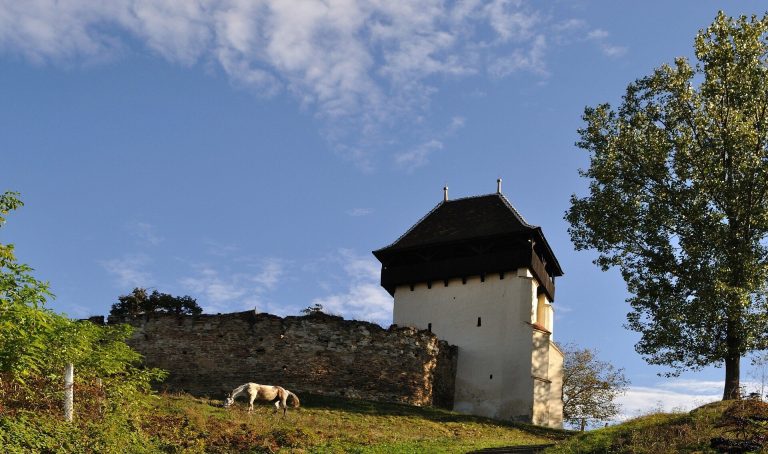
The fortified Lutheran church in Țapu, Romania, developed from a medieval parish church into a defended Saxon community complex. Its late Gothic…
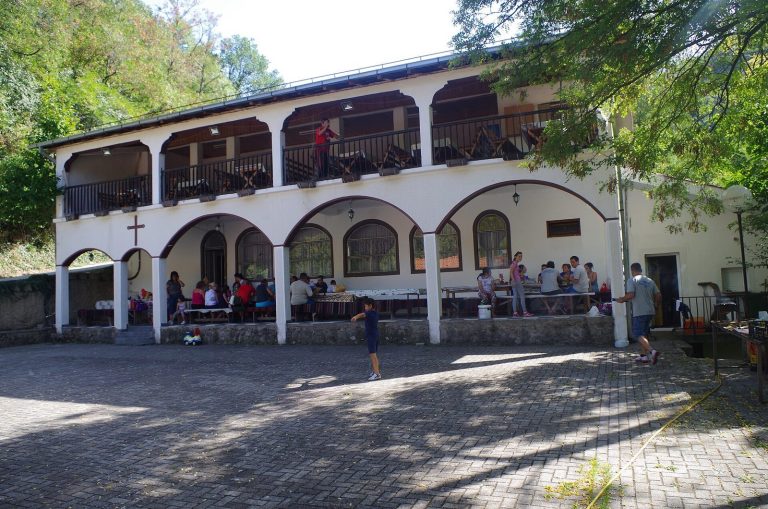
The Monastery of Saint Nicholas near Vatasha preserves a sixteenth-century church, later wall paintings, monastic buildings, and evidence of a long…
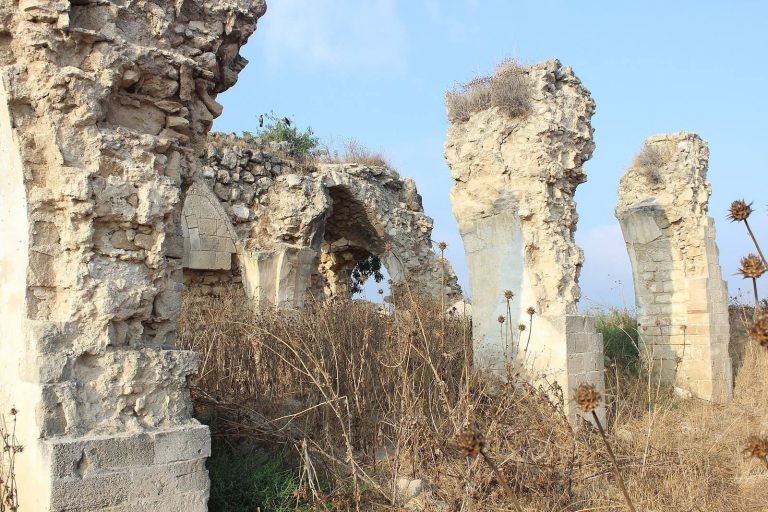
Tel Ashdod preserves the remains of an ancient coastal city shaped by Philistine, Assyrian, Persian, Hellenistic, Roman, and later rule.
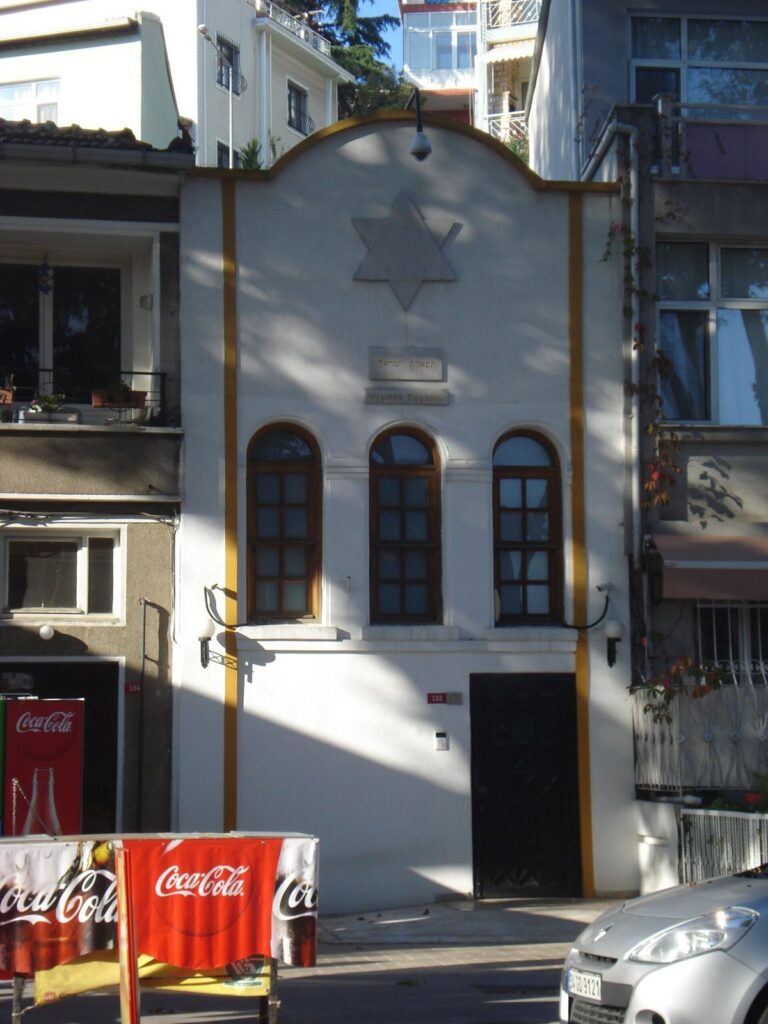
Completed in the 1870s, Yeniköy Synagogue is a brick Sephardic Orthodox synagogue in Istanbul, traditionally associated with banker and…
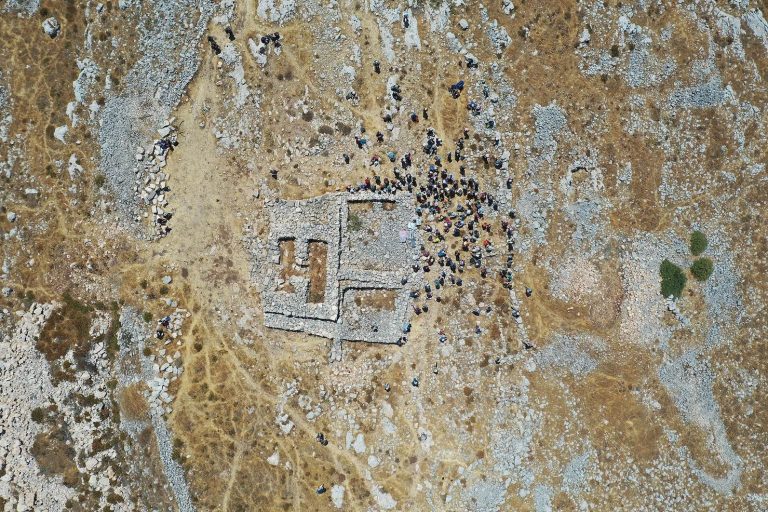
The Mount Ebal complex is an early Iron Age site whose proposed identification as Joshua’s altar remains contested. Its stone structures, offering…
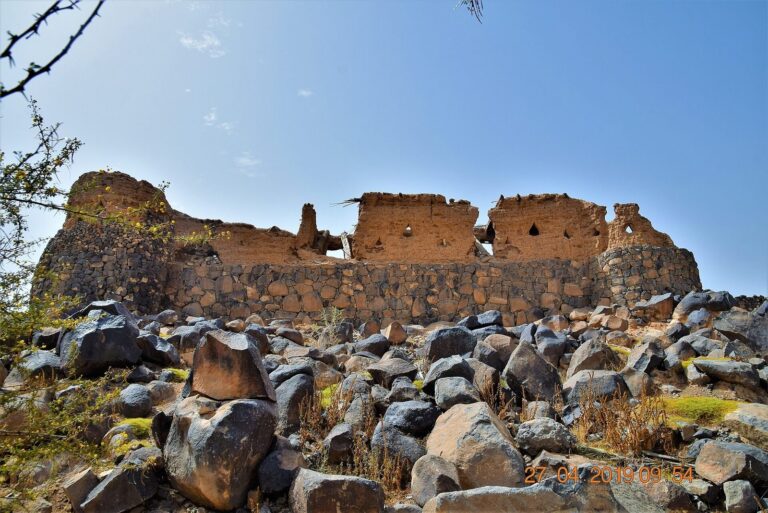
Founded before 1707, Ibn Thali Palace served as a base for Saudi rule in the Hijaz and later as an administrative and security center. Its surviving…
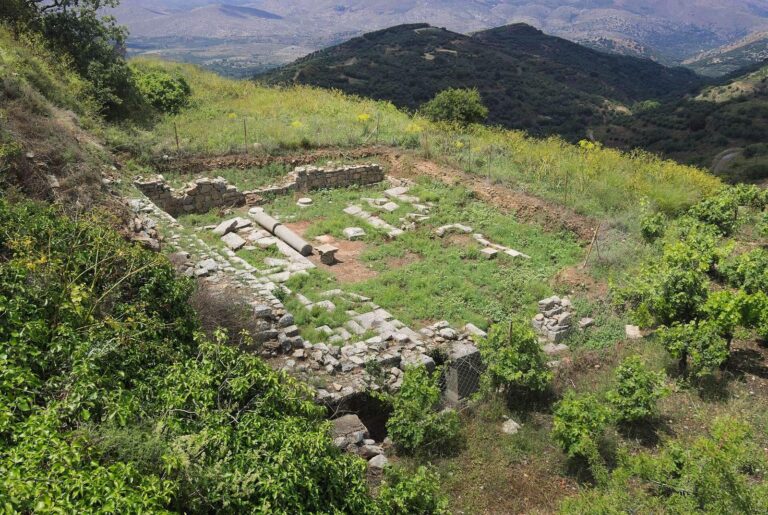
Lyctus was an influential Cretan city-state whose disputed early origins, conflicts with rival cities, and surviving remains trace its history from…
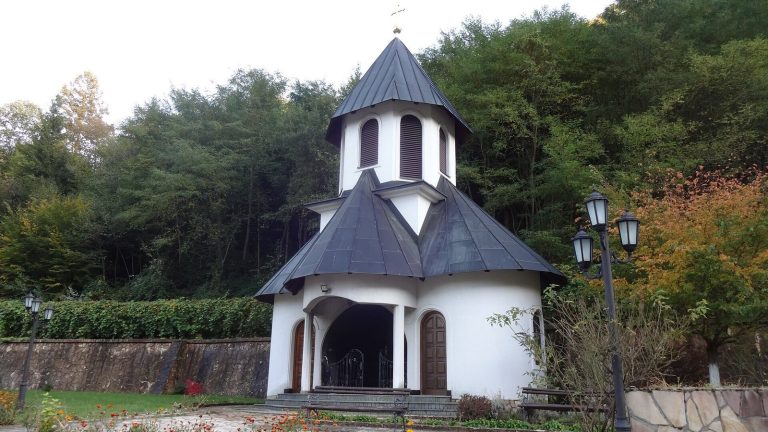
Sase Monastery, founded in 1242 near the Roman site of Domavia, began as a dependency of Hilandar and was later rebuilt after centuries of…
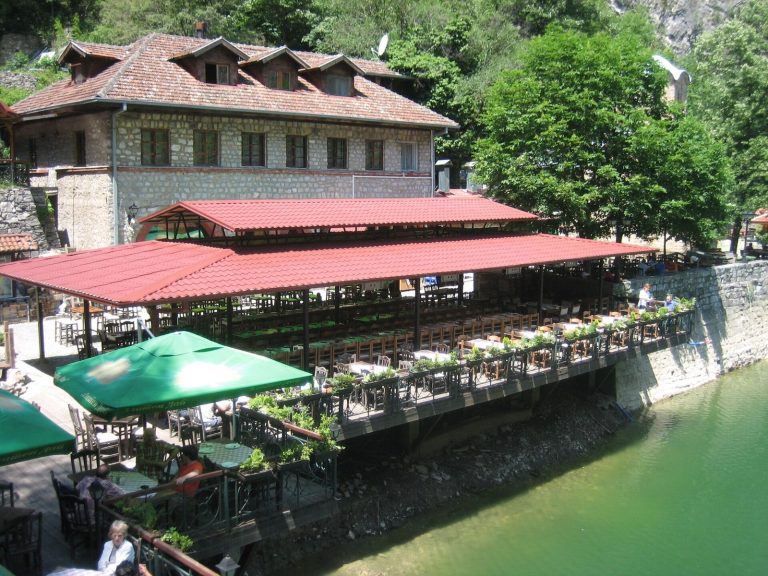
Andreaš Monastery in North Macedonia preserves a 1389 church, late medieval frescoes, and a sixteenth-century narthex beside Lake Matka.
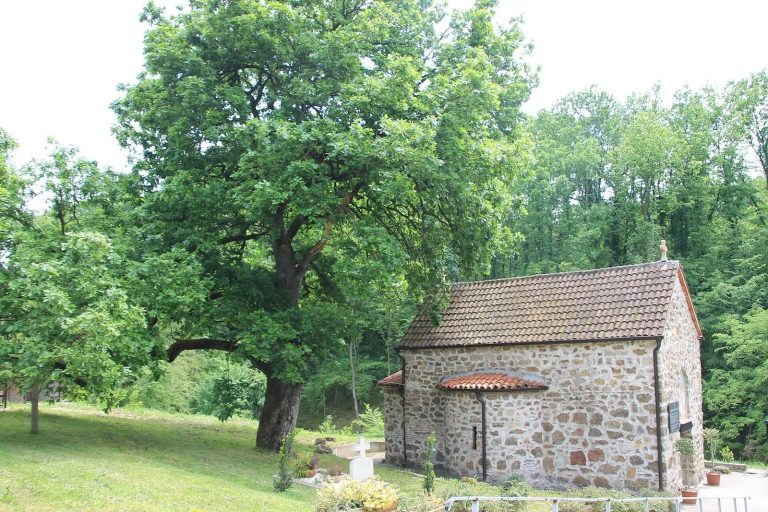
The Church of the Holy Archangels in Stalać belongs to the Serbian Orthodox Church and forms part of the religious landscape associated with Mount…
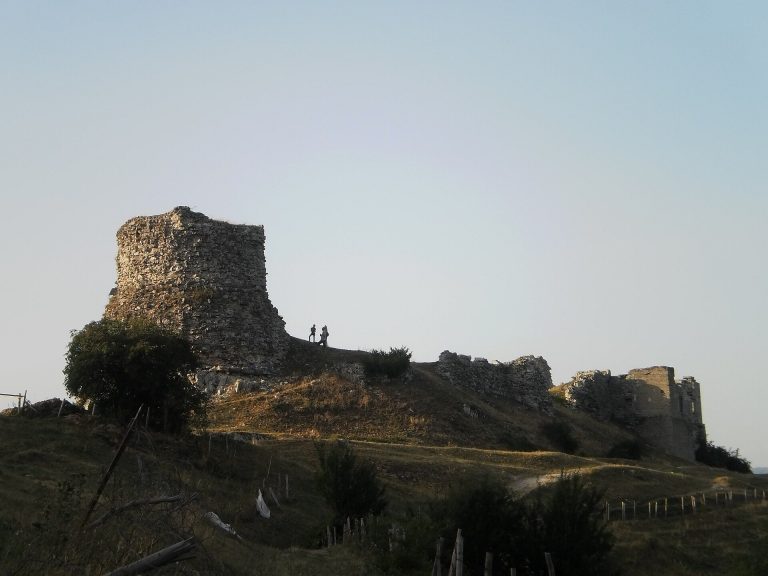
Glamoč Fortress is a medieval stronghold above Glamoč that developed under Ottoman rule, served as the center of a seventeenth-century military…
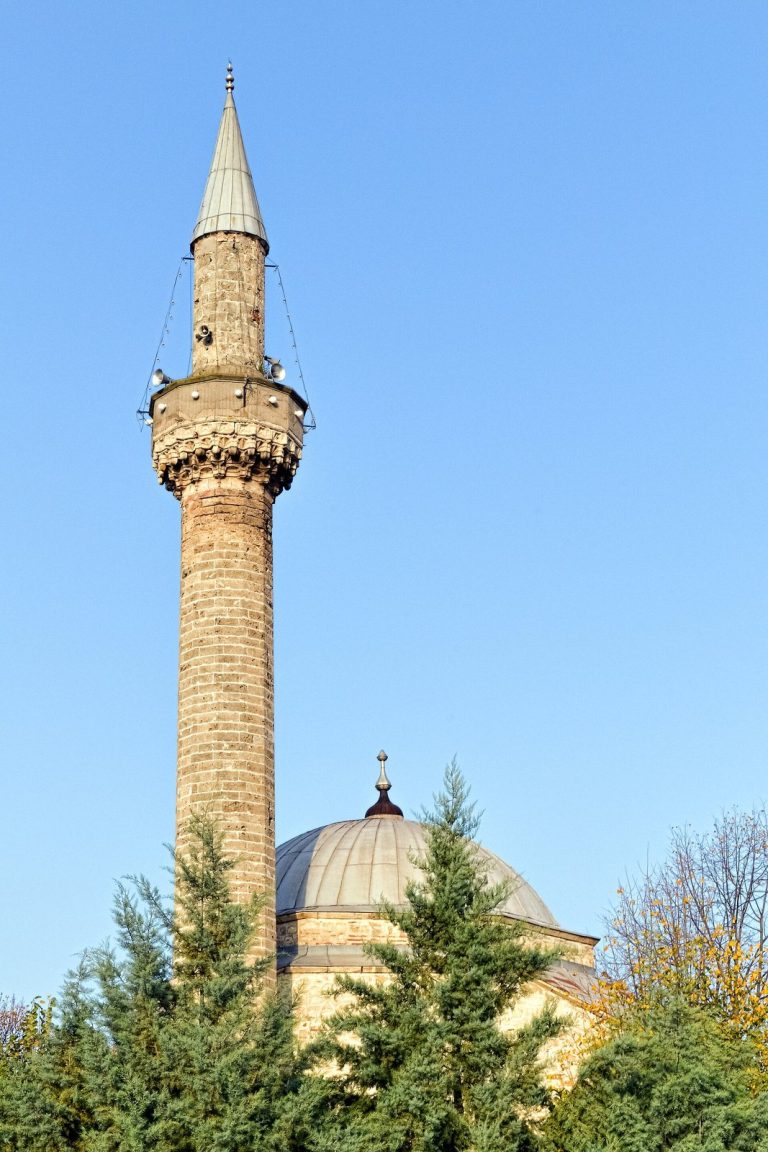
Built from 1553 by the Ottoman governor Hüseyin Şah, this mosque complex near Skopje preserves a domed mosque, minaret, türbe, cemetery,…
For details on how to use the maps, which sites are included, how popularity and ratings are determined, and how sites are classified, see the help page.
On this page6 sections
Mosques and domed prayer halls
The Grand Mosque of Bursa spreads its prayer hall beneath twenty domes arranged in rows. The repeated supports divide a broad interior into smaller bays, rather than gathering the whole building under one central dome. A walnut pulpit uses interlocking pieces of wood to form geometric patterns, with carved vegetal ornament filling the panels.
At the Sulayman Pasha Mosque in Cairo’s Citadel, a central dome and adjoining semi-domes create a different interior arrangement. Founded in the sixteenth century for the Ottoman garrison, the mosque combines that domed form with marble wall decoration and a courtyard. Its prayer niche and carved pulpit sit within an interior shaped by both Ottoman design and Cairene craftsmanship.
The Husein Pasha Mosque in Pljevlja, Montenegro, provides a more compact example. A square prayer hall is preceded by a porch carried on marble columns and covered by three small domes. Windows rise in tiers around the hall, while painted floral patterns and inscriptions decorate the dome and walls. The porch, minaret and single main dome form a tightly grouped composition.
Historic towns, houses and shops
At Safranbolu, Ottoman domestic architecture survives across whole neighbourhoods. Traditional houses commonly have a stone ground floor with plastered timber framing above. Projecting upper rooms follow the turns of narrow streets, while interiors use halls to connect rooms furnished with built-in cupboards, fireplaces and benches.
The town’s districts had different arrangements. In Kıranköy, stone buildings often combined shops below with living spaces above. In Bağlar, detached houses stood in gardens and orchards used as summer residences. These differences remain visible in the street pattern and the spacing of the houses, alongside the more closely packed market area in the lower town.
Stone bridges and river crossings
The Kanuni Sultan Süleyman Bridge crosses the outlet of Büyükçekmece Lake near Istanbul. Designed by Sinan, it uses four separate sections and a long sequence of stone arches to span the water and intervening shallow islands. The sections rise and fall along the crossing, making the bridge’s structure visible across the open setting.
Commissioned under Süleyman I and completed under Selim II, the bridge served the route from Istanbul towards Europe. An inscription records its completion in 1567. The nearby mosque, inn and fountain formed additional facilities at the crossing.
Caravanserais and trading courtyards
The Sokollu Mehmet Pasha Caravanserai, at Payas in southern Turkey, provided accommodation and trading space. A large courtyard and a covered street lined with shops organise the complex. Guest rooms, storage and food preparation supported travellers, while adjoining religious and service buildings expanded its functions. Its sixteenth-century foundation was connected with the development of Payas as an Ottoman maritime and military base.
Palaces and state rooms
Dolmabahçe Palace extends along the European shore of the Bosporus in Istanbul. Built for Abdülmecid I and opened in 1856, it separates state and reception rooms from the imperial family’s apartments, with the great Ceremonial Hall between them. Its long waterfront façade presents an ordered sequence of windows, columns and projecting central features.
Inside, the Crystal Staircase links the reception levels, while the Ceremonial Hall rises beneath a high dome with an enormous chandelier. The palace combines European decorative forms with the distinct requirements of an Ottoman court, including the separation of public ceremonial space from the more private residential wings.
Explore the collection
Explore sites on the map or in the grid. Map icons reflect each site’s primary function, helping you identify different kinds of places at a glance. Narrow the results by country, primary function, site type or era, with additional filters for popularity and rating. Select a map marker to view the site’s details and open its article, or open the article from its grid entry.