Tel Ashdod: The Archaeological Site of an Ancient Philistine City
Site at a Glance
- Popularity
- Medium
- Country
- Israel
- Primary era
- Iron Age
- Eras represented
- Bronze Age, Iron Age, Classical, Early Modern
- Civilizations
- Assyrian, Ottoman, Philistine
- Site type
- City
On this page18 sections
History
Tel Ashdod is the archaeological mound of ancient Ashdod in Israel, where settled occupation began during the Hyksos period, around 1650–1550 BC. The Hyksos ruled Egypt during its Second Intermediate Period. Ashdod later became one of the principal cities of the Philistines, an ancient people who established prominent settlements along the southern Levantine coast. Ugaritic records describe it as a trading station whose overseas commerce used a port identified with Tel Mor.
Early settlement and Philistine Ashdod
Several of Ashdod’s fortifications were destroyed at the end of the 13th century BC, but this event does not establish that the entire city was destroyed. A new invasion in the first quarter of the 12th century BC brought Philistine control; Mycenaean pottery found at the site supports this change. During the 11th century BC, Ashdod expanded beyond its elevated center and became one of five leading cities in the Philistine realm, alongside Ashkelon, Gath, Ekron, and Gaza.
Ashdod housed the Philistines’ principal temple to Dagon, a deity they worshipped. Biblical tradition connects the city with the Philistines’ capture of the Ark of the Covenant, the sacred chest associated with Israel’s covenant with God, and its placement in Dagon’s temple. Ashdod was destroyed again in the middle of the 10th century BC. The cause is uncertain: it has been attributed either to wars fought by David against the Philistines or to an invasion by the Egyptian pharaoh Siamun.
Philistine settlement returned in 815 BC. Around 770 BC the city suffered another destruction, probably during a campaign by Uzziah, king of Judah. The biblical account says Uzziah broke through Ashdod’s wall and established towns in Ashdod and Philistia.
Assyrian and Persian rule
Assyrian pressure on Philistia included a campaign by Tiglath-Pileser III in 734 BC. Around 712 BC, Ashdod’s king Azuri stopped paying tribute and sent hostile messages to neighboring rulers. Sargon II replaced him with his brother Ahimiti, but Ashdod’s inhabitants then installed Yamani, also known as Yadna, who likewise opposed Assyria. Sargon captured Ashdod, Gath, and Ashdod-Yam, took booty, placed the kingdom under an Assyrian governor, and settled people from distant lands in the area. Yamani fled toward Egypt’s southern border; the ruler of Meluhha later sent him back to Sargon in chains.
Under Sennacherib, Ashdod’s king Mitinti paid tribute to Assyria. After Judah’s defeat under Hezekiah, some of its western cities were assigned to Mitinti, Padi of Ekron, and Silli-Bel of Gaza. Ashdod’s king Ahimilki also paid tribute to Esarhaddon and Ashurbanipal. As Assyrian power weakened in the 7th century BC, the Egyptian pharaoh Psamtik I conquered Ashdod. Herodotus wrote that the Egyptian capture took 29 years. Ashdod may have belonged to Judah for part of this century. Nebuchadnezzar II of Babylon captured the city in 605 BC, and it was restored under Persian rule in 539 BC.
Biblical accounts place Ashdod among the cities Joshua did not conquer, while also including it in territory allotted to Judah. They describe the Anakim, a people named in the biblical narrative, as remaining in the area. The Book of Nehemiah later portrays Ashdod’s inhabitants as obstructing the rebuilding of Jerusalem’s walls. It also criticizes intermarriage with Ashdodite women and says their children spoke partly in Ashdod’s language, but did not know the language of Judah.
Hellenistic and Roman rule
Alexander the Great captured Ashdod in 332 BC and renamed it Azotus. After the wars among Alexander’s successors, Ashdod came under the Ptolemaic kingdom, one of the Hellenistic states formed from his empire. Control passed to the Seleucid kingdom after Antiochus III defeated Ptolemaic Egypt at the Battle of Panium. Azotus prospered under Hellenistic rule until the Maccabean revolt, an uprising associated with the Hasmoneans, a Jewish ruling dynasty. During the Battle of Emmaus, a retreating Seleucid army headed toward Ashdod and Yavneh. Later, Judah Maccabee and his brothers attacked the city, destroyed its high places, or local shrines, and burned its cult images.
In 147 BC, Jonathan Apphus captured Ashdod while campaigning against Apollonius, an official of the Seleucid king Demetrius II Nicator, and destroyed the temple to Dagon. John Hyrcanus I later conquered the city and incorporated it into the Hasmonean kingdom. After the Roman general Pompey conquered the region, Ashdod was removed from Hasmonean control as the kingdom was reduced under Hyrcanus II.
Ashdod flourished as a port under Roman rule. In 30 BC, Augustus restored Herod’s kingship and gave him authority over southern coastal cities, including Ashdod. The city became part of Agrippa I’s kingdom in 41 AD. During the Jewish revolt against Rome, an uprising against Roman rule, rebels held Ashdod from 66 AD until the Roman emperor Vespasian captured it in 67 AD.
Late antique and later settlement
The New Testament associates Ashdod with Philip the Evangelist, an early Christian missionary, during a journey to spread Christianity. The Greek geographer Strabo treated the city as part of Phoenicia, and archaeological evidence indicates a Phoenician presence. Ashdod remained important until the 4th century AD, when the port city of Ashdod-Yam, also called Azotus Paralius, grew and Ashdod gradually lost importance.
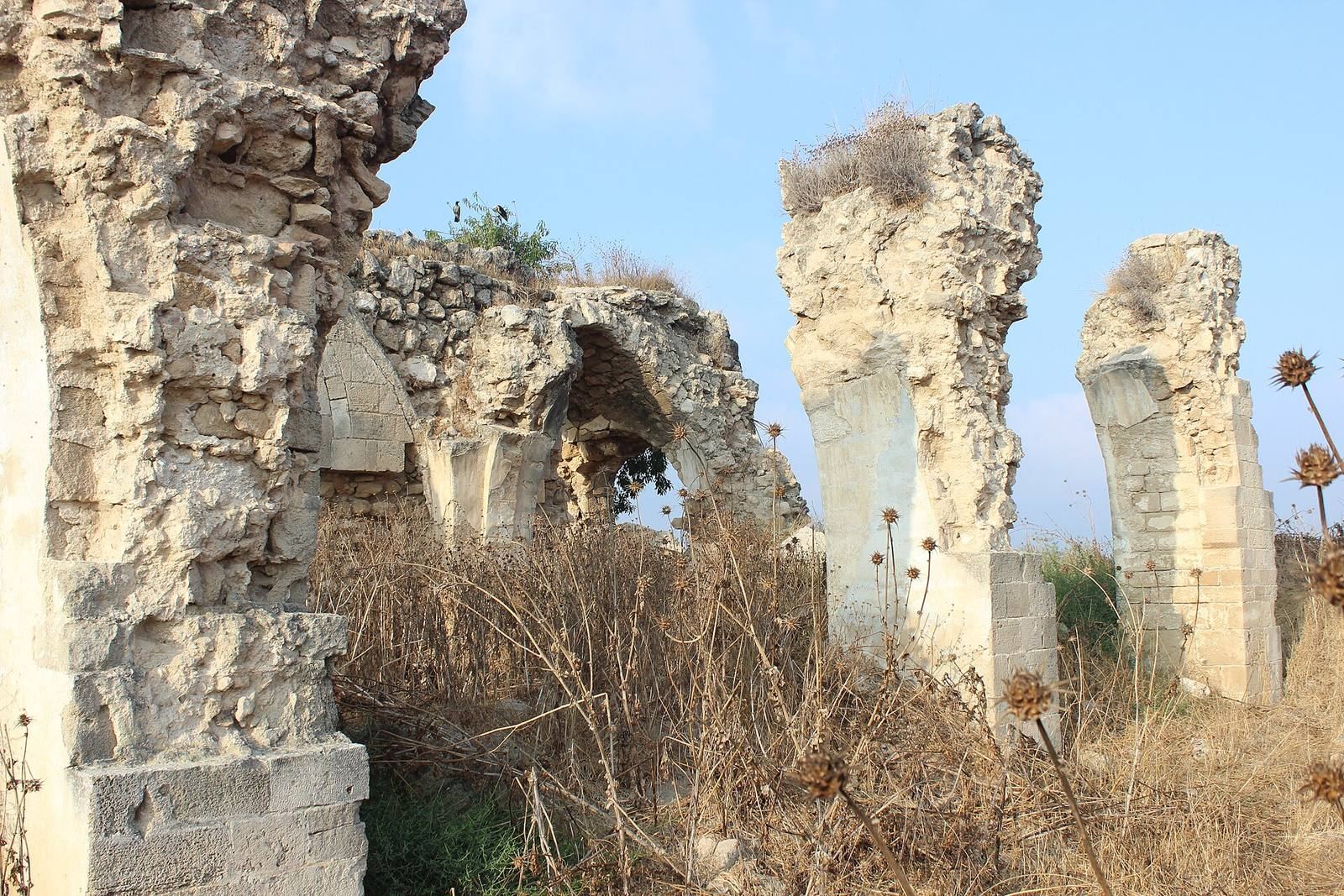
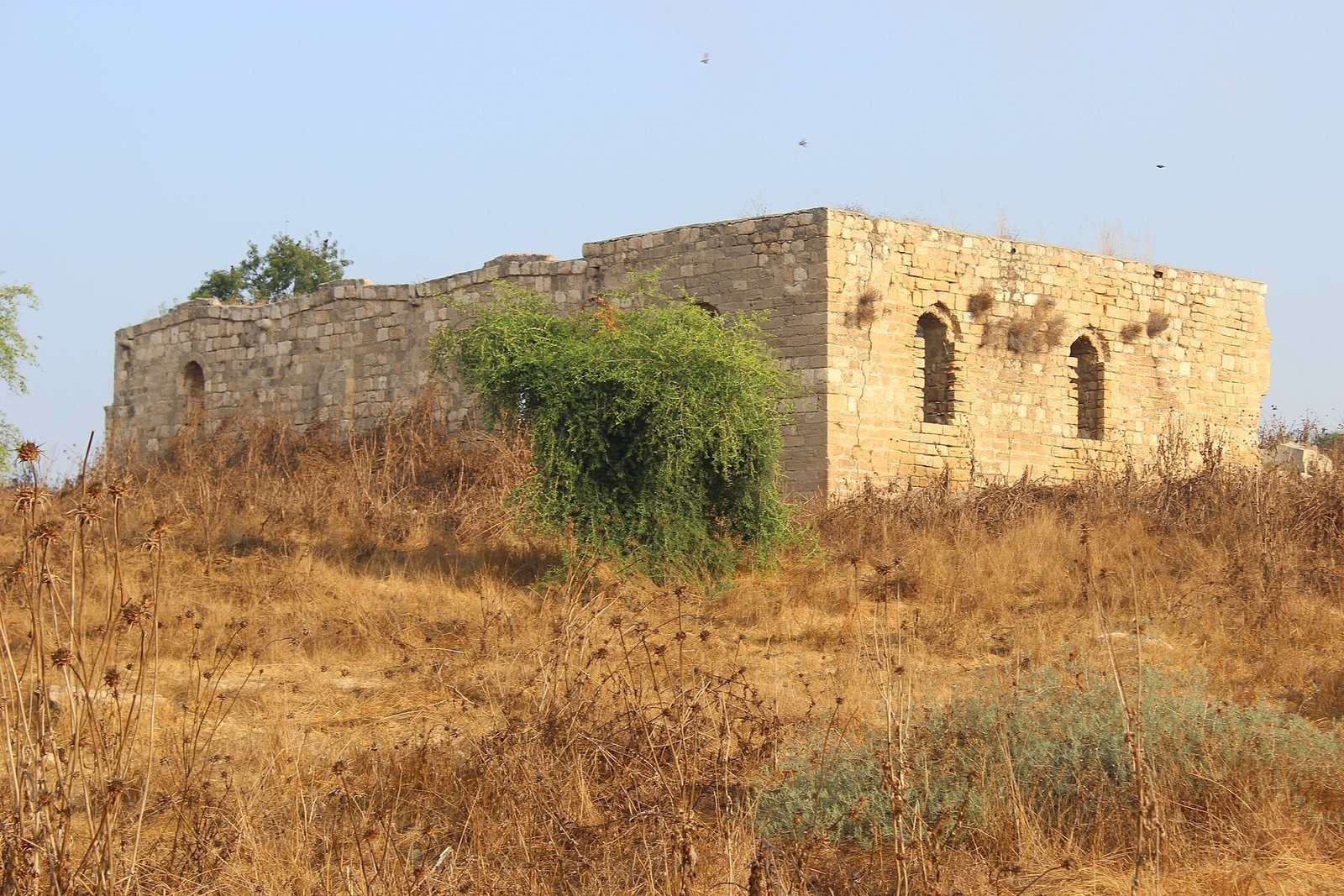
After the Arab conquest of the region in 634 AD, a village called Isdud developed on the mound. Its position on the Via Maris, an ancient coastal route between Egypt, the Levant, and lands farther north, helped support its commercial activity. A khan, or roadside lodging, was built there during the Ottoman period. On 28 October 1948, during Operation Yoav, Isdud’s inhabitants left as the Egyptian army retreated south.
Moshe Dothan directed a broad excavation at Tel Ashdod from 1962 to 1972 for the Israel Antiquities Authority. Daniel Varga led a test excavation about 120 metres north of the mound in July and August 2003. Elena Kogan-Zehavi and Perahia Nahshoni led two further excavation seasons there, from November 2003 to January 2004 and from April to June 2004, focusing on Ashdod under Assyrian rule. The Israel Nature and Parks Authority declared Tel Ashdod a national park in May 2022.
Remains
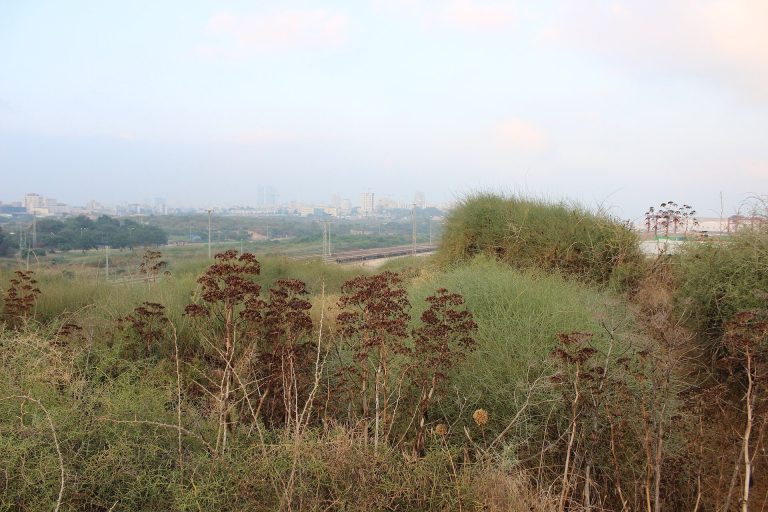
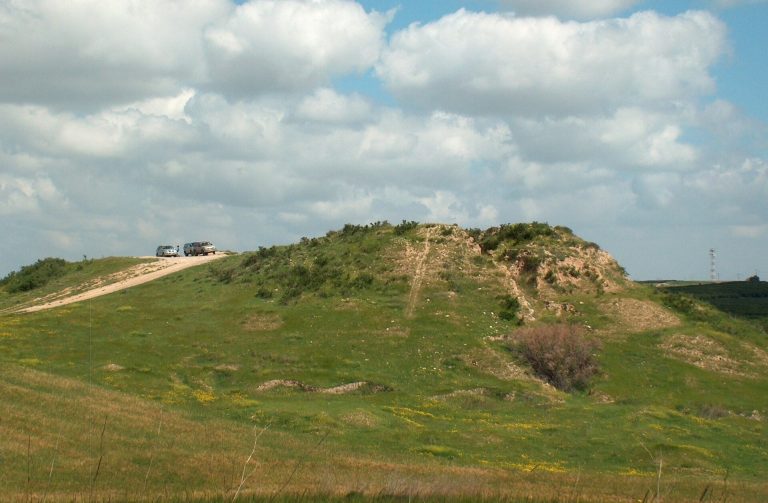
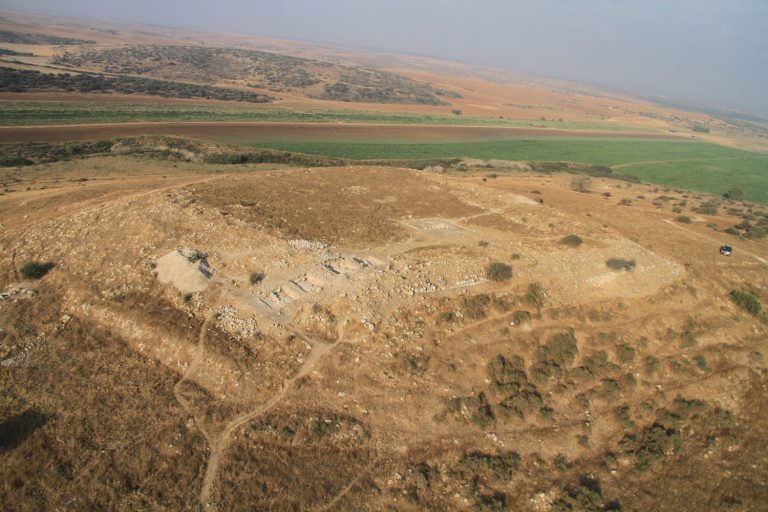
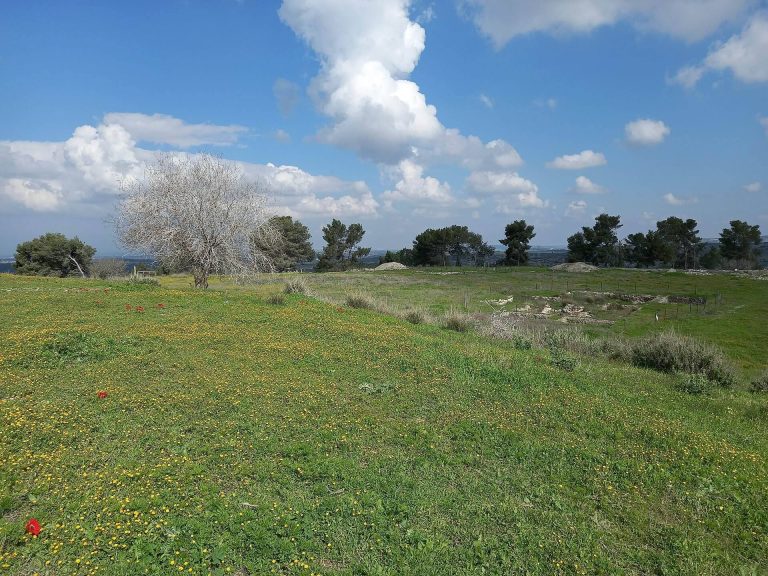
The site lies southeast of modern Ashdod, beside the remains of Isdud and the Ad Halom industrial area. It is about 5 kilometres from the Mediterranean coast, approximately 4 kilometres east of Ashdod-Yam, and overlooks the Via Maris. The mound rises to 50 metres above sea level and covers about 380 dunams: an 80-dunam acropolis, the city’s elevated fortified center, and a 300-dunam lower city. The national park covers 314 dunams. Surviving features include brick defenses, multi-chamber gates, and buildings made of sun-dried mudbrick.
Fortifications and city layout
Acropolis defenses
The earliest settled area occupied the acropolis. Its defenses included a brick wall, a gate with two chambers in its plan, and a glacis, a sloping earthwork built for defense. A group of fortified buildings in this area may have served as a residence for an Egyptian governor.
Defenses of the expanded city
As the city grew beyond the acropolis, its defenses included a citadel, a thick city wall, and two watchtowers beside the gate. A later defensive line enclosed both the acropolis and lower city. The lower-city wall had a gate laid out with six chambers.
Finds and ritual remains
Objects and inscriptions
Finds from the mound include Egyptian scarabs and figurines, Philistine pottery, and a female figurine known as the Ashdoda. Ritual objects include kernoi, vessels used in religious settings, and cult stands, supports for objects or offerings. One stand is known as the Musicians’ Stand. A pottery-jar handle bears an inscription translated as “to the king.” Judahite weights called pim and nesef, units of weight used in ancient Judah, have also been found.
Assyrian-era remains and Persian inscription
Human remains numbering about 3,000 are dated to the Assyrian conquest. An upright stone monument attributed to Sargon II was also found. A Persian-period ostracon, an inscribed potsherd, carries an Aramaic text translated as “Vineyard of Zabdiyahu.” Other identified remains include a cult site and a pottery-production facility.
Excavated areas north of the mound
Finds about 120 metres north
Excavations in an area about 120 metres north of Tel Ashdod uncovered Persian-period vessels, kilns from the Hellenistic period, and graves from the Roman period.
Possible governor’s palace
A separate complex about 200 metres north covers 10 dunams and may have been the palace of an Assyrian governor. It was built on a raised platform of sun-dried mudbrick, 3 metres high. Finds from the complex include vessels made of alabaster, pottery, and metal.
Remains of Isdud
Khan and mosque
Isdud’s surviving remains include a khan and the mosque of al-Sultan Ibrahim al-Matbuli. The mosque contains the tomb of the sheikh.
Boys’ school
A boys’ school is also among the remains of Isdud.