20,000+ Medieval Sites: Castles, Monasteries and More
Explore more than 20,000 medieval sites, including castles, monasteries, palaces, mosques, temples, caravanserais and bridges. Fortifications and religious buildings form the largest groups, alongside historic residences, town halls and trading places. Examples from Europe and North Africa to the Caucasus and Japan show surviving towers, vaulted rooms, timber halls and river crossings within the collection.
Primary Function: All
Type: All
Civilization: All
Country: All
Popularity: All
Rating: All
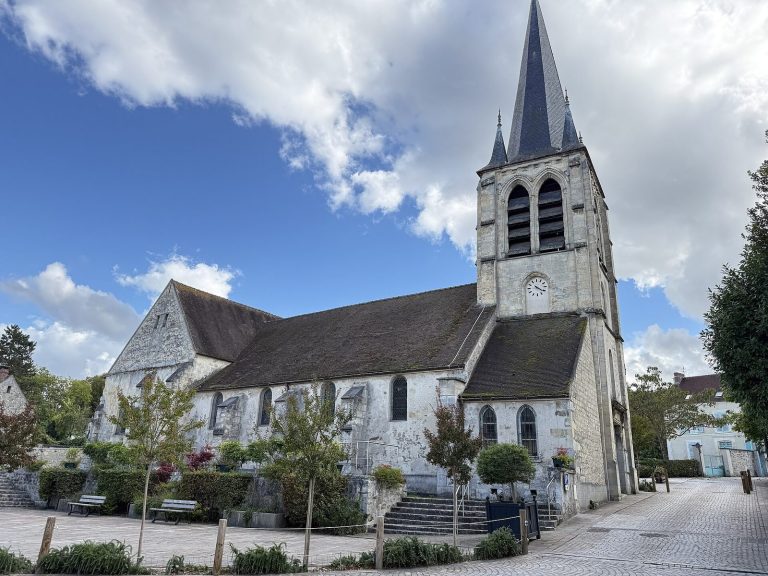
Église Saint-Rémi d'Asnières-sur-Oise preserves a Romanesque choir, Gothic nave, bell-tower porch, historic furnishings, funerary monuments,…
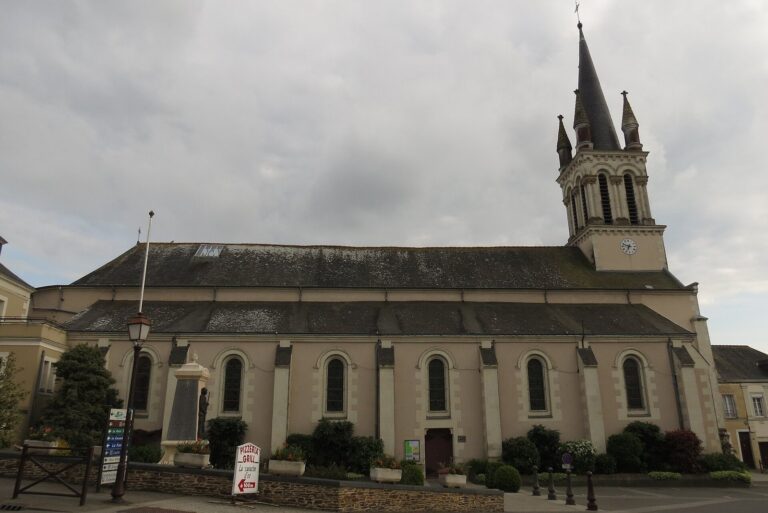
Founded as a priory church in 1094, Sainte-Madeleine became Pouancé’s parish church in 1778 and was rebuilt in the nineteenth century in the…
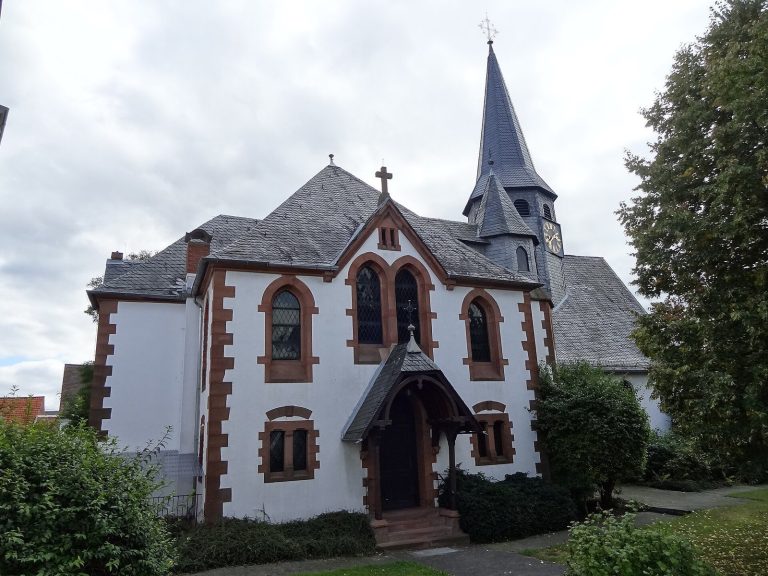
Evangelical Church Lützellinden preserves a late-medieval fortified church, a major eastern extension from 1893, and furnishings and records spanning…
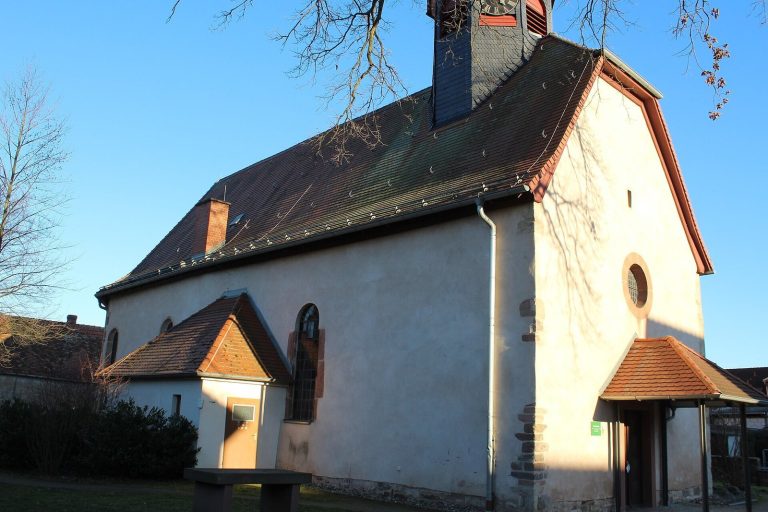
Evangelische Kirche Eichen preserves the history of a medieval chapel, Reformation-era confessional change, wartime destruction, and successive…
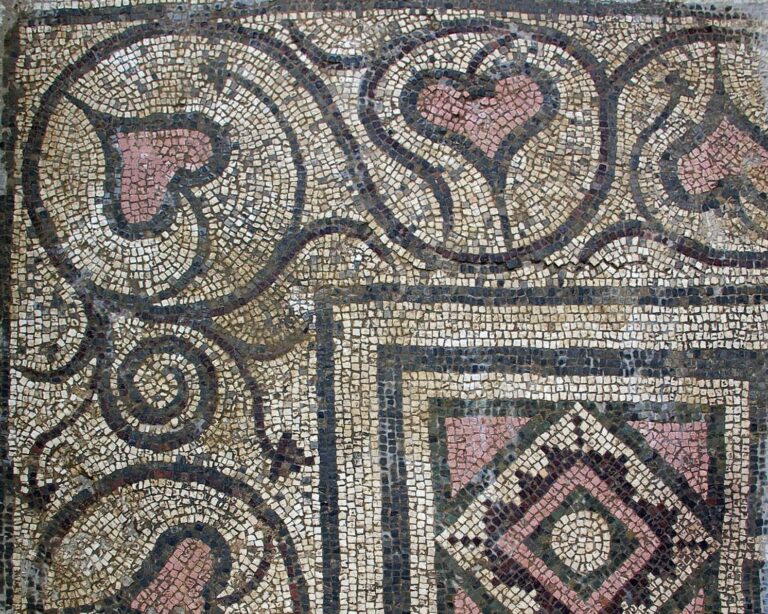
Near Ascoli Satriano in Apulia, the Faragola Roman villa grew into an aristocratic residence with an extensive bath complex and a richly decorated…
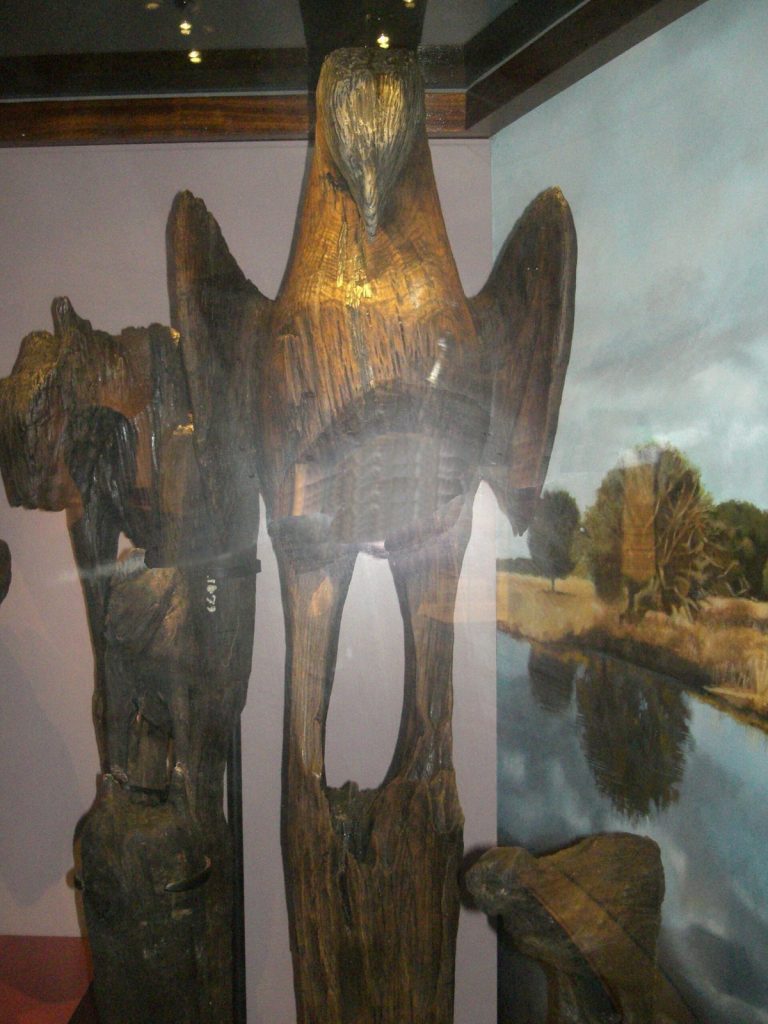
Occupied for many centuries by people of the Belle Glade culture, Fort Center includes earthworks, burial features, and evidence of changing…
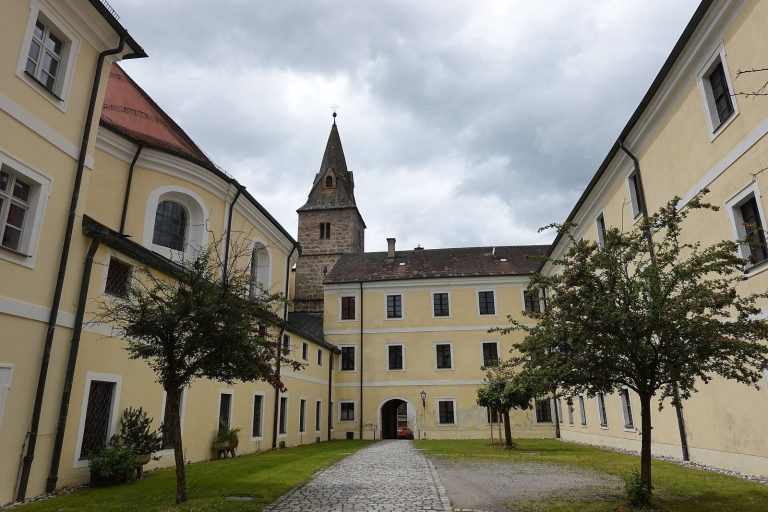
Frauenzell Abbey developed from a fourteenth-century hermitage into a Benedictine abbey before its dissolution in 1803. Its Rococo church, monastic…
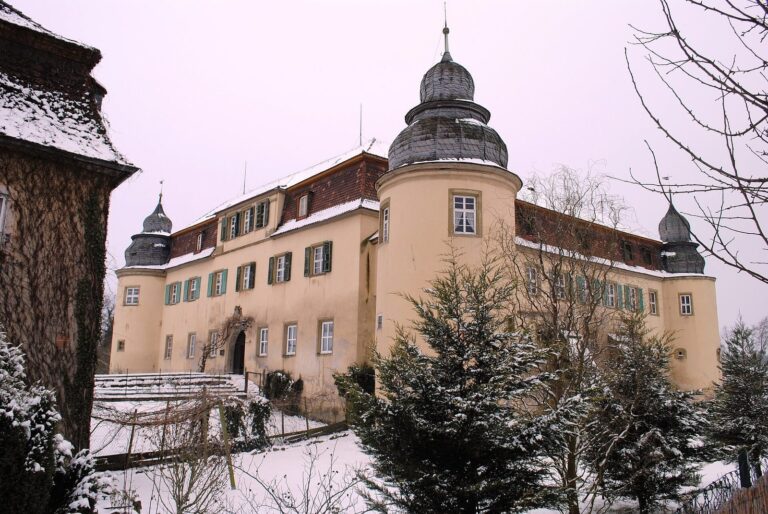
First recorded in the thirteenth century, Fröhstockheim Castle was rebuilt by the von Crailsheim family after its predecessor burned in 1525. Its…
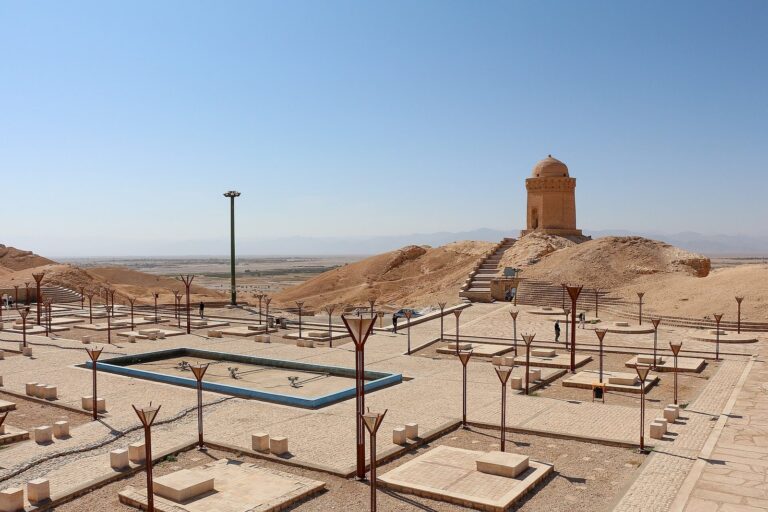
Completed around 1056 in Abarkuh, Gonbad-e Ali is an active mausoleum and one of Iran’s best-preserved surviving Seljuk buildings. Its octagonal…
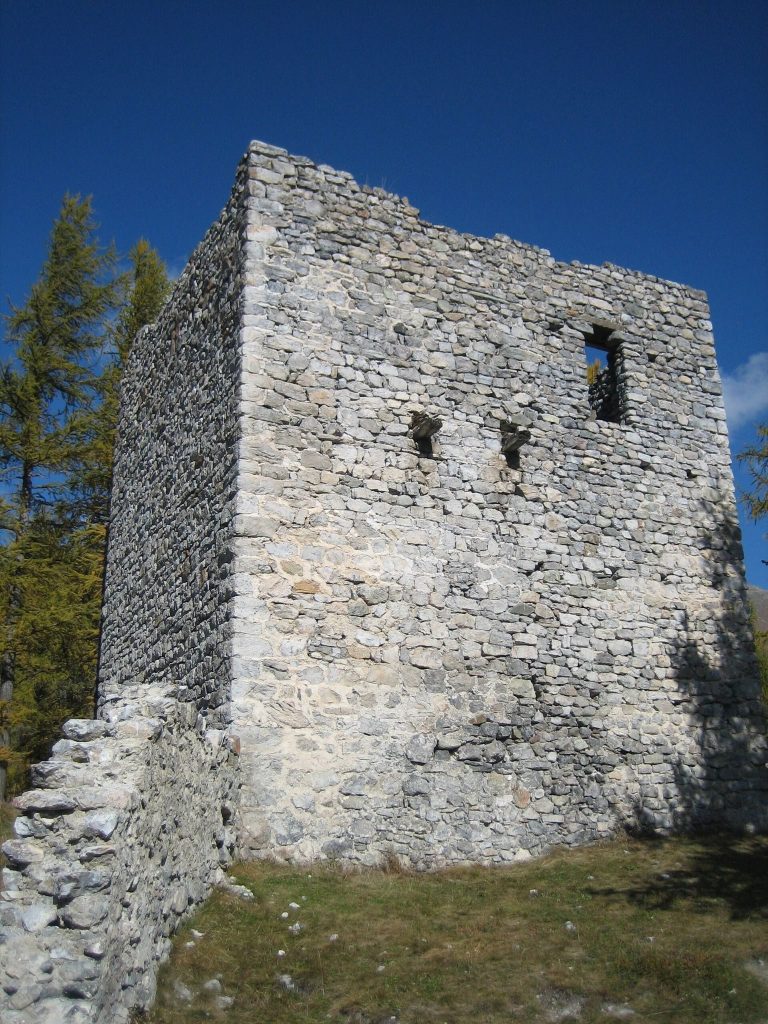
Guardaval Castle above Madulain was built around 1250 as a toll station and administrative center for the bishops of Chur. Its surviving tower,…
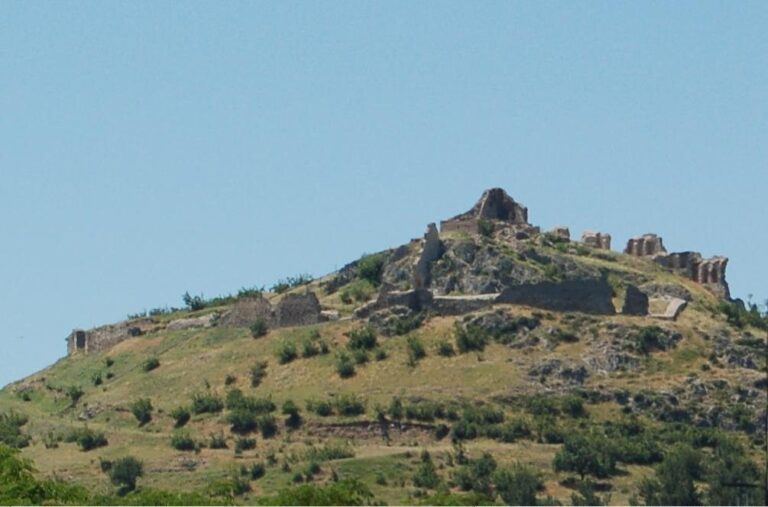
Built under Andronikos III Palaiologos, probably in 1334, Gynaikokastro guarded the approaches to Thessaloniki and later served Byzantine, Serbian,…
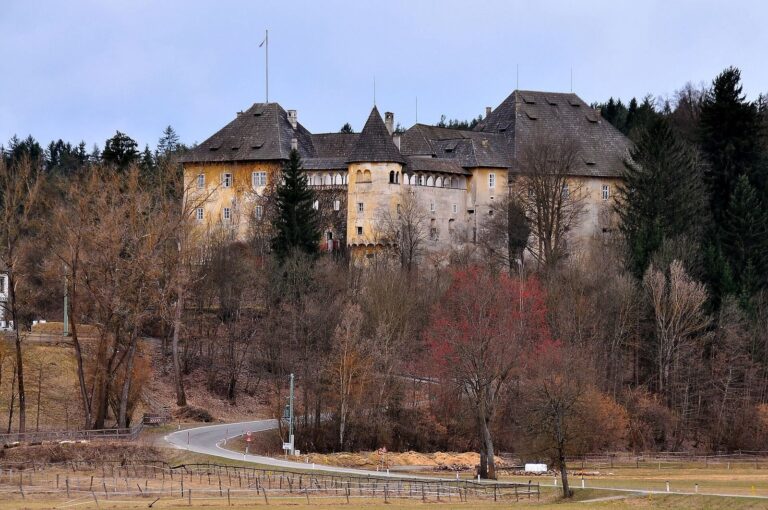
Hallegg Castle in Klagenfurt am Wörthersee developed from a medieval castle into a residence under the Welzer family. Its irregular complex preserves…
For details on how to use the maps, which sites are included, how popularity and ratings are determined, and how sites are classified, see the help page.
On this page8 sections
Castles, towers and fortified enclosures
Caerphilly Castle in Wales surrounds its inner stronghold with further walls, artificial lakes and defended dams. Gatehouses control movement between the outer works and the central island, while sluices regulate the water around them. The lakes made it difficult to approach and undermine the walls, placing water management within the defensive design. Extensive twentieth-century restoration repaired the castle and refilled its lakes.
At Nardaran Fortress in Azerbaijan, a cylindrical tower stands inside a compact square enclosure. Its raised entrance leads into successive vaulted levels connected by stone stairs. Plain dressed masonry, corner defences and inscriptions above the tower entrance preserve the form of a fortress built in 1301. Its concentrated tower-and-courtyard arrangement differs from the multiple islands and waterworks at Caerphilly.
Government palaces and council halls
Palazzo Pubblico faces Siena’s Piazza del Campo in Italy. Built around the turn of the fourteenth century, it brought the city’s governing bodies into a dedicated palace. The slightly concave façade combines a stone lower storey with brick above, punctuated by three-part Gothic windows.
The arcaded Cortile del Podestà gives access to the interior and the adjoining Torre del Mangia. Council halls, administrative rooms and decorated chambers preserve the building’s civic role. Its position on the main square connected the enclosed work of government with the public space outside.
Cathedrals and monastic buildings
Trani Cathedral, beside the sea in southern Italy, raises its principal church above a lower church and crypt. Stairs lead to the main entrance, while large apses face the waterfront. Light-coloured local stone defines the exterior. The Romanesque portal retains elaborate carving, although the bronze doors outside are replicas of the originals displayed within the building.
At Haghartsin Monastery in Armenia, several stone churches are grouped with entrance halls and a refectory. The thirteenth-century dining hall uses intersecting arches to divide a long room into two domed spaces, each lit from above. Stone benches follow the walls. These communal rooms extend the view of monastic life beyond the churches themselves, within a complex maintained through later restoration.
Buddhist temples and timber halls
At Sanjūsangen-dō in Japan, a long timber hall shelters rows of gilded Kannon figures on stepped platforms beside a central seated image. Repeated columns divide the interior beneath a tiled roof, with aisles running alongside the sanctuary.
The standing hall was completed in 1266 after fire destroyed its predecessor. Later repair maintained the timber structure, while the front porch took its present form in the seventeenth century. The building preserves the medieval arrangement of a Buddhist image hall alongside those subsequent changes.
Mosques and decorated prayer halls
The Great Mosque of Tlemcen in Algeria contains rows of horseshoe arches leading towards its prayer wall. Above the bay before the mihrab, or prayer niche, intersecting ribs form a star-shaped dome. Pierced plaster panels between the ribs allow light to pass through the carved ornament.
This decorated bay belongs to the mosque’s twelfth-century Almoravid embellishment. Later additions include another dome and the minaret, so the building preserves several medieval campaigns rather than a single unaltered foundation.
Caravanserais and travellers’ accommodation
Döğer Caravanserai in Turkey separates a broad stable hall from a two-storey lodging block. Travellers’ rooms and a small prayer space occupy the upper level, while the lower rooms provided communal facilities. Vaults, domes, fireplaces and narrow windows survive within the stone building, established under the Ottoman sultan Murad II in the fifteenth century.
Stone bridges and river crossings
Near Aspendos, the Eurymedon Bridge carries a medieval crossing over surviving Roman foundations. Seljuk builders used pointed arches and a narrower roadway when replacing the earlier bridge. The route bends sharply as it follows the older pier remains, giving the standing bridge its distinctive zigzag alignment. The masonry records a practical reuse of ancient infrastructure rather than a surviving Roman bridge in its original form.
Explore the collection
Explore sites on the map or in the grid. Map icons indicate each site’s primary function, helping you identify different kinds of places at a glance. Narrow the results by country, primary function, site type or civilization, with additional filters for popularity and rating. Select a map marker to view the site’s details and open its article, or open the article from its grid entry.