Église Sainte-Madeleine de Pouancé: A Neo-Romanesque Catholic Church
Site at a Glance
- Popularity
- Very Low
- Country
- France
- Primary era
- Medieval
- Eras represented
- Medieval, Modern
- Civilizations
- French
- Site type
- Religious
- Remains
- Church
On this page4 sections
History
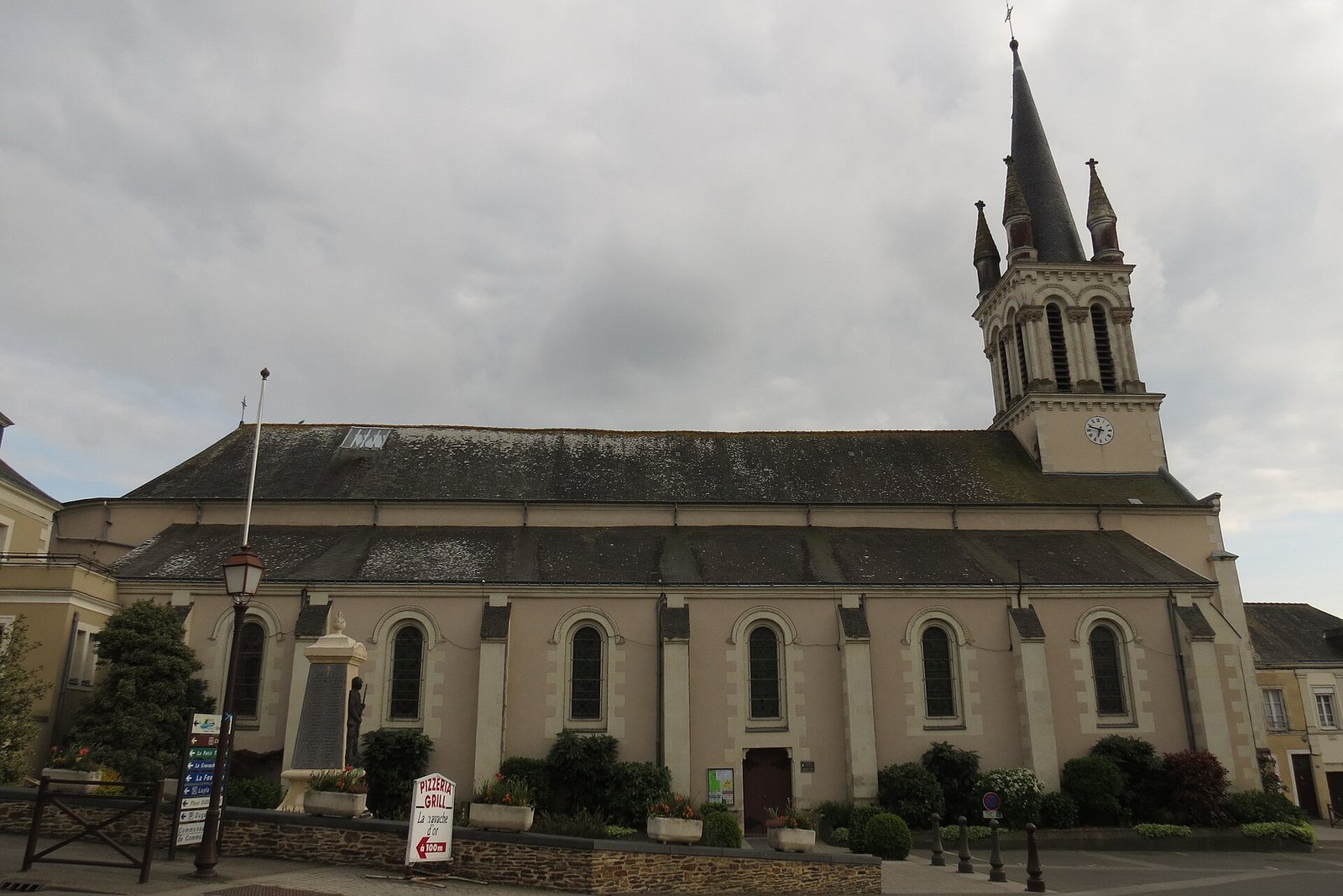
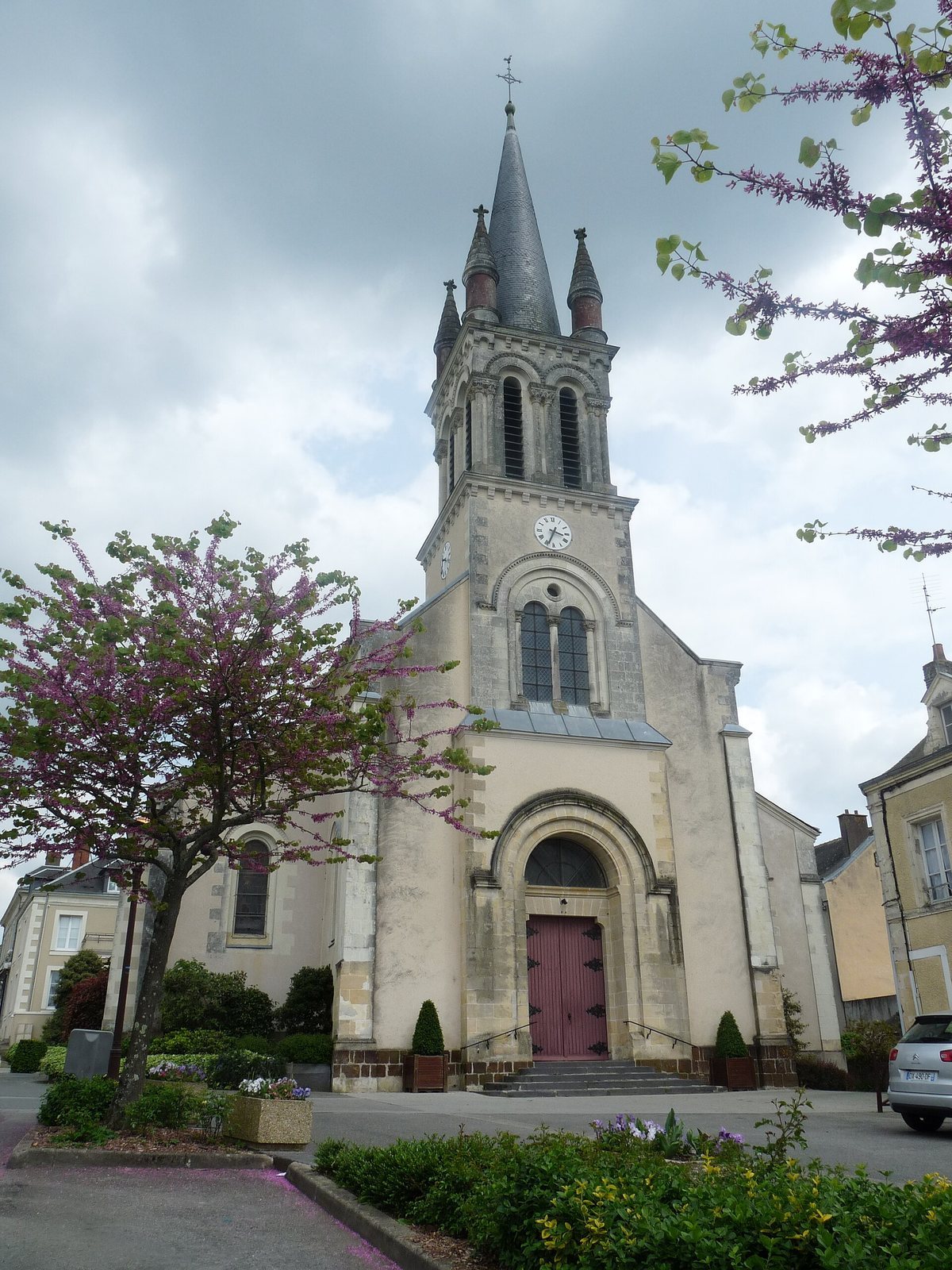
The Église Sainte-Madeleine de Pouancé is a Catholic church in Ombrée d’Anjou, France. Its present building is Neo-Romanesque, a revival style based on Romanesque forms, and its history began with a priory founded in 1094. The priory church later became Pouancé’s parish church.
Medieval priory
Gautier Hay, lord of Pouancé, and his wife, Basilie, founded the priory in 1094 and gave it to the monks of Marmoutier, a major medieval abbey near Tours. Gautier had granted the monks rights in 1090, including tithes, levies supporting religious institutions, in Pouancé, La Prévière, and Senonnes. At the founders’ request, the monks undertook to build a priory church after receiving further rights, including income from a market tithe and toll, mills, fishing in several ponds, and a bread oven. They could also operate their own oven. Residents within the priory settlement were exempt from military service except during an attack. The foundation charter was drawn up at Pouancé Castle.
The priory is first mentioned in 1168. In 1178, Marmoutier undertook to have four monks live there.
Parish church and rebuilding
On 10 November 1701, the priory church became a branch church serving the parish alongside its principal church, Saint-Aubin de Pouancé. Because parishioners complained that Saint-Aubin stood too far outside town, Sainte-Madeleine became the parish church on 4 March 1778.
The medieval building had fallen into poor condition by the nineteenth century. On 22 November 1812, the municipal council barred access. An enlargement followed in 1815, and reconstruction began in 1819: the old church was demolished and completely rebuilt. The commune received 618.80 francs from the state to reimburse expenses from the Prussian occupation in 1815. King Louis XVIII, who ruled France from 1814 to 1824, contributed a further 2,000 francs.
Architect Louis Duvêtre carried out a final enlargement in 1859–60, when the rectory was also rebuilt.
Remains
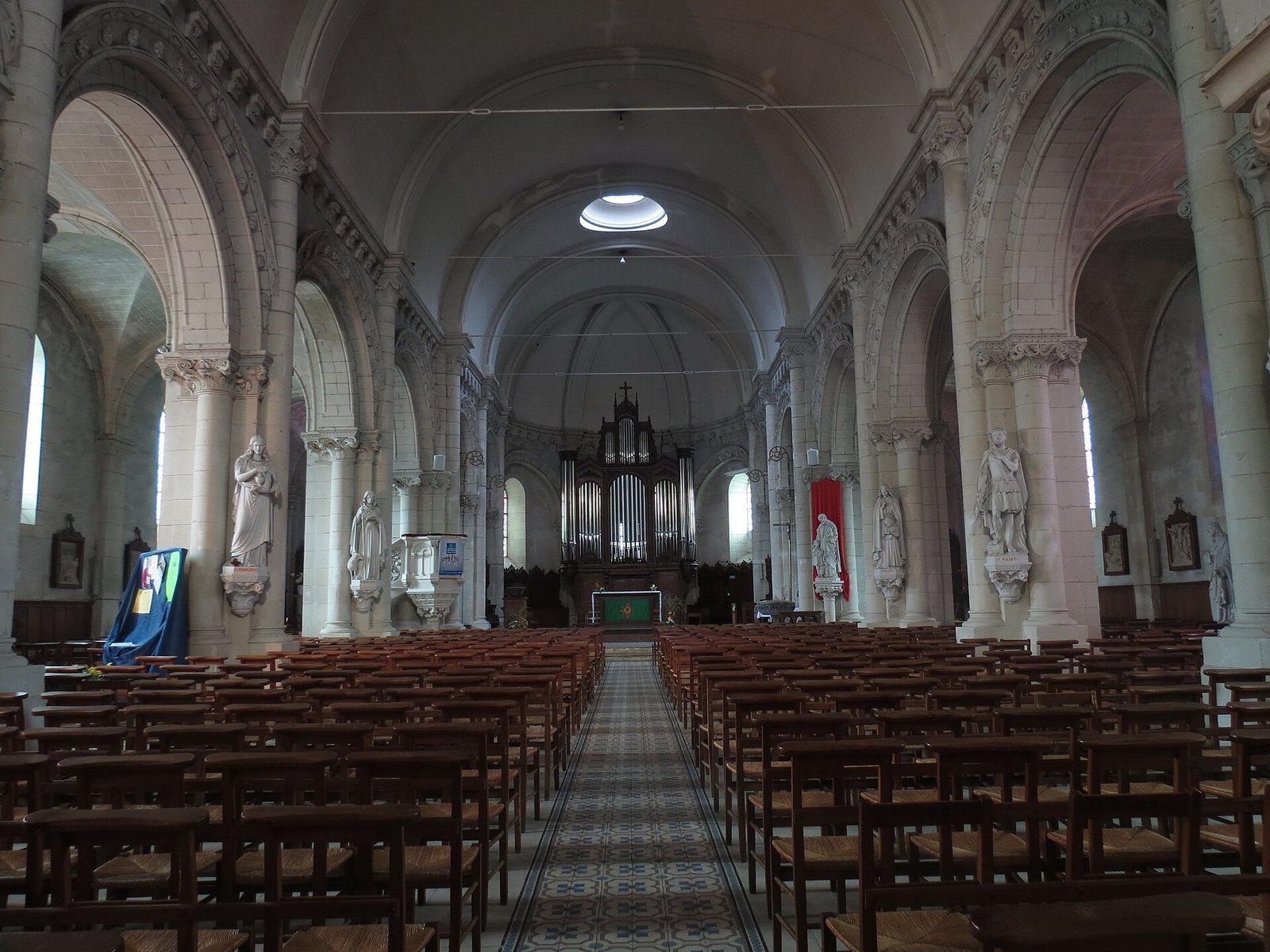
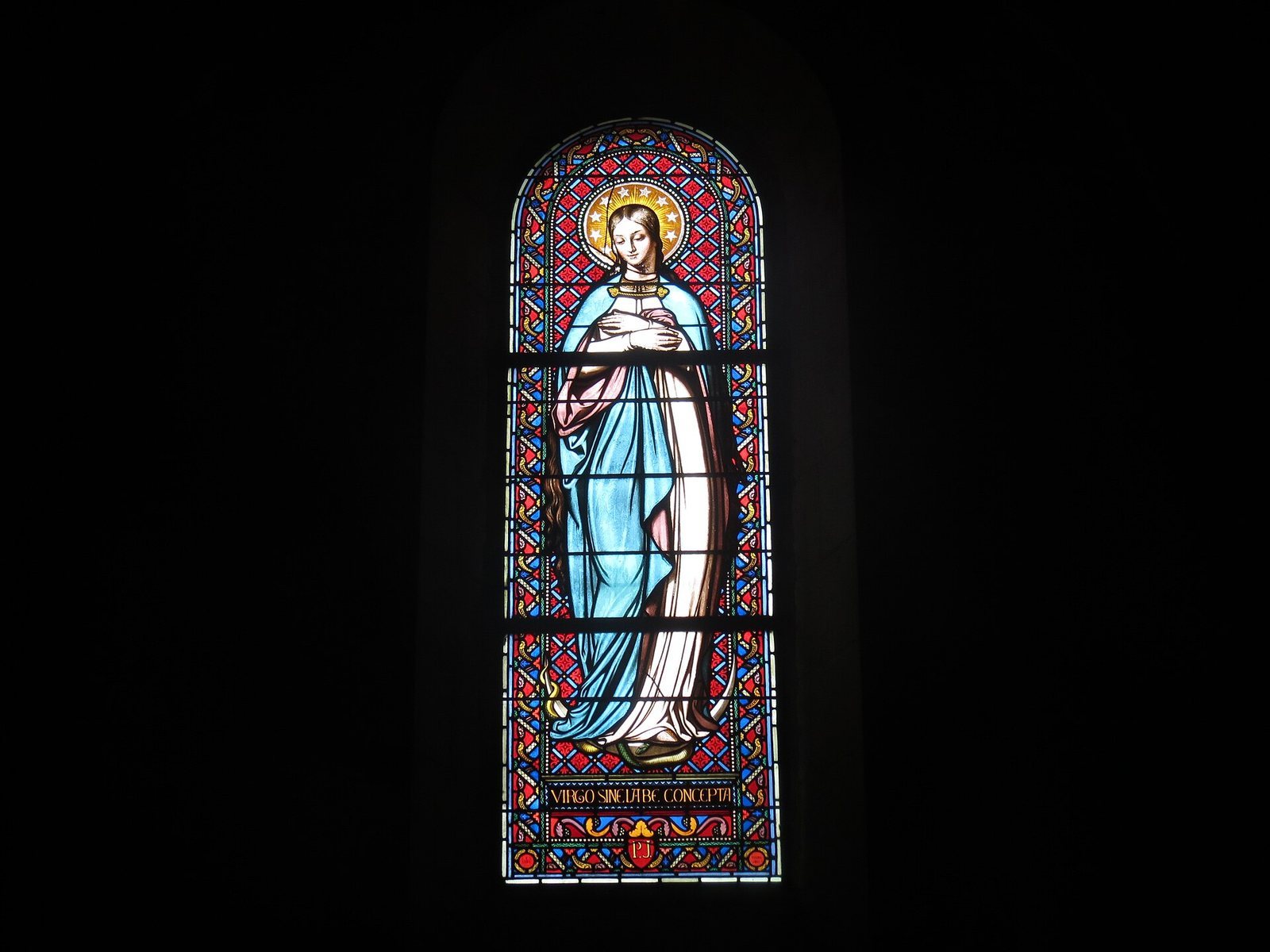
The present church is Neo-Romanesque, drawing on forms associated with Romanesque architecture. Its furnishings and stained glass are associated with Mary Magdalene, a follower of Jesus in the New Testament; Martha and Lazarus, siblings in Gospel accounts; and Saint Joseph, traditionally identified as Mary’s husband. They also relate to the Virgin Mary under the title of the Immaculate Conception, the Catholic teaching that Mary was preserved from original sin from the moment of her conception.