Macedonian Kingdom and Empire: Sites and Map
Macedonian sites in northern Greece preserve royal residences, painted tombs, planned cities and sanctuaries used by kings and their subjects. The strongest connections lie in the relationship between royal centres such as Aigai and Pella and the wider network of towns and religious places.
Primary Function: All
Type: All
Country: All
Popularity: All
Rating: All
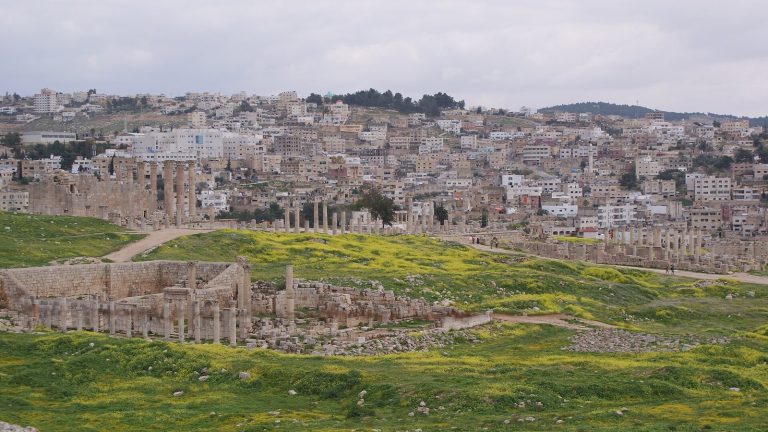
The Archaeological Site of Jerash preserves the ancient city of Gerasa, whose history extends from a Neolithic settlement through Hellenistic, Roman,…
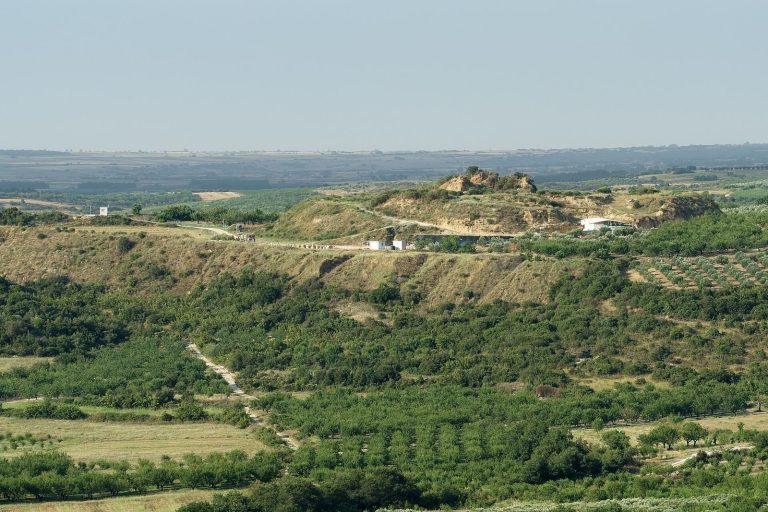
Built near Amphipolis in the late fourth century BC, the Kasta Tomb is a monumental burial complex with an elaborate three-chamber interior and an…
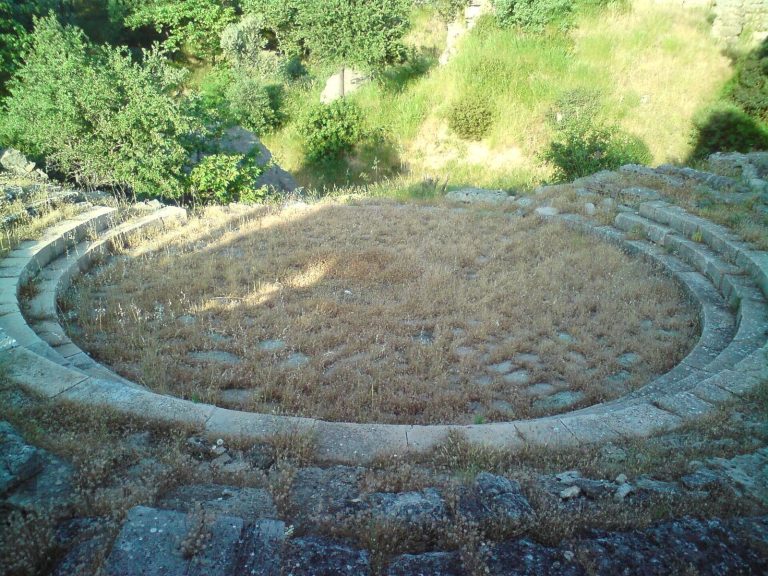
An independent Greek sanctuary on Samothrace, the center drew worshippers and envoys from across the Greek world and developed through successive…
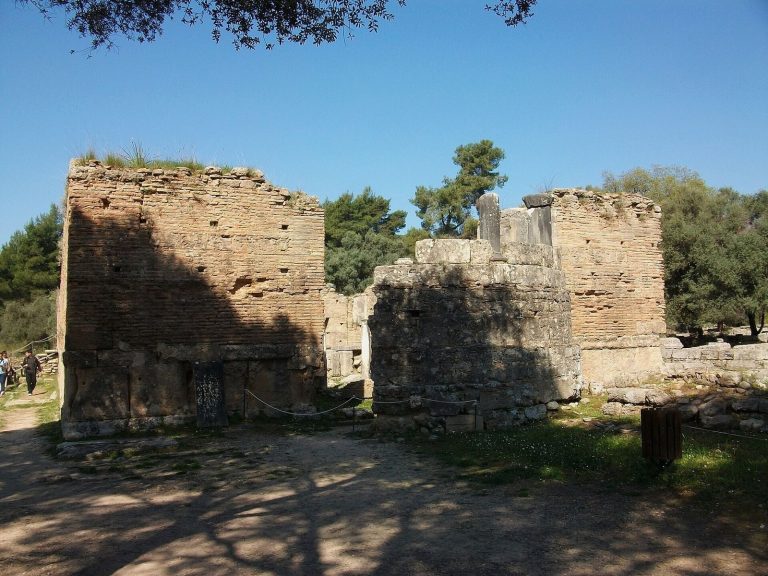
The Archaeological Site of Olympia in Greece preserves a major sanctuary of Zeus, the setting of the ancient Olympic Games, and buildings that…
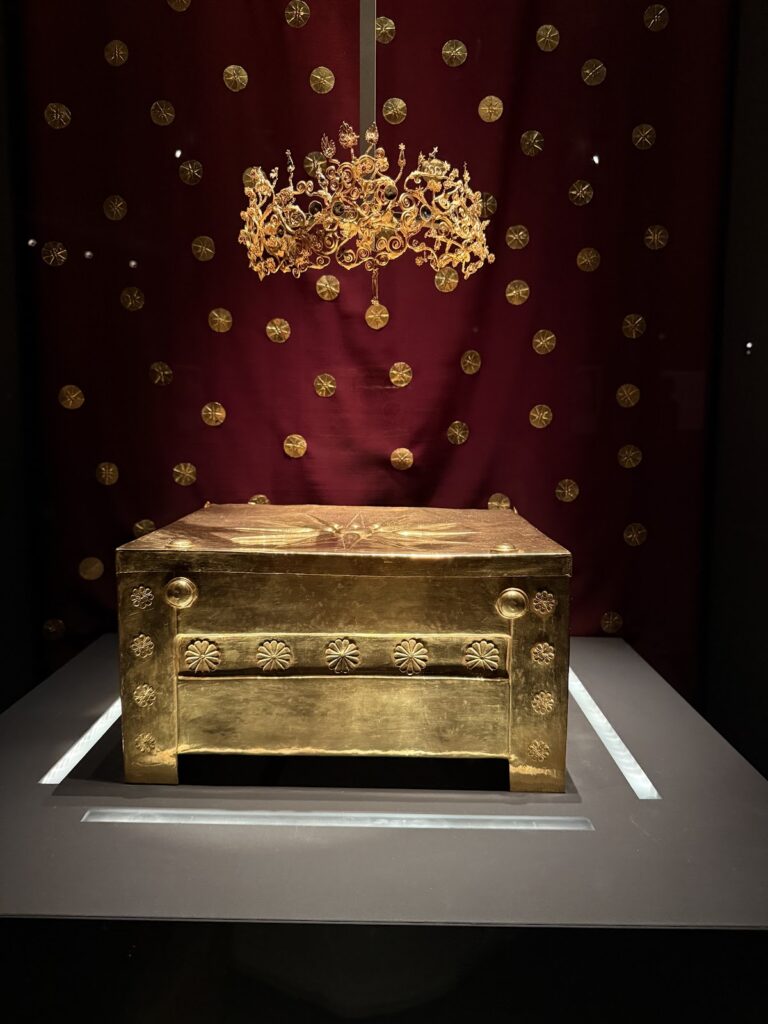
The Museum of the Royal Tombs at Aigai in Vergina preserves royal tombs, grave goods, palace remains, mosaics, and sculptures connected with the…
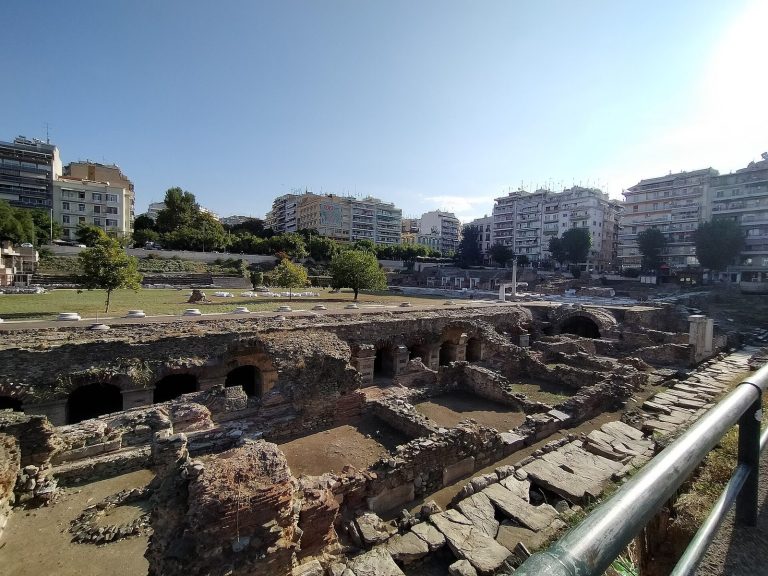
The Roman Forum of Thessaloniki was a major civic complex used from the Roman period into late antiquity. Its remains include colonnaded galleries,…

Acrocorinth is the fortified acropolis of ancient Corinth in Greece. Occupied from at least the eleventh century BC into the nineteenth century AD,…
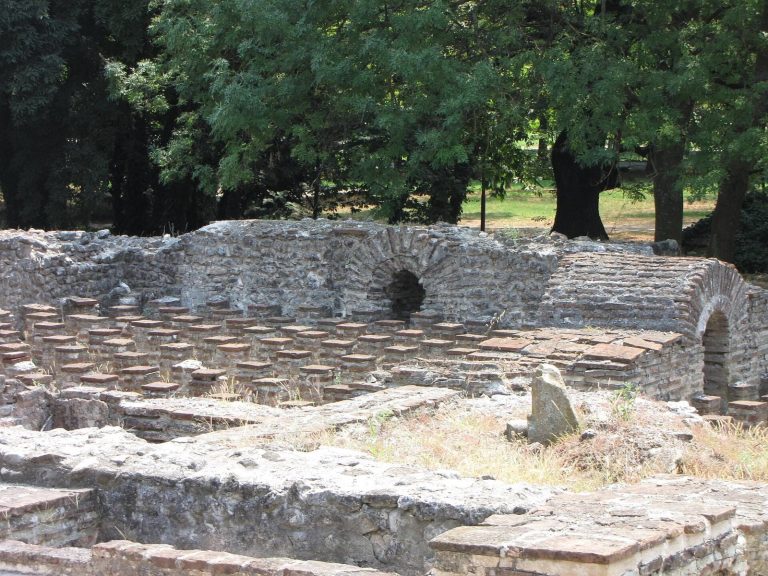
Dion was the principal sacred city of ancient Macedon, a fortified settlement beneath Mount Olympus that developed into a Roman colony. Its…
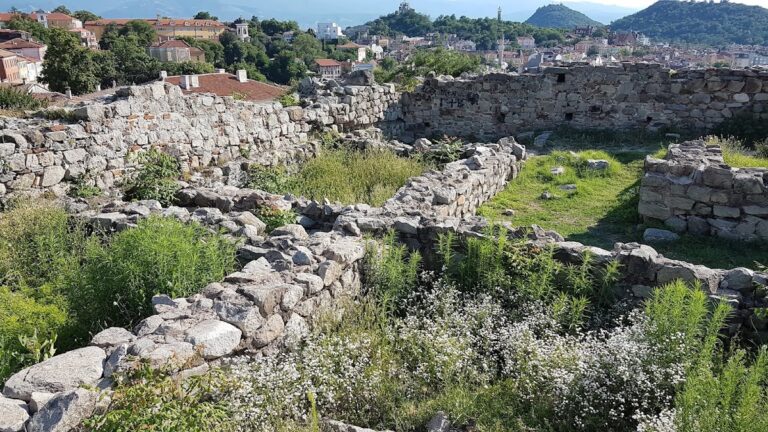
Nebet Tepe is one of the hills where ancient Plovdiv was founded, preserving Thracian, Hellenistic, Roman, Byzantine, and medieval remains.
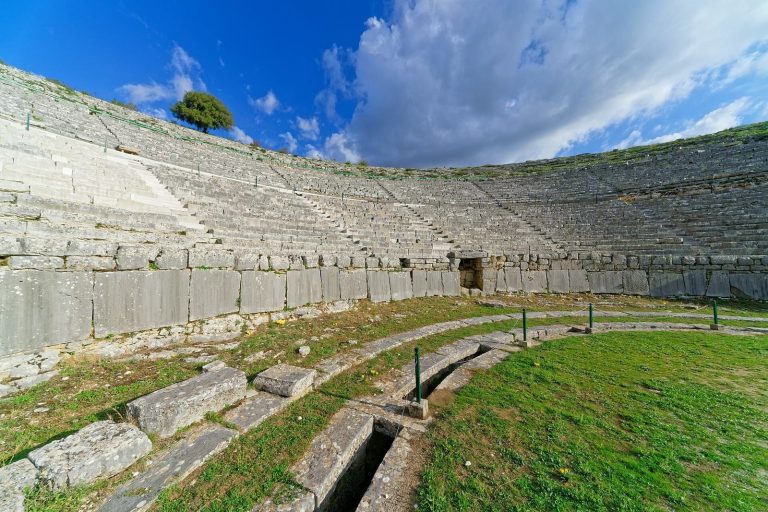
Dodoni was an ancient sanctuary and oracle in Epirus, shaped by Bronze Age cult activity, Hellenistic rebuilding under Pyrrhus, Roman transformation,…
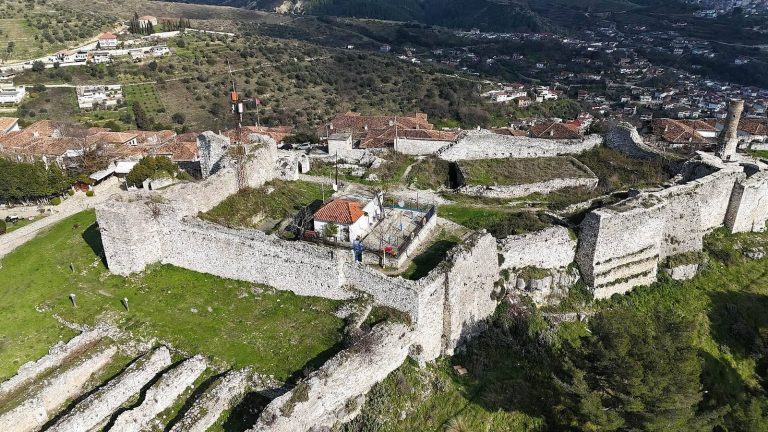
Berat Old Town and castle preserve a continuously inhabited fortified centre whose history extends from an Illyrian settlement and ancient Antipatrea…
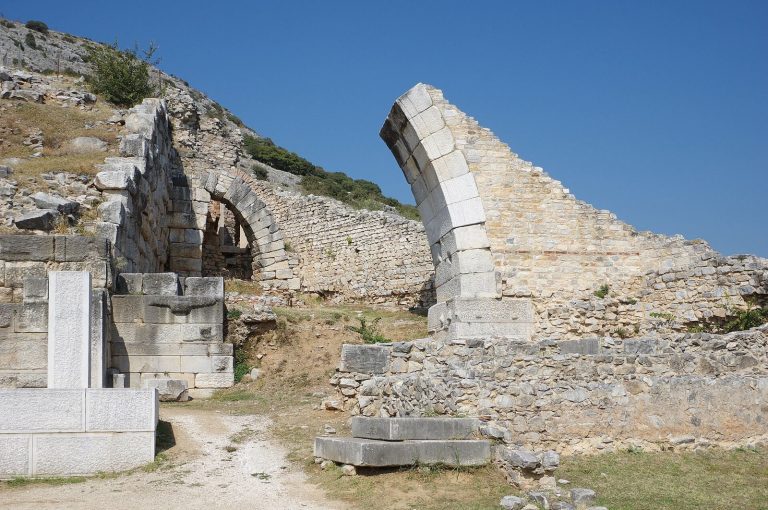
Philippi developed from a Thasian colony into a fortified Macedonian settlement, a Roman colony, and an important early Christian centre. Its remains…
For details on how to use the maps, which sites are included, how popularity and ratings are determined, and how sites are classified, see the help page.
On this page5 sections
Aigai: palace courts and royal gatherings
The Palace of Aigai at Vergina belongs to the monumental development of Macedonia’s early royal centre in the fourth century BC. Its buildings surrounded a large courtyard lined with columns, with rooms opening from the covered walks around it.
This arrangement created both an impressive shared space and smaller interiors for royal activity. Reception and dining rooms connected the display of kingship with gatherings of the court. The surviving foundations, columns and decorated floors make the palace’s organisation legible, even though the original upper structures and much of the roof have disappeared.
The royal tombs at Vergina
The Royal Tombs of Aigai preserve a different expression of royal status. Monumental burial chambers were built beneath earth mounds, with painted architectural fronts and carefully furnished interiors. Gold and silver objects, weapons and other burial goods accompanied members of the ruling elite.
The identification of individual occupants, especially the tomb commonly attributed to Philip II, remains debated. The surviving architecture and objects nevertheless provide a direct view of elite burial practice. The protective museum covering the principal tombs is modern; the chambers and their painted decoration are the ancient monuments it shelters.
Pella: streets, courtyards and mosaic floors
Pella, the later royal capital, combined a palace district with a planned urban settlement. Streets divided the residential area into regular blocks, and houses were arranged around internal courtyards. These open spaces brought light into rooms set within densely built neighbourhoods.
Pebble mosaics decorated some of the larger houses, using small stones of different colours to form figures and patterns. The agora, the city’s commercial and civic centre, included spaces associated with workshops and trade. Water supply and drainage formed part of the urban infrastructure. Pella therefore extends the map beyond royal buildings to the material organisation of a substantial Macedonian city.
Dion: a sanctuary beneath Mount Olympus
At Dion, a sanctuary of Zeus stood at the foot of Mount Olympus. Macedonian kings used the place for major religious festivals and ceremonies connected with the kingdom. Altars and sacred enclosures accommodated public sacrifice and worship, linking royal authority to the cult of the god associated with the mountain.
The wider archaeological site also contains later Roman buildings, including baths and houses. Those belong to the city’s subsequent life. The sanctuary and its Macedonian history explain the site’s earlier importance, while the later remains show how a religious and urban centre continued under a different political order.
Amphipolis: a river crossing and civic training
Amphipolis stood beside the Strymon River and was conquered by Philip II in 357 BC. Its position connected an inland territory with the coast, making fortifications and the river crossing important to the city’s control.
The gymnasium, built in the fourth century BC, supplied spaces for the physical and intellectual training of young men. Its courtyard and running tracks gave this institution a substantial architectural setting. Alongside the palaces, tombs and sanctuary, Amphipolis introduces the civic facilities of a town incorporated into the Macedonian kingdom.
The map markers and grid cards lead to individual articles on the royal centres, cities and sanctuary, including their later development.