Italian States and Kingdoms: Explore Monasteries, Palaces and Fortifications
Explore more than 2,500 sites associated with Italian states and kingdoms, including Lombard monasteries, communal palaces, ducal churches and Mediterranean fortifications. The collection brings together distinct histories, from the Papal States and Tuscany to Genoa, Venice and the southern kingdoms. Its geographical scope follows those histories: papal Avignon, Genoese Galata and Venetian Crete appear alongside buildings in present-day Italy.
Primary Function: All
Type: All
Civilization: All
Country: All
Popularity: All
Rating: All

Forte Tenaglia is a fortified work on Genoa’s western heights, developed from a fifteenth-century stronghold into part of the city’s defensive system…
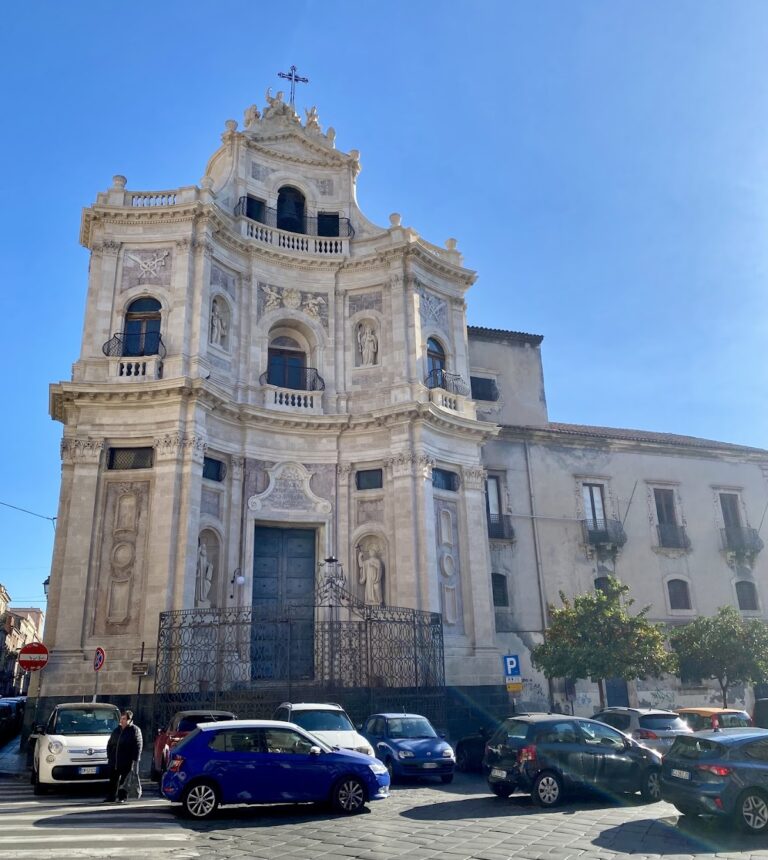
San Placido is a Roman Catholic church in Catania, Italy, rebuilt after the 1693 Val di Noto earthquake and incorporated into a former Benedictine…

Varignano Roman Villa was a Roman residence and agricultural estate near Porto Venere, combining olive-oil production, maritime connections, and a…
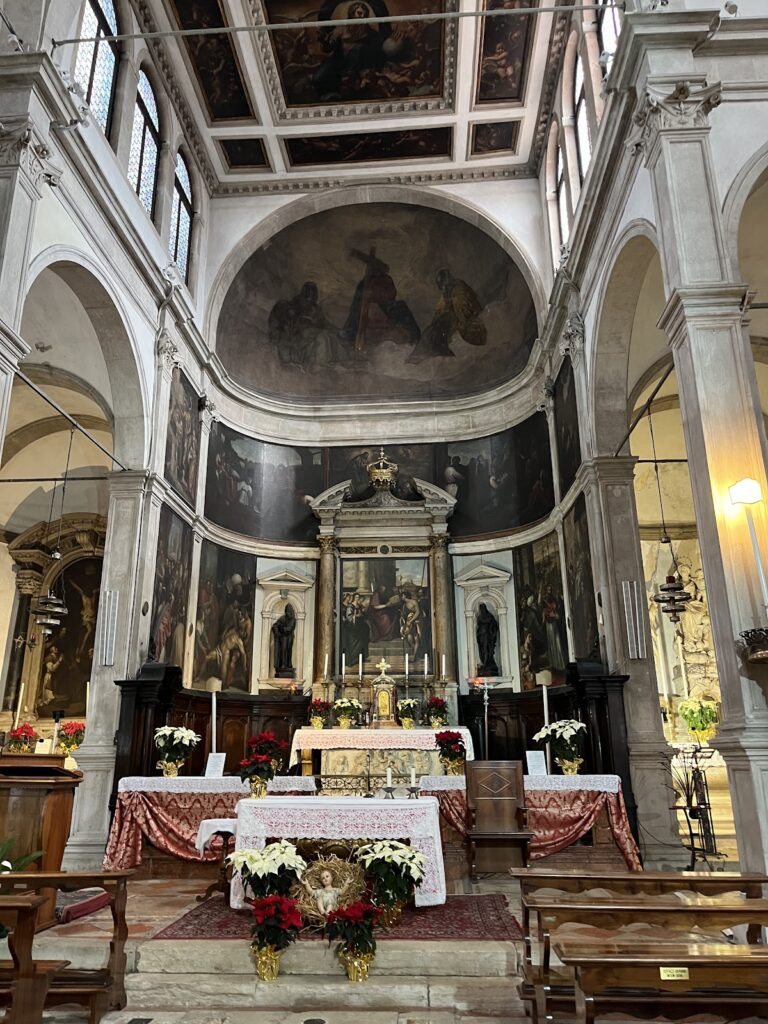
San Giovanni Grisostomo is a Renaissance church in Venice’s Cannaregio district, rebuilt after the fire of 1475 and known for its Greek-cross plan,…
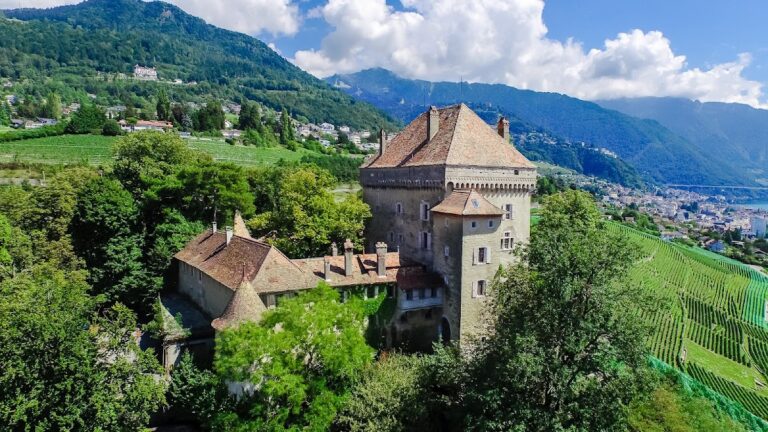
Châtelard Castle developed from an early wooden stronghold into a fifteenth-century fortified keep and later became part of Montreux. Its history…
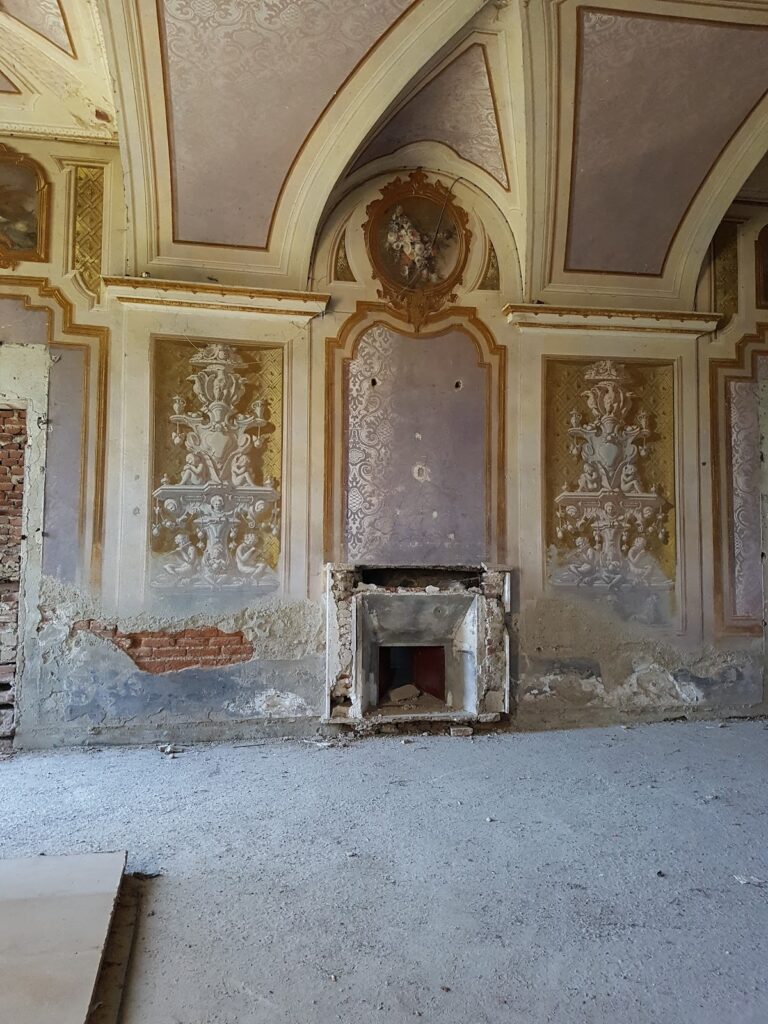
Leri Cavour, once a Cistercian grange and later the agricultural estate of the Benso family, preserves the history of medieval land reclamation,…
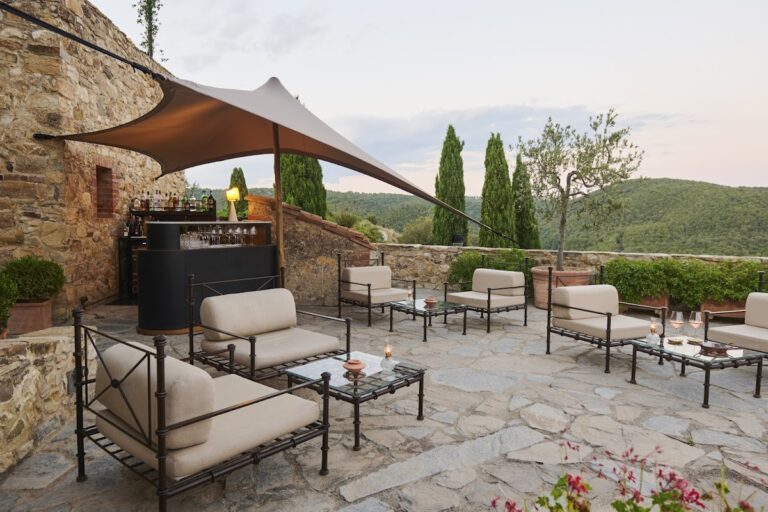
Vicarello Castle is a thirteenth-century Sienese stronghold in Tuscany that later passed to the lords of Cotone and became part of the Grand Duchy of…
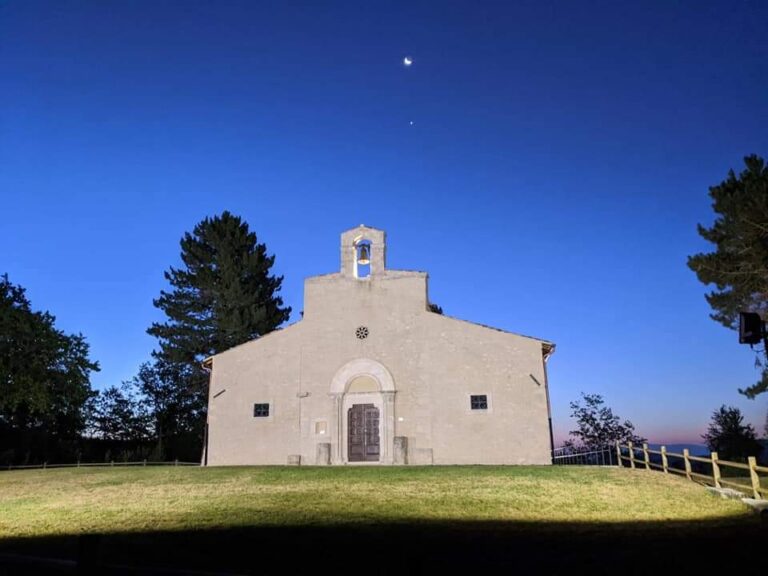
The Abbey of Santa Lucia in Rocca di Cambio, Abruzzo, preserves an medieval church, an underground crypt, and an extensive cycle of religious…
Castello di Montalto Dora is a twelfth-century fortress overlooking Lake Pistono, developed to control routes toward the Aosta Valley and the Via…
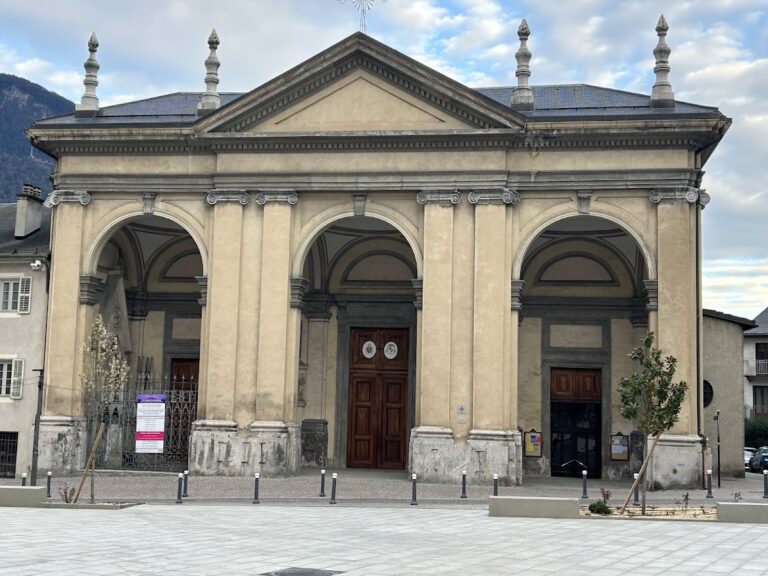
Saint-Jean-de-Maurienne Cathedral developed from a sixth-century foundation associated with King Gontran and became the seat of the Diocese of…
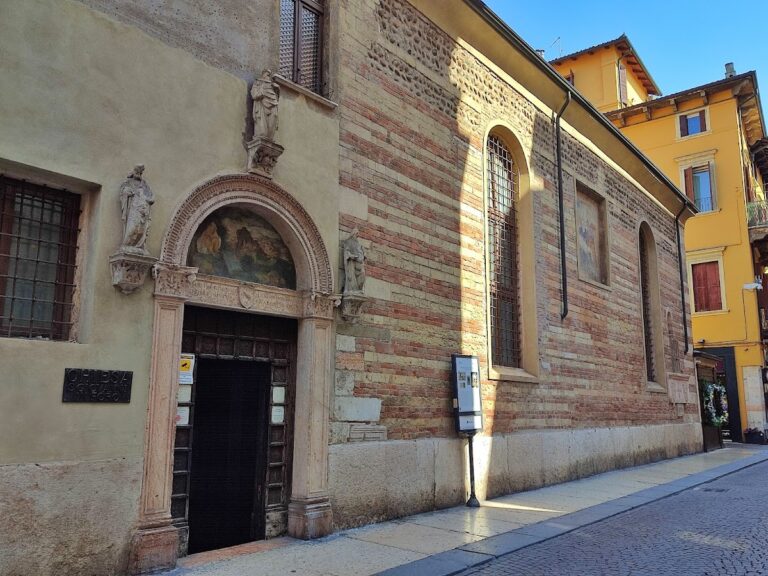
San Giovanni in Foro is a Roman Catholic rectorate church beside Verona’s ancient Roman forum, preserving Romanesque masonry, Renaissance sculpture,…
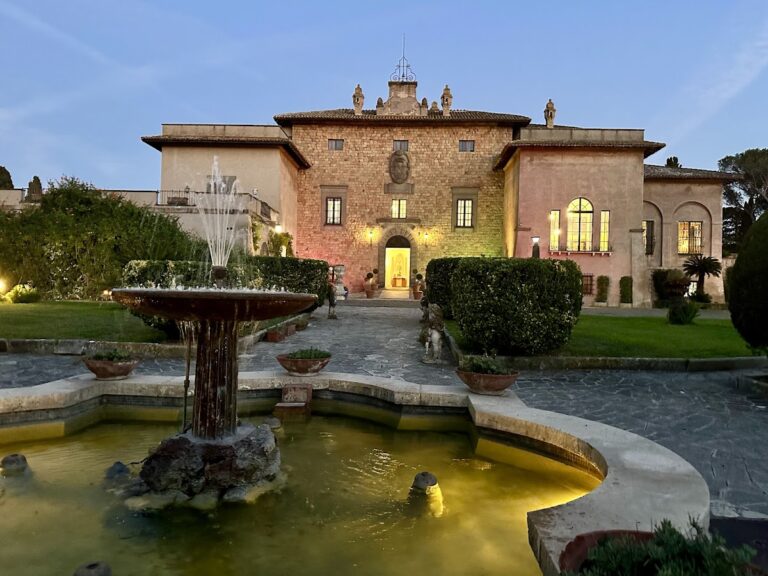
Villa Giovanelli Fogaccia developed around an older tuff-built tower and acquired its present form through designs by Marcello Piacentini. Its…
For details on how to use the maps, which sites are included, how popularity and ratings are determined, and how sites are classified, see the help page.
On this page6 sections
Torba’s defensive tower becomes a monastery
Torba Abbey preserves part of the fortified landscape below Castelseprio in Lombardy. Its square late Roman tower was incorporated into a community of Benedictine nuns during the eighth century, in the Lombard period. Thick walls and earlier firing openings survive within a building adapted for burial and prayer.
Paintings in the tower include religious figures and a procession of nuns. They record the transformation of a military interior into a sacred space. The adjoining church developed through later building campaigns, and the convent’s portico was recovered during modern restoration. These elements preserve successive uses of the same enclosure, rather than one uniformly dated monastic building.
Milan Cathedral’s marble structure
Milan Cathedral developed under the Visconti and successive rulers of Milan. Its five-aisled nave leads towards a broad transept and an ambulatory around the sanctuary. Clustered piers, buttressed walls and brick vaults carry a structure faced in pale Candoglia marble.
The visible building was completed and altered over many centuries. Its medieval ducal project acquired later additions under Spanish and Austrian rule, followed by work in the modern Italian period. Roof terraces, pinnacles and sculpted façades belong to this extended construction history. The cathedral’s continuing architectural form should therefore be distinguished from the date of any individual doorway, spire or decorative surface.
Papal halls and fortified courts at Avignon
The Palais des Papes in Avignon combines the older palace of Benedict XII with the larger additions of Clement VI. The fourteenth-century complex stands on elevated ground beside the Rhône. Its towers, wall-walks and defended frontage enclosed an extensive residence and administrative centre for the papal court.
The older palace is arranged around a cloister, while the newer buildings added ceremonial halls, chapels, service rooms and another large court. Later military use subdivided rooms and damaged decoration. Restoration recovered the scale of many interiors and rebuilt parts of the upper defences. The palace’s location in modern France reflects the wider geography of papal temporal authority.
Government buildings in Florence and Siena
The Uffizi began in 1560 as a group of government offices commissioned by Cosimo I de’ Medici. Two long wings and a shorter riverside range form a narrow internal piazza between Florence’s civic centre and the Arno. Continuous porticoes provide sheltered circulation beneath repeated upper-storey windows.
Grey stone details stand against white plaster, giving the office ranges a consistent architectural treatment. Their arrangement gathered magistracies into a single complex before the upper spaces developed into a gallery. The building’s name retains the memory of those offices within a palace now associated with its collections.
At Siena’s Palazzo Pubblico, the curved frontage follows the edge of Piazza del Campo. Stone at the lower level gives way to brick above, with three-light Gothic windows and a taller central block. Built for the medieval republican government, it later received Medici heraldry and additional upper-storey work under Tuscan rule. These additions remain visible within the earlier communal seat.
Genoese towers and Venetian bastions
Galata Tower was built in 1348 as part of the defences of the Genoese settlement across the Golden Horn from Constantinople. Its thick cylindrical masonry rose above the colony’s streets and waterfront. The tower survived the loss of much of the surrounding wall circuit, but fires, earthquakes and rebuilding repeatedly changed its upper levels. Its present roof and summit cannot be treated as untouched Genoese work.
The Fortezza of Rethymno on Crete uses a broader artillery-defence plan. Venetian builders began the citadel in 1573, fitting its bastioned perimeter to a coastal hill. Inside stood administrative buildings, soldiers’ quarters, stores and cisterns. The enclosure was too small to replace the whole town, although it could provide refuge.
Ottoman occupation brought further changes, including the conversion of the cathedral into a mosque. The surviving perimeter belongs principally to the Venetian fortress, while buildings within it preserve several periods of use.
Explore the collection
Use the map or grid to explore by country, primary function, site type and era. The civilization filter selects among the included states and kingdoms, with popularity and rating available as further refinements. Map icons show primary functions; markers and grid entries both link to site articles.