Ayyubid Historic Sites: Explore Citadels, Desert Forts and Mausoleums
Explore Ayyubid historic sites through citadels, castles, desert fortresses, religious schools and mausoleums. The collection extends across Egypt, Syria and neighbouring regions, following surviving construction associated with Saladin and other Ayyubid rulers. Many sites also preserve earlier structures and later Mamluk or Ottoman work.
Fortifications are a major part of the collection, with different designs for river crossings, exposed desert routes and densely built cities. Religious foundations add domed burial chambers, carved wooden monuments and surviving parts of educational complexes. The examples below identify their Ayyubid contributions within the buildings that remain.
Primary Function: All
Type: All
Country: All
Popularity: All
Rating: All
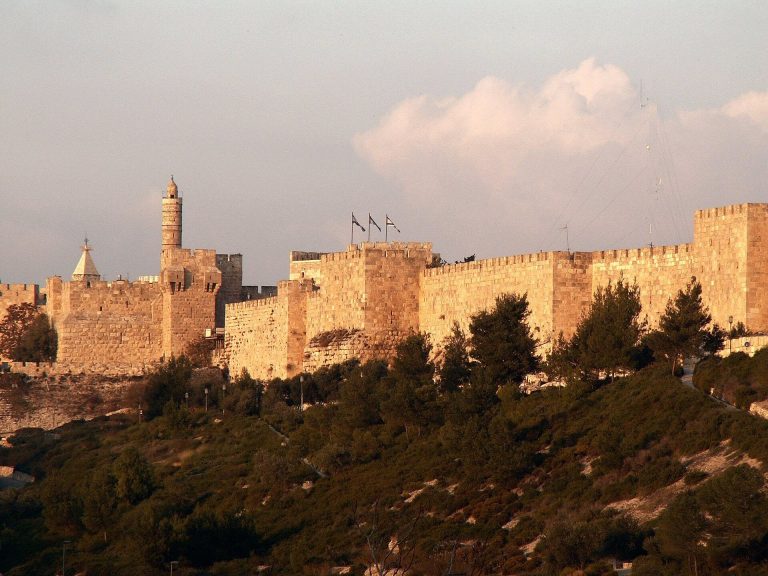
The Walls of Jerusalem preserve successive defensive systems built, altered, destroyed, and rebuilt over more than four millennia, from the Canaanite…
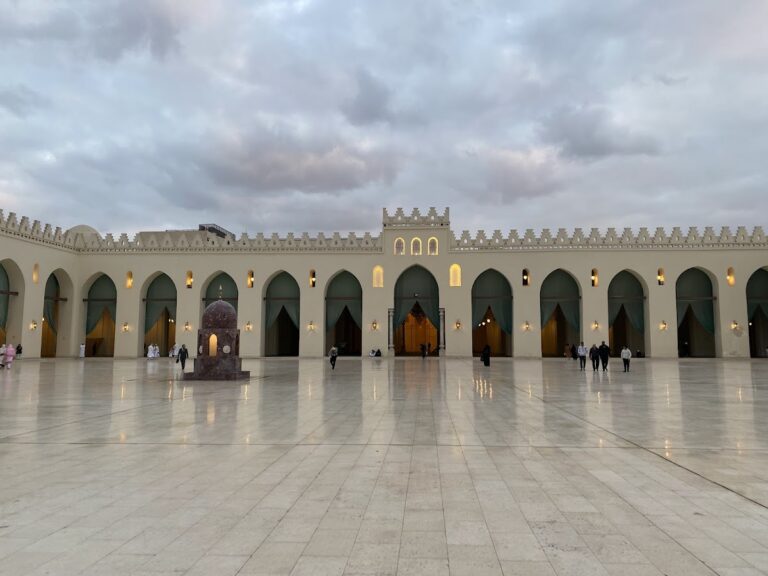
Al-Hakim Mosque is a major Fatimid religious monument in Cairo, begun in 990 and completed in 1013. Its surviving plan, fortified minarets,…
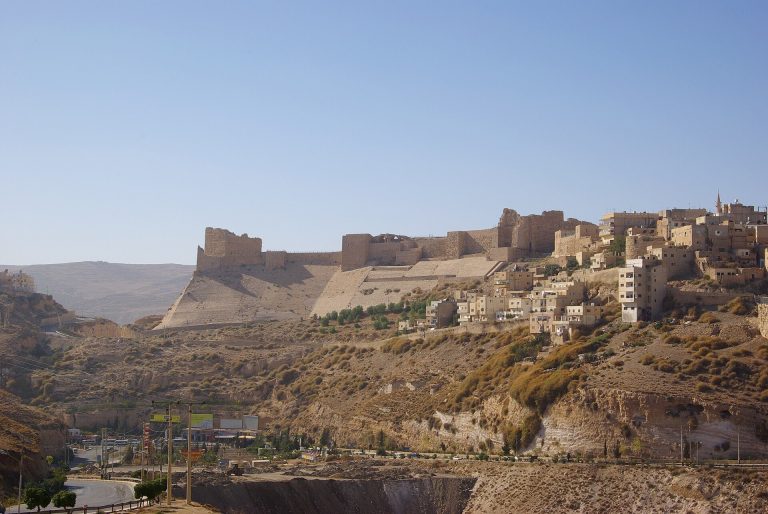
Kerak Castle in al-Karak developed from an ancient fortified site into a major Crusader, Ayyubid, Mamluk, and Ottoman stronghold controlling routes…
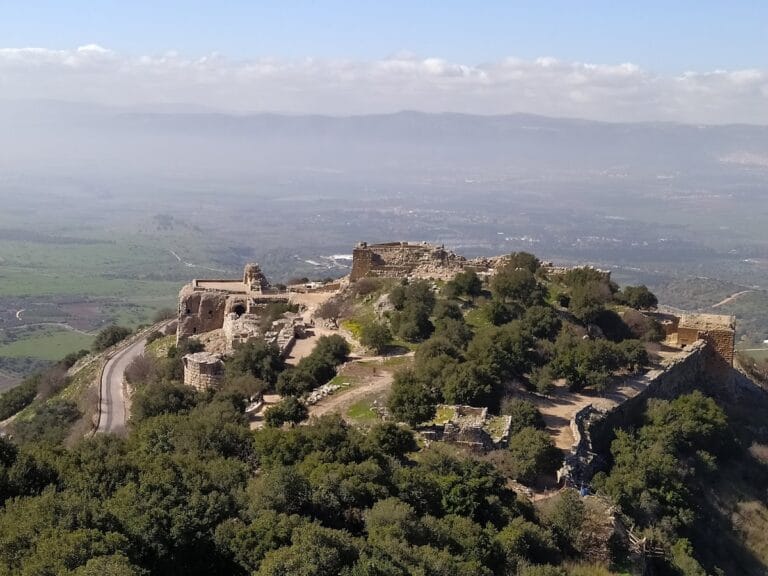
Nimrod Fortress occupies a strategic ridge on Mount Hermon and preserves evidence of Ayyubid, Mamluk, Ottoman, and modern military use, including…
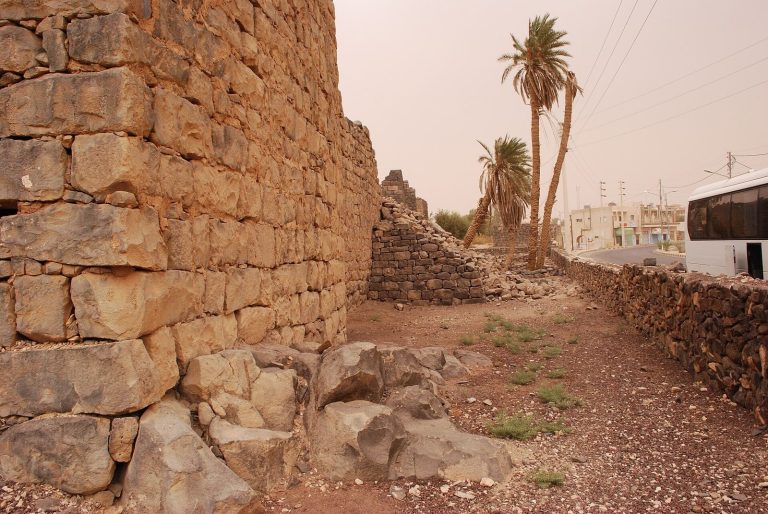
Al-Azraq Castle developed from Roman military installations guarding the Azraq oasis and routes across the eastern Jordanian desert. Its basalt walls…
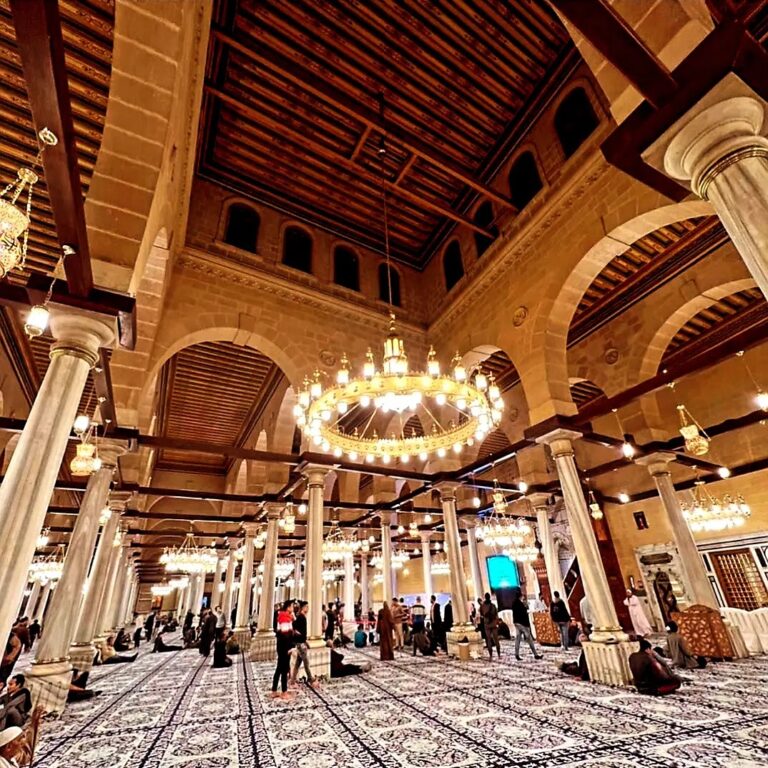
Al-Hussein Mosque in Cairo is an active Shia mosque and mausoleum associated with Husayn ibn Ali. Founded by the Fatimids in the twelfth century, it…
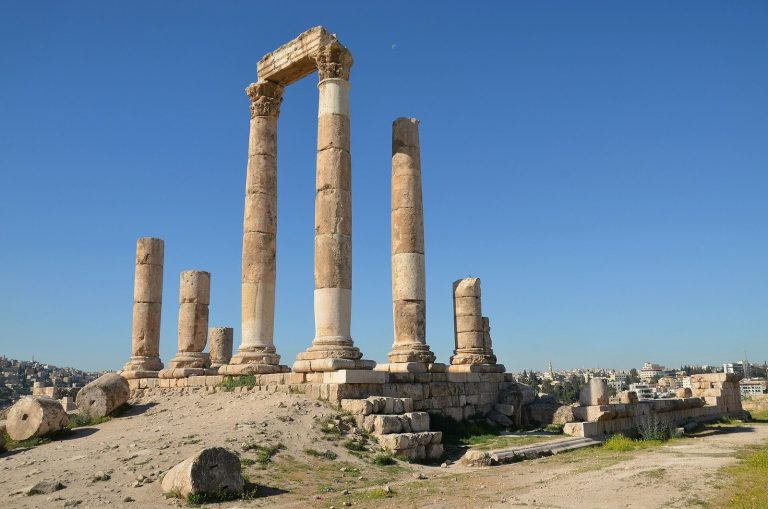
The Roman Temple of Hercules forms part of Amman Citadel, an ancient hill settlement with evidence of occupation from the Neolithic period through…
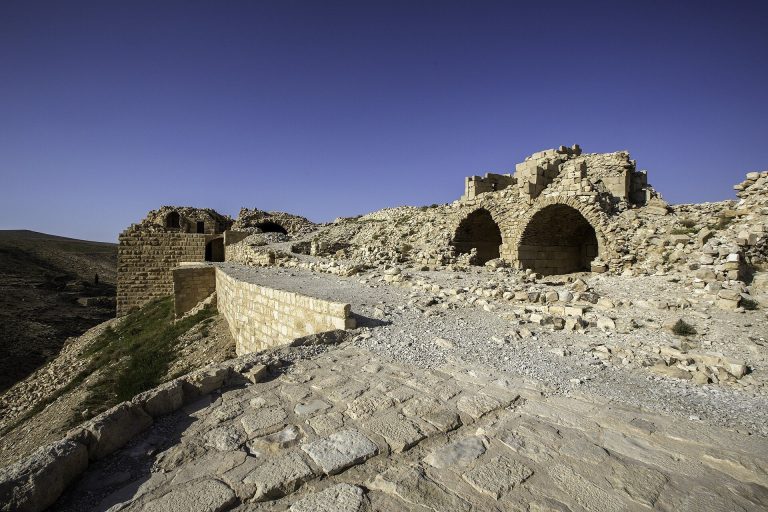
Montréal Castle, also known as Saubak, was a Crusader stronghold founded in 1115 to control routes across Edom. It later served Ayyubid, Mamluk, and…
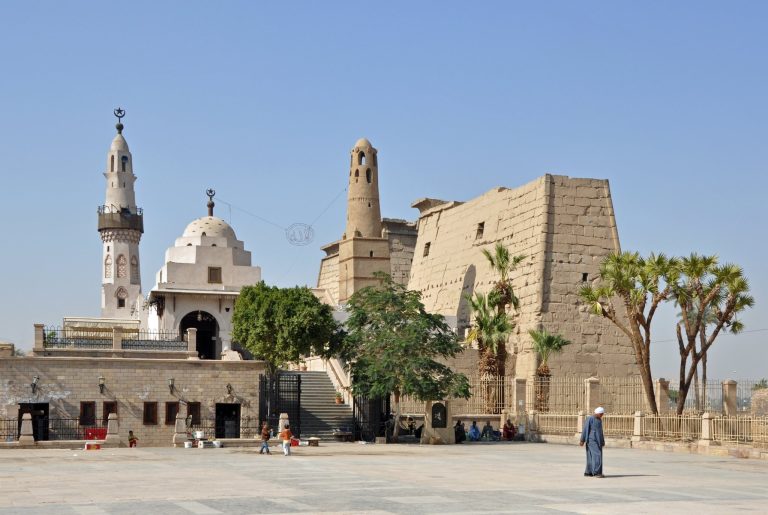
Abu Haggag Mosque is an active mosque in Luxor, Egypt, built during the Ayyubid period within the compound of Luxor Temple. Its history reflects…
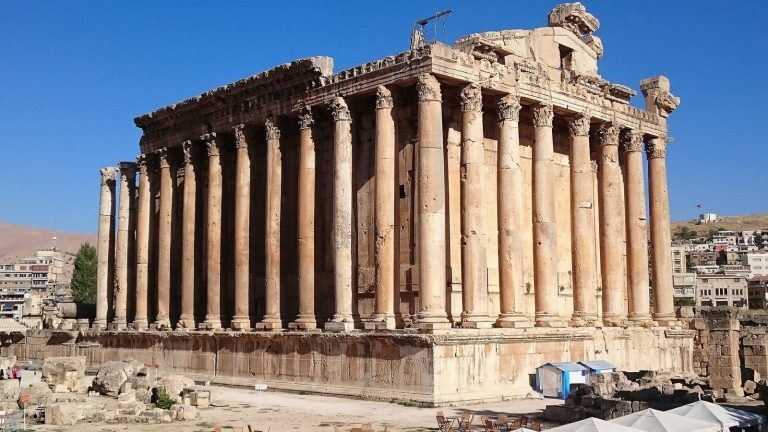
Baalbek Roman Ruins preserve a long-inhabited sanctuary shaped by Canaanite, Phoenician, Greek, Roman, Christian, Islamic, and medieval traditions.…
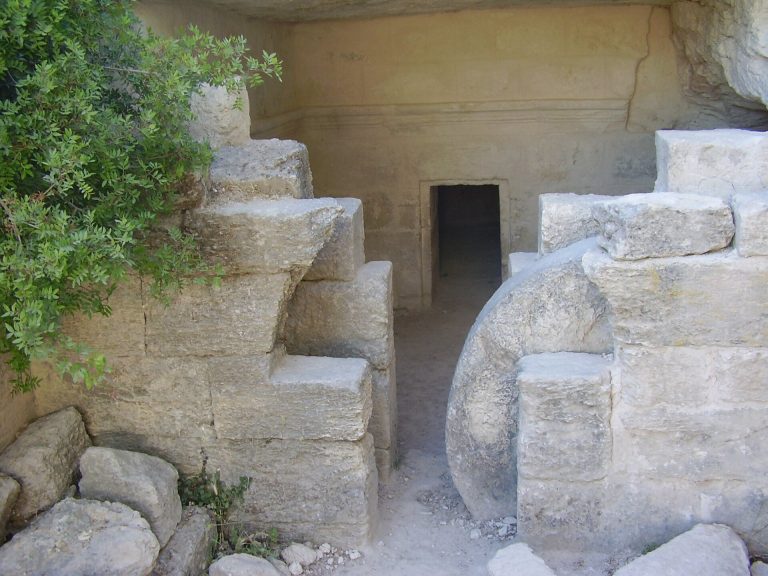
Horvat Midras was a prosperous Jewish settlement in the Judaean Lowlands that later became a Byzantine Christian village, a medieval agricultural…
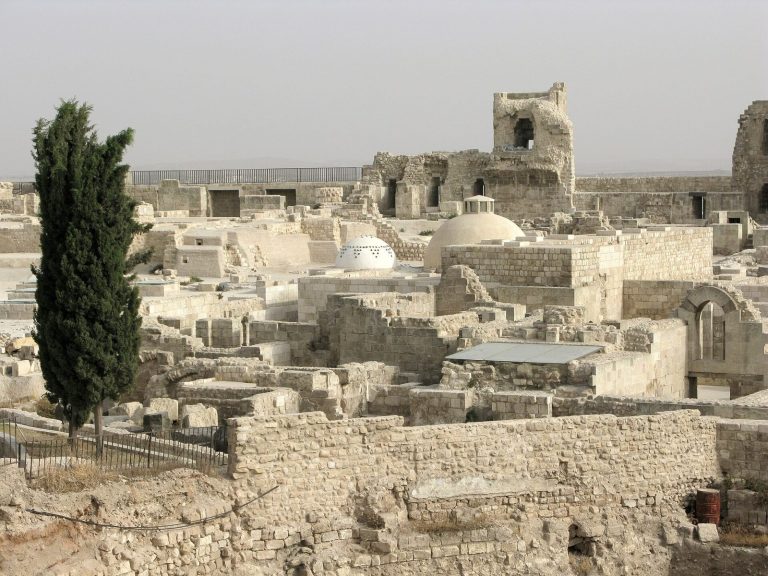
The Citadel of Aleppo is a fortified palace complex whose mound was used from the Bronze Age through the modern period. Its surviving Ayyubid and…
For details on how to use the maps, which sites are included, how popularity and ratings are determined, and how sites are classified, see the help page.
On this page6 sections
Desert routes and river crossings
Qalat el-Gindi stands on a limestone hill in western Sinai. Steep slopes protect much of the site, while cut trenches strengthen the more accessible approaches. Its gateway lies between the defensive cuts and was protected by towers and internal turrets.
The fortress is associated with Saladin’s late-twelfth-century building programme. Stone quarried from one of the trenches supplied construction material, joining the excavation of the defences to the building of the walls. The elevated position controlled movement through the surrounding wadis.
Qal‘at Najm in Syria overlooks a historic Euphrates crossing on the route between Aleppo and Harran. Stone facing protected its steep-sided mound, and a ramp led towards a gateway with successive bends. Inscriptions record work under the Ayyubid ruler al-Zahir Ghazi.
Within the walls, palace and bath remains surround a courtyard. These residential spaces distinguish the castle from a simple defended lookout. Rebuilding and partial restoration followed damage in later centuries, while the mound, gate arrangement and internal masonry preserve its principal form.
Damascus: a citadel on level ground
The Citadel of Damascus occupies the northwestern corner of the old city. Unlike a hilltop castle, it stands at the level of the surrounding streets. Rivers, channels, moats and substantial masonry therefore played an important role in its protection.
Al-Adil rebuilt the citadel between 1203 and 1216, enlarging it and incorporating parts of the earlier Seljuk fortress. Ayyubid princes financed major towers, while subsequent rulers altered the buildings within. The citadel also controlled water entering the city, placing hydraulic works alongside the more conspicuous defensive walls.
Imam al-Shafi‘i’s domed mausoleum
The Mausoleum of Imam al-Shafi‘i in Cairo commemorates the jurist who founded the Shafi‘i school of Islamic law. The Ayyubid building has a large square base with exceptionally thick walls supporting a timber dome.
Tiered niches mediate between the chamber and the dome above. The monument was repaired and redecorated under Mamluk and Ottoman patrons, including work on the roof and prayer niches. Its present interior therefore combines the Ayyubid foundation with later religious patronage rather than preserving one unaltered decorative scheme.
Saladin’s tomb in Damascus
The Mausoleum of Saladin stands beside the Umayyad Mosque. A comparatively small domed chamber contains a carved wooden funerary monument with Ayyubid ornament and inscriptions. Saladin’s burial was transferred here after an initial interment in the citadel.
The mausoleum once belonged to a larger madrasa complex, of which only limited adjoining elements survive. Its modest scale contrasts with the broad domed chamber of al-Shafi‘i in Cairo. Later commemorative additions inside the tomb should be distinguished from the medieval wooden monument.
Teaching buildings along Salihiyya Lane
The Salihiyya Madrasa in Cairo was founded by Sultan al-Salih Ayyub in 1242. Two teaching complexes originally faced a public passage, with student accommodation and vaulted halls arranged around separate courts.
Only parts of that larger foundation survive. The entrance and minaret preserve its relationship with the street, while remaining architectural elements help recover the arrangement of the teaching spaces. The plan reconciled existing thoroughfares with the orientation required for worship, showing how an Ayyubid foundation was inserted into an already crowded city.
Explore the collection
Explore sites on the map or in the grid. Map icons reflect each site’s primary function, helping you identify different kinds of places at a glance. Refine the results by country, primary function, site type and era. Popularity and rating filters provide further refinements. Select a map marker to view the site’s details and open its article, or open the article from its grid entry.