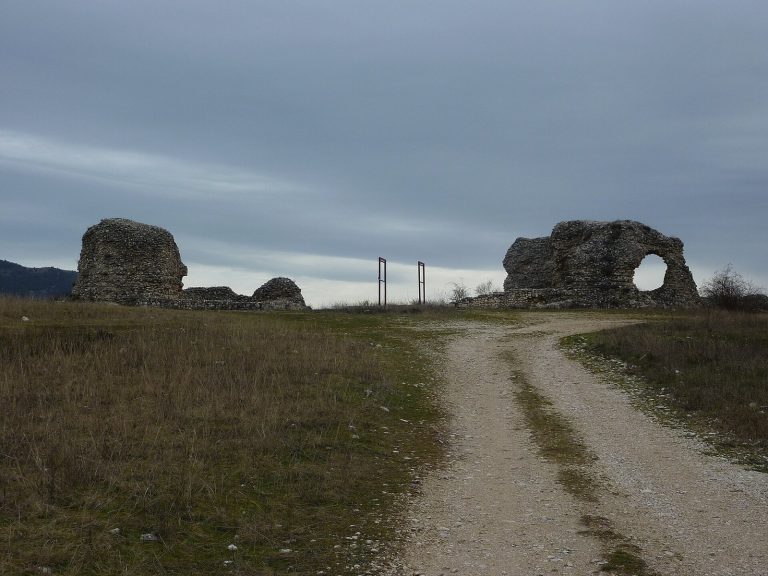
Abbey of Santa Lucia: A Catholic Monastic Church in Italy


Site at a Glance
- Rating
- 4.7
- Popularity
- Low
- Country
- Italy
- Primary era
- Medieval
- External website
- Open
- Eras represented
- Medieval, Early Modern
- Civilizations
- Kingdom of Naples, Kingdom of Sicily
- Site type
- Religious
- Remains
- Church
On this page7 sections
History
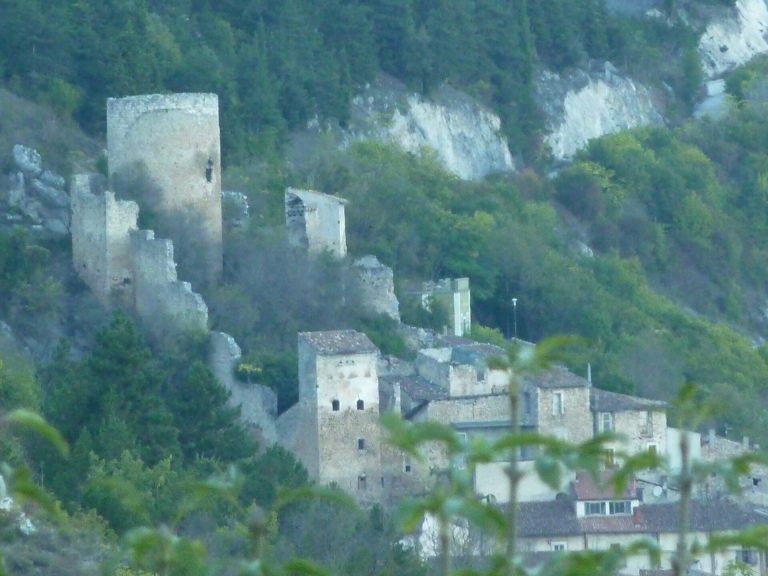
The Abbey of Santa Lucia is a Catholic abbey dedicated to Saint Lucy of Syracuse in Italy, in the territory of Rocca di Cambio, Abruzzo. Its church probably originated in the eleventh or twelfth century, during a period of monastic expansion in the region, and combines Romanesque and Gothic elements. The abbey belongs to the Archdiocese of L’Aquila, a major Catholic diocese led by an archbishop.
Foundation and medieval setting
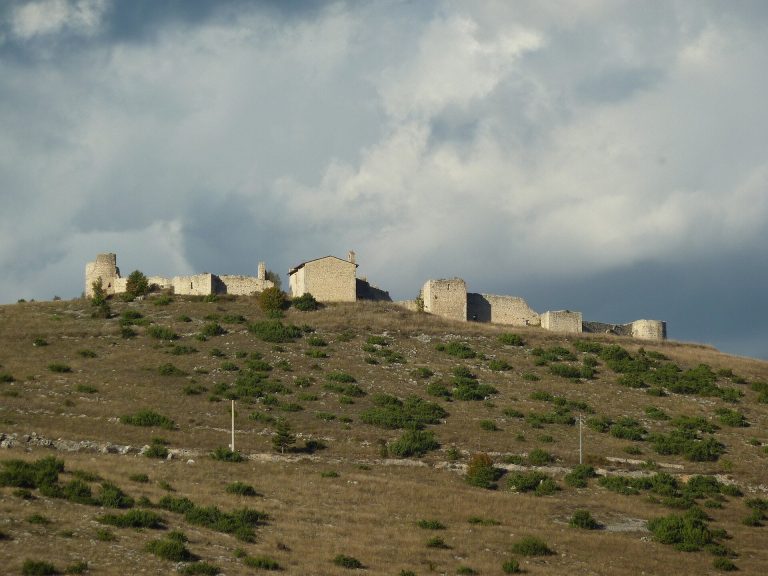
The church was built over a small rectangular predecessor structure, whose remains now form the crypt. The abbey stands in the northern part of the Rocche plateau beside the Via Claudia Nova, the Roman consular road constructed under Emperor Claudius, who ruled from AD 41 to 54. The road connected Alba Fucens with the Roman municipium of Aveia near present-day Fossa. A municipium was a self-governing town incorporated into the Roman state while retaining some local administration.
The first certain written mention of Santa Lucia appears in the 1313 inventory of the churches of the Diocese of L’Aquila. The abbey’s connection with Saint Lucy, an early Christian martyr associated with sight and light, continued through its religious use and observance of her feast.
Earthquakes and restoration
An earthquake in 1703 destroyed much of the monastic complex and the surrounding settlement. The inhabitants dispersed among nearby territories, including Rocca di Cambio, Rocca di Mezzo, Terranera, and Fonteavignone. The abbey was designated a national monument in 1902.
The 1915 Marsica earthquake caused extensive damage, and the exterior was later covered with plaster in 1930. Restoration in the 1970s made modest changes to the façade, reopened access to the crypt, and consolidated the outside areas to reduce soil slippage. The earthquake of 6 April 2009 damaged the church’s left wall and its frescoes. Restoration of the frescoes and the complex was completed in December 2018. The church remains associated with Catholic worship, including Masses and weddings when it is opened.
Remains
Church structure
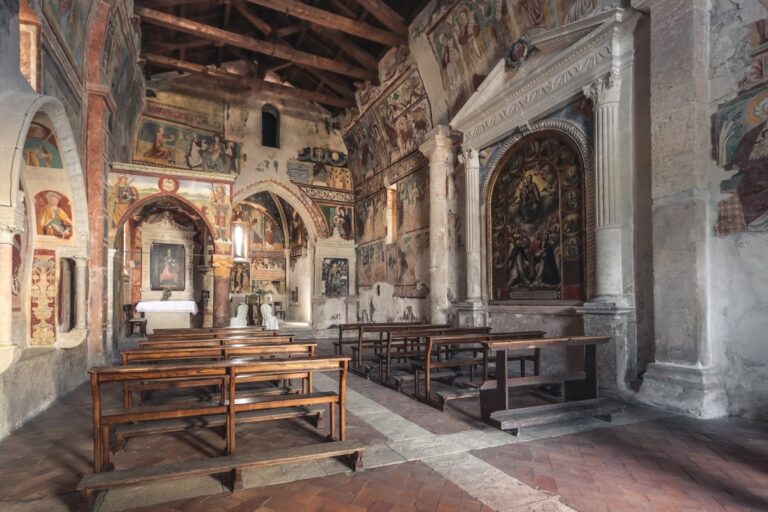
The church is a sober, nearly square building with a façade unlike the more typical forms found in local Abruzzese churches. Its rectangular Latin-cross plan, in which the nave and transept form a cross, is divided into three almost equally wide aisles. The building ends in a broad presbytery, the area around the main altar reserved for clergy, without an apse. Its original barrel-vaulted roof was later replaced by a wooden roof.
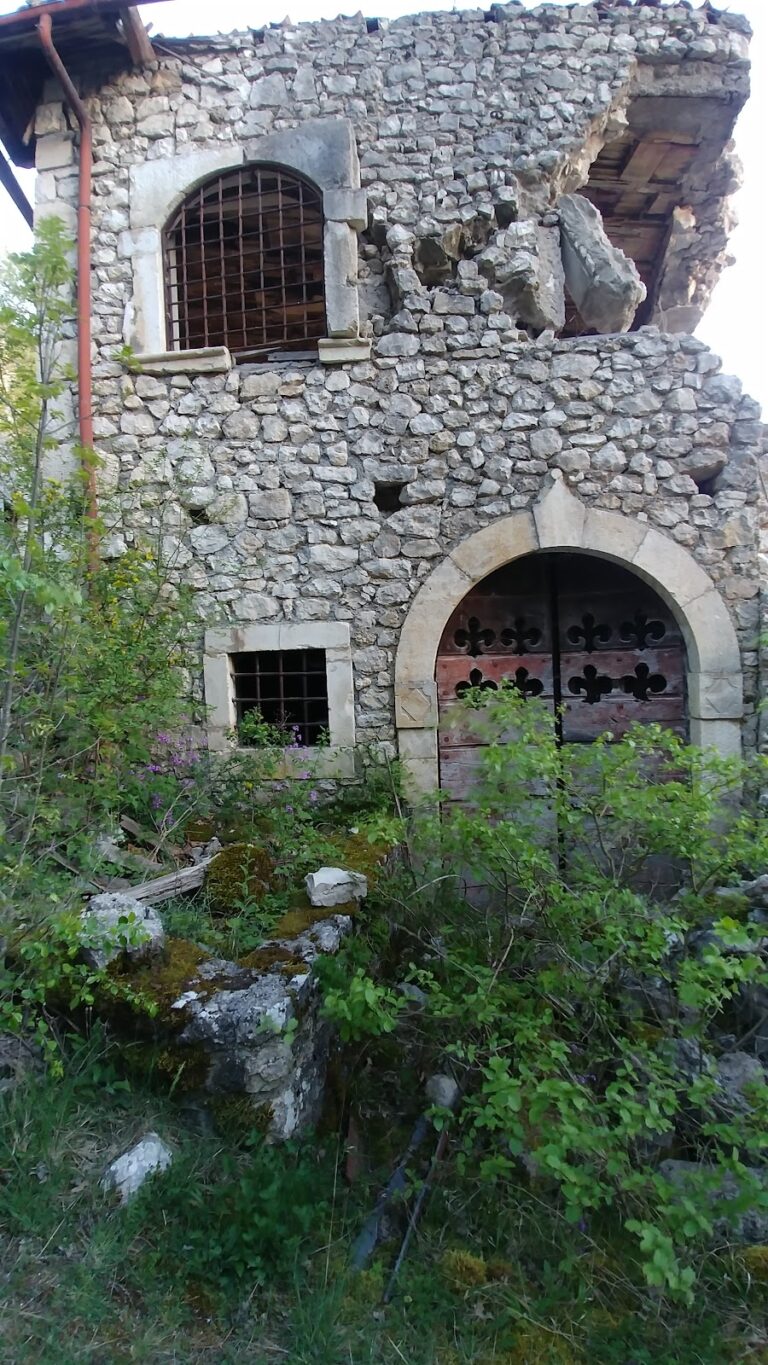
The façade retains a fifteenth-century portal with strongly Romanesque features and a small medieval rose window above the entrance. A bell gable destroyed by an earthquake was rebuilt in the sixteenth century. On the right transept wall stands a fifteenth-century ciborium, an architectural canopy over a sacred focus, supported by two columns with Gothic-Renaissance bases and capitals. An aedicule, or small framed shrine, rises above them and has classical features.
Crypt
A narrow, steep staircase from the central nave leads down to the underground crypt. The crypt consists of several rooms, and its central room incorporates the remains of the original Church of Santa Lucia. This surviving lower structure preserves the physical evidence of the building that preceded the present church.
Two important crypt frescoes date from the late fourteenth and early fifteenth centuries. They represent the Madonna and Saint Lucy and are attributed to Andrea Di Litio, a painter from the Marsica, the historic geographical area of Abruzzo.
Fresco cycle
The most extensive fresco decoration occupies the north wall, arranged in three horizontal bands. The lower band contains an unusual Last Supper. Christ sits at the head of the table rather than in the center and blesses the bread and wine. The apostles turn their gazes toward Christ on their right, while each figure is identified by a name written in Latin characters. Judas is not shown; Paul appears in his place.
To the right of the Last Supper is a panel of the Madonna and Child. A church dignitary, possibly Celestine V, stands on the Madonna’s left, with Saint Lucy on her right. Celestine V was the papal name of Pietro da Morrone, a medieval Italian hermit and religious leader who became pope in 1294.
The middle band contains ten panels, four on one side and six on the other side of a window, showing episodes from the life of Jesus, including the Passion and the Resurrection. In the upper band, Christ appears enthroned within a mandorla, an almond-shaped halo, between two kneeling angels. From the tympanum, he presides over the composition. The fresco cycle was created by Abruzzese artists around the transition from the twelfth to the thirteenth century.