Historic Sites in Switzerland: Explore Castles, Roman Towns and Abbeys
Explore more than 400 historic sites in Switzerland, including lakeside castles, Alpine fortresses, Roman settlements, cathedrals and abbeys. Defensive sites form the largest group in the collection. The examples below range from Roman streets near the Rhine to Chillon’s island enclosure, Bellinzona’s walls and religious buildings with medieval paintings and Baroque interiors.
Primary Function: All
Type: All
Civilization: All
Popularity: All
Rating: All
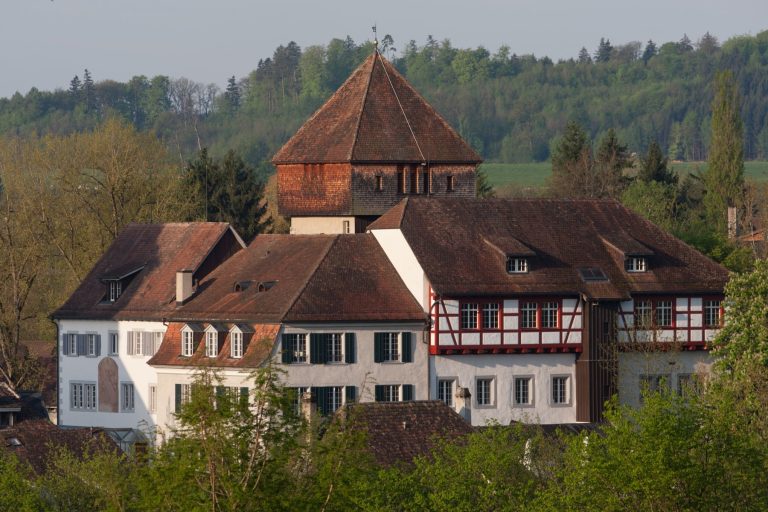
Unterhof Castle in Diessenhofen originated in the twelfth century and became the seat of the Truchsessen of Diessenhofen. Its later history includes…
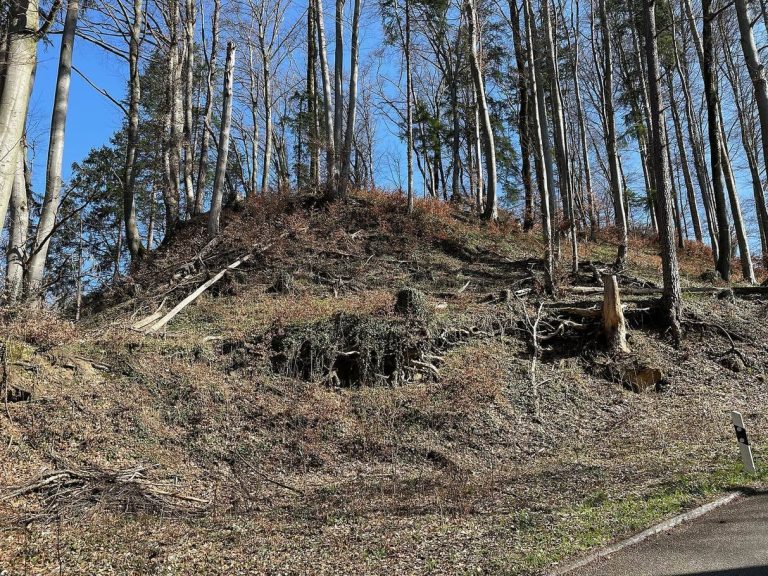
Wagenburg was a thirteenth-century spur castle near Oberembrach that governed local jurisdictions under Habsburg authority before being destroyed by…
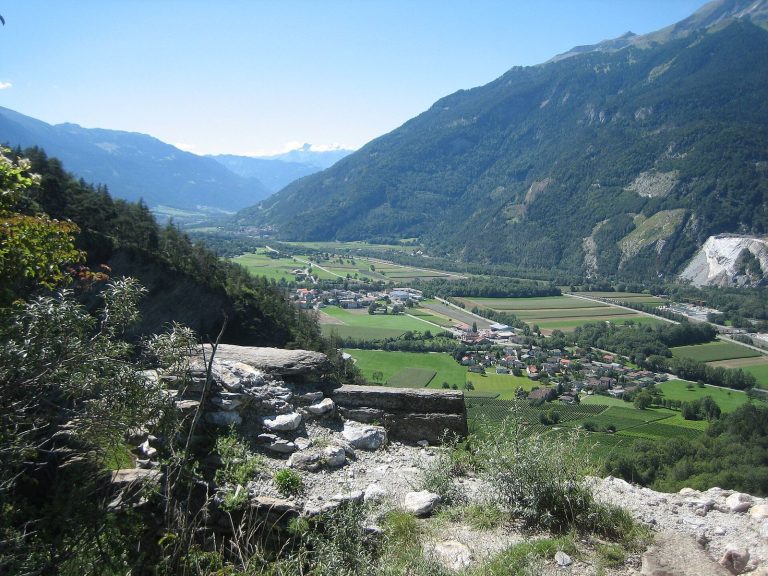
Alt Aspermont Castle above Trimmis developed from the seat of the Aspermont family into a possession of the Bishop of Chur, serving as a strategic…
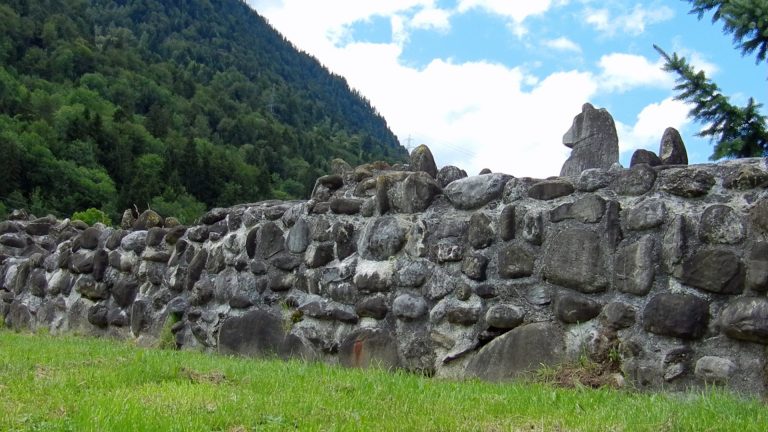
Mülenen Castle and Letzi controlled the narrow entrance to the Kandertal from the thirteenth century. The site later became a Bernese administrative…
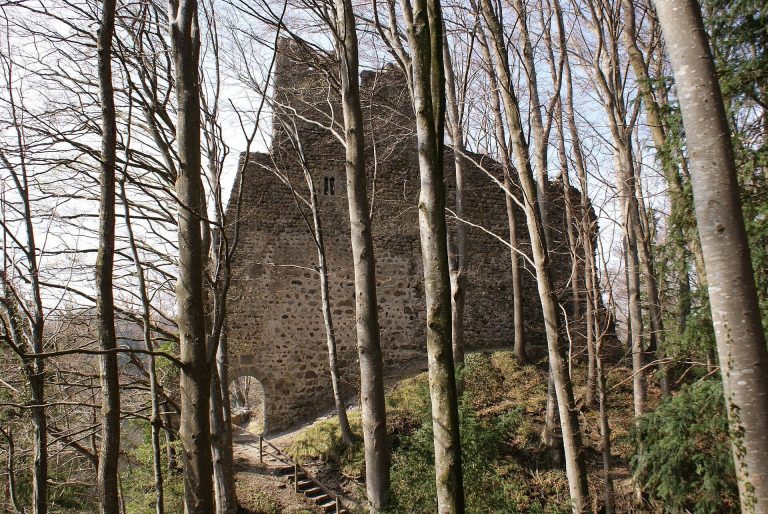
Old Ramschwag castle ruin, also called Ramswag, Alte Ramswag, or Rabenstein, preserves the remains of a medieval castle above the Sitter River in…
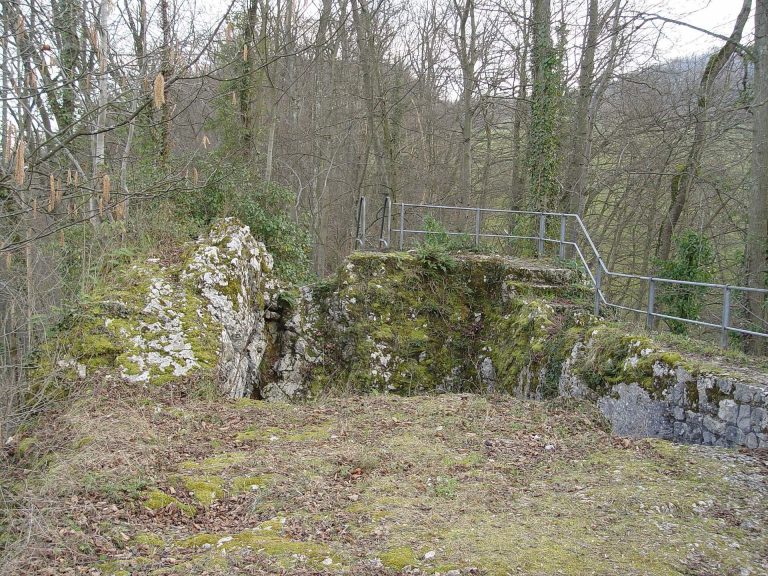
Ruins Engenstein is a small thirteenth-century hilltop castle ruin associated with the Schaler family and later the Counts of Thierstein. Excavations…
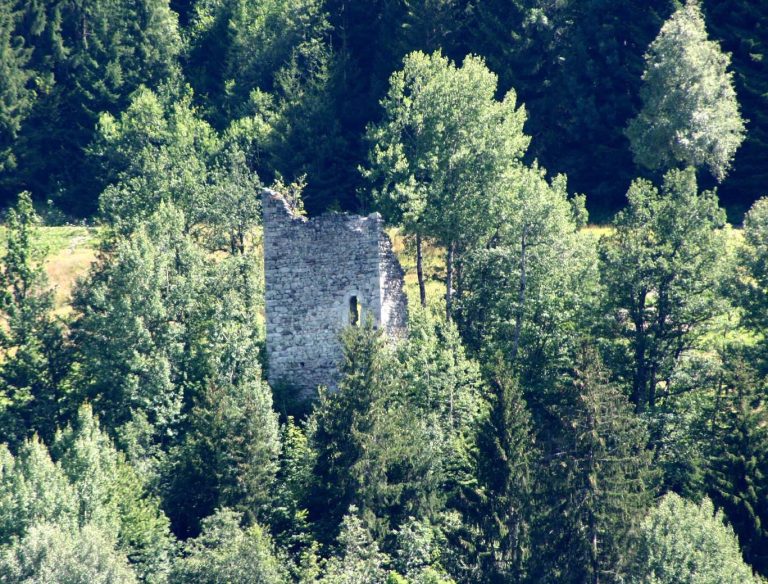
Burg Saxenstein is a ruined hill castle in Obersaxen, Graubünden, probably built in the early thirteenth century as the residence of a ministerial…
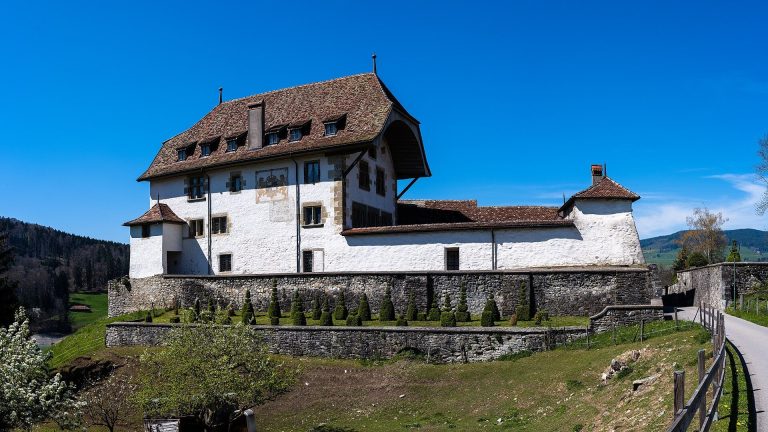
Corbières Castle overlooks the Sarine and the eastern shore of Lake Gruyère. Its history spans a medieval lordship, Savoyard administration, Fribourg…
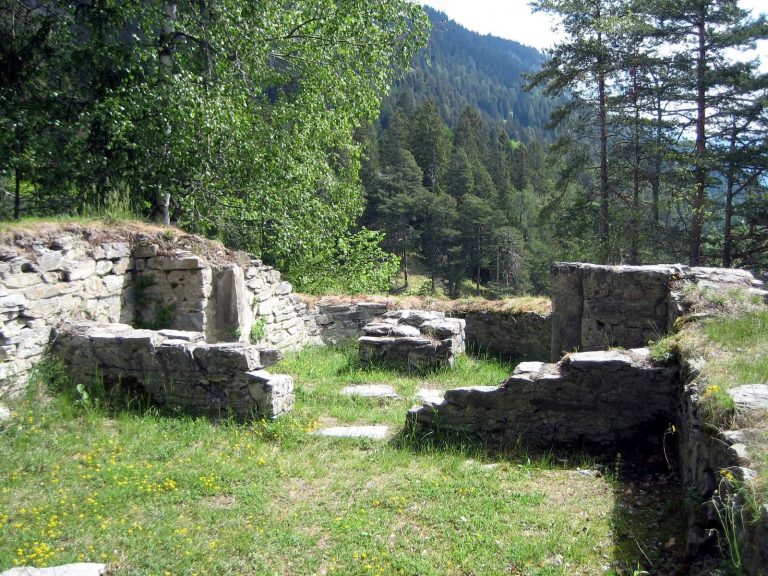
Crap Sogn Parcazi, also known as Hohentrins, is a ruined fortified church and medieval castle above Trin in Graubünden. Its remains preserve evidence…
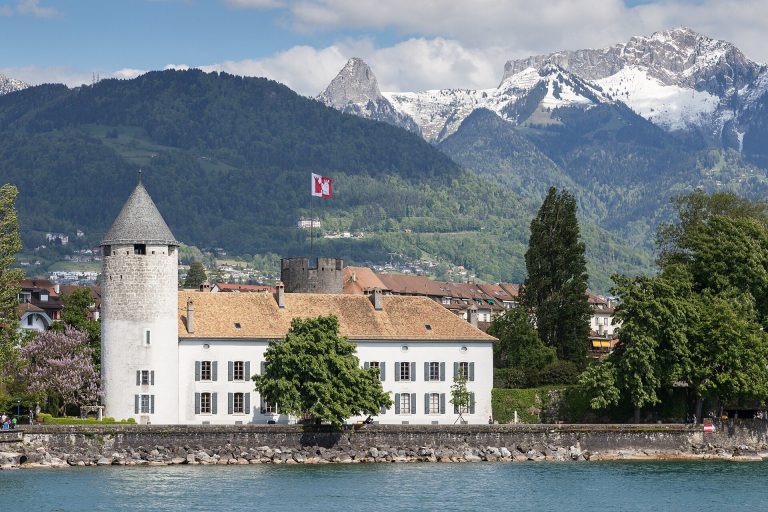
La Tour-de-Peilz Castle developed from a seigneurial residence into a fortified Savoyard stronghold before becoming an eighteenth-century private…
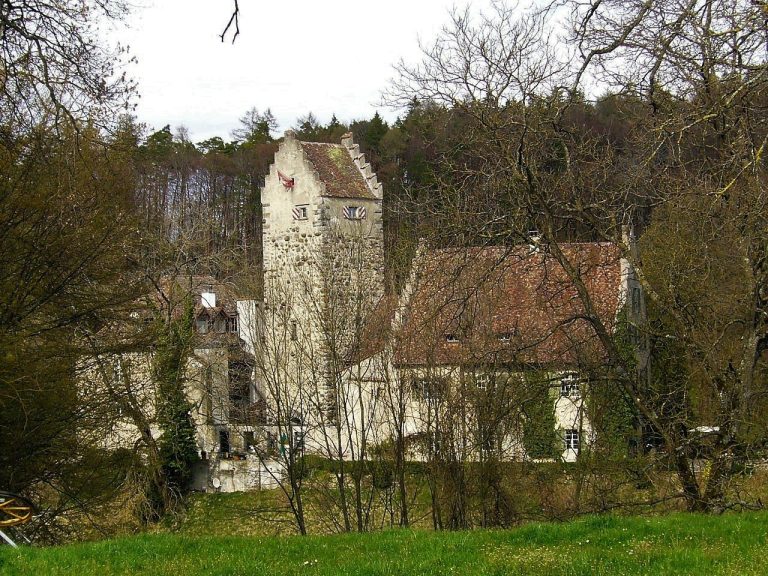
Liebenfels Castle in Herdern, Thurgau, developed from the seat of a medieval lordship into a monument associated with the Lords of Liebenfels, the…
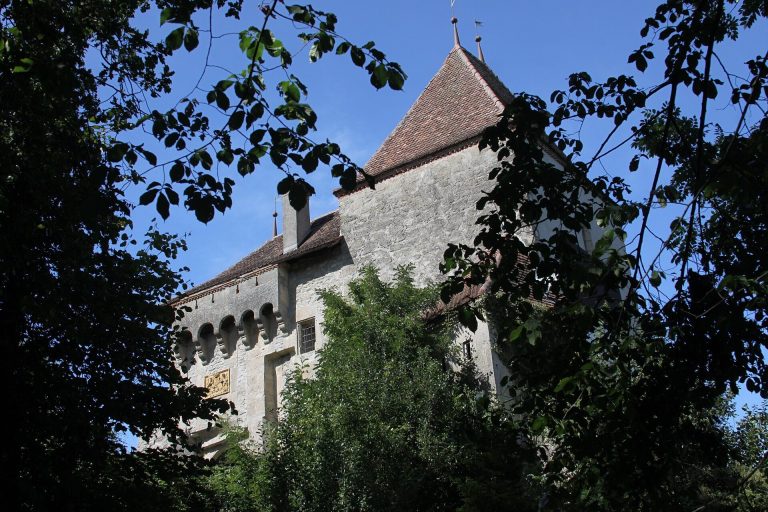
Surpierre Castle developed from a medieval fortress into the administrative residence of Fribourg’s bailiffs, retaining Gothic elements within a…
For details on how to use the maps, which sites are included, how popularity and ratings are determined, and how sites are classified, see the help page.
On this page5 sections
Castles and valley fortresses
Chillon Castle occupies a narrow limestone island beside Lake Geneva. Its position controlled the passage between the shore and the route into the Rhône valley. An elongated group of buildings rises around the rock, with a rectangular keep at its highest point. Residential rooms and defensive structures share the limited island surface, while the steep lake-facing side supplies natural protection.
Castelgrande stands on a much broader rock above Bellinzona, where Alpine routes converge. Its visible walls and towers are mainly medieval, with later alterations. The Torre Bianca and Torre Nera overlook large open courtyards divided by radiating walls. These spaces were once more densely built; demolition under the Dukes of Milan created room for troops. The castle’s walls also connect with the town’s wider defensive system.
Roman settlements and theatres
Augusta Raurica developed on a plateau near the Rhine, with an upper town laid out in rectangular blocks and lower districts beside the roads. Houses, workshops and shops occupied the same blocks, with commercial rooms facing the streets. The terrain shaped the town’s plan rather than allowing an entirely uniform grid.
Its large theatre underwent several changes of function. An early arena theatre was altered for arena spectacles, then rebuilt as a conventional stage theatre after a separate amphitheatre was constructed. The surviving theatre preserves the scale of a building designed for thousands of spectators. Excavation and modern restoration have consolidated its masonry, which had been quarried for stone after the Roman town declined.
Cathedrals and medieval church interiors
Basel Minster combines Romanesque and Gothic construction in red sandstone. Its twin western towers, coloured roof tiles and position above the Rhine establish the exterior, while the interior follows a basilica plan with nave, aisles and transept. Connected funerary chapels broaden the side spaces beyond the main three-aisled arrangement. Parts of an earlier Romanesque tower remain within the later north tower.
At Saint John Abbey in Müstair, the church’s history reaches back to the Carolingian period. Paintings made around 800 survive alongside later Romanesque work. They were concealed by subsequent decoration and plaster before being uncovered in modern conservation campaigns. A late Gothic net vault inserted in the fifteenth century introduced columns into the formerly single-nave church, leaving some earlier painted surfaces above the new ceiling.
Abbeys and pilgrimage churches
Einsiedeln Abbey presents a later form of monastic architecture. Its eighteenth-century church stands between convent wings, with twin towers at the centre of the long façade and curved arcades framing the forecourt. The enclosed arrangement accommodates both the monastery and the approach to its pilgrimage church.
Inside, an octagonal central space opens towards transept arms, followed eastward by further domed spaces and the choir. The Chapel of Grace sits at the western entrance within this larger church. Rebuilt in the early nineteenth century using parts of its predecessor, it remains a distinct structure within the Baroque interior rather than a separate building outside the abbey.
Explore the collection
Explore sites on the map or in the grid. Map icons indicate each site’s primary function, helping you identify different kinds of places at a glance. Narrow the results by primary function, site type, civilization or era, with additional filters for popularity and rating. Select a map marker to view the site’s details and open its article, or open the article from its grid entry.