Historic Sites in Slovakia: Explore Hilltop Castles, Fortresses and Churches
Explore more than 100 historic sites in Slovakia, including hilltop castles, artillery fortresses, historic residences, Gothic cathedrals and timber churches. Defensive and religious buildings dominate the collection. The examples below show castles spread across rocky slopes, storage cellars beneath a fortress, richly furnished residential rooms and painted wooden ceilings.
Primary Function: All
Type: All
Civilization: All
Popularity: All
Rating: All
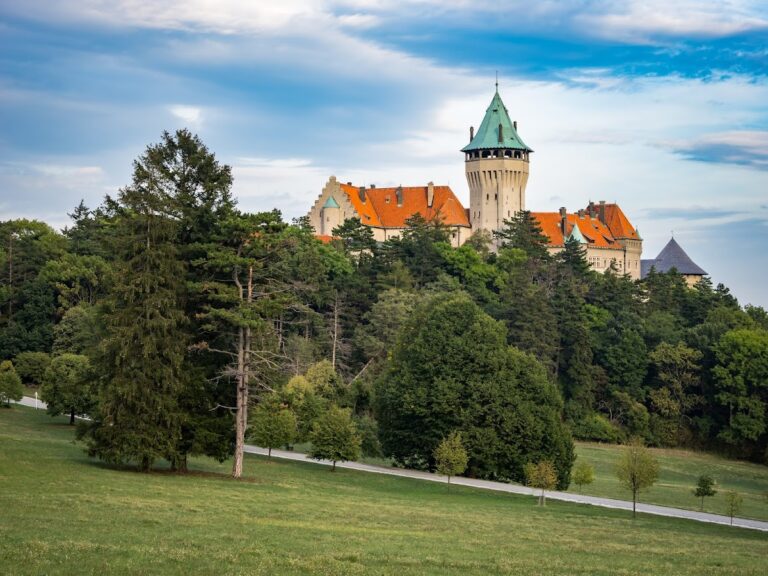
Smolenice Castle began as a fourteenth-century military fortress guarding a mountain pass and trade route. Rebuilt in Renaissance and late Romantic…
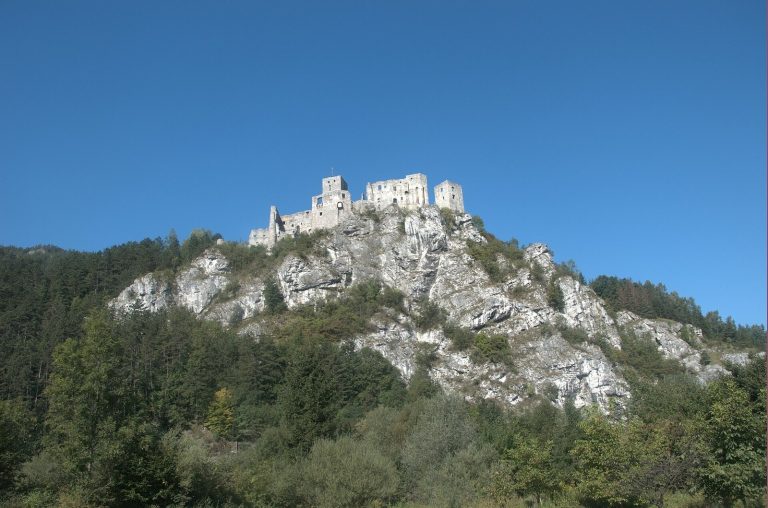
Strečno Castle guarded a toll station and crossing on the Váh River before expanding into a major fortified complex. Its surviving structures reflect…
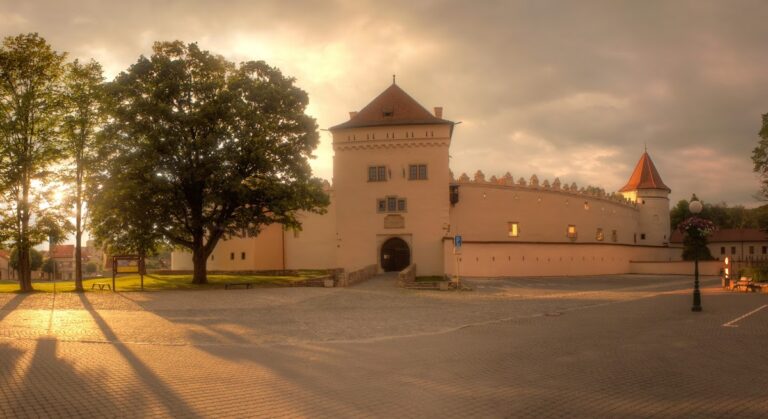
Kežmarok Castle developed from a medieval fortified complex into a Renaissance fortress and later became municipal property. Its history reflects the…
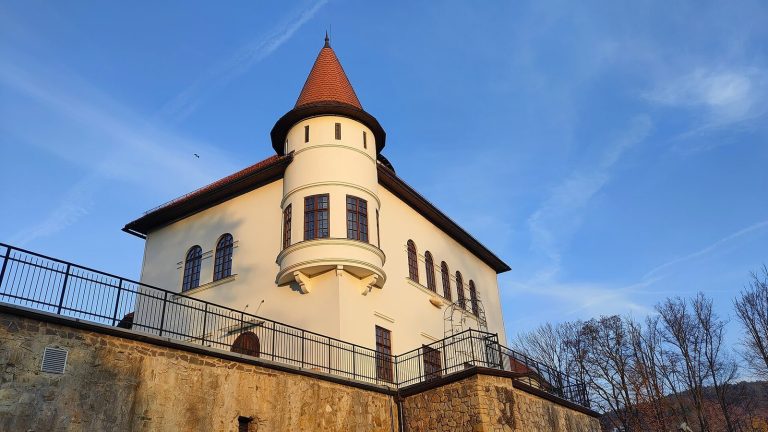
Budatín Castle in Žilina developed from a thirteenth-century guard fortress into a Renaissance noble residence, later shaped by Baroque, historicist,…
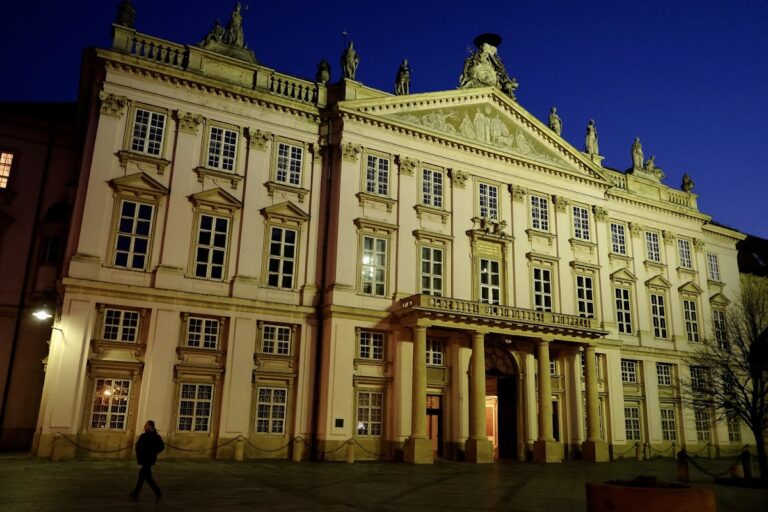
Primate’s Palace in Bratislava was built between 1777 and 1781 as the residence of the Archbishop of Esztergom. It later became the site of the Peace…
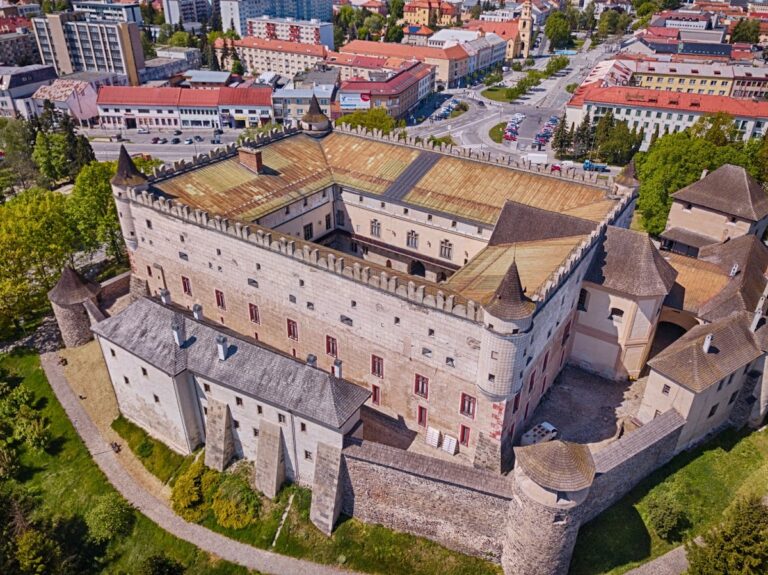
Zvolen Castle in central Slovakia was built for Louis I of Hungary in the late fourteenth century and later transformed by Renaissance and Baroque…
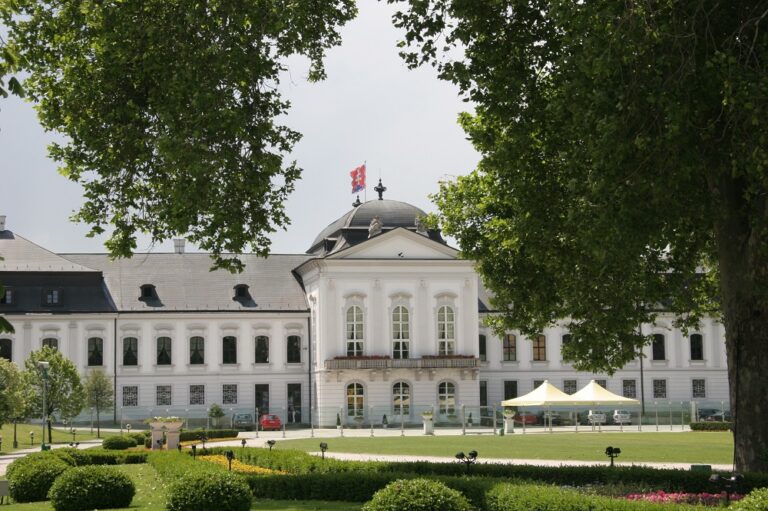
Grassalkovich Palace is an eighteenth-century Rococo–Late Baroque palace in Bratislava, built for Count Antal Grassalkovich I and now the official…
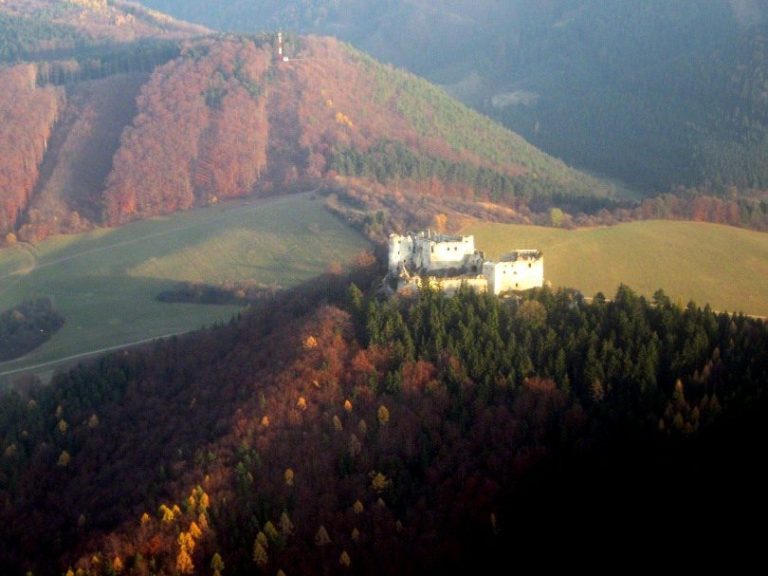
Lietava Castle is a large medieval fortress in northern Slovakia, developed from the thirteenth century through the Renaissance and later abandoned…

Považský hrad guarded the Váh valley from a steep hill above Považské Podhradie. Its history spans medieval lordship, the powerful Podmanitzky…
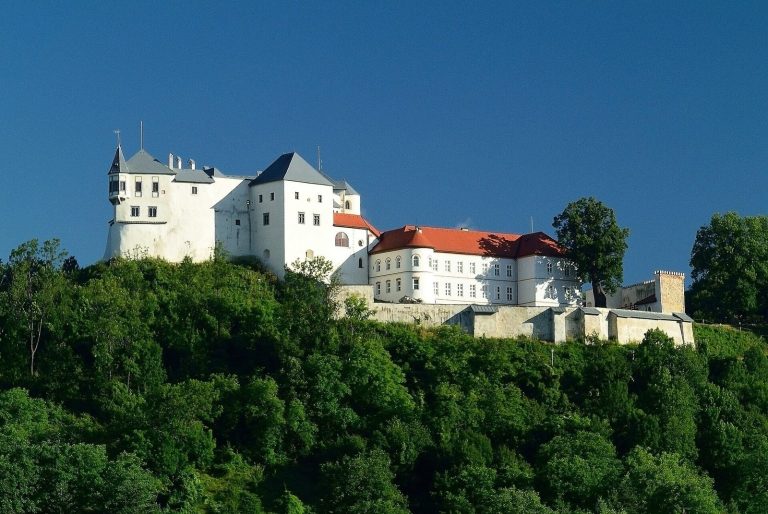
Ľupča Castle above Slovenská Ľupča developed from a thirteenth-century Hungarian royal stronghold into a residence, military fortress, administrative…
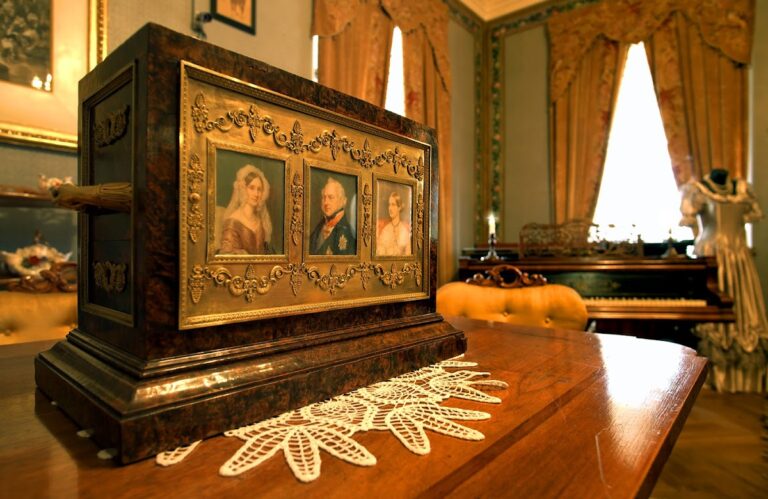
The Manor in Svätý Anton developed from a medieval castle into a Koháry family residence and later a museum. Its surviving interiors, chapels,…
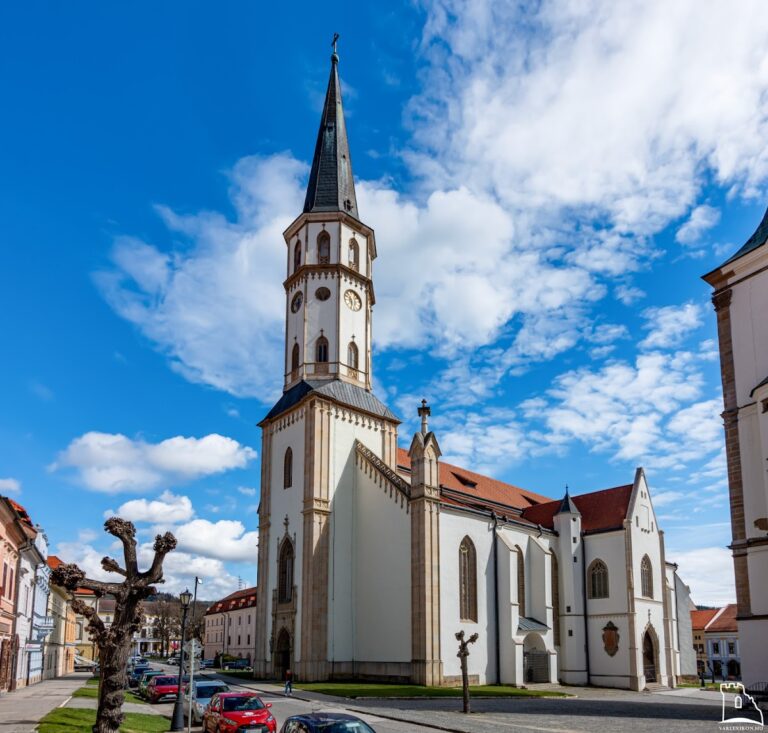
St. James, Levoča is a major Gothic parish church whose architecture, late Gothic winged altars, wall paintings, Renaissance furnishings, and…
For details on how to use the maps, which sites are included, how popularity and ratings are determined, and how sites are classified, see the help page.
On this page5 sections
Hilltop castles and fortified courtyards
Orava Castle rises above the Orava River in three successive groups of buildings. The narrow upper castle is built directly against the rock, while the middle and lower complexes contain towers, palaces and a church. This stepped arrangement allowed the castle to expand without abandoning the protection of the cliff. Medieval and Renaissance residential buildings occupy different levels of the same outcrop.
Spiš Castle spreads across a broader travertine hill. Its upper castle preserves substantial masonry from the Romanesque palace, defensive tower and other residences. Middle and lower courtyards extend downhill within further walls. The upper buildings provide the most substantial standing remains, while the open lower enclosure makes the overall scale of the fortified complex clear. Its large courts contrast with Orava’s tightly stacked buildings.
Artillery fortresses and storage cellars
Červený Kameň Castle was extensively rebuilt by the Fugger family in the sixteenth century. Broad, low battery towers occupy the corners of a roughly trapezoidal fortress. Their vaulted lower rooms accommodated heavy artillery, with further firing openings above. Sloping outer walls descend towards the moat around a central courtyard.
Beneath the castle, large storage cellars were intended for copper and other goods connected with the Fugger trading enterprise. The underlying quartz rock remains visible as part of the cellar floor. These spaces explain a function beyond defence or residence: the fortress was also designed around the storage requirements of a major commercial undertaking. Most of the earlier medieval castle disappeared during this rebuilding.
Historic residences and decorated interiors
Bojnice Castle retains older foundations, but its present historicist appearance was shaped by Count János Ferenc Pálffy’s reconstruction from the late nineteenth into the early twentieth century. Castles of the Loire Valley were among his inspirations. Buildings and courtyards rise through several levels following the irregular terrain.
Inside, rooms incorporate carved woodwork, decorative ceilings, historic furnishings and objects collected by Pálffy. Some elements were brought from elsewhere, including Renaissance stained glass acquired in Paris. These interiors should therefore be read as part of the count’s architectural and collecting project, rather than assumed to be an intact medieval furnishing scheme.
Cathedrals and timber churches
The Cathedral of St Elizabeth occupies the widened centre of Košice’s main street. Its Gothic plan combines a high nave and transept with surrounding aisles, creating a broad central space. Elaborately carved portals sit beneath exterior gables. Later Neo-Gothic alterations form part of the building’s appearance, alongside its medieval architecture.
The Church of All Saints at Tvrdošín preserves a smaller religious building constructed from spruce logs. Its late-medieval body has a steep shingled roof, a bell turret and covered galleries around the exterior. The nave’s coffered ceiling carries painted rosettes and flowers from the seventeenth century, while the main altar belongs to a later Baroque phase. Timber construction and successive decorative additions remain readable within a compact church rather than a large cathedral complex.
Explore the collection
Explore sites on the map or in the grid. Map icons indicate each site’s primary function, helping you identify different kinds of places at a glance. Narrow the results by primary function, site type, civilization or era, with additional filters for popularity and rating. Select a map marker to view the site’s details and open its article, or open the article from its grid entry.