Historic Sites in the Netherlands: Explore Castles, Palaces and Gothic Churches
Explore more than 300 historic sites in the Netherlands, including moated castles, royal palaces, medieval churches and former town halls. Fortified residences stand beside waterways, while urban buildings preserve municipal halls, Gothic interiors and later royal apartments. Examples from Muiden, Loevestein, Amsterdam, Apeldoorn and ‘s-Hertogenbosch introduce their rooms, courtyards and gardens.
Primary Function: All
Type: All
Civilization: All
Popularity: All
Rating: All
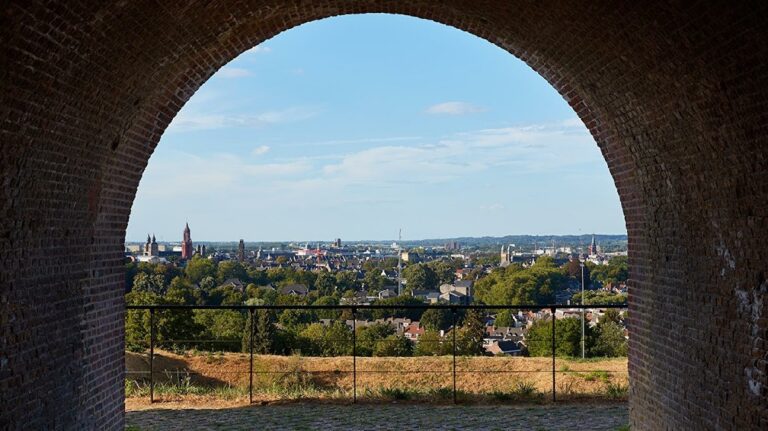
Saint Peter Fort was built in 1701–1702 to protect Maastricht’s southern walls after French forces occupied Saint Peter’s Hill in 1673. The fort…
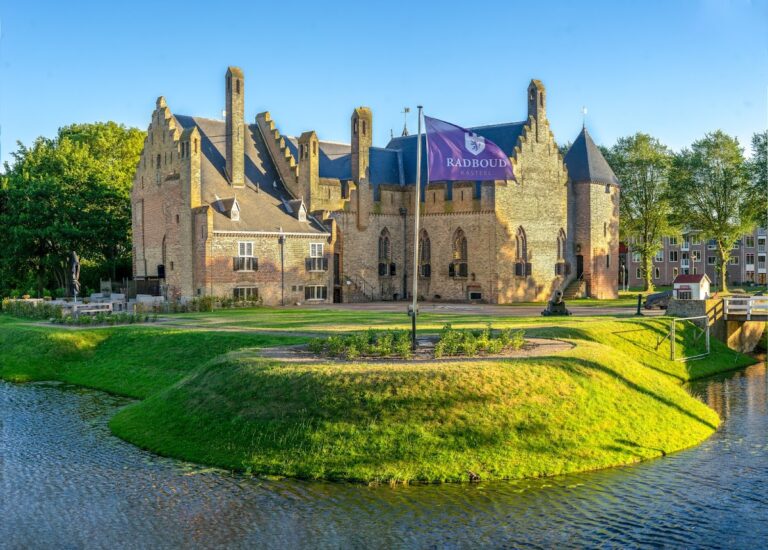
Kasteel Radboud in Medemblik was built under Floris V to control West Friesland and resist Frisian incursions. After losing its military role, it…
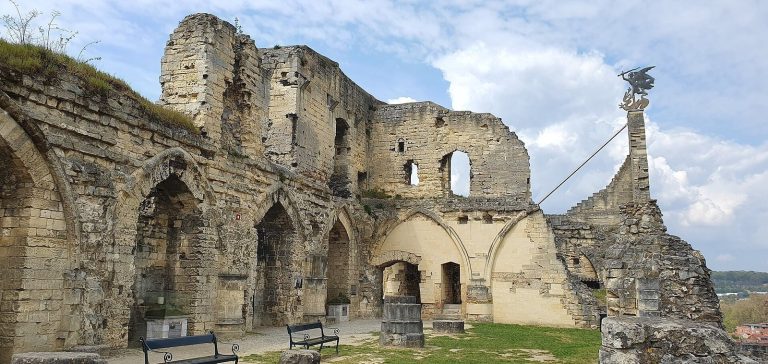
Valkenburg Castle was the stronghold of the lords of Valkenburg, developed from an eleventh-century tower into a Gothic fortress above the Geul…
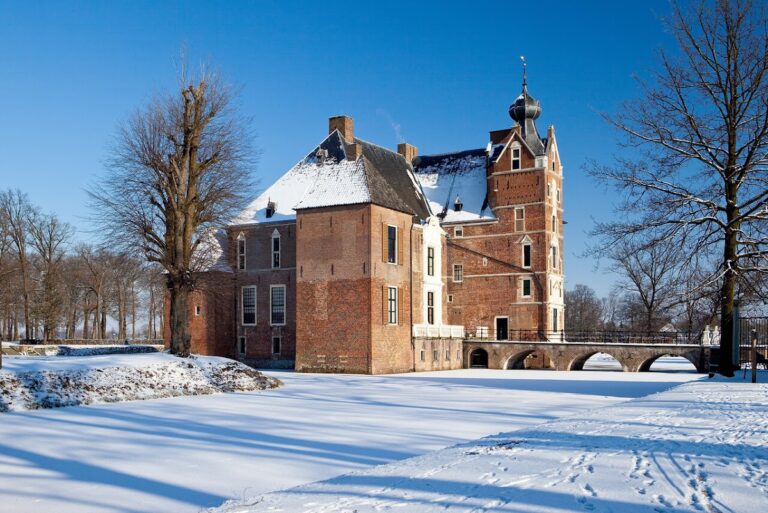
Cannenburgh Castle in Vaassen is a sixteenth-century Renaissance water castle rebuilt for Maarten van Rossum and completed by Hendrik van Isendoorn.…
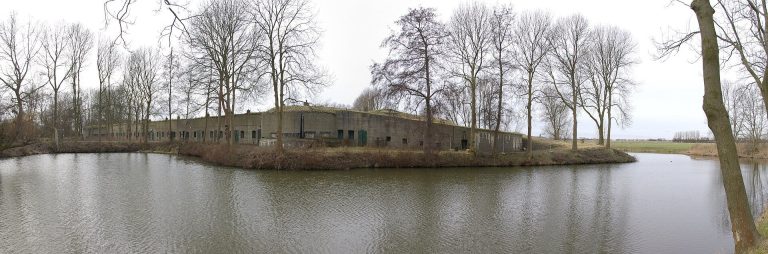
Fort aan de Nekkerweg, also known as Fort Beemster, protected access routes through the Beemster as part of the Stelling van Amsterdam. It later…
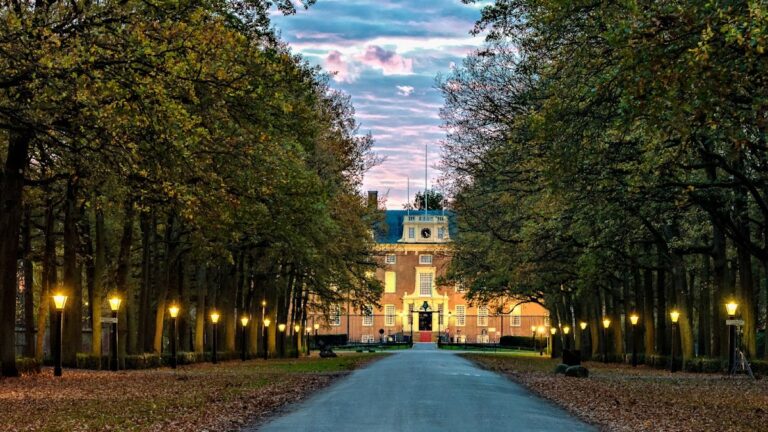
Slot Zeist is a seventeenth-century country estate in Zeist, built for Willem Adriaan van Nassau and later associated with the Moravian community.…
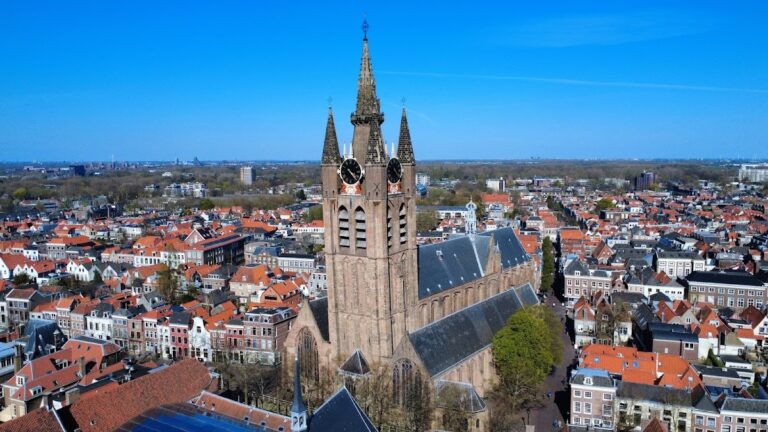
The Oude Kerk is Delft’s oldest surviving church, founded in 1246 and repeatedly enlarged during the medieval period. Its leaning bell tower,…
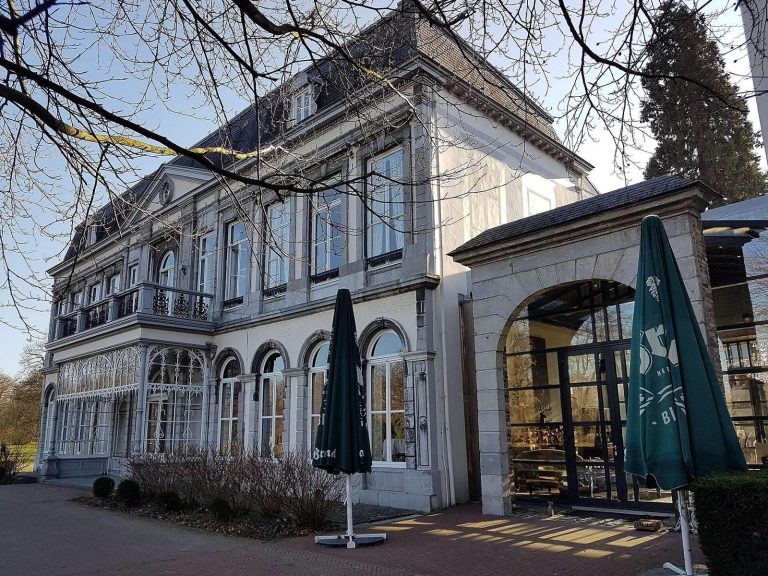
Vaeshartelt Castle is a medieval estate in Maastricht whose present complex combines eighteenth-century buildings, nineteenth-century royal and…
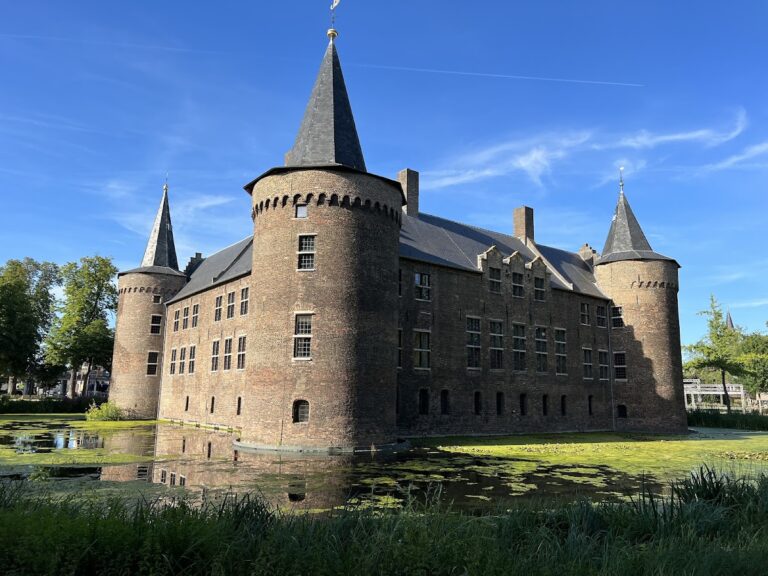
Kasteel Helmond is a medieval water fortress begun around 1325 and later adapted for municipal, cultural, and ceremonial use. Its ownership, fires,…
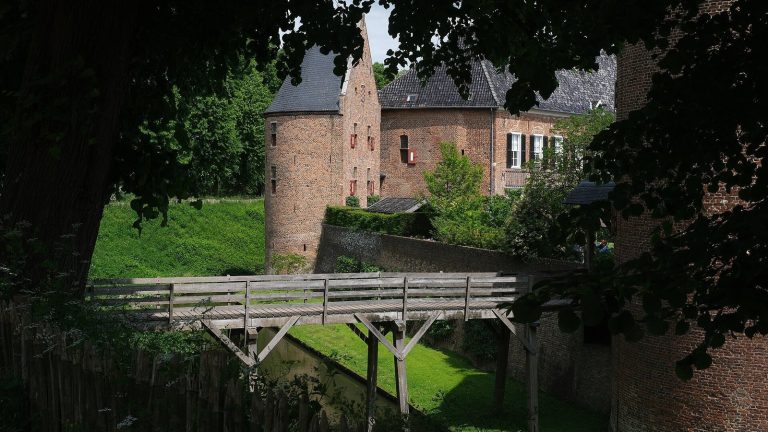
Huis Bergh in ’s-Heerenberg was the ancestral seat of the Counts of Bergh and developed over centuries of rebuilding, fires, changing ownership, and…
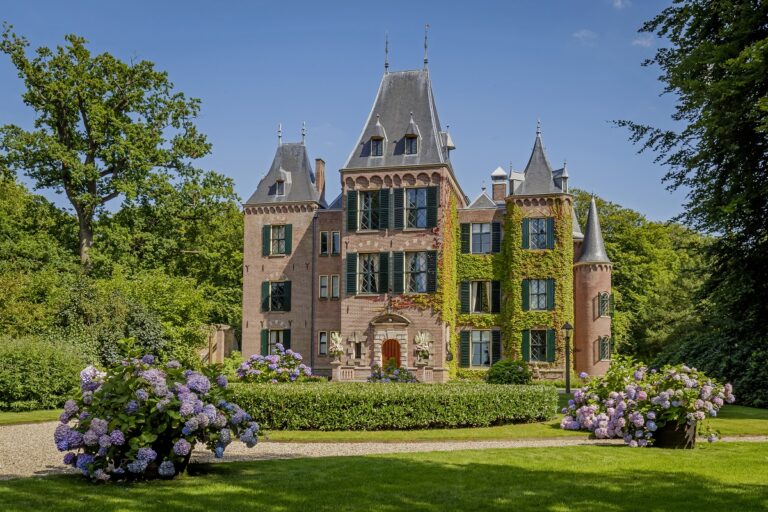
Castle Keukenhof in Lisse began as a Classicist country house in 1642 and was enlarged in the nineteenth century with Neo-Gothic features. Its…
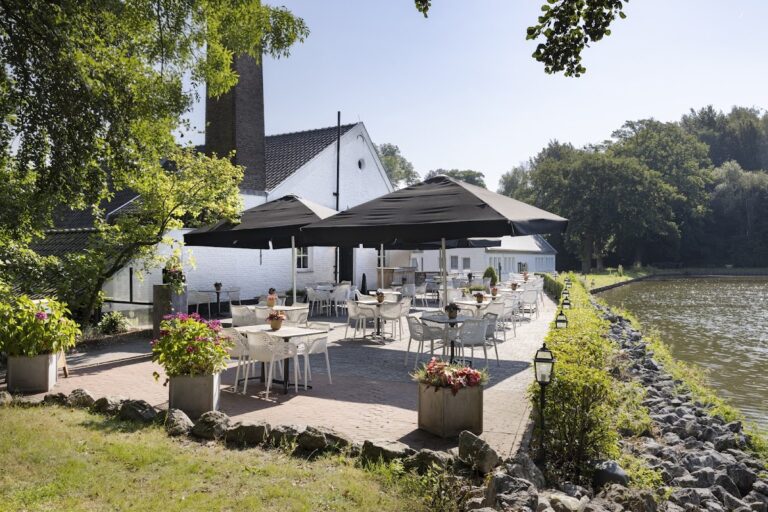
Vaalsbroek Castle in the Netherlands developed from a medieval agricultural estate into an eighteenth-century country residence, later serving…
For details on how to use the maps, which sites are included, how popularity and ratings are determined, and how sites are classified, see the help page.
On this page5 sections
Moated castles and fortified residences
Muiden Castle, also known as the Muiderslot, stands at the mouth of the Vecht beside the harbour town of Muiden. A water-filled moat surrounds a square enclosure with a round tower at each corner. The entrance crosses a drawbridge through a fortified gateway, while a stepped-gable residential building occupies part of the interior. Its compact plan brings the residence and defences together within a clearly bounded courtyard.
Loevestein Castle occupies another strategic river setting, near the meeting of the Waal and Afgedamde Maas. It grew from a square residential tower into a group of halls and towers around a small courtyard. Thick brick walls, a moat and controlled entrances protected the buildings. Later use as a state prison placed a different demand on those enclosed rooms; Hugo de Groot was confined in the main building in the seventeenth century.
Town halls and royal palaces
The Royal Palace of Amsterdam began as the city’s new town hall in 1648. Its large sandstone exterior encloses two courtyards, with offices and reception rooms arranged around the central Citizens’ Hall. That marble-lined hall contains floor maps of the world and northern heavens, giving the civic interior a very specific decorative programme.
Louis Bonaparte converted the town hall into a royal palace in 1808. Rooms were divided, a balcony added and the interior furnished for royal occupation. The building’s present identity therefore combines a seventeenth-century municipal plan with later palace alterations. The principal hall and its surrounding circulation spaces still explain the scale of the original civic project.
Palace apartments and gardens
Het Loo Palace near Apeldoorn was built for William III and Mary II from the 1680s. A central residence and side wings were joined by later pavilions containing royal apartments, a dining room, chapel and picture gallery. The expansion altered the connections between the original buildings, moving colonnades into the garden.
The formal gardens complement the palace’s symmetrical arrangement. Their present Baroque layout was reconstructed in the twentieth century using historic drawings and archaeological evidence, after earlier conversion to a landscape garden. The royal rooms and restored garden design belong to different kinds of surviving evidence: historic palace spaces and a researched reconstruction of their setting.
Gothic churches and cathedrals
Amsterdam’s Oude Kerk grew through repeated additions to a medieval hall church. Its broad side aisles reach approximately the height of the central nave, and later extensions continued them around the choir. Chapels and transept arms enlarged the plan over time. The resulting church preserves an accumulation of connected spaces rather than a single, uniformly executed design.
St John’s Cathedral in ‘s-Hertogenbosch has a raised central nave and an elaborate external support system. Double rows of flying buttresses carry sculpted figures, while carved decoration also fills portals and window gables. The Gothic building incorporates the lower part of a Romanesque west tower from its predecessor. Its brick structure is faced and embellished with natural stone, making the exterior carving an integral part of the church’s appearance.
Explore the collection
Explore sites on the map or in the grid. Map icons indicate each site’s primary function, helping you identify different kinds of places at a glance. Narrow the results by primary function, site type, civilization or era, with additional filters for popularity and rating. Select a map marker to view the site’s details and open its article, or open the article from its grid entry.