Fort aan de Nekkerweg: A Defensive Fort in the Stelling van Amsterdam
Site at a Glance
- Rating
- 4.6
- Popularity
- Medium
- Country
- Netherlands
- Primary era
- Modern
- External website
- Open
- Eras represented
- Modern
- Civilizations
- Dutch
- Site type
- Military
- Remains
- Fort
On this page8 sections
History
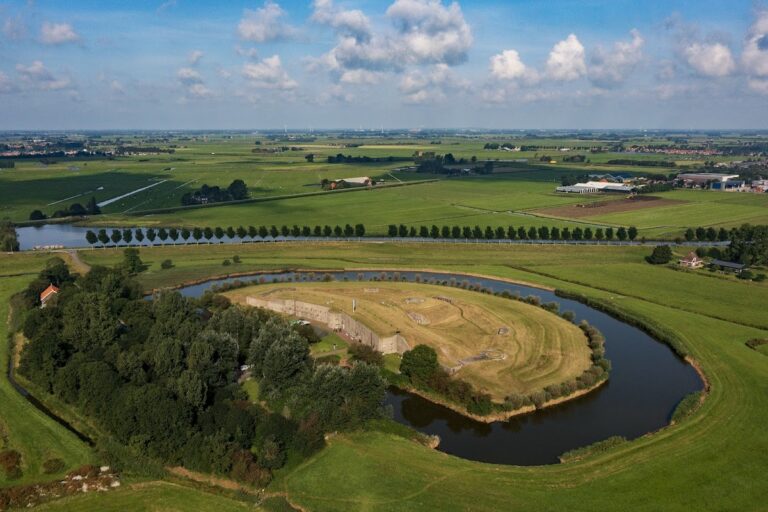
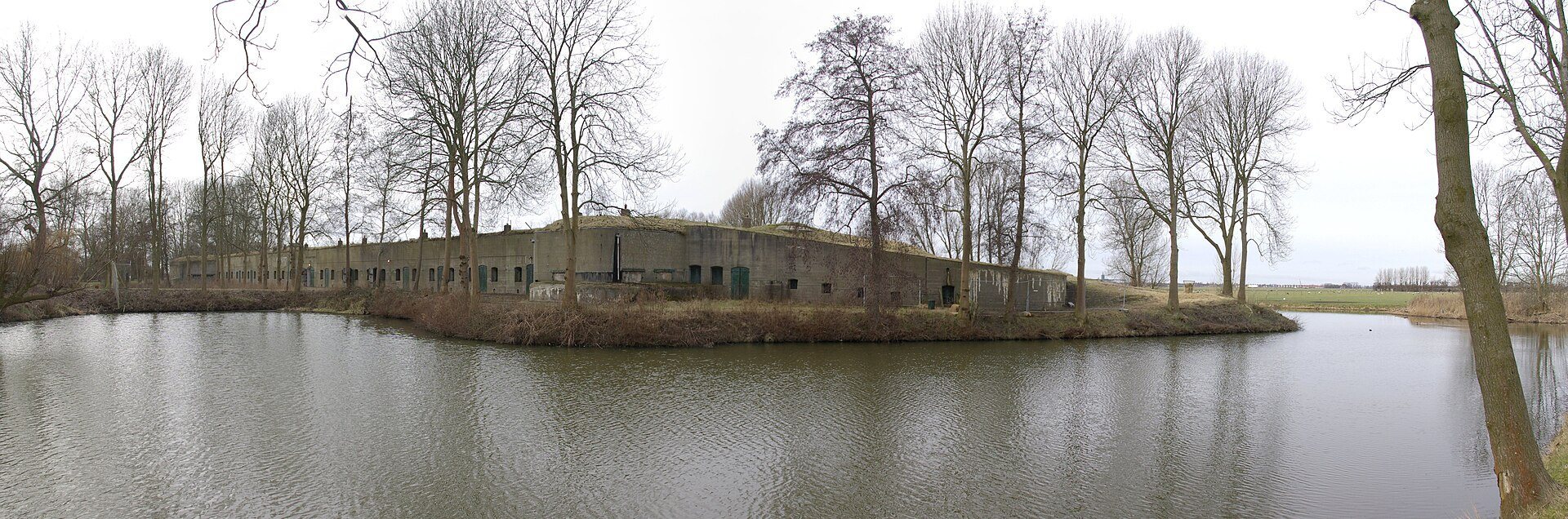
Fort aan de Nekkerweg, also known as Fort Beemster, is a Dutch military fort at the intersection of the Volgerweg and Nekkerweg in Beemster, Netherlands. It forms part of the Stelling van Amsterdam, a defensive ring designed to protect Amsterdam by flooding surrounding land and guarding the remaining routes available to an attacking force. The fort entered service in 1912.
Planning and military service
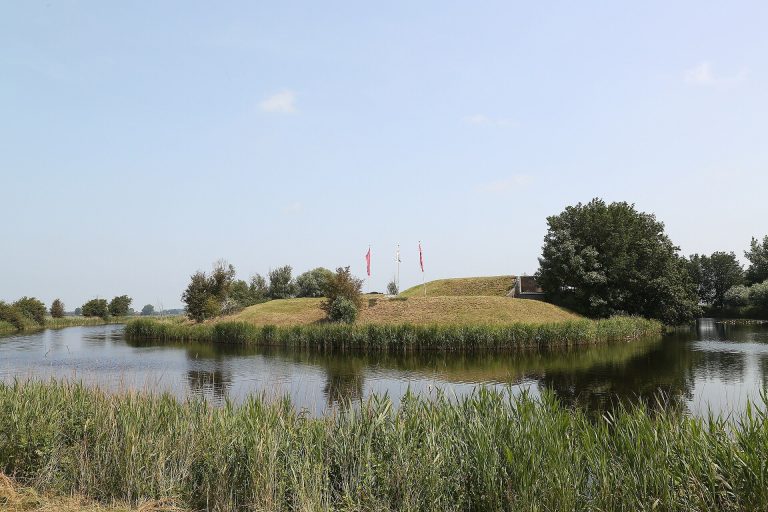
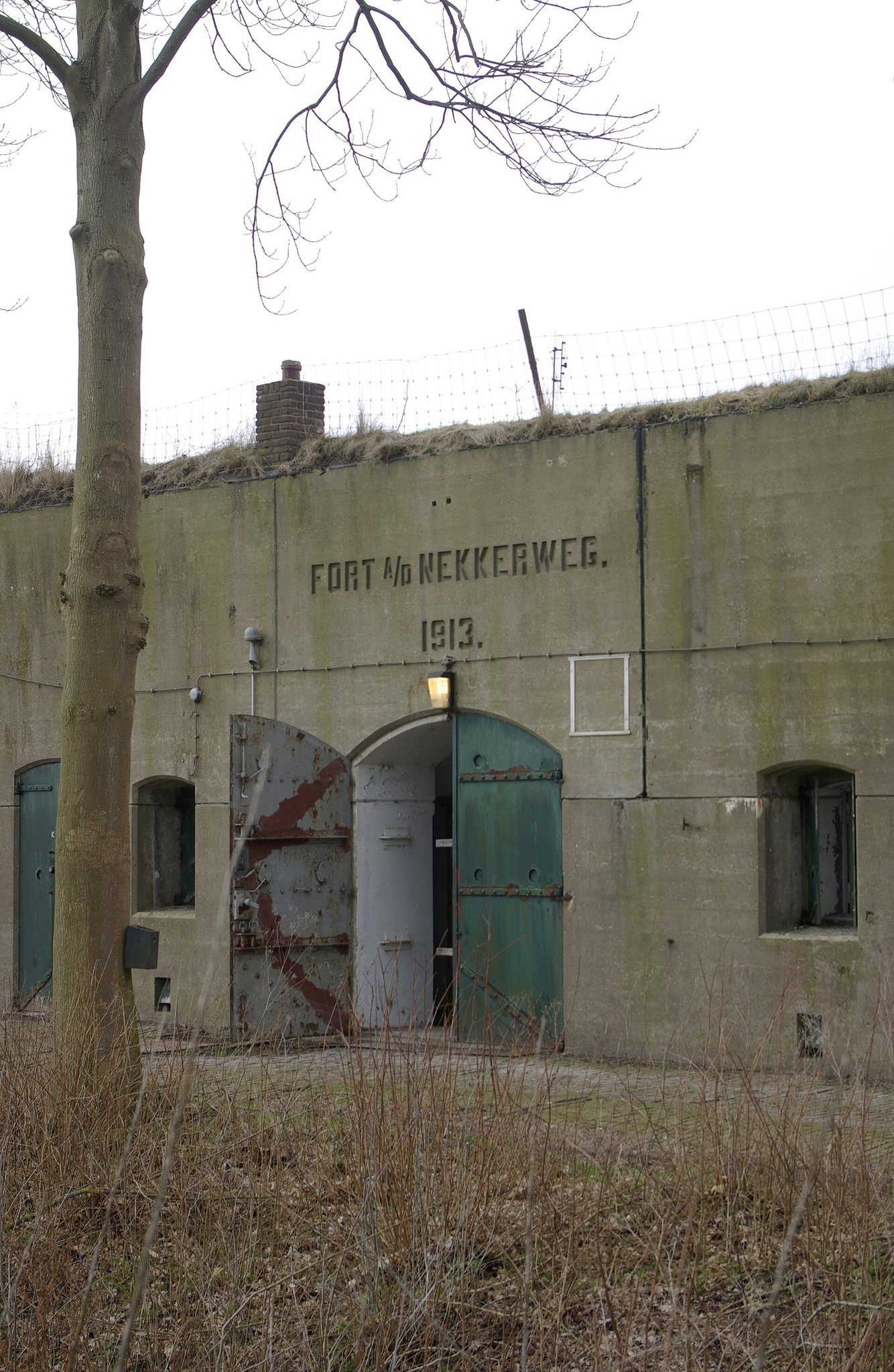
The fort was added to the Stelling van Amsterdam after the original plans drawn up by Anthonie Ernst Reuther had been prepared. Its garrison defended the access routes formed by the Nekkerweg and Volgerweg through the Beemster. An inlet sluice between Fort aan de Nekkerweg and the more westerly Fort aan de Middenweg enabled water from the North Holland Canal to flood the Beemster as a defensive measure. The date 1913 was mistakenly carved into the facade, although the fort had entered service the previous year.
Prison and detention uses
From 1918 to 1921, Fort aan de Nekkerweg functioned as a prison alongside Fort aan de Jisperweg and Fort bij Spijkerboor. An uprising took place in 1918 after prisoners believed that a revolution had begun. During the final phase of the Second World War, the fort held German prisoners of war. From 1946, it became a detention camp for political and other offenders.
Postwar transformation
Between 1951 and 1982, the complex was used to store and warehouse explosives. In 2011 and 2012, a fourteen-month conversion transformed the fort into a wellness center with a hotel and restaurants. The renovation received the Pieter van Vollenhoven Prize. Since 2012, the complex has operated as Fort Resort Beemster, with saunas, a hotel, a restaurant, and a conference center. Landschap Waterland is identified as its owner.
Remains
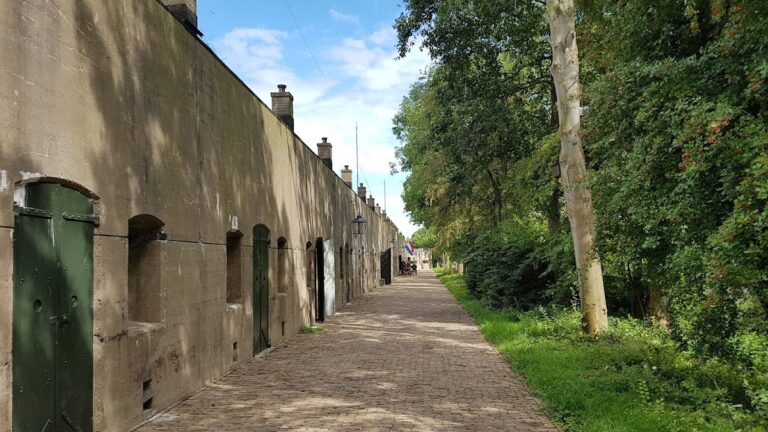
Fort aan de Nekkerweg is a Model B fort with two principal buildings. Its defensive design combines covered internal entrances with armored gun positions, while its water infrastructure forms a distinctive part of the surviving complex. Later adaptation has incorporated these military structures into a functioning wellness and hospitality complex.
Fortification and water systems
Gun buildings and posterns
The two buildings contain lifting gun cupolas, armored gun turrets that could be raised for firing and lowered for protection. The cupolas are reached through posterns, covered passages or small entrances within the fortification. Together, these elements reflect the fort’s intended role in defending the roads through the Beemster.
Water collection and drainage
The fort retains its water reservoirs and water de-ironing installation, which treated collected water by removing iron. Its water-collection system remains in existence, alongside a separate drainage arrangement for greywater, relatively lightly polluted wastewater such as water from showers. The modern conversion added 28 kilometers of underfloor heating, supplied by heat recovered from wastewater generated by facilities including the saunas and showers.