Historic Sites in Indonesia: Explore Temples, Palaces and Coastal Forts
Indonesia’s collection includes large Buddhist and Hindu monuments, Javanese mosques and palaces, Balinese sanctuaries and coastal fortresses. The sites span different islands and political traditions. Their articles explain both the architecture that survives and the restoration that has shaped many monuments’ present appearance.
Primary Function: All
Type: All
Civilization: All
Popularity: All
Rating: All
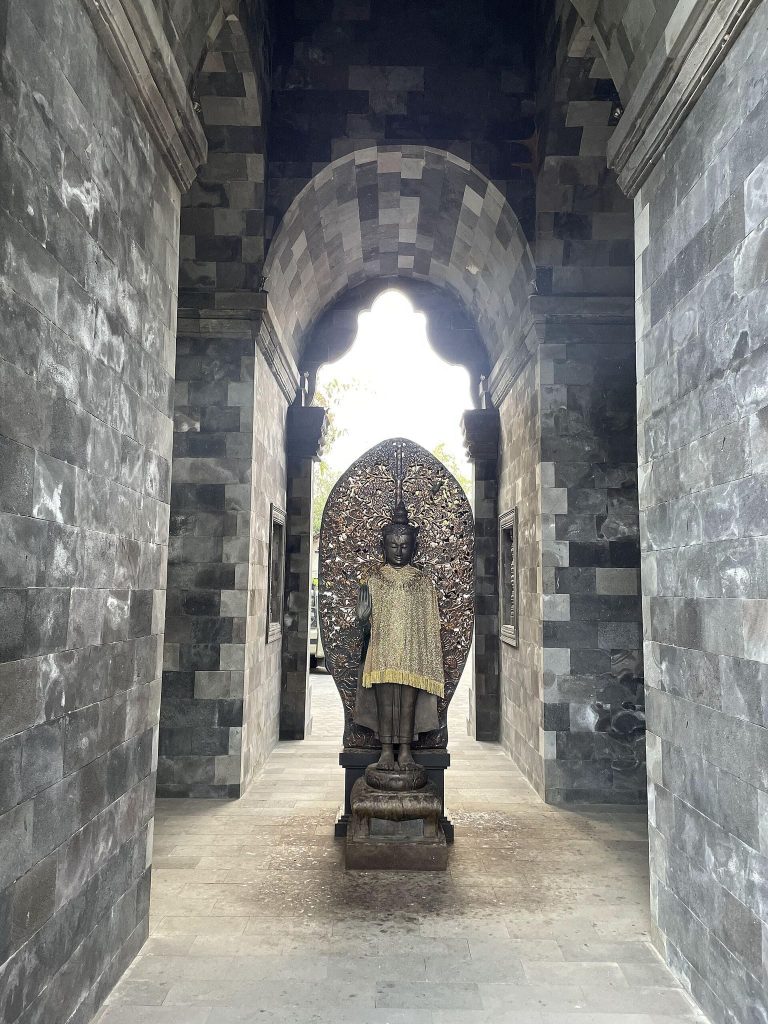
Ngawen is a late eighth-century Buddhist temple compound in Central Java, associated with the Sailendra dynasty and the temple alignment linking…
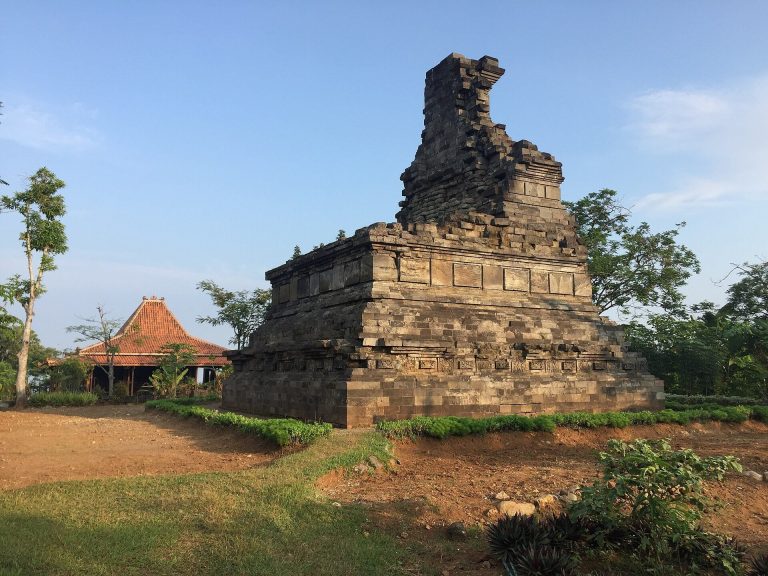
Candi Rimbi is a fourteenth-century Hindu temple in East Java associated with the Majapahit Kingdom, Queen Tribhuwana Wijayatunggadewi, and the…
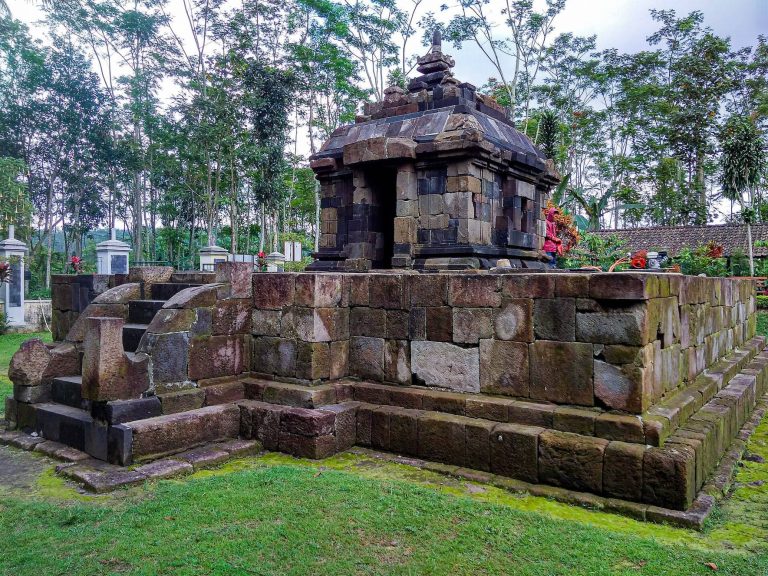
Candi Klero, also known as Candi Tengaran, is a restored Hindu temple in Semarang Regency, Central Java. Rediscovered in 1995, it contains a single…
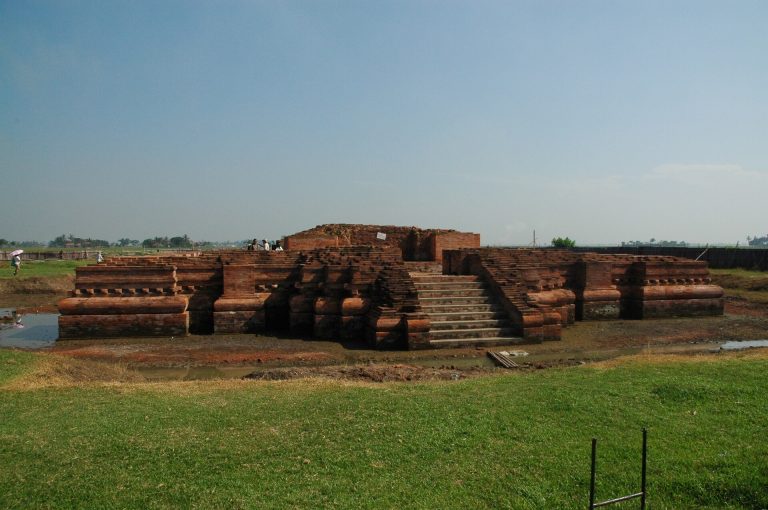
Batujaya is an extensive Buddhist temple complex in West Java, shaped by prehistoric occupation, Tarumanagara-era religious activity, and later…
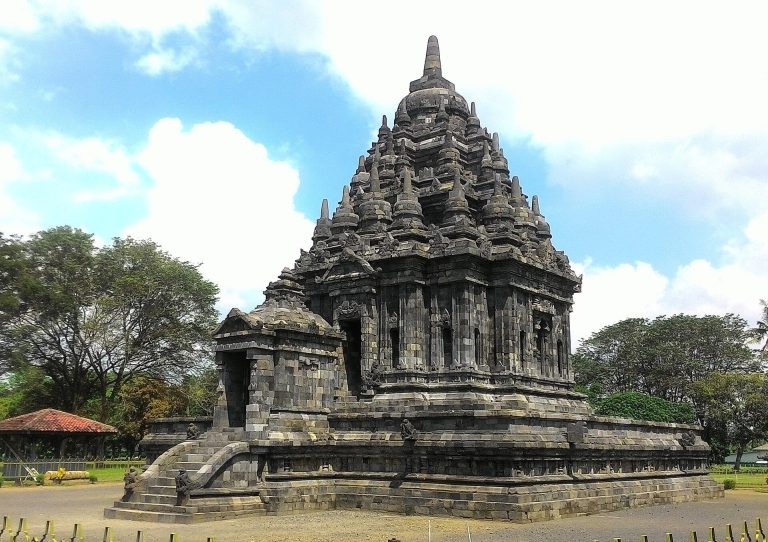
Bubrah Temple is a ninth-century Mahayana Buddhist shrine associated with the Ancient Mataram Kingdom and the Sewu temple complex in Central Java.…
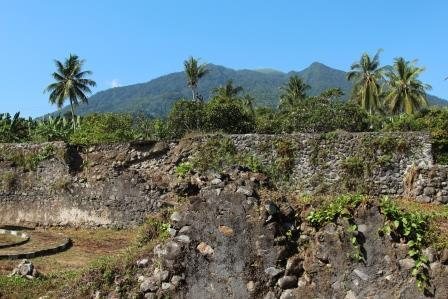
Fort Kastella is a ruined Portuguese fortress on Ternate, founded in 1522 and later occupied by Ternatean, Spanish, and Dutch forces during the…
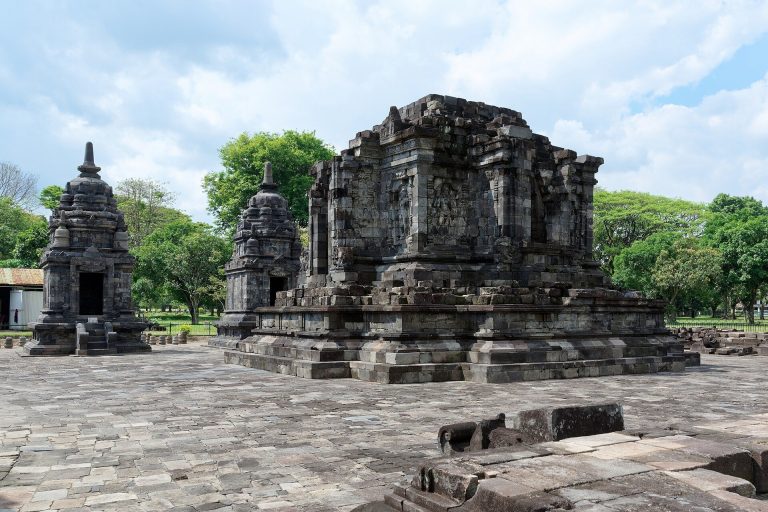
Lumbung is a Mahayana Buddhist temple compound in Central Java, built during the Ancient Mataram Kingdom and composed of a main shrine surrounded by…
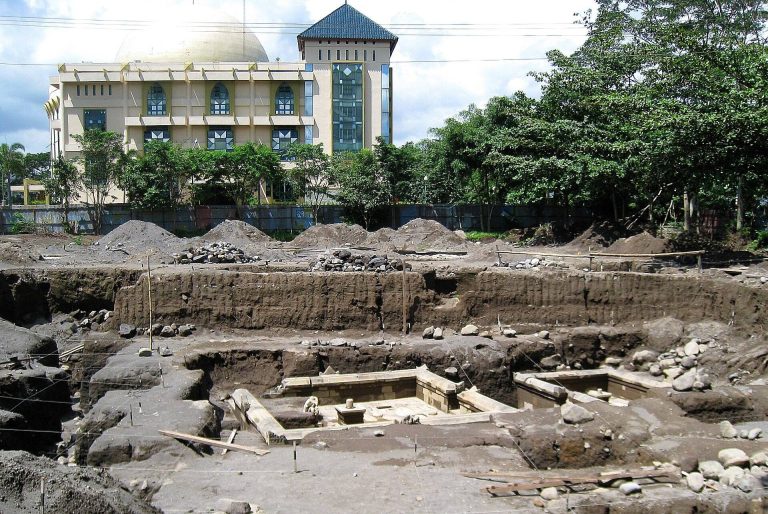
Kimpulan Temple, also called Pustakasala Temple, is a small Hindu Shaivite shrine discovered beneath the campus of the Islamic University of…
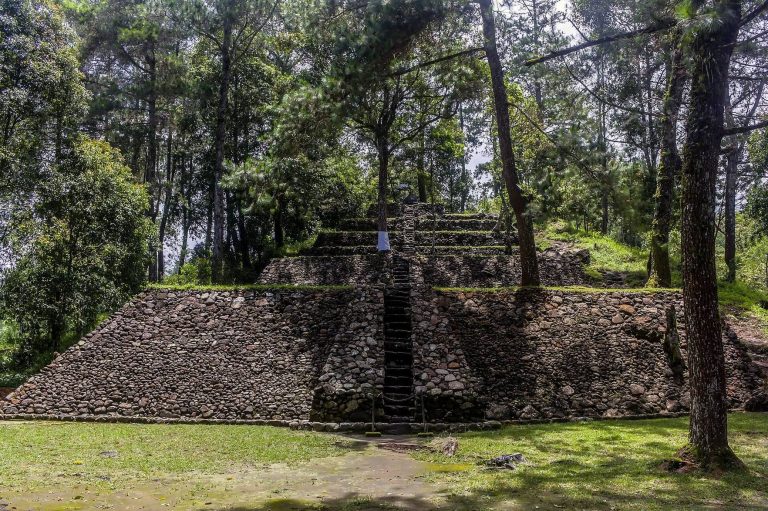
Candi Kethek is a fifteenth- or sixteenth-century Hindu temple on Mount Lawu in Central Java, known for its stepped megalithic layout and tortoise…
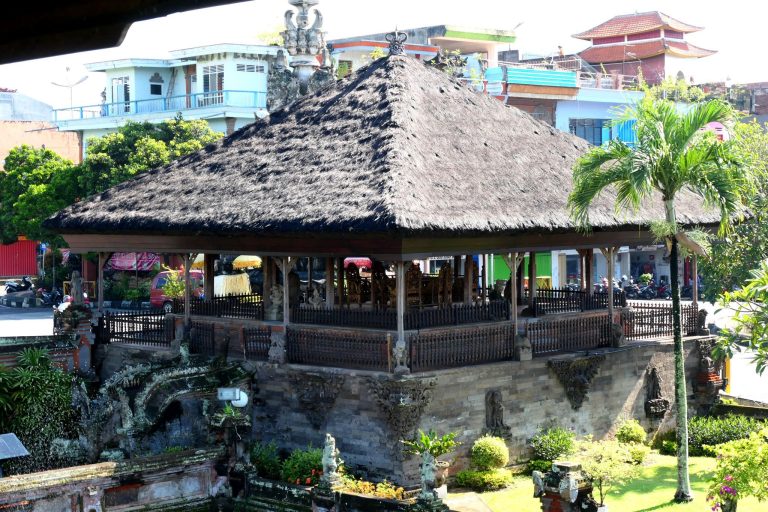
Klungkung Palace, established in the late seventeenth century as the successor to Gelgel, was the seat of Bali’s Klungkung dynasty until the 1908…
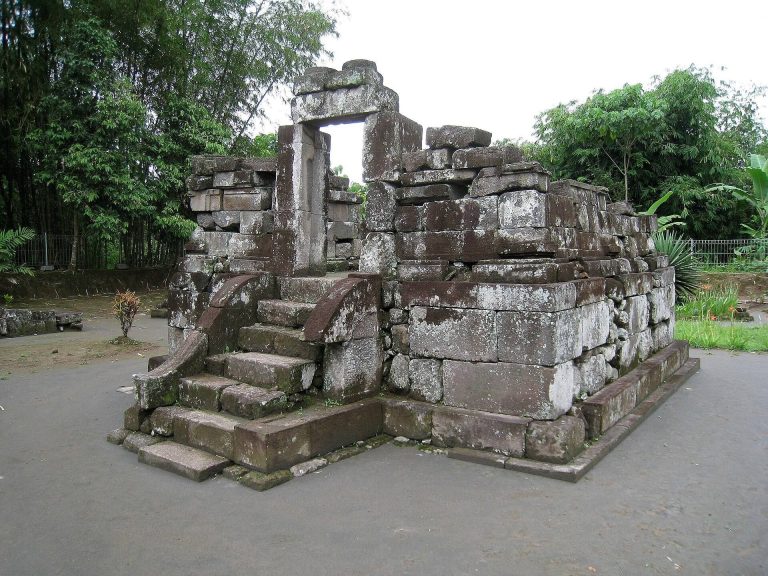
Gunung Wukir, also known as Canggal Temple or Shivalinga, was founded in 732 under King Sanjaya and is closely associated with the formation of the…
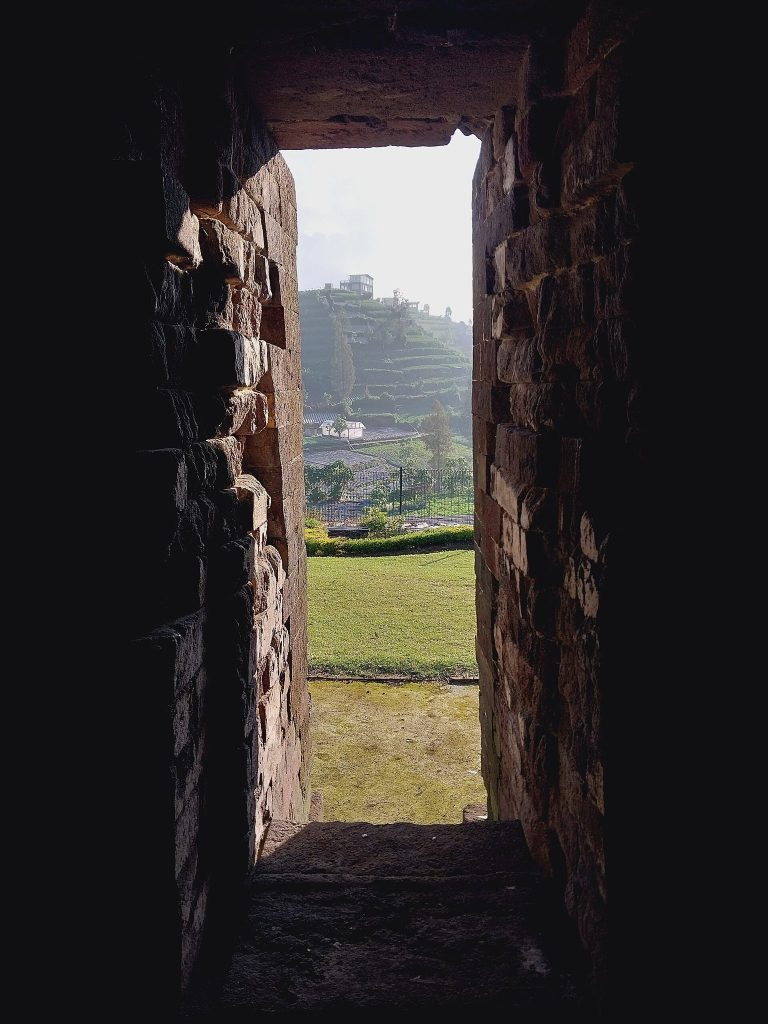
Candi Dwarawati is an eighth- or ninth-century Shaivite Hindu temple in the Dieng complex of Central Java, known for its compact Central Javanese…
For details on how to use the maps, which sites are included, how popularity and ratings are determined, and how sites are classified, see the help page.
On this page6 sections
Buddhist terraces and Hindu temple towers
Borobudur in Central Java was built as a Buddhist pilgrimage monument around a natural hill. Square terraces carry corridors lined with reliefs, while circular upper levels support perforated stupas around the central monument. Stairways on four sides connect the levels.
The architecture organizes movement through a sequence of decorated galleries and open terraces. Its stonework has undergone major conservation and reassembly, so the monument’s ancient arrangement and its modern engineering history are both important to understanding what stands today.
Prambanan uses a different plan: tall Hindu temple towers occupy a central enclosure within a larger field of subsidiary shrines. The principal buildings are dedicated to Shiva, Vishnu and Brahma. Reconstructed towers rise above foundations and scattered remains of the wider complex, allowing the central group to be distinguished from the much larger original ensemble.
Timber construction at Demak’s mosque
The Great Mosque of Demak belongs to the early history of Islamic rule in Java. Its timber prayer hall is covered by a tiered roof supported by large central posts. The roof form and carved woodwork place the building within regional construction traditions rather than the domed stone mosque forms found elsewhere.
Decorated doors and ceramic details accompany the main hall. The mosque has been repaired and altered through its long use, while foundation traditions connect it with the rulers and religious figures of the early Demak Sultanate. Those traditions should be separated from securely dated surviving components.
Courts and pavilions at Yogyakarta
The Kraton of Yogyakarta was established in the eighteenth century as a royal court. Gateways connect successive courtyards, with timber pavilions and enclosed buildings serving ceremonial, residential and administrative purposes. Painted columns, carved decoration and tiled roofs give the different spaces a coordinated architectural character.
The plan is understood through movement between its courts as well as through individual buildings. Covered halls provide settings for audiences and performances, while other areas served the royal household. Later changes form part of a court complex that continued to develop after its foundation.
Goa Gajah’s carved sanctuary
Goa Gajah in Bali contains a cave sanctuary entered beneath a large carved face. Dense ornament surrounds the opening, while the interior has a compact branching plan. Hindu features in the cave and Buddhist remains elsewhere in the complex record different religious uses of the same area.
The principal sanctuary is generally dated to the eleventh century. Its carved rock entrance gives it a very different form from the freestanding stone towers of Prambanan or the timber mosque at Demak. The site article identifies the images and associated structures individually.
Bastions and barracks at Fort Rotterdam
Fort Rotterdam in Makassar occupies the site of an earlier Gowa fort. The Dutch rebuilt and expanded it as a seventeenth-century fortified base, enclosing barracks, administrative buildings and other facilities within stone ramparts and projecting bastions.
The surviving compound combines defenses with a substantial group of internal buildings. Its coastal position explains its role in controlling maritime trade and access to Makassar, while the earlier local foundation remains a separate part of its history. Buildings within the enclosure were adapted as its use changed.
Explore Indonesia’s collection
Use the map and grid to locate sites by island and region, then compare the available building types and periods. Individual entries open articles describing their original functions, later changes and surviving details.