Bubrah Temple: A Ninth-Century Buddhist Shrine in Central Java
Site at a Glance
- Rating
- 4.4
- Popularity
- Low
- Country
- Indonesia
- Primary era
- Medieval
- Eras represented
- Medieval
- Civilizations
- Unclassified
- Site type
- Religious
- Remains
- Temple
On this page6 sections
History
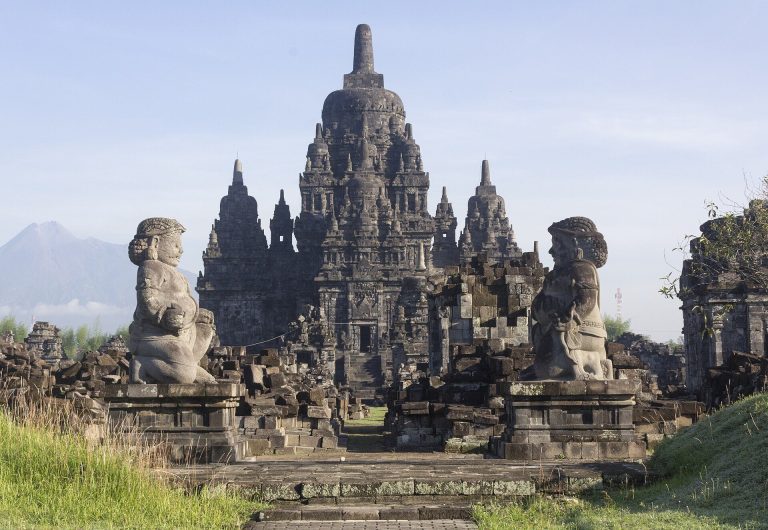
Bubrah Temple is a ninth-century Buddhist shrine in Central Java, Indonesia, built under the Ancient Mataram Kingdom in the Mahayana tradition. It is generally dated to the early ninth century and is associated with the larger Sewu, or Manjusrigrha, complex in the Kewu Plain.
Foundation and religious setting
Bubrah was probably built around the same period as, or slightly after, Sewu and Lumbung temples. Its position indicates that it formed part of a mandala, a religiously ordered arrangement in which subsidiary shrines are placed around a central temple according to the four directions. Bubrah is commonly interpreted as the southern guardian shrine of Sewu.
This interpretation is supported by the similarly sized Candi Gana to the east and by remains found to the north and west of Sewu’s main temple. Together, these structures are understood as four former subsidiary shrines arranged around the principal sanctuary.
Decline and restoration
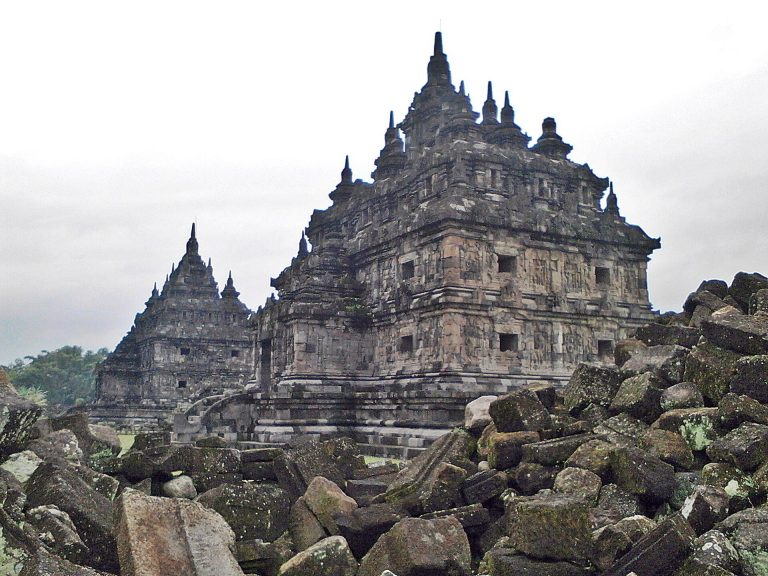
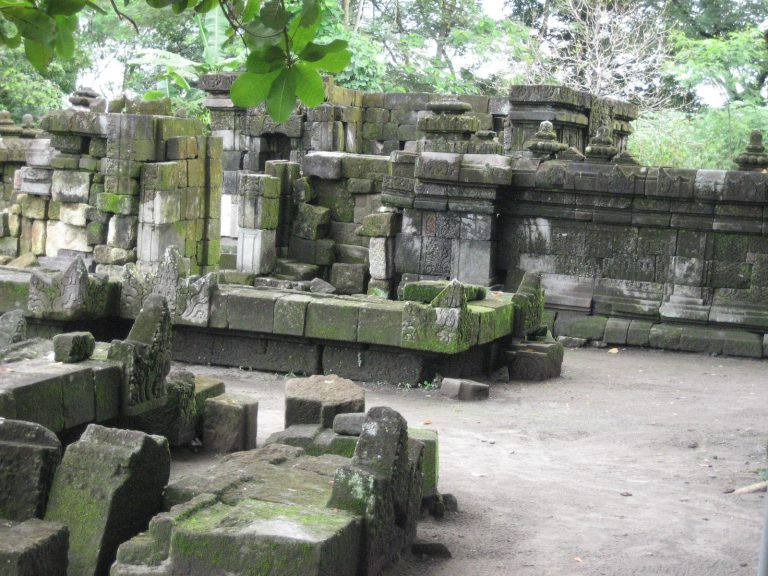
After the Mataram capital moved to East Java, Bubrah was neglected. Over subsequent centuries, earthquakes damaged the temple, while volcanic debris from Mount Merapi may also have contributed to its burial. When it was rediscovered in the early nineteenth century, only a mound of collapsed stones about 2 metres high was visible. The local name Bubrah, meaning “broken,” “ruined,” or “in disrepair” in Javanese, refers to this condition. The temple’s original name is unknown.
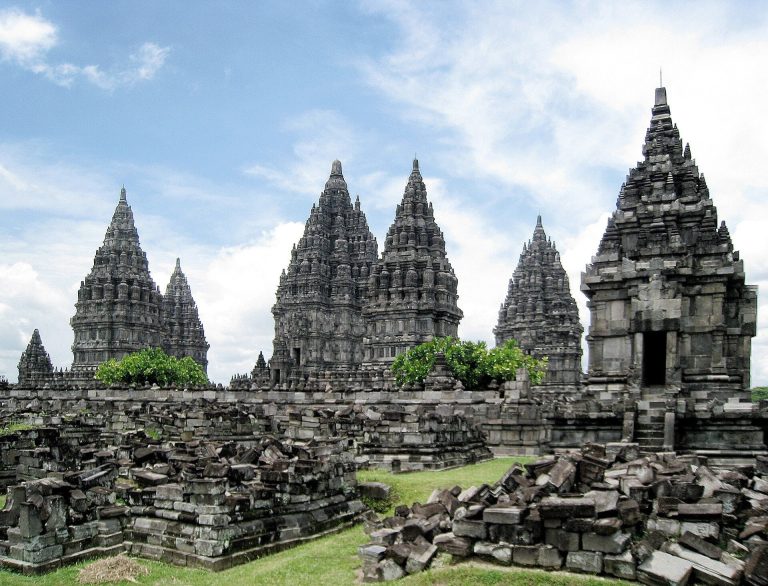
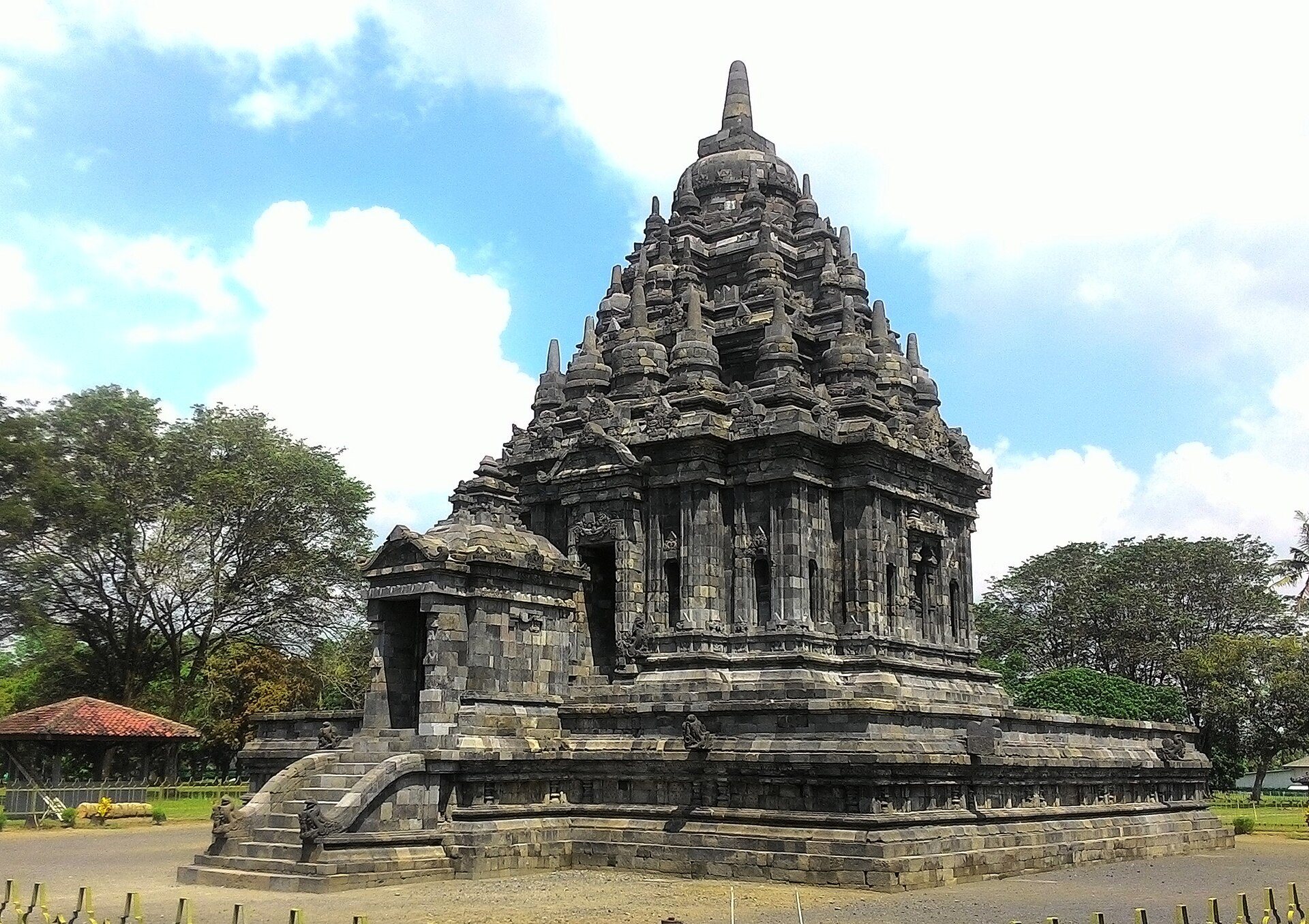
During the twentieth century, the stones remained scattered and little reconstruction took place. Restoration and reconstruction proceeded in seven stages between 2011 and 2017, reaching completion on 14 December 2017. Bubrah is part of the Prambanan Temple Compounds, inscribed as a UNESCO World Heritage cultural property in 1991, which includes the protected archaeological complex of Prambanan, Sewu, Lumbung, and related remains.
Remains
Layout and construction
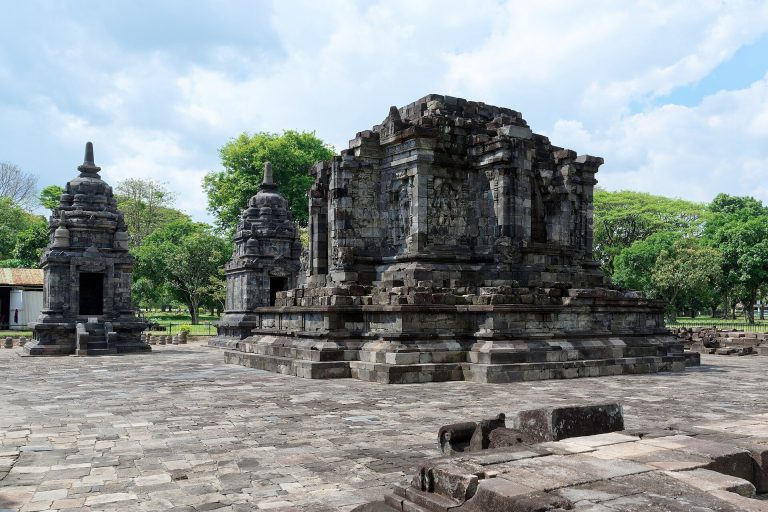
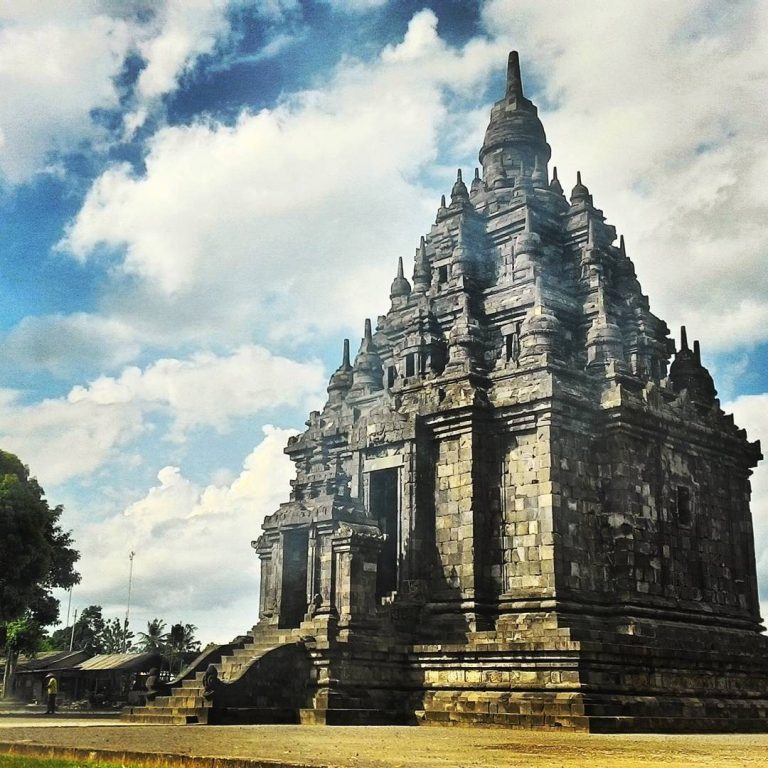
Bubrah stands in the Kewu, or Prambanan, Plain within the Prambanan Archaeological Park. It lies about 300 metres south of Sewu Temple, 150 metres north of Lumbung Temple, and 600 metres north-northeast of Prambanan, also known as Roro Jonggrang Temple. The temple is built of andesite. Its main plan is approximately 12 by 12 metres, while the lower platform is nearly square, measuring about 19.6 metres on its east and west sides, 19 metres on the north, and 19.3 metres on the south.
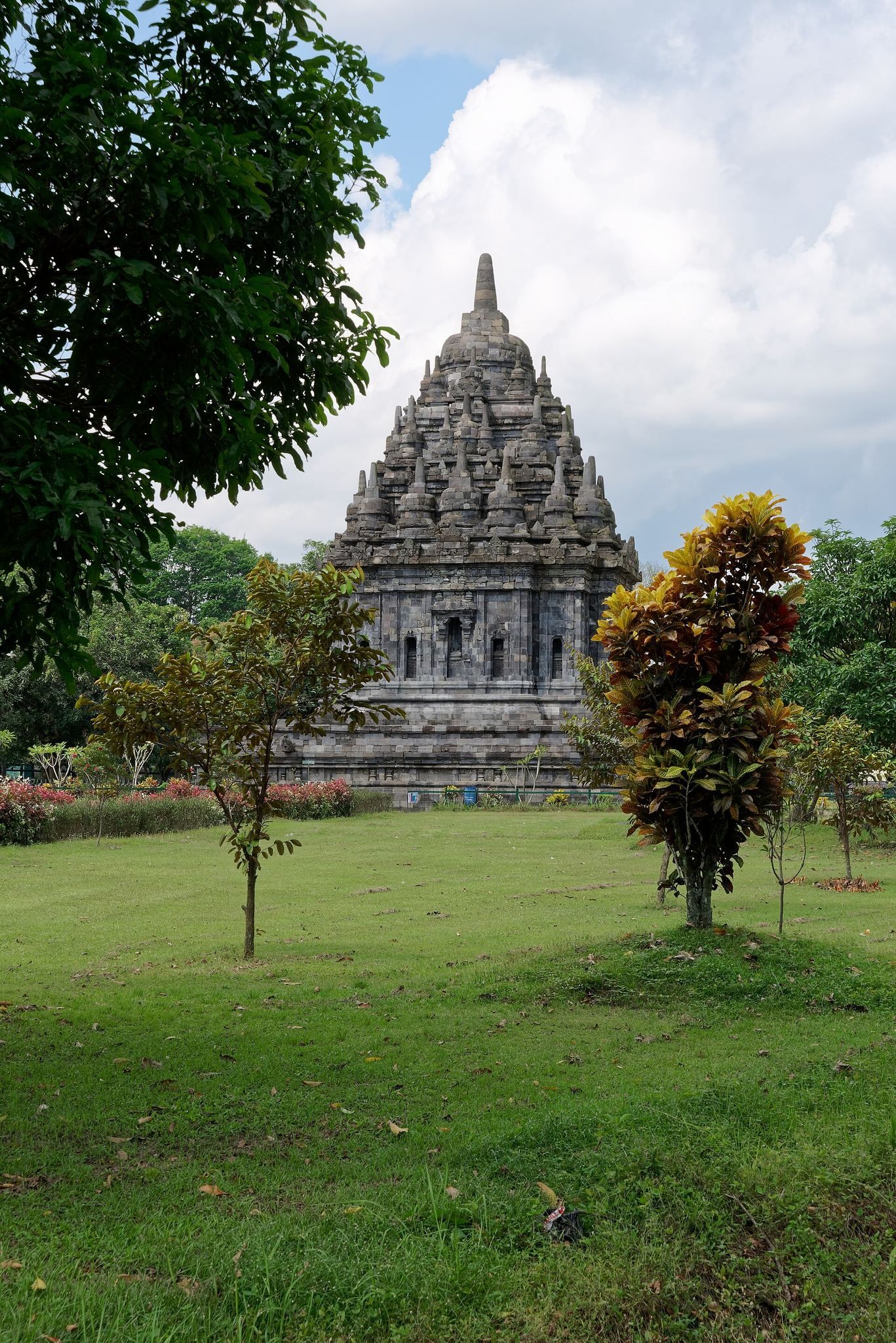
The temple faces east. A projecting entrance structure on the eastern side contains a flight of stairs, a portico, and the main entrance. The wall body forms an articulated square about 10 metres on each side and contains numerous niches. Two niches flank the entrance, with two more in the wall body. The north and south sides each have four niches, while the west side has six.
Inside the shrine, a surrounding passage leads around an inner chamber measuring approximately 3 metres square. The roof is formed by rows of small stupas, Buddhist domed or bell-shaped monuments, arranged around a larger central stupa that forms the pinnacle. This design resembles the Apit shrines within the Sewu complex and Sojiwan Temple.
Buddhist images and surrounding shrines
The ruins yielded numerous Buddhist images, including ten figures of Amitabha, one of Akshobhya, and three of Ratnasambhava. These Buddhas are associated with Mahayana and Vajrayana Buddhist traditions. The images were found incomplete or damaged.
About 300 metres north and west of Sewu’s main shrine, remains of two additional subsidiary temples were discovered. Their surviving stones were too scarce for reconstruction. Along with Bubrah and Candi Gana to the east, they are interpreted as the remains of four shrines that once occupied the cardinal directions around Sewu’s central temple.