Candi Dwarawati: A Shaivite Hindu Temple on Java’s Dieng Plateau
Site at a Glance
- Rating
- 4.7
- Popularity
- Low
- Country
- Indonesia
- Primary era
- Medieval
- Eras represented
- Medieval
- Civilizations
- Unclassified
- Site type
- Religious
- Remains
- Temple
On this page6 sections
History
Religious Setting and Early History
Candi Dwarawati is a Shaivite Hindu sacred building on the Dieng Plateau in Banjarnegara Regency, Central Java, Indonesia. It is generally dated to the eighth or ninth century and follows a Central Javanese architectural style. Shaivism is a Hindu tradition centered on the worship of Shiva, while the Trimurti brings together Brahma, Vishnu, and Shiva as creator, preserver, and destroyer. The temple is traditionally associated with religious activity connected with this threefold Hindu understanding.
Candi Dwarawati forms part of the Dieng temple complex and is recognized as one of the area’s eight well-known temples. Three other temples once stood around it: Candi Abiyasa, Candi Pandu, and Candi Margasari. All three had collapsed, leaving Candi Dwarawati as part of a changed religious and archaeological landscape.
Discovery and Heritage Status
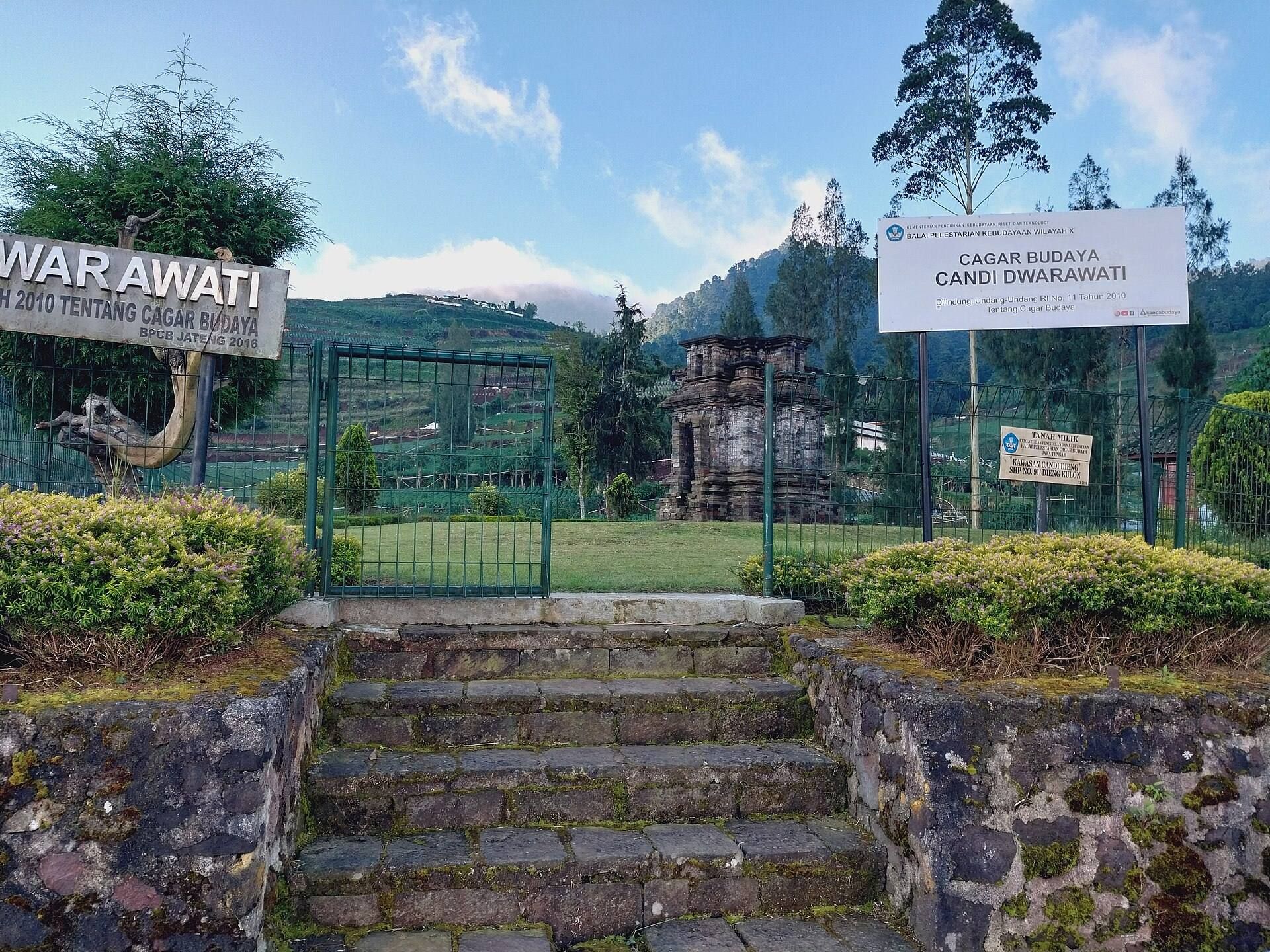
The temple was discovered during the Dutch colonial period. By then, it was already incomplete, although it remained in relatively good condition. Candi Dwarawati is classified within the Dieng temple-complex cultural-heritage area.
Remains
Architectural Form
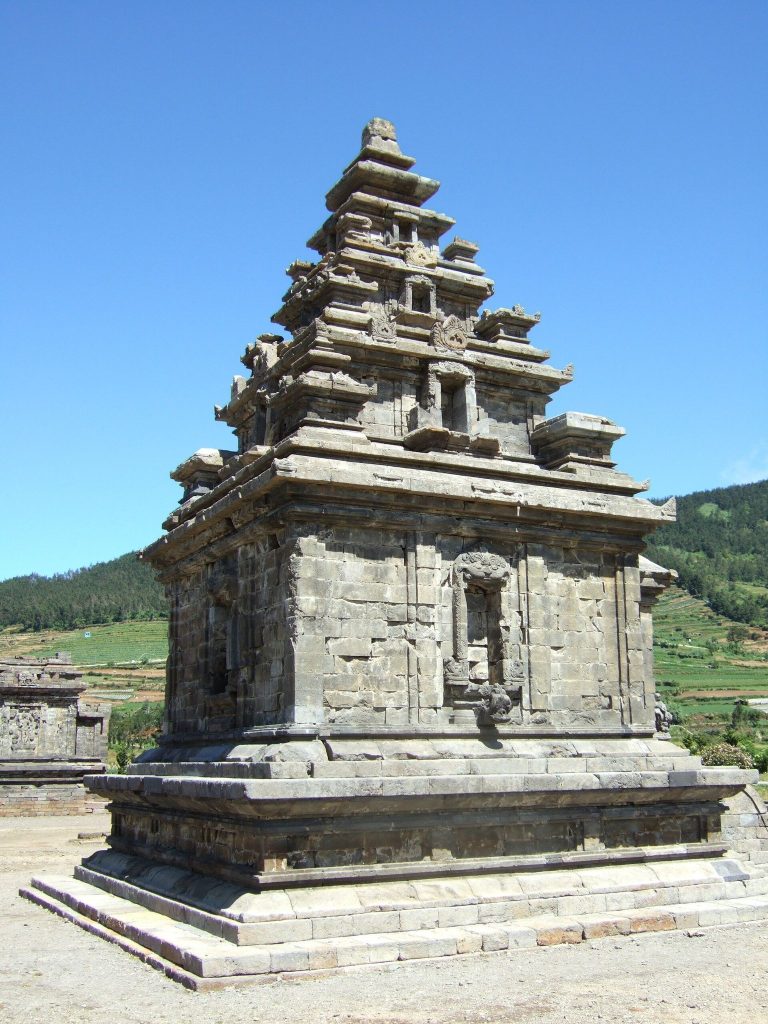
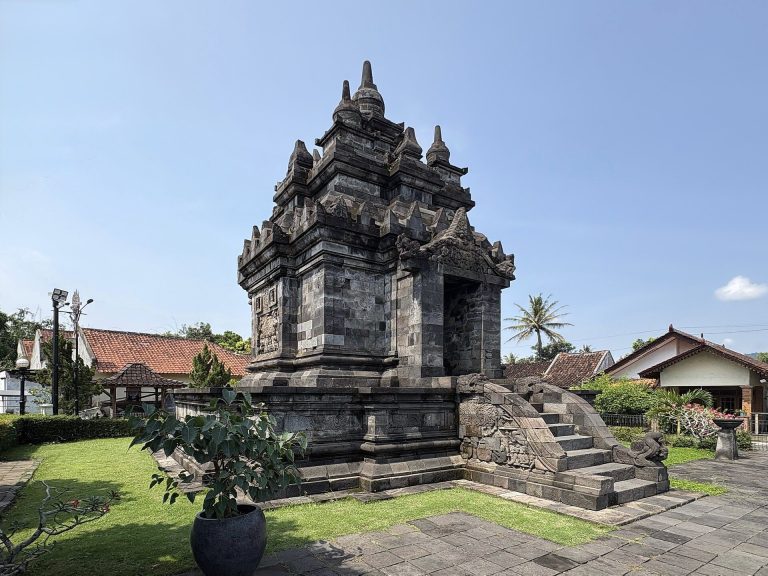
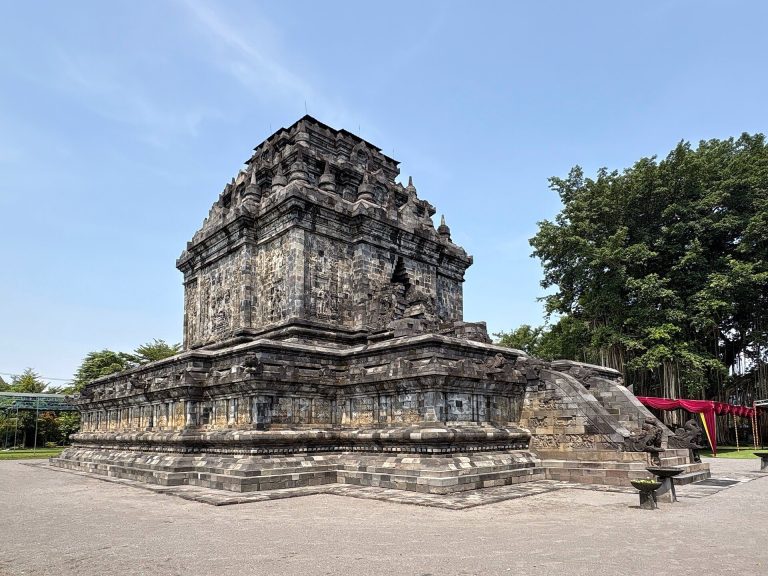
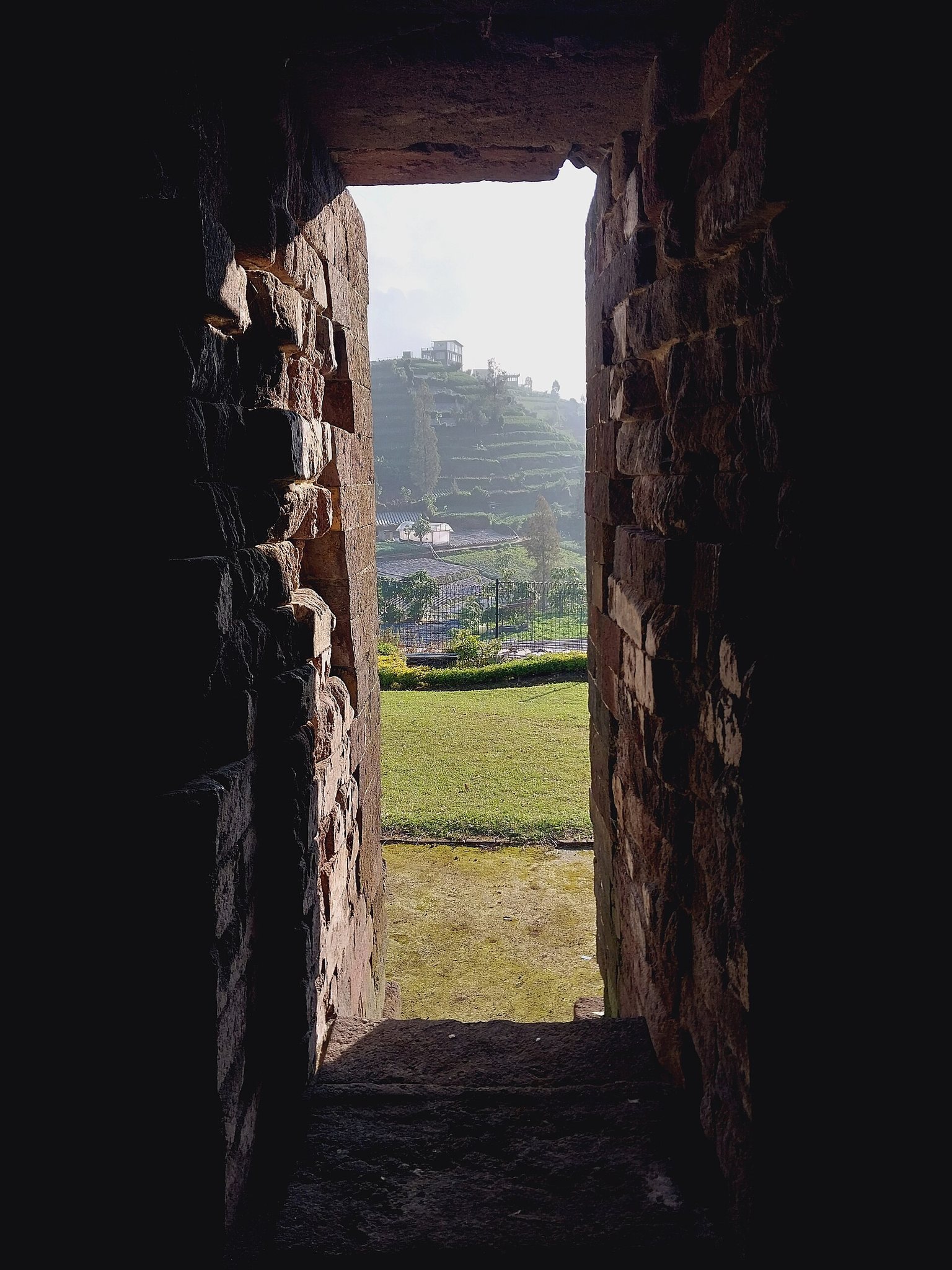
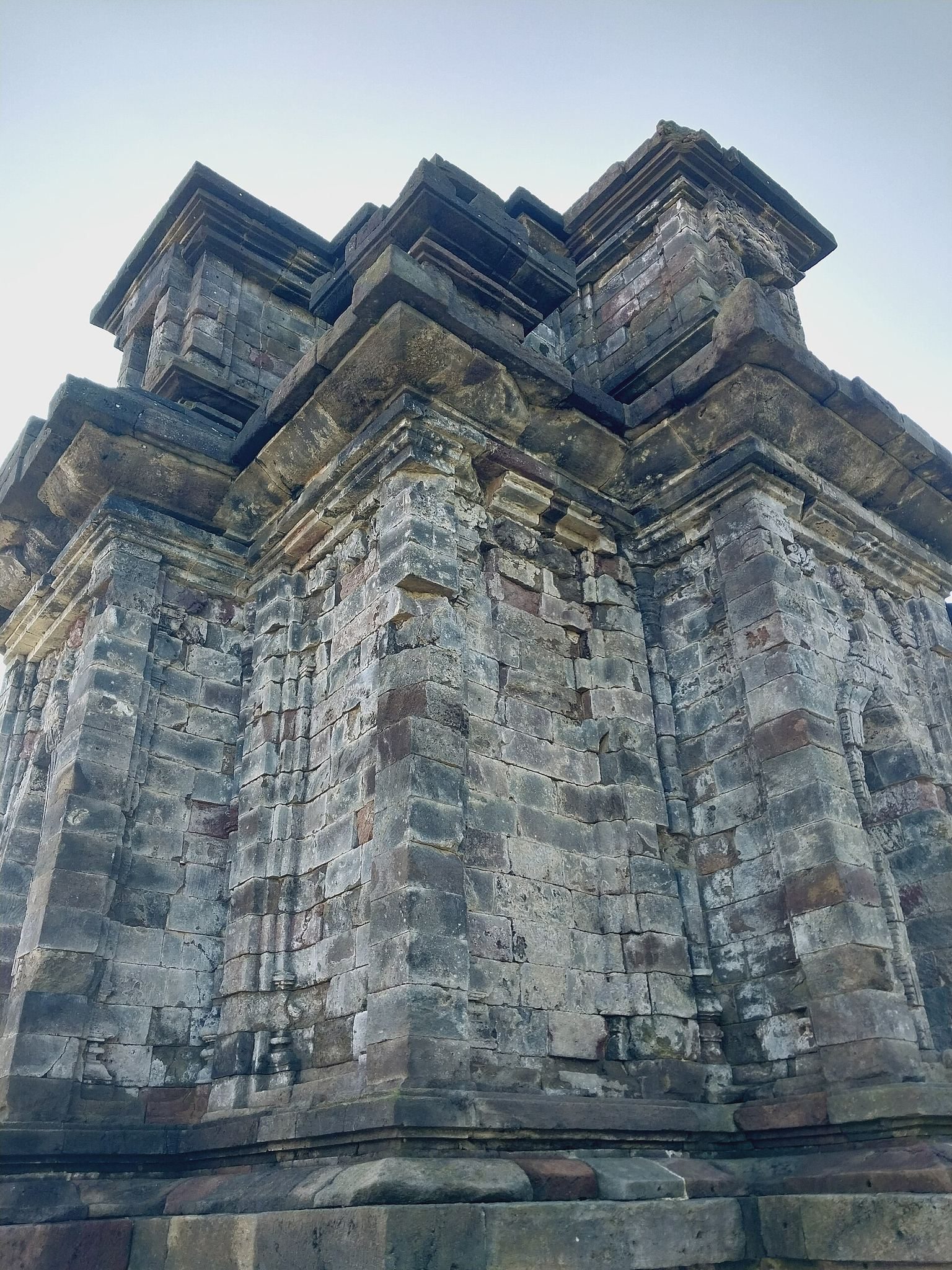
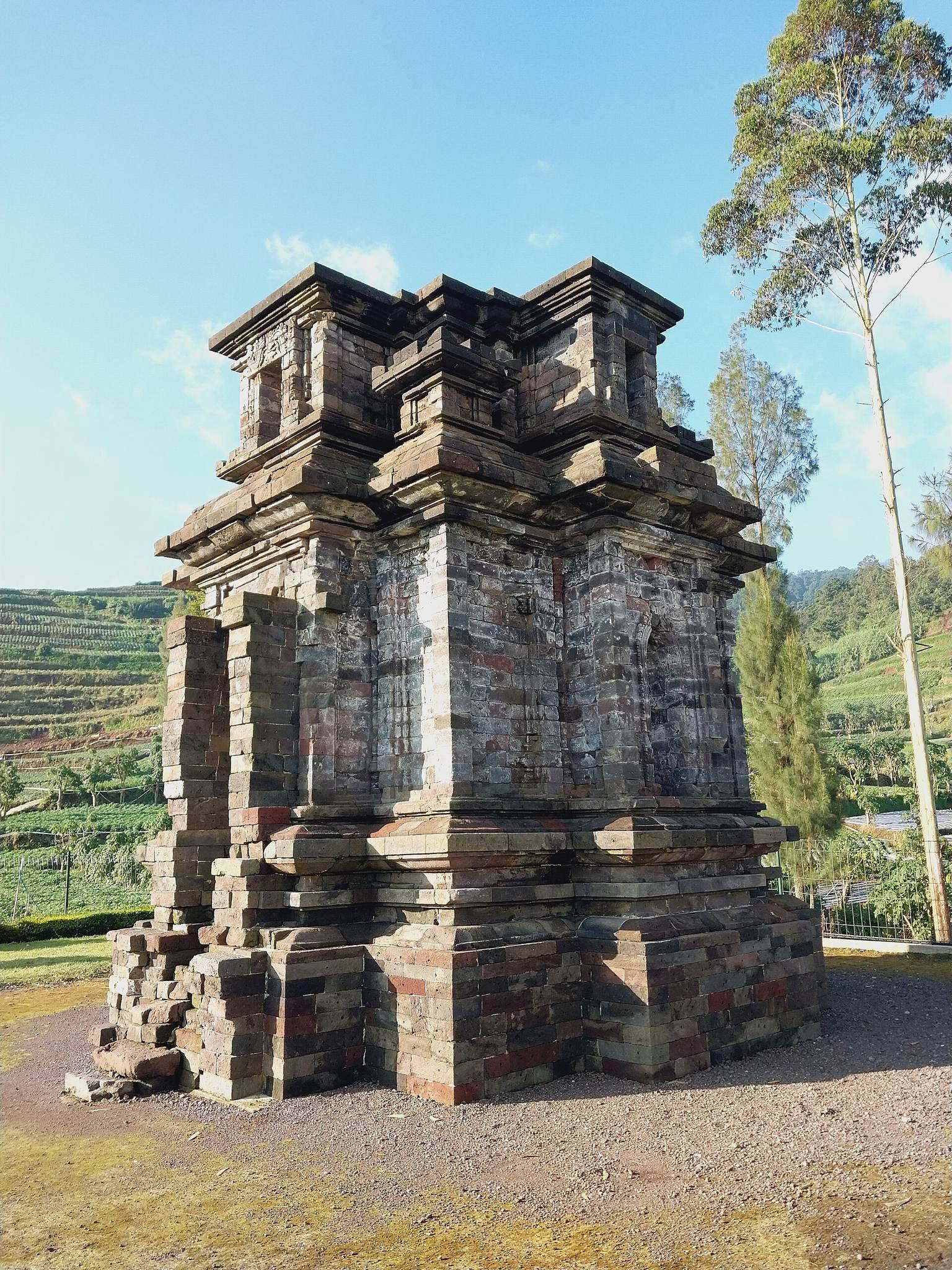
Candi Dwarawati stands at an elevation of approximately 2,000 metres above sea level in the highland landscape of Banjarnegara Regency. Its square ground plan measures about 5 metres in length and 4 metres in width. The relatively small structure is arranged vertically in three parts: a foot, a body, and a roof.
The roof summit has collapsed, limiting the detail that can be established about the temple’s original overall form. Its design resembles Candi Sembadra, while its shape and divisions are also compared with Candi Gatotkaca elsewhere in the Dieng area.
Sculptural Features and Surviving Materials
Niches set into the exterior walls originally held images of Durga, Agastya, and Ganesha. Durga is associated with protection and power, Agastya is a revered Hindu sage, and Ganesha is the elephant-headed deity linked with wisdom and the removal of obstacles.
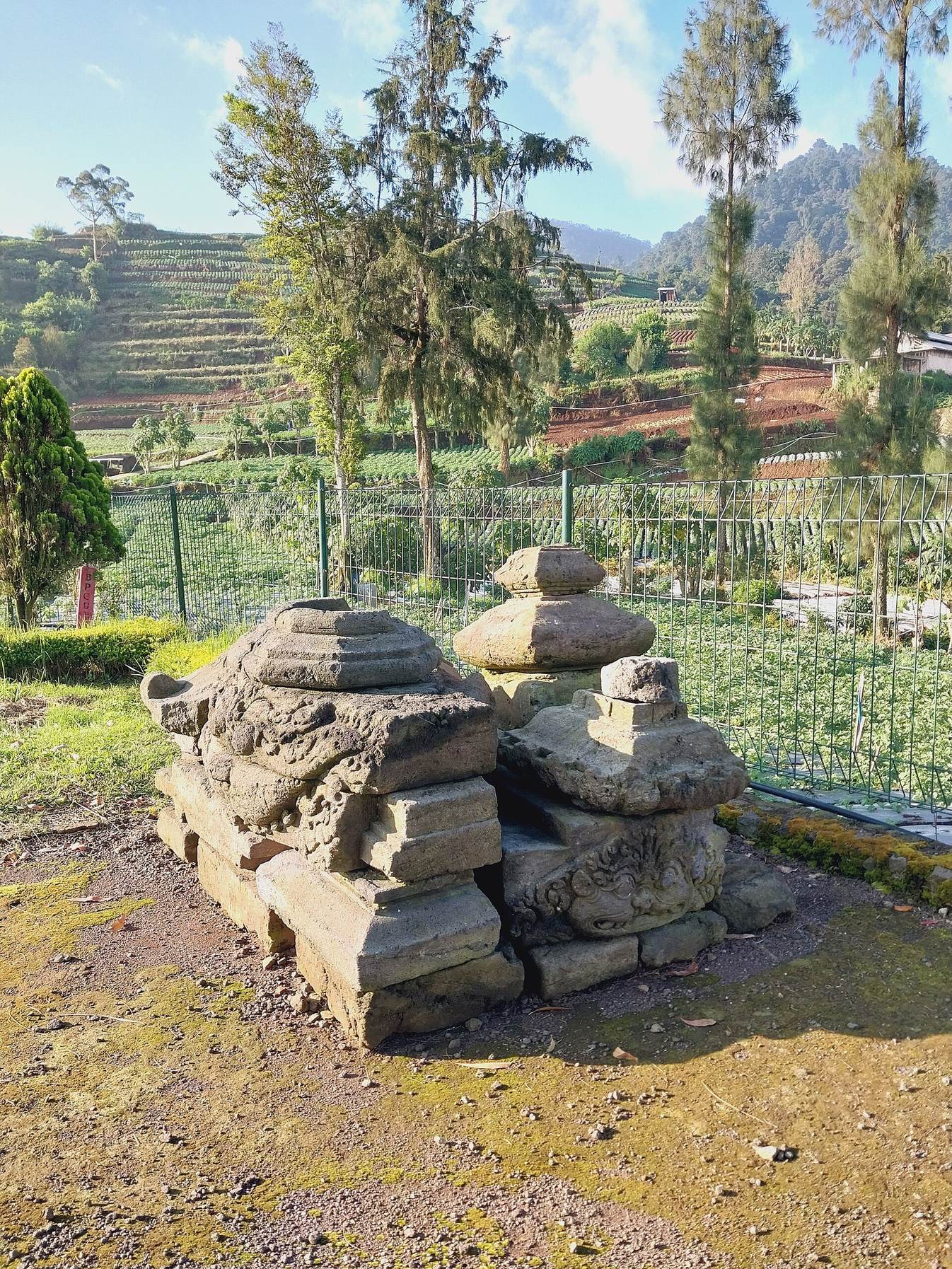
The statues were relocated because the temple was not adequately guarded, and their present location is not specified. Stone blocks have also been collected beside the temple.