Candi Klero: A Hindu Temple in Central Java
Site at a Glance
- Rating
- 4.4
- Popularity
- Low
- Country
- Indonesia
- Primary era
- Unclassified
- Eras represented
- Unclassified
- Civilizations
- Unclassified
- Site type
- Religious
- Remains
- Temple
On this page8 sections
History
Candi Klero, also known locally as Candi Tengaran, is a Hindu temple in Ngentak Lor, Klero, Tengaran, Semarang Regency, Central Java, Indonesia. Its religious identification remains provisional because the site consists of a single principal shrine, while some Hindu temple complexes in the region follow an arrangement of a main shrine with three accompanying temples. Lingga and yoni, symbols associated with Shiva and Shaiva worship, were found in and around the temple.
Rediscovery and Restoration
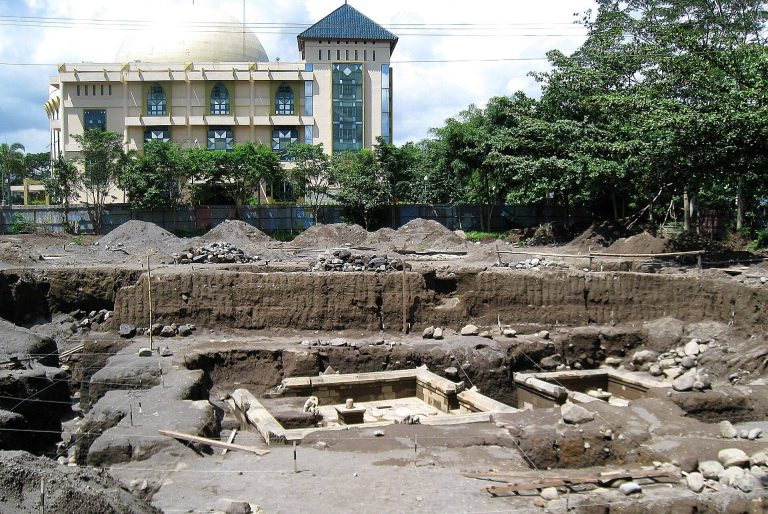
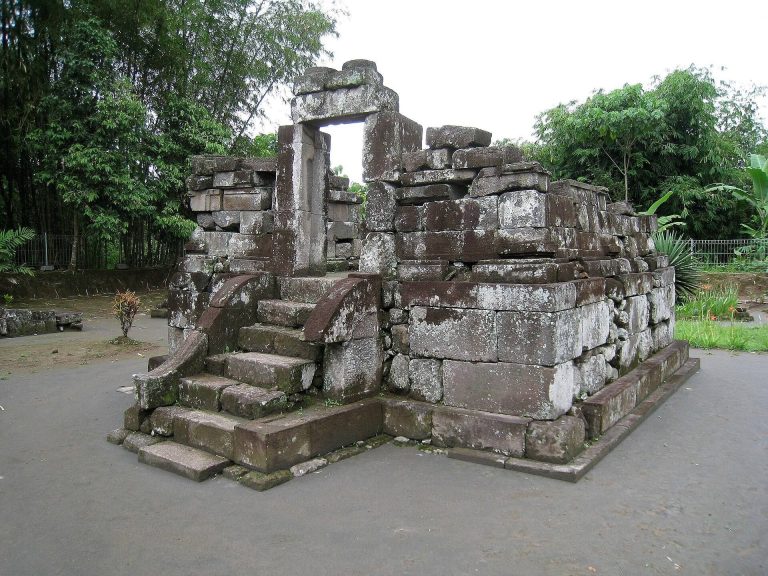
The temple was rediscovered in 1995 in a collapsed condition. The Central Java branch of the former Archaeological Heritage Preservation Office restored the ruins into a temple structure. The name Candi Klero refers to the location where the temple was found again, while the name Candi Tengaran reflects its association with the wider area.
Continuing Worship and Protection
Offerings inside the shrine and a bamboo curtain at its entrance indicate that Candi Klero continues to be used for worship. The restored temple is protected as state cultural heritage under registration number OBPO 2014102800016 and National Cultural Heritage Register number RNCB.20070326.02.000289. Its protection derives from ministerial decisions dated 26 March 2007 and 22 June 2010. Ownership and management are held by the Central Java Cultural Heritage Conservation Office in cooperation with the Semarang Regency Government.
Remains
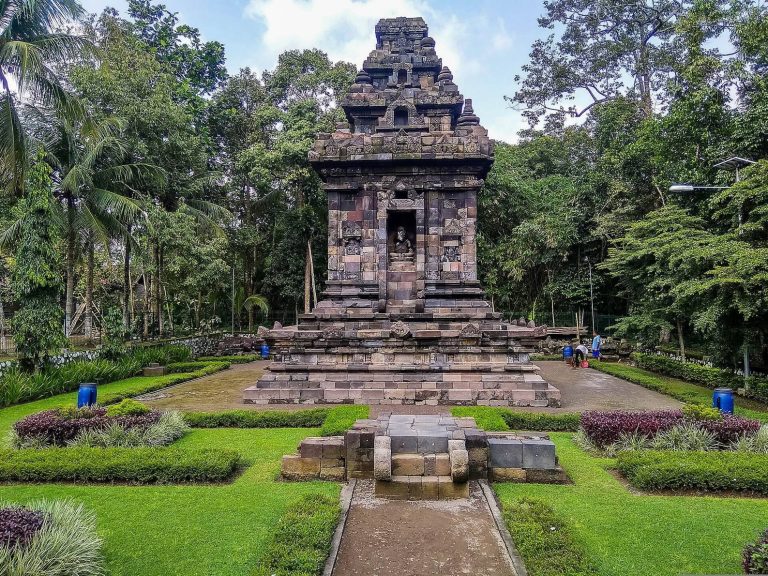
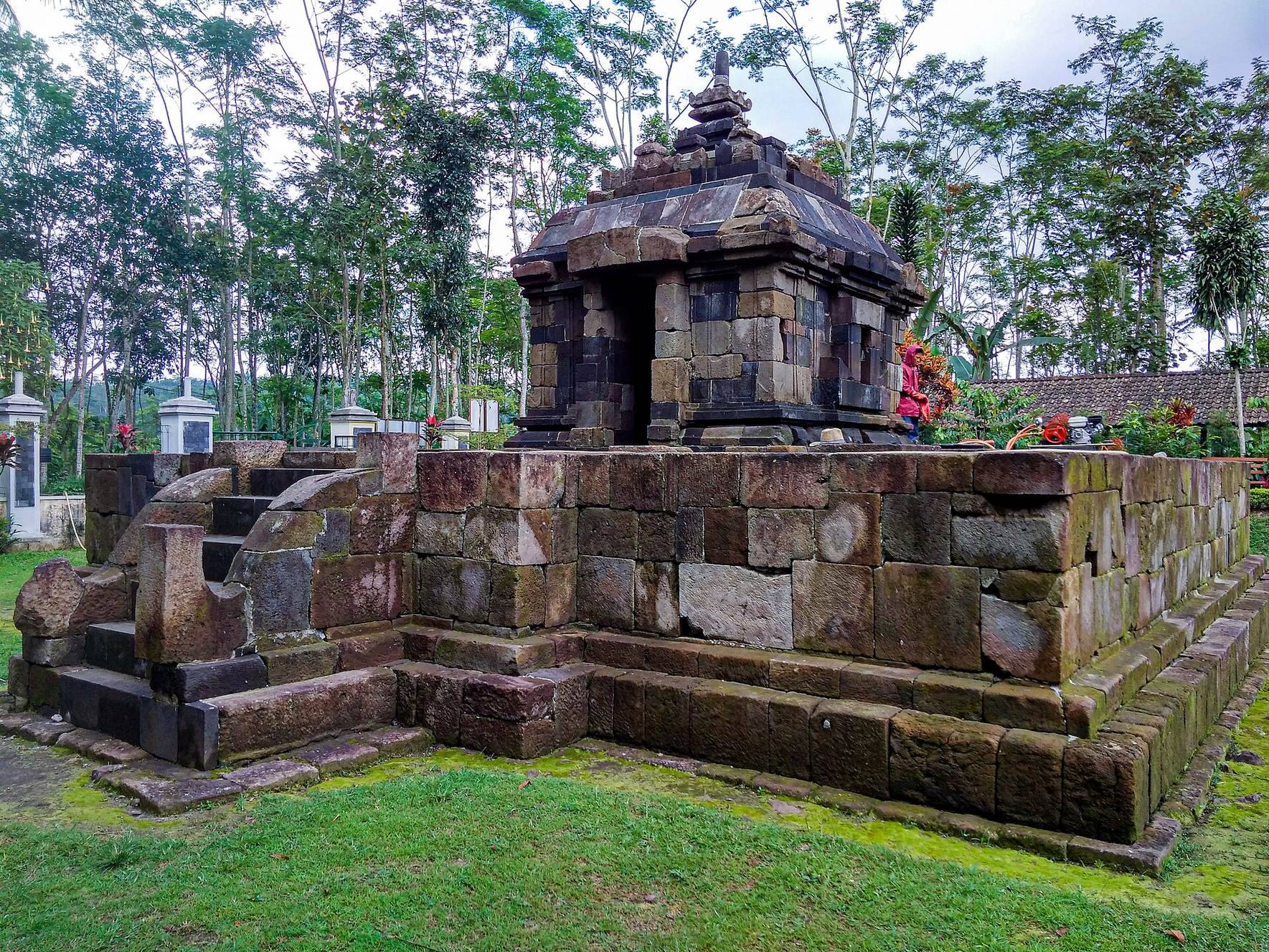
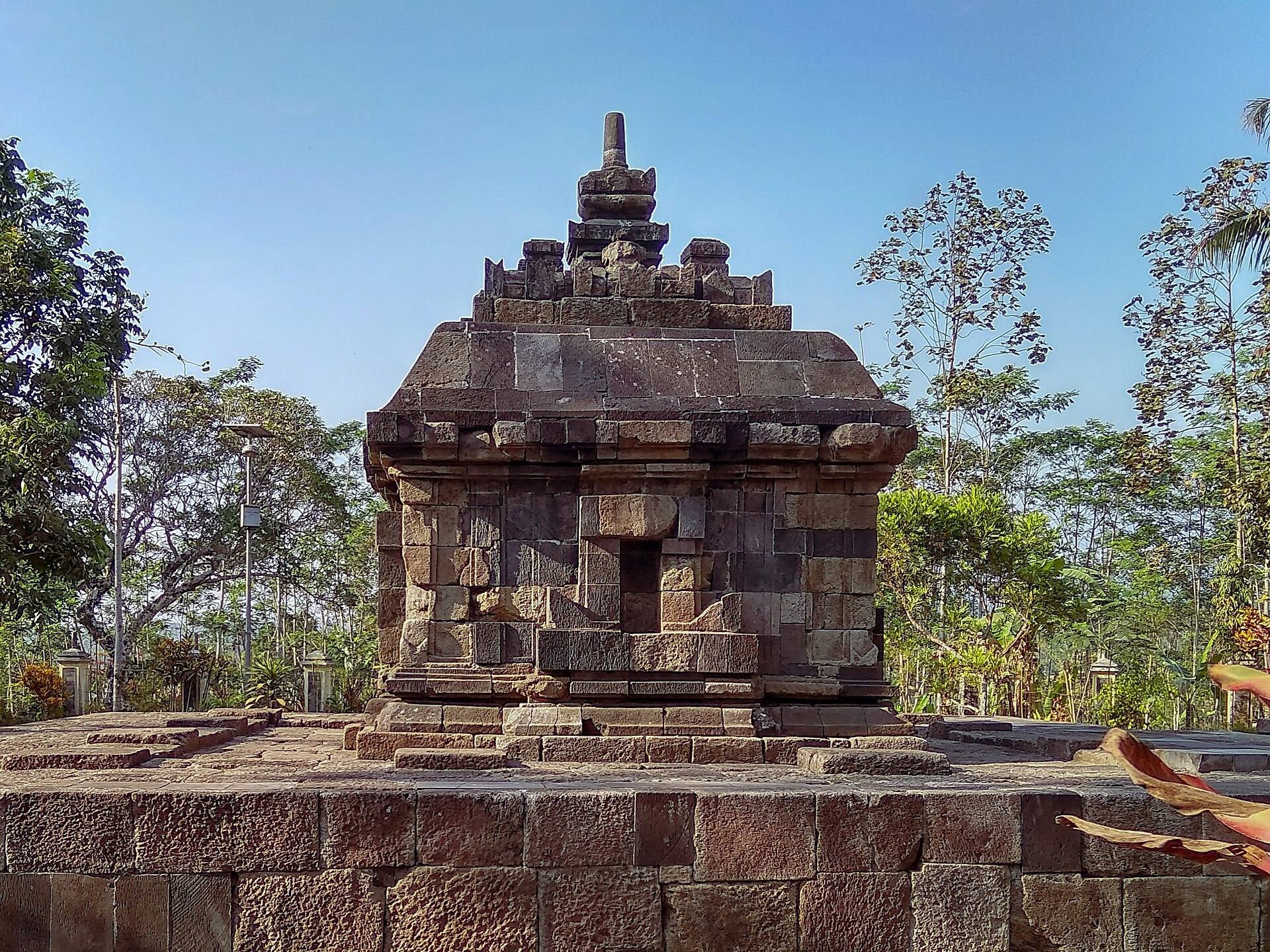
Candi Klero is arranged around one square temple terrace measuring 14 by 14 metres and standing 1.4 metres high. The principal shrine rises from this platform and faces west. Projections around the upper part of the terrace are thought to have supported wooden posts, possibly for an enclosure or railing. The restored site is enclosed by a permanent masonry fence, with another boundary fence separating it from adjacent rice fields and a garden along the temple’s edge.
Terrace and Shrine
Terrace and Entrance
Stairs lead to the terrace and carry makara decorations. A makara is a mythical aquatic creature commonly used around entrances and stairways in South and Southeast Asian religious architecture. The stair decoration appears unfinished. A short, heavily worn inscription in Kawi, the historical script used for many inscriptions in Java and the Indonesian archipelago, is carved into one corner of the terrace wall.
Main Shrine
The shrine has plain walls made from neatly arranged square stones and contains a single inner chamber called a garbhagriha, or Hindu inner sanctum. A large yoni occupies much of the chamber. A yoni represents the generative principle in Hindu symbolism and is often paired with a lingga, the phallic symbol associated with Shiva. The yoni’s spout rests above an ornament depicting a serpent carrying a tortoise. The temple’s simple form has been suggested as a possible indication of considerable age, but its construction date remains uncertain because no inscription recording its construction has been found.
Associated Finds and Boundaries
A statue of Shiva was reportedly discovered at the temple and later removed by archaeological authorities for security reasons. Its present location is not stated. Beside the temple, archaeologists found a stone mortar and pestle known locally as Mbah Lumpang Kentheng, together with several stone fragments. The implements are made of andesite, a volcanic stone widely used for building and sculpture in Java. The surrounding administrative boundaries are Karangduren Village to the north, Cukil and Regunung villages to the east, Tengaran Village to the south, and Butuh Village to the west.