Historic Sites in Hungary: Explore Castles, Roman Remains and Palaces
Explore more than 100 historic sites in Hungary, including hilltop castles, Roman settlements, aristocratic palaces, churches and abbeys. Fortifications make up much of the collection, from towers above the Danube Bend to bastions built for artillery. The examples also include Roman domestic remains at Aquincum, a palace library at Keszthely and a medieval royal crypt beneath Tihany’s later church.
Primary Function: All
Type: All
Civilization: All
Popularity: All
Rating: All

Simontornya Castle developed from a thirteenth-century seigneurial fortification into an Ottoman frontier fortress and Renaissance aristocratic…
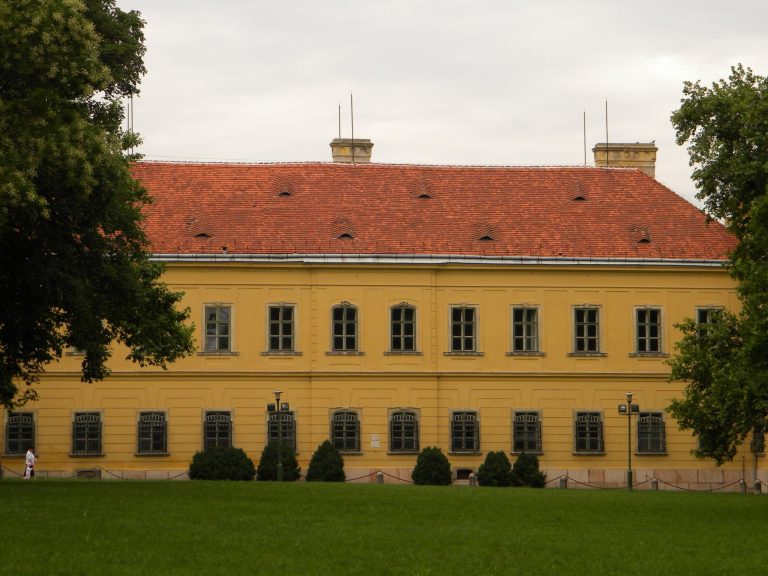
Built for the Esterházy family between 1760 and 1776, Esterházy Mansion in Tata became a setting for imperial visits, military events, royal…
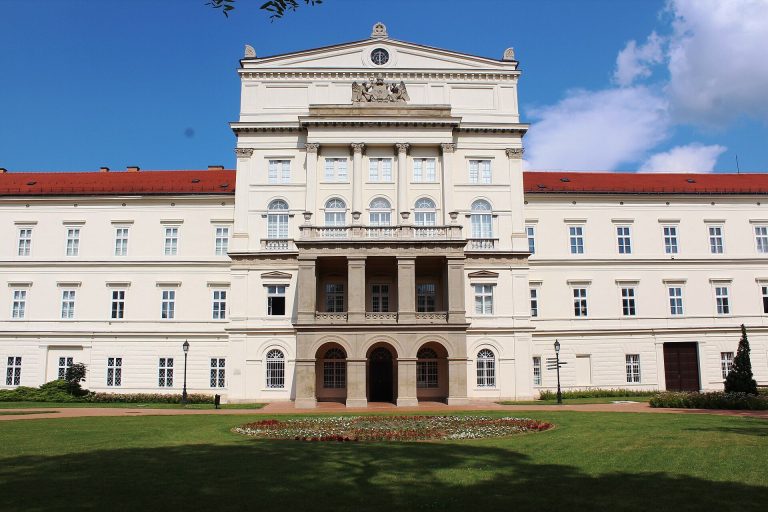
Zirc Abbey is a Cistercian monastery founded in 1182 and rebuilt in the eighteenth century after medieval decline and Ottoman destruction. It later…
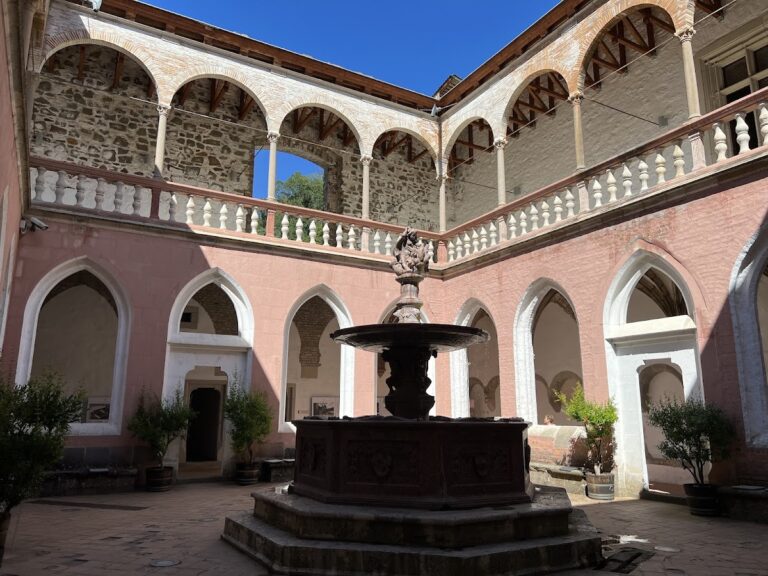
Founded in 1323, the Royal Palace of Visegrád developed under several Hungarian kings into a Gothic and Renaissance court complex beside the Danube.…
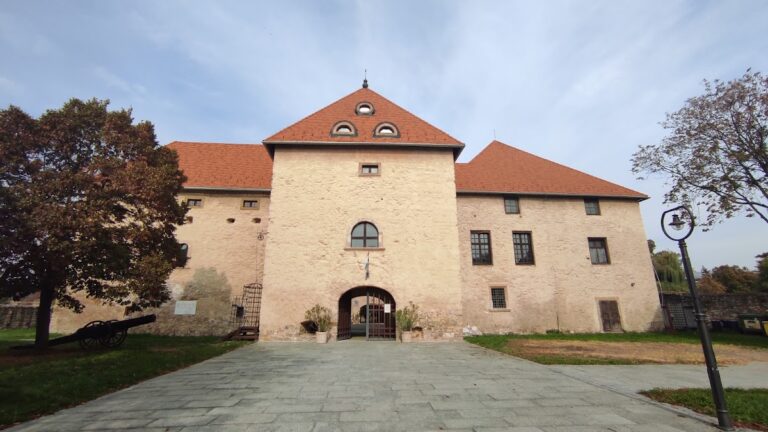
Szerencs Castle developed from a thirteenth-century Benedictine abbey into a sixteenth-century frontier fortress before becoming a residential…
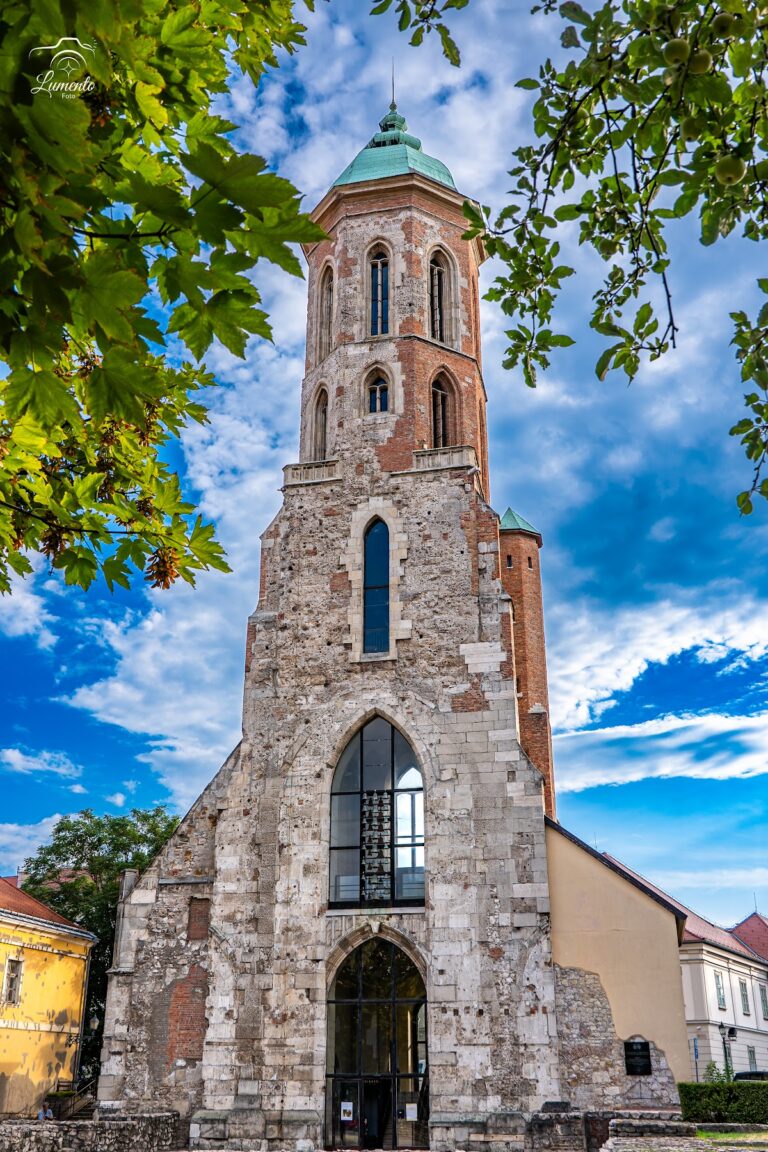
The Church of Saint Mary Magdalene was a medieval Gothic church on Buda’s Castle Hill that served the Hungarian-speaking population. After wartime…
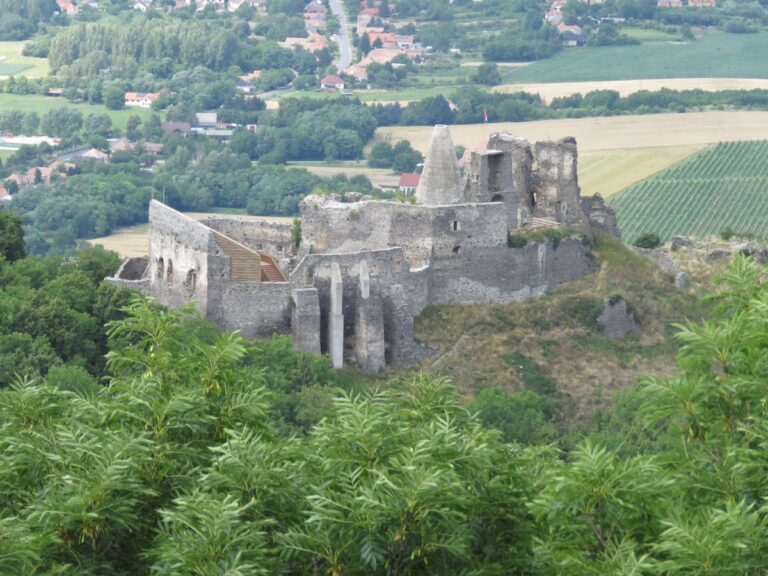
Castle of Somló is a medieval mountain fortress above Doba in western Hungary, transformed into a Renaissance stronghold by Tamás Bakócz and later…
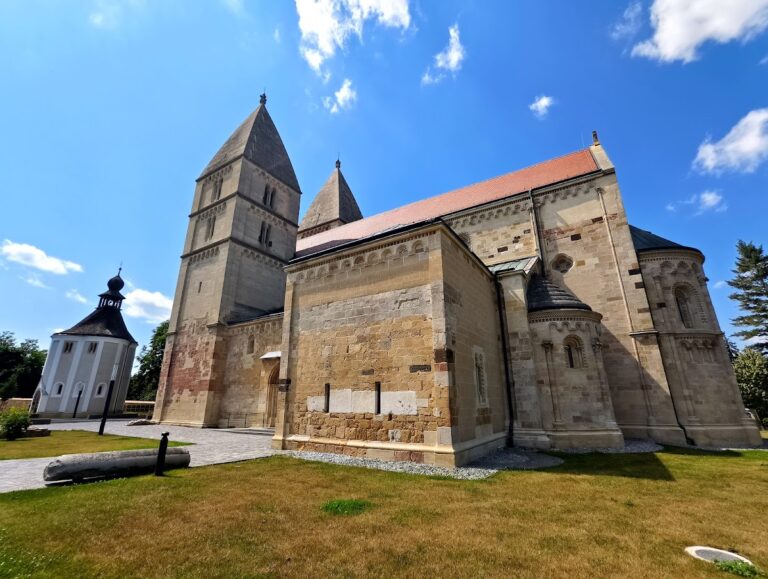
The Abbey Church of St George in Ják is a medieval Benedictine basilica founded around 1220 and consecrated in 1256. Its carved portals, tower…
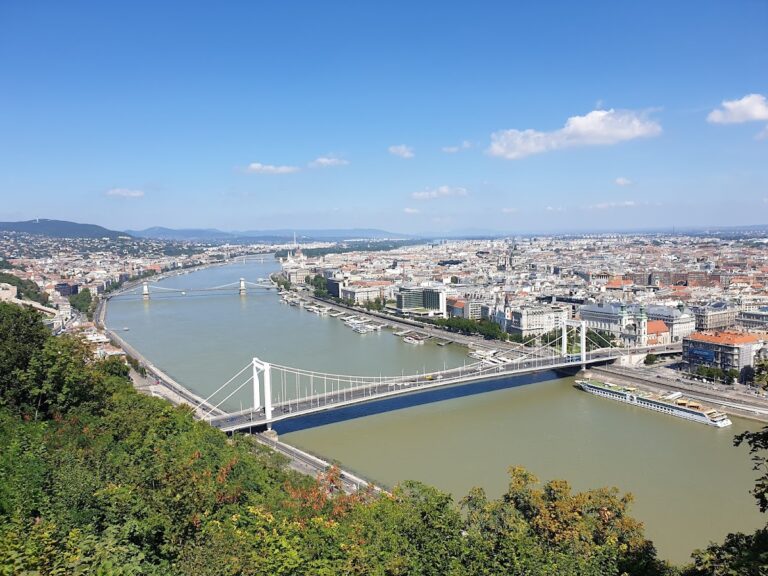
Citadella is a nineteenth-century fortress built after the suppression of the Hungarian Revolution of 1848–1849. Its military role later declined,…
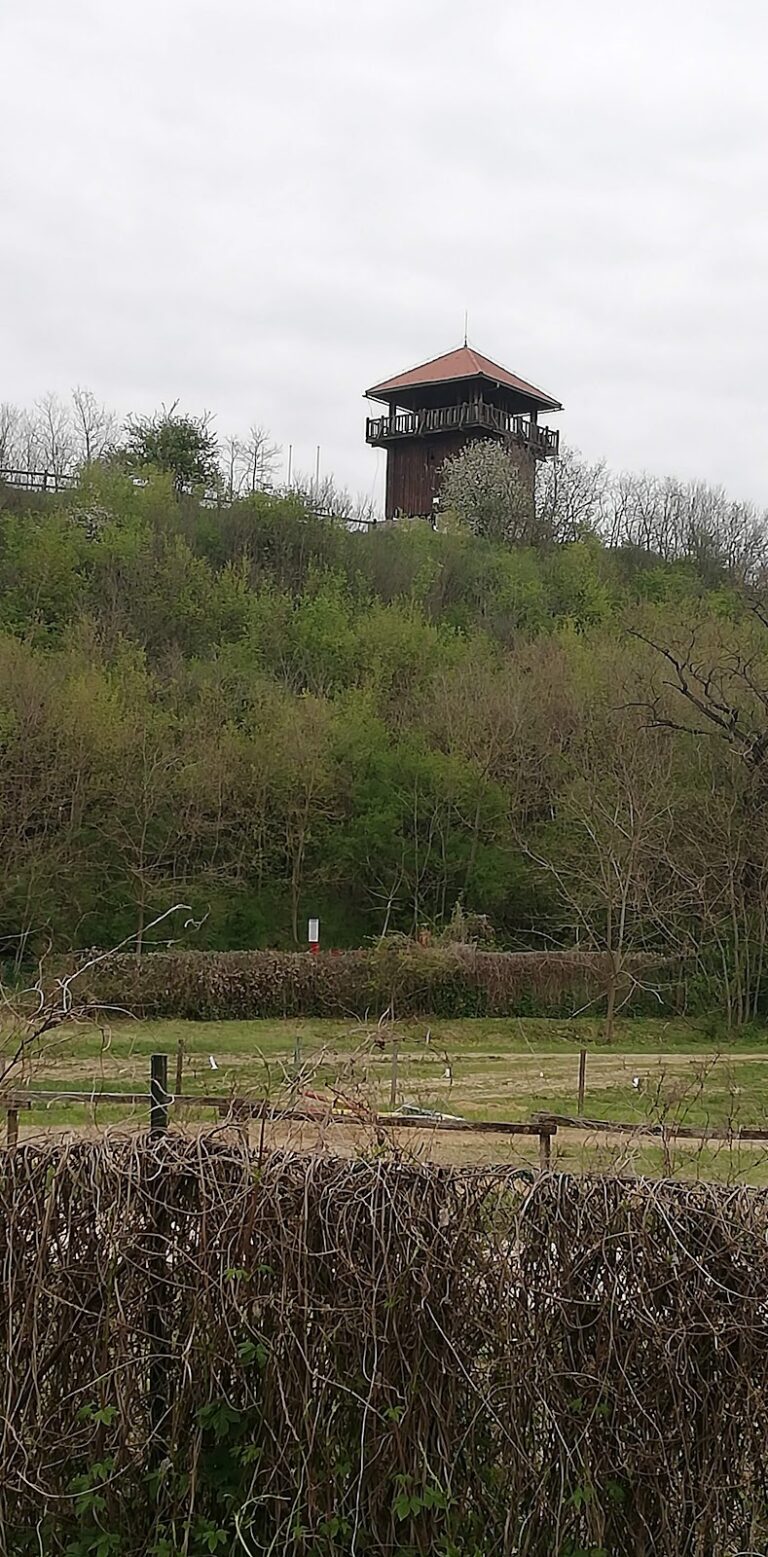
Castle of Solymár is a medieval fortress whose ownership passed among prominent Hungarian noble families before Ottoman-era destruction and…
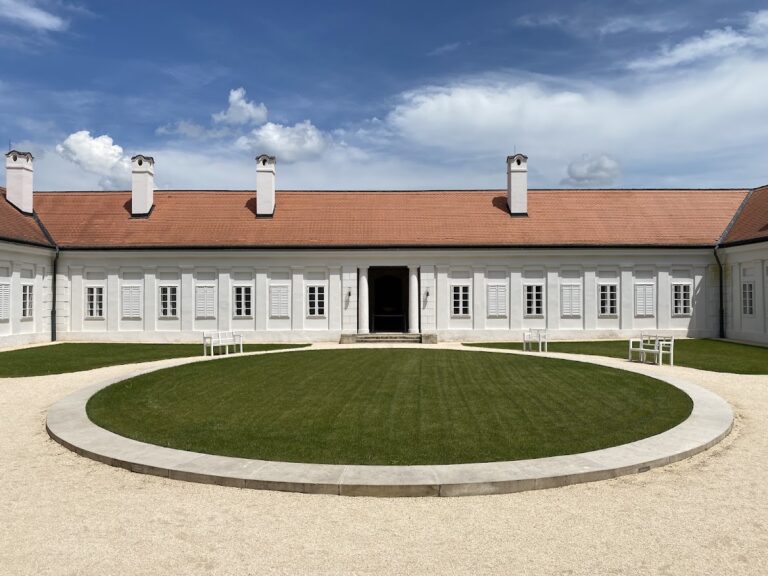
The Sándor-Metternich Mansion in Bajna developed from a fifteenth-century manor into a nineteenth-century palace and country residence of the…

Castle of Kisnána is a medieval fortified estate center in Hungary, associated with the Csobánka, Kompolti, Domoszlay, Országh, and Móré families.…
For details on how to use the maps, which sites are included, how popularity and ratings are determined, and how sites are classified, see the help page.
On this page5 sections
Castles and artillery fortresses
Visegrád Castle extends from the heights above the Danube Bend towards the river. A fortified wall links the upper citadel with the lower castle. The lower complex contains Solomon’s Tower, a thick-walled hexagonal residential tower, while the upper enclosure occupied the rocky summit. The surviving and restored structures preserve a defensive system that controlled the route at more than one level.
The Castle of Eger has an irregular enclosure with inner and outer walls and projecting bastions. The entrance crosses the defences through the Varkoch Bastion, built in the sixteenth century. Nearby, two levels of firing openings pierce the southern inner wall. Its substantial remains and reconstructed sections explain the fortress associated with the defence against the Ottoman army in 1552, including works designed around guns rather than only high medieval walls.
Palaces and historic residences
Festetics Palace at Keszthely began as an eighteenth-century residence and grew through several major extensions. A library wing enlarged the southern side, while nineteenth-century work added northern reception rooms, guest apartments and a tower. Mansard roofs and elaborate dormer windows belong to that later remodelling.
The resulting palace has a broadly U-shaped arrangement, but its additions are not symmetrical in date or purpose. The library developed as part of the family’s educational patronage, while the northern wing accommodated ceremonial and residential needs. Its visible architecture combines the earlier Baroque residence with the larger palace created around it.
Churches and abbeys
Matthias Church in Budapest developed from a medieval basilica into a Gothic hall church, with side aisles raised towards the height of the central nave. Large traceried windows lit the enlarged interior. Extensive nineteenth-century rebuilding replaced much of the stonework and added Neo-Gothic detail to the tower, so its present appearance combines medieval forms with later reconstruction.
Tihany Abbey above Lake Balaton preserves a different relationship between old and new. Its Baroque church stands above the medieval royal crypt associated with Andrew I, who founded the abbey in 1055 and was buried there. The raised sanctuary accommodates that lower chamber. Above it, carved altars, pews, an organ gallery and a decorated pulpit belong to the later church, separating the surviving medieval burial space from the eighteenth-century interior.
Roman settlements and houses
Aquincum occupied the western bank of the Danube in what is now Budapest. It comprised a legionary fortress, the settlement around it and a separate civilian town farther north. These were related but distinct parts of a large Roman centre, rather than a single compact enclosure.
Residential remains include courtyard houses, private baths and evidence of underfloor heating, water supply and drainage. In the wealthier quarter near the governor’s palace, the Hercules Villa preserves mosaics from a decorated residence. Such floors and heating arrangements explain how the domestic buildings worked, while the streets and separate settlement areas show the broader organisation of Aquincum along the frontier.
Explore the collection
Explore sites on the map or in the grid. Map icons indicate each site’s primary function, helping you identify different kinds of places at a glance. Narrow the results by primary function, site type, civilization or era, with additional filters for popularity and rating. Select a map marker to view the site’s details and open its article, or open the article from its grid entry.