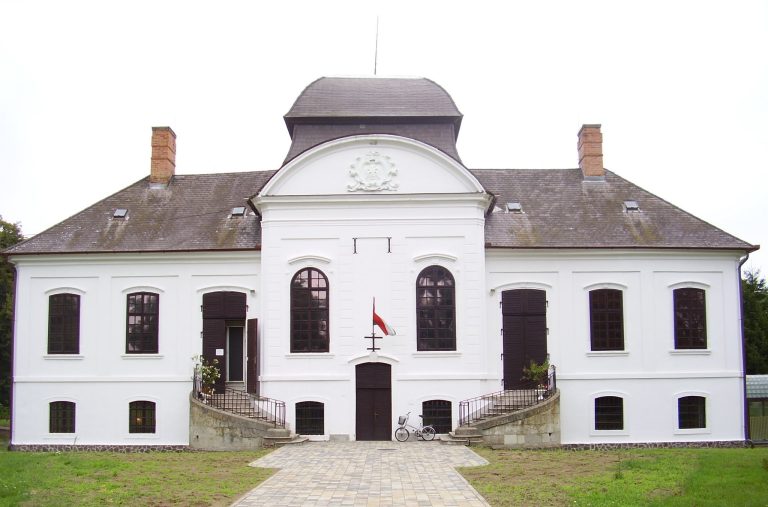
Castle of Kisnána: A Medieval Aristocratic Residence and Castle Museum in Hungary
Site at a Glance
- Rating
- 4.7
- Popularity
- Medium
- Country
- Hungary
- Primary era
- Medieval
- External website
- Open
- Eras represented
- Medieval, Modern
- Civilizations
- Hungarian
- Site type
- Military
- Remains
- Castle
On this page11 sections
History
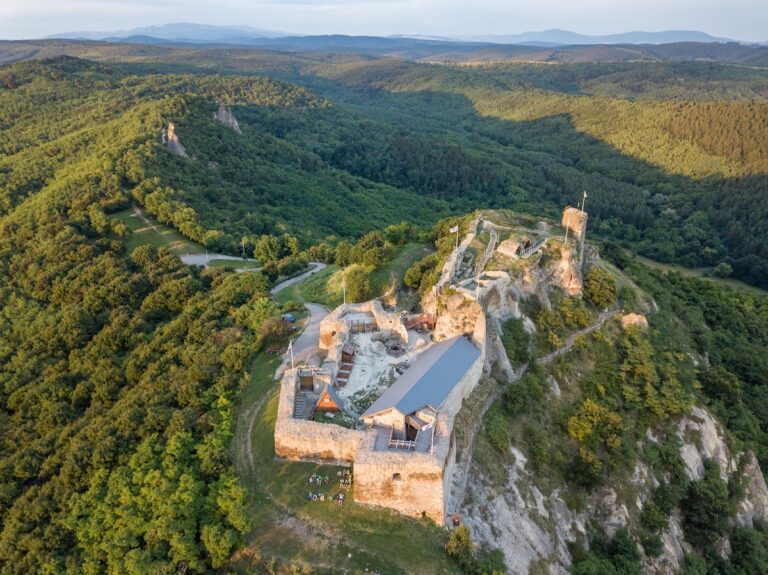
Castle of Kisnána is a medieval fortified complex in Kisnána, Hungary, built during the eleventh or twelfth century as an aristocratic estate center and residence. Its exact construction date is unknown, and tradition identifies the Csobánka family of the Aba kindred, a medieval Hungarian noble lineage, as its builders. The castle was not among Hungary’s major fortresses, but an outer defensive wall was added soon after the original fortification. Today, the remains form a partially reconstructed historic monument and castle-museum complex beside Kisnána, regarded as one of the notable surviving late-medieval aristocratic residences of the Mátra region.
The Csobánka and Kompolti estates
Pál Csobánka was the first known owner. After the Árpád dynasty, Hungary’s first ruling dynasty, ended in 1301, Pál opposed Charles Robert, also known as Charles I of Hungary, during the resulting succession crisis. He lost the estate, which was granted to Péter Kompolti in 1312.
After Péter Kompolti died, his son Gergely inherited the entire estate in 1325 and changed the family name from Nána to Domoszlay. In 1415, Sigismund, the medieval king of Hungary and later Holy Roman Emperor, granted the estate to László, the son of Mihály Domoszlay. The charter named him László Kompolti and confirmed the family’s ownership of the castle. Later, a mutual inheritance agreement transferred the castle to the Guthy Országh family. Other recorded holders included Miklós Kompolti in 1468 and the Nyári, Vámossy, Vay, and Károlyi families in later centuries.
The Móré period and Ottoman destruction
In 1543, before the death of its official owner, László Országh, the castle was given to his relative László Móré. Móré repeatedly raided Ottoman-held areas, robbing and killing merchants. Ottoman forces consequently occupied Kisnána during the sixteenth-century Ottoman wars in Hungary. They considered the castle unnecessary for their military purposes and left it in ruins during the 1560s. The site was later abandoned and destroyed during the Ottoman period, with abandonment also recorded in 1596.
Local tradition says that László Móré buried stolen wealth, treasure, and jewelry inside the castle before its destruction. No conclusive evidence of the supposed treasure has been found, so the story remains a popular legend rather than an established event.
After destruction and modern conservation
The castle was not rebuilt after its destruction. In the post-Ottoman period, it passed through the hands of owners who did not live there, while local inhabitants removed stone from the ruins for building material. The succession of holders included Pál Nyári in 1606, István Vámossy in 1648, Ádám Vay in 1693, the Nyári family in 1742, and the Károlyi family in 1800.
Around 1940, the Levente youth organization of the municipality of Nána, a Hungarian interwar movement whose activities included physical and military-style training, created a training ground among the ruins and excavated the interior of the Gothic castle church. Some structural conservation followed in the mid-twentieth century. Restoration began in 1962, and a comprehensive renovation during the 2010s created the present restored complex, which includes a museum.
Remains
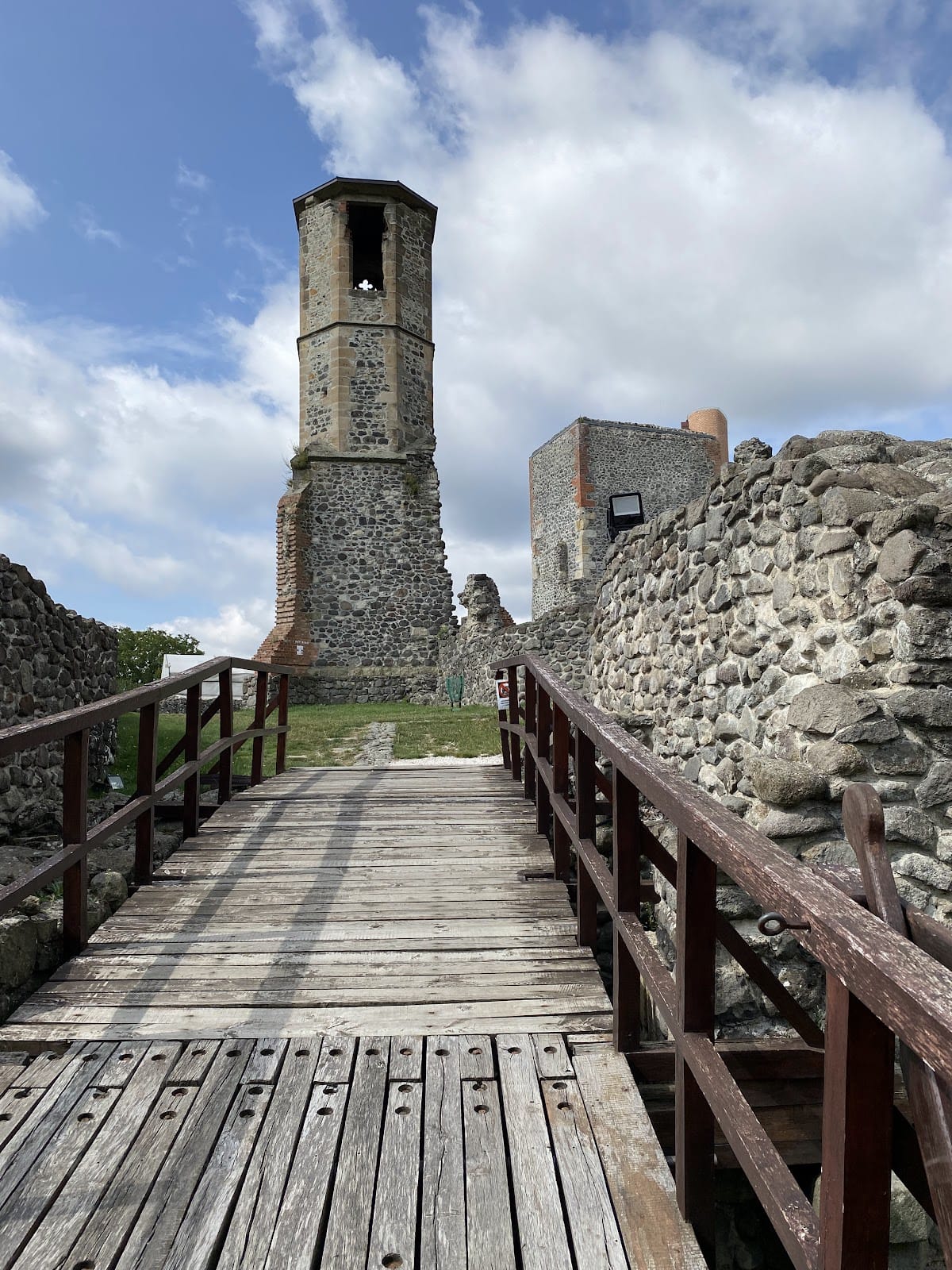
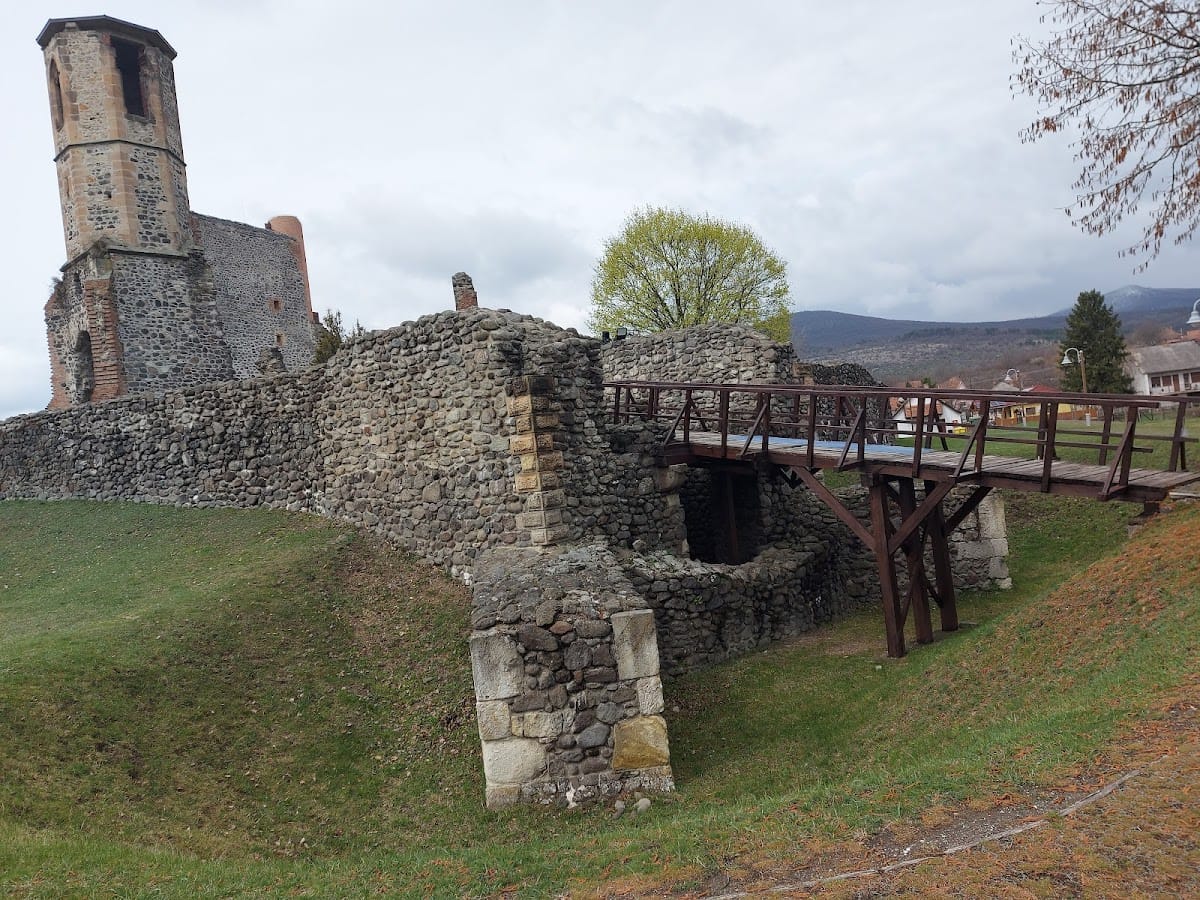
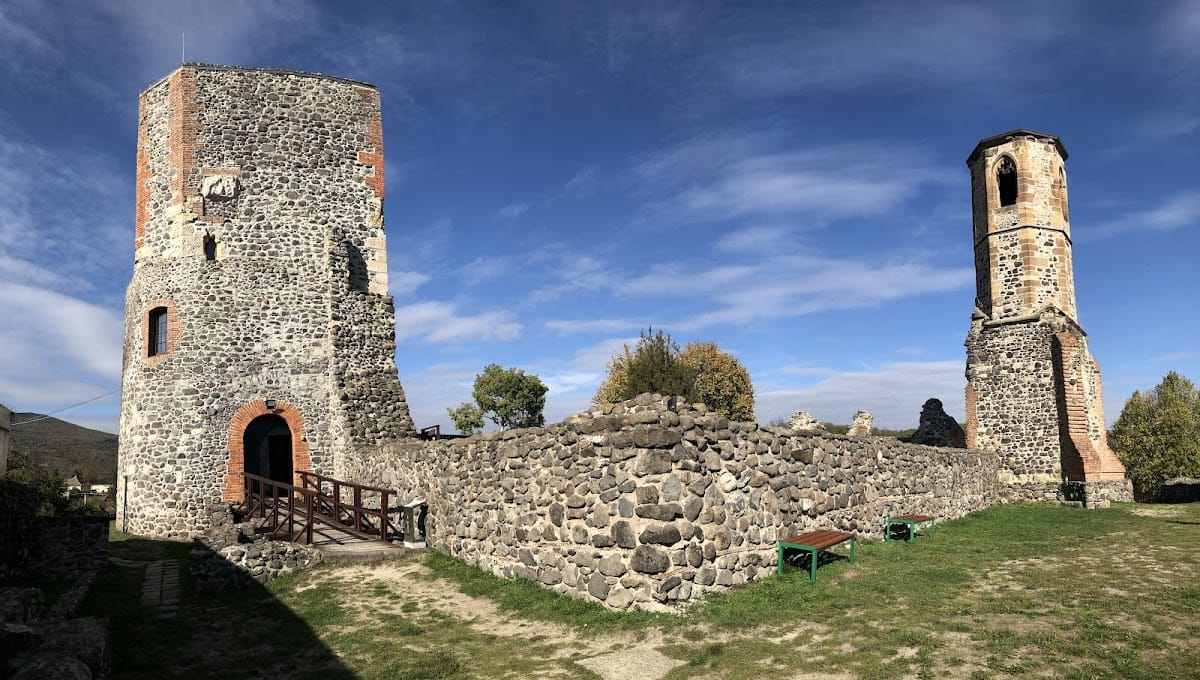
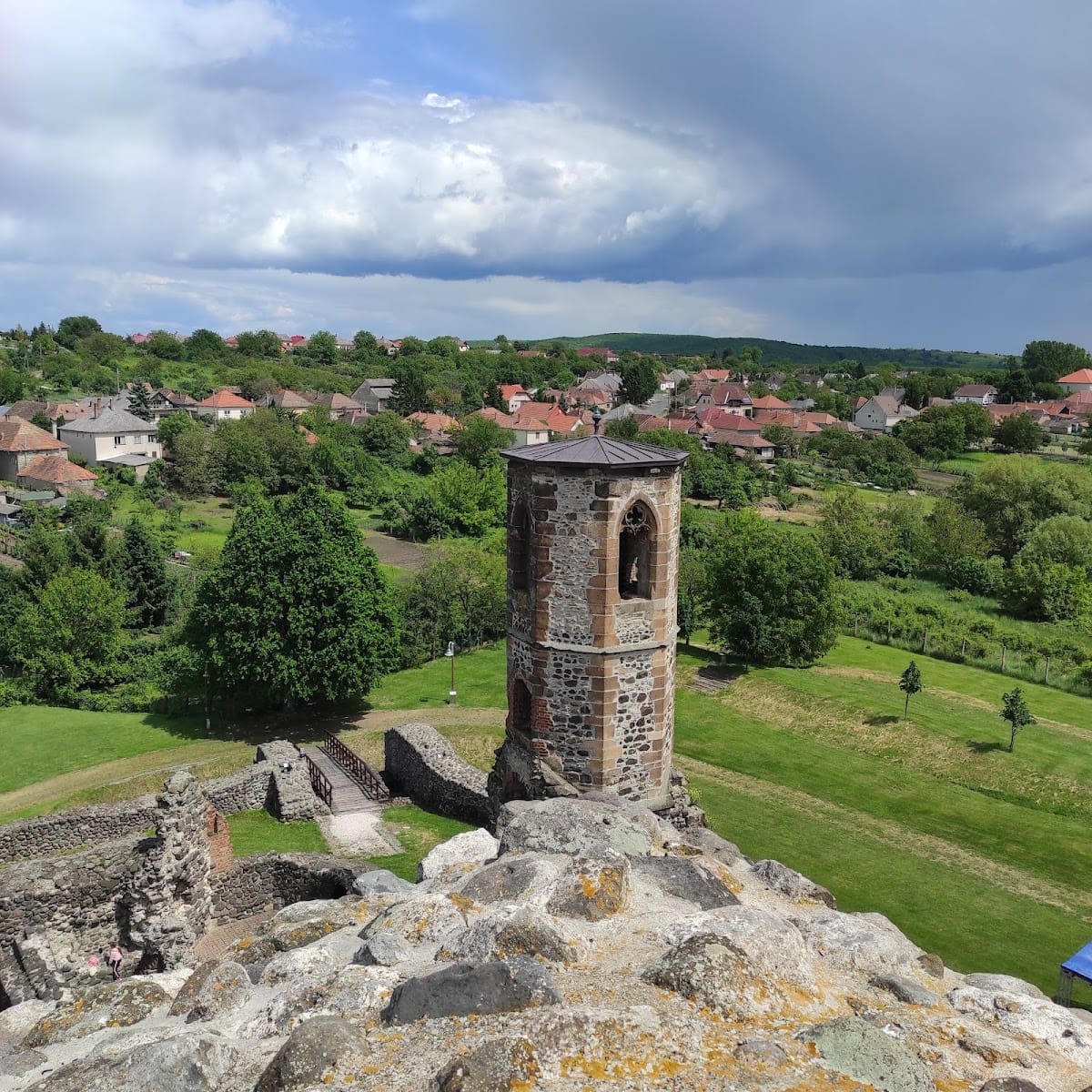
Castle of Kisnána survives as a stone-built fortified complex of ruined and partially reconstructed walls. The original fortification was enclosed by an outer defensive wall added soon after the castle was built. Within the complex, the surviving structures include the Gothic castle church, the Old Tower, and reconstructed areas used for museum displays. A restored Slovak peasant house at the foot of the castle forms part of the wider heritage complex.
Fortifications and castle church
Outer defensive wall
The outer defensive wall surrounded the original fortification and belongs to the early development of the castle. Its surviving masonry contributes to the enclosure of the ruin complex, where preserved walls stand alongside reconstructed sections.
Gothic castle church
The Gothic castle church stands within the fortified complex. Gothic architecture was a medieval style associated with pointed arches, ribbed vaults, and strong vertical emphasis. Around 1940, the church interior was excavated, exposing part of the structure within the ruins.
Tower and later heritage buildings
Old Tower
The Old Tower contains exhibition rooms. A viewing terrace was created at its top during the comprehensive renovation of the 2010s, and the tower now forms part of the museum presentation within the restored complex.
Slovak peasant house
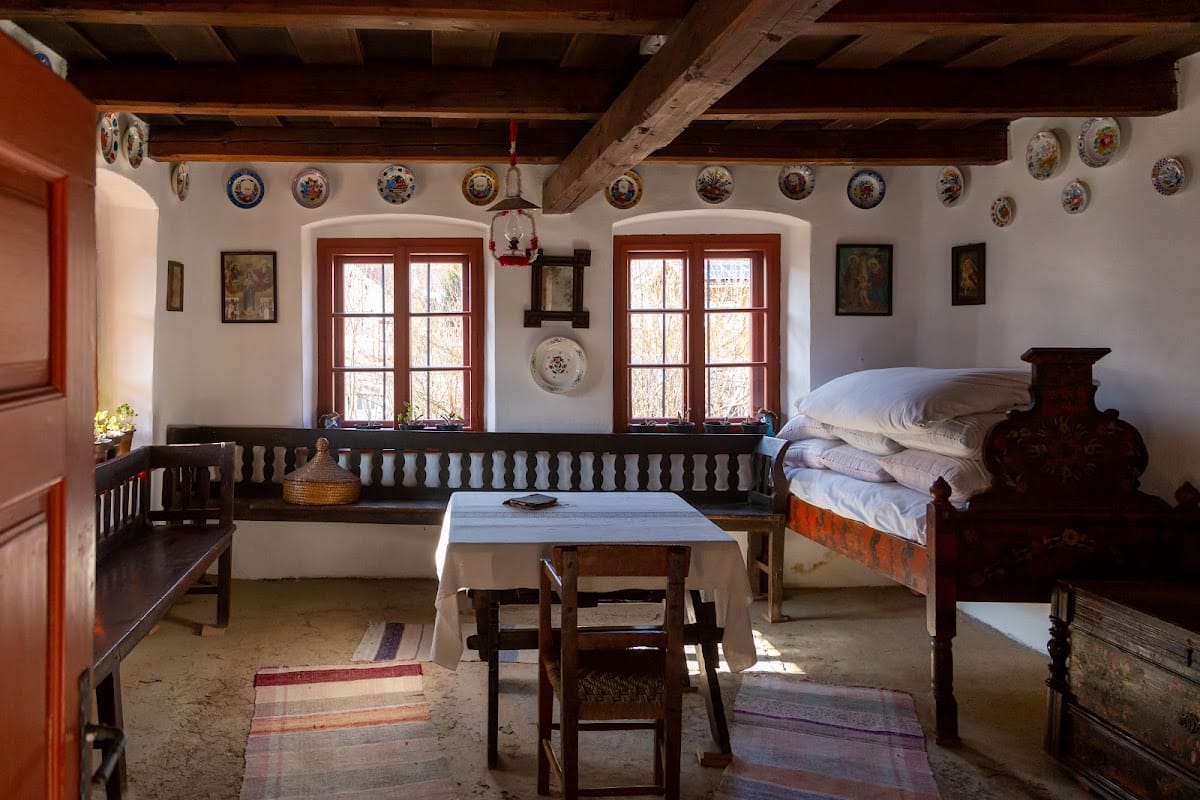
A Slovak peasant house was built at the foot of the castle between 1880 and 1890 and restored in 1971. It operates as a local heritage house, with furnishings presenting peasant life of that period.