Visegrád Castle: A Medieval Fortress Above the Danube in Hungary
Site at a Glance
- Rating
- 4.6
- Popularity
- High
- Country
- Hungary
- Primary era
- Medieval
- External website
- Open
- Eras represented
- Medieval
- Civilizations
- Hungarian
- Site type
- Military
- Remains
- Castle
On this page9 sections
History
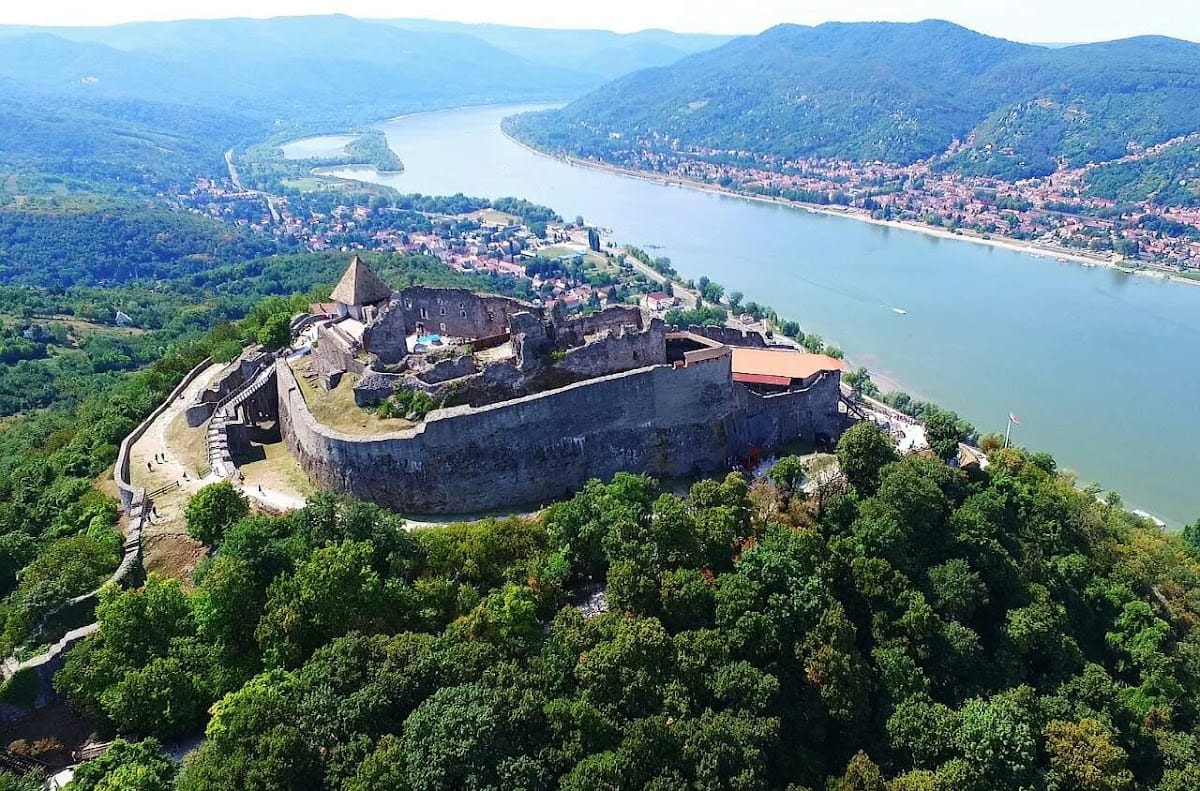
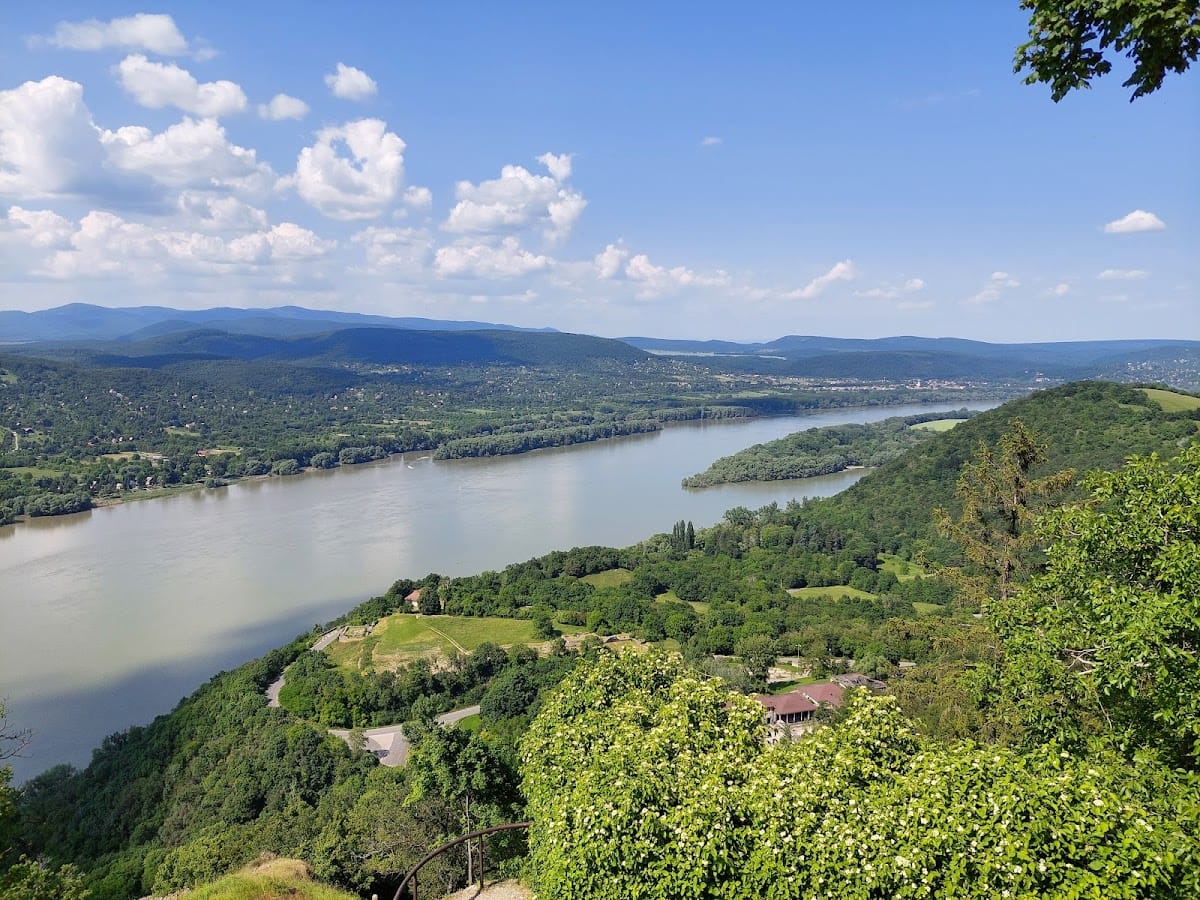
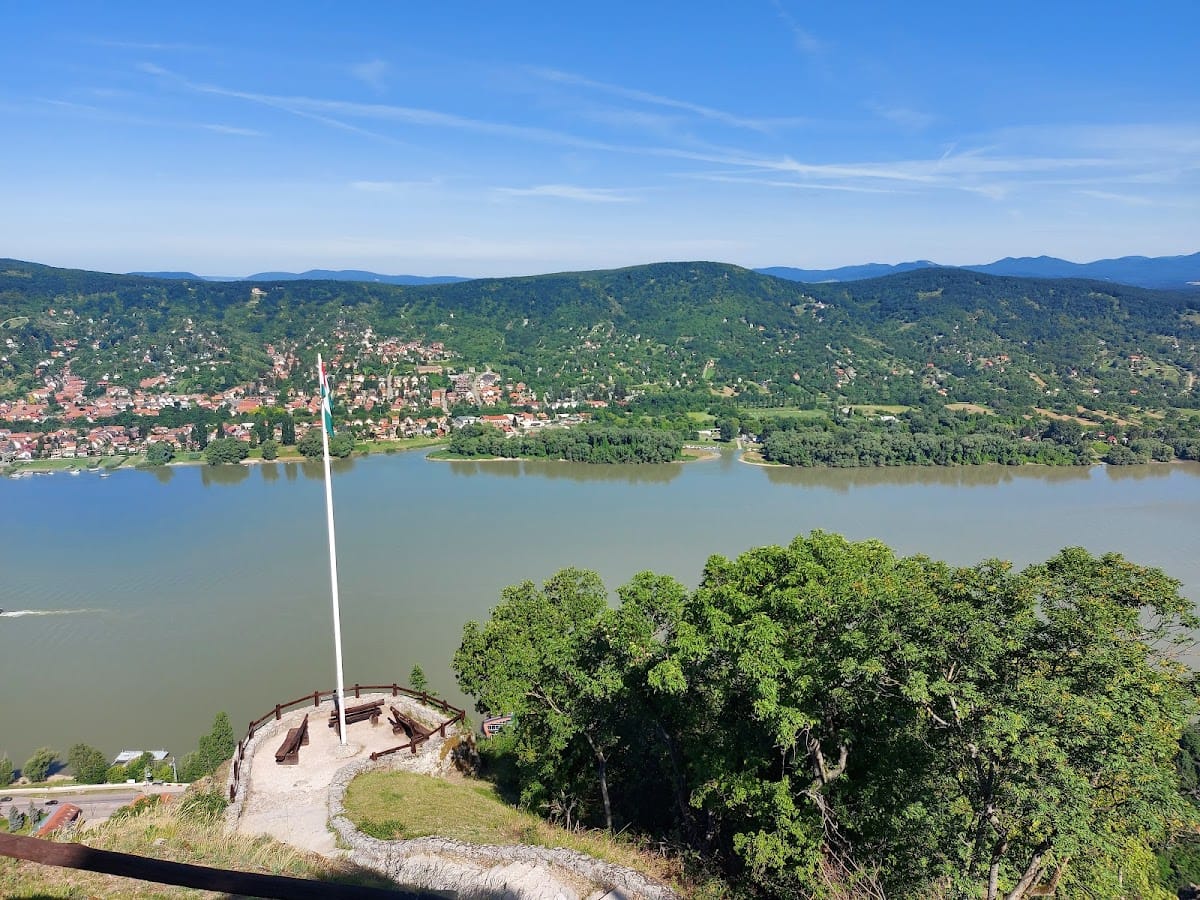
Visegrád Castle is a medieval Hungarian fortress above Visegrád in Hungary, built around 1246–1251 after an earlier county castle was destroyed during the Mongol invasion of 1241–1242. Standing at the bend of the Danube, it controlled the route through the Danube gorge and became an important royal, political, and military centre.
Construction under Béla IV
King Béla IV, the thirteenth-century Hungarian ruler whose reign included the Mongol invasion and a major strengthening of fortifications, built the thick-walled upper and lower castle complex. Stones from the ruined county castle were reused in the construction of the hexagonal residential tower later known as Solomon’s Tower.
At the same time, Queen Maria Laskarina fortified the high rocky summit with money from the sale of her jewelry. A defensive wall followed the steep hillside between the summit and the lower fortress, continuing down toward the waterside castle on the Danube. Together, these sections formed a linked defensive system.
Royal power and civil war
Visegrád retained political and military importance as the medieval complex developed. During the civil wars of the early fourteenth century, the forces of Matthew Csák, a powerful Hungarian magnate who controlled extensive territory, occupied the castle. Charles I of Hungary, the Angevin king who restored royal authority after the conflict, recovered it through a siege.
Later, a more comfortable royal palace was built beside the Danube. The older stone fortress then served mainly as a garrison, meaning a place occupied by stationed soldiers. Visegrád nevertheless remained associated with the Hungarian crown. During the reign of Sigismund of Luxembourg, the historic crown was kept in the pentagonal old tower of the upper castle. In 1440, the court lady Ilona Kottaner stole it on the orders of the widowed Queen Elizabeth.
Ottoman attacks and destruction
After the Ottoman capture of Buda in the sixteenth century, Ottoman armies turned against Visegrád. Their first siege came in 1544 and severely damaged Solomon’s Tower. Over the next 150 years, the increasingly ruined complex changed hands several times.
The final destruction took place during the Ottoman siege of 1685. The opposing troops soon withdrew to defend the more strategically important Castle of Buda. In later centuries, natural forces and the removal of stone for building accelerated the deterioration of the ruins. The remains of the former royal palace were demolished in the eighteenth century, and the palace site was eventually forgotten.
Excavation and restoration
Excavations had begun before the modern conservation campaign, but monument-protection restoration of Visegrád Castle started in the 1960s. The work has continued over the long term because of the castle’s place in Hungarian history. From 2017, renovation proceeded through Hungary’s National Castle Program, and parts of the complex are restored or undergoing reconstruction.
Remains
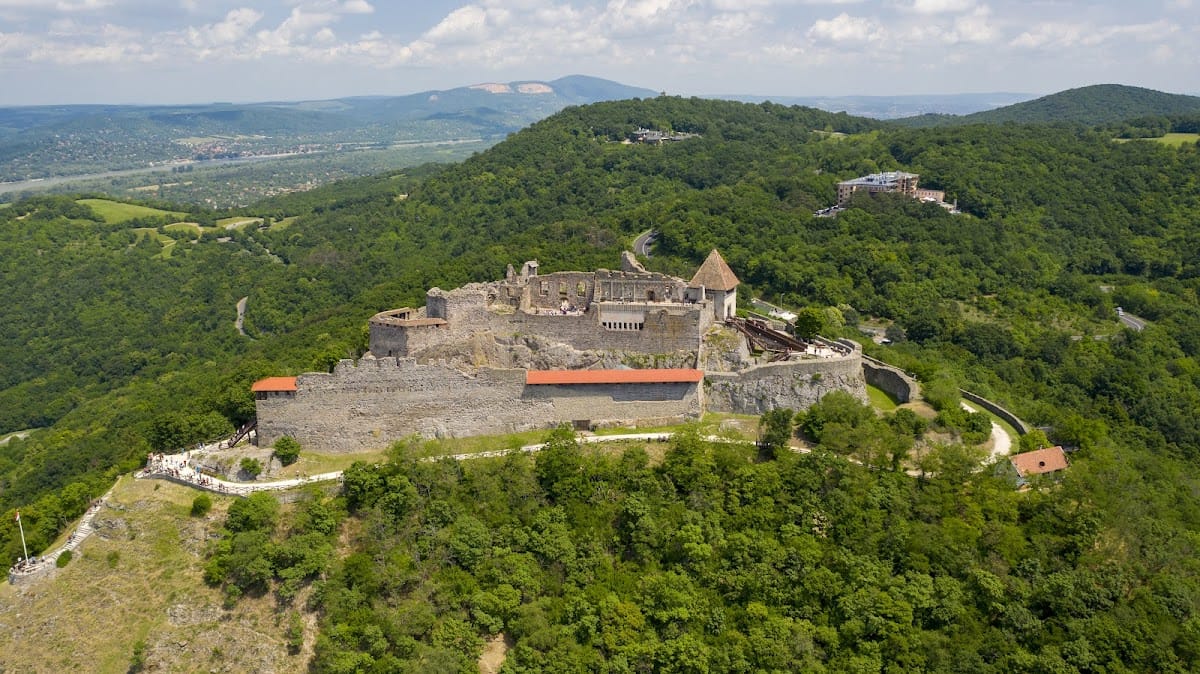
Visegrád Castle extends from a 328-metre-high rocky summit in the Visegrád Hills down to the Danube. Its surviving layout is organized into two principal sections, the lower castle and the upper castle, also called the citadel. A fortified wall along the steep hillside connects them and continues toward the waterside castle, creating a defensive link from the summit to the river.
Lower castle
The lower castle includes areas beside Main Road 11 and contains Solomon’s Tower, a thick-walled, hexagonal residential tower built of stone taken from the earlier county castle. The tower belongs to the lower castle area and was severely damaged in the Ottoman siege of 1544. Its present condition reflects the wider effects of deterioration, archaeological investigation, restoration, and reconstruction.
Upper castle and citadel
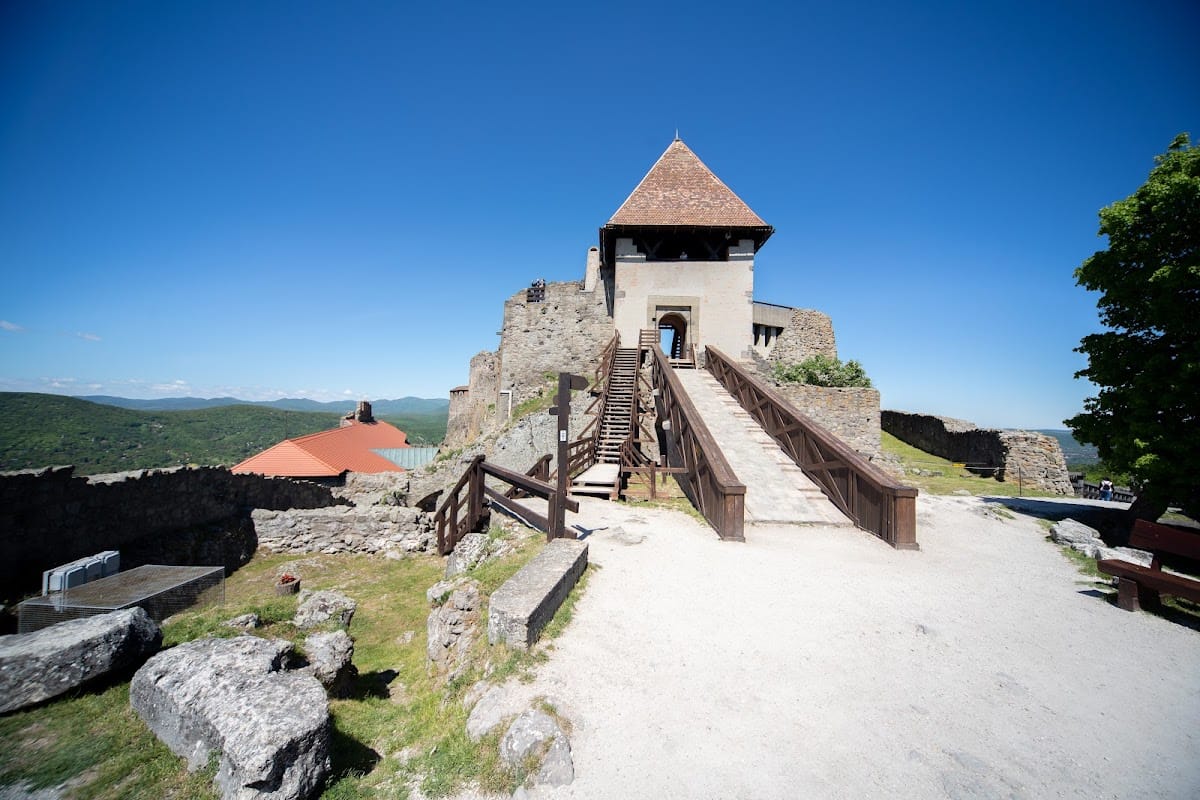
The upper castle occupies the rocky summit and forms the citadel, the strongly fortified upper part of a larger defensive complex. Its pentagonal old tower is associated with the historical custody of the Hungarian Holy Crown during the reign of Sigismund of Luxembourg. The citadel’s surviving stone structures and restored or reconstructed elements present the upper defensive section as part of the connected castle system.
Exhibitions within the citadel
The citadel contains displays that interpret the castle’s history and physical organization. They include a model-based reconstruction of the fortification system, a replica of the Holy Crown, a waxwork display with lifelike figures, and exhibitions devoted to hunting, fishing, and farming.