Historic Sites in Belgium: Explore Castles, Cathedrals and Abbeys
Explore more than 300 historic sites in Belgium, including urban castles, river fortresses, cathedrals, abbeys and royal palaces. Their surviving structures include keeps enclosed by waterways, artillery positions spread across hillsides and church interiors built in successive Romanesque and Gothic campaigns. The examples below cover Ghent, the Semois and Meuse valleys, Tournai, Orval and Brussels.
Primary Function: All
Type: All
Civilization: All
Popularity: All
Rating: All
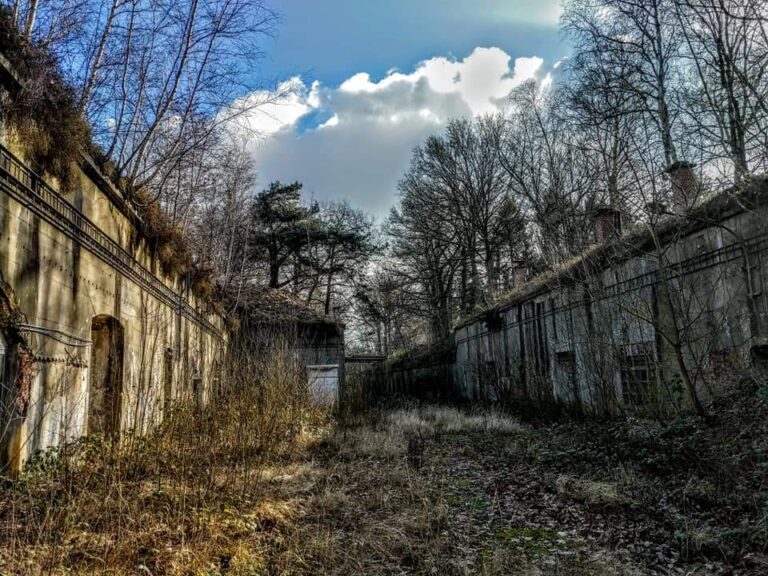
Fort van Schoten formed part of Antwerp’s outer ring of forts, protecting canal and road approaches from the late nineteenth century. Its moat and…
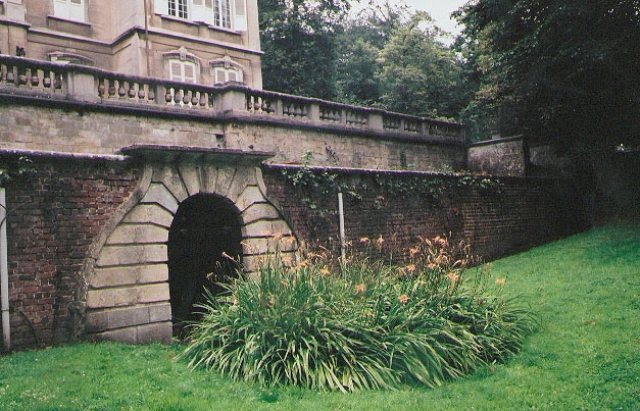
Kasteel d'Overschie in Grimbergen developed from Norbertine abbey land and became a country estate shaped by quarrying, aristocratic ownership,…
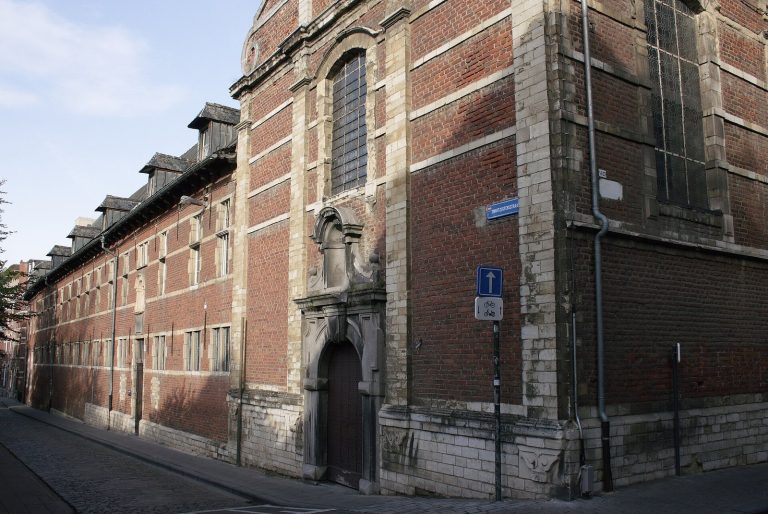
Founded in 1438, the Monastery of Zwartzusters in Leuven served as an Augustinian nursing community and later became a student residence owned by KU…
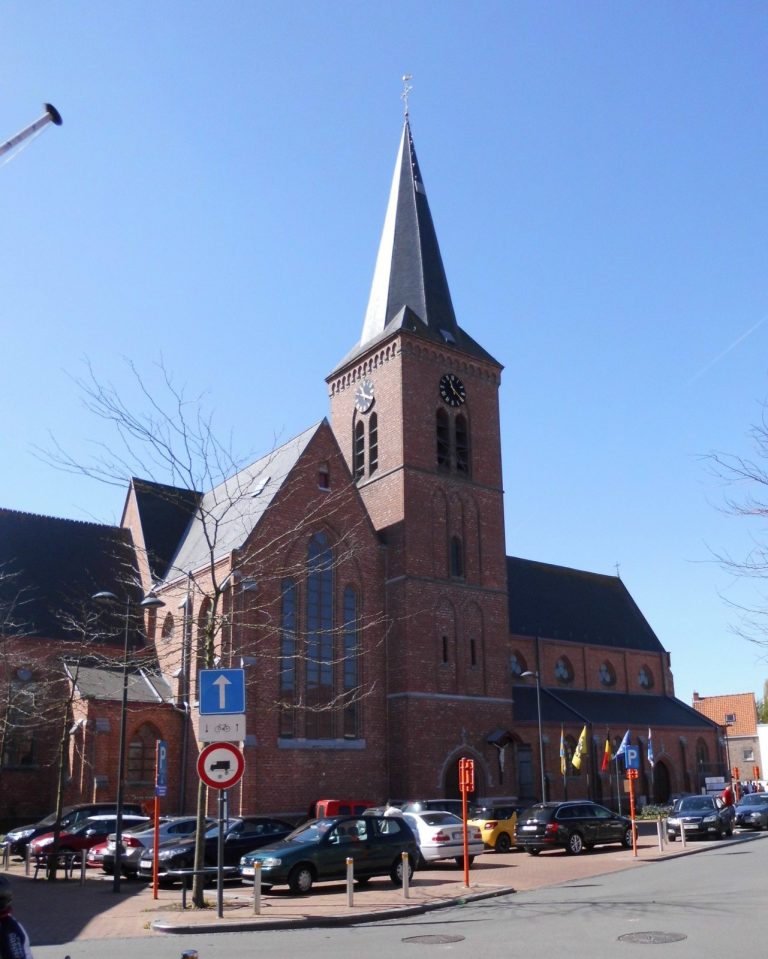
Sint-Pieterskerk in Hulste, Harelbeke, developed from a medieval church traditionally founded in the eleventh century. Its present Neo-Gothic…
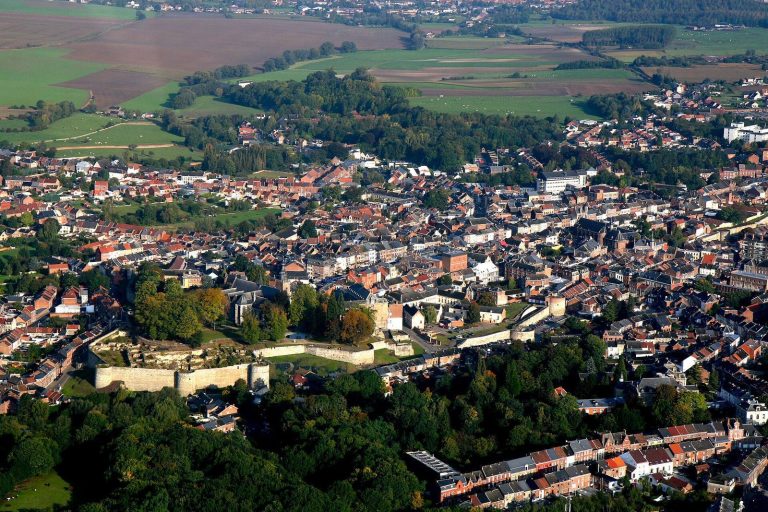
Binche Palace was a sixteenth-century Renaissance residence built for Mary of Hungary, governor of the Netherlands. It replaced a medieval castle and…
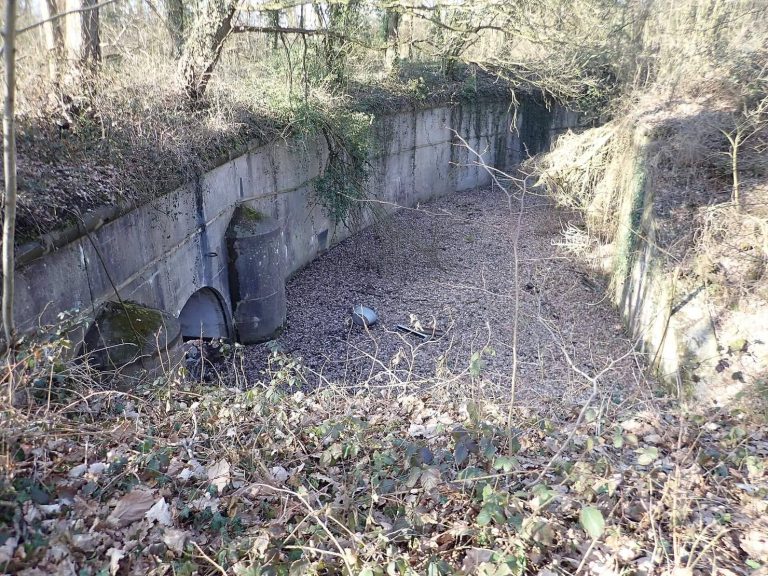
Fort d'Andoy was a late-nineteenth-century Belgian fort that defended Namur in both world wars and was modernized during the interwar period. Its…
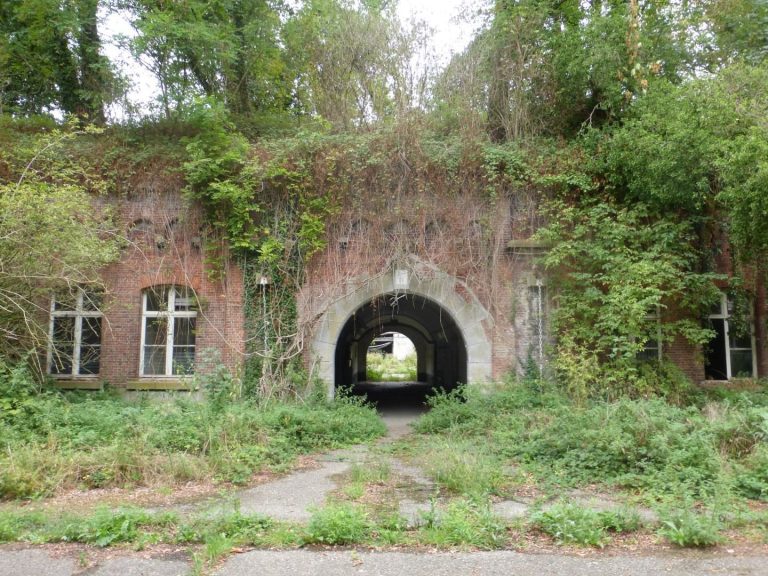
Fort van Zwijndrecht is a five-sided fortress built between 1870 and 1880 as part of Antwerp’s defensive system. Modernized in 1912, it later served…
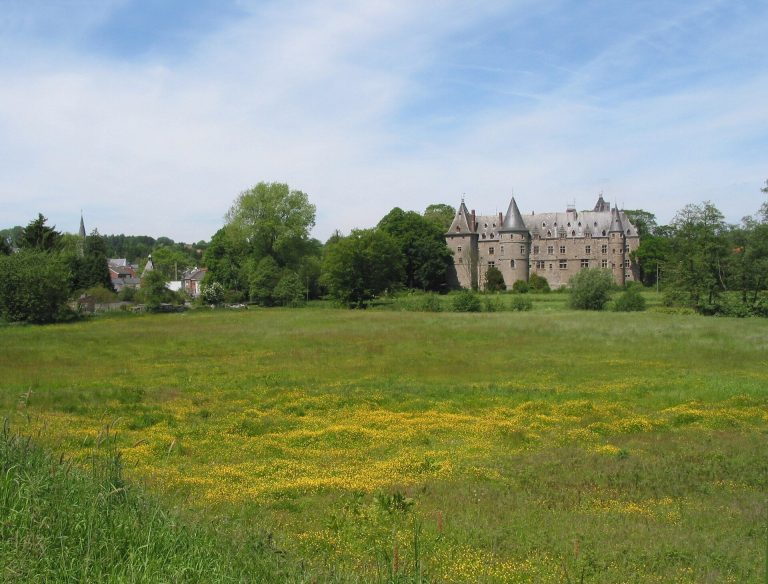
Ham-sur-Heure Castle in Wallonia developed through medieval ownership changes, repeated rebuilding, and a major nineteenth-century restoration. Since…
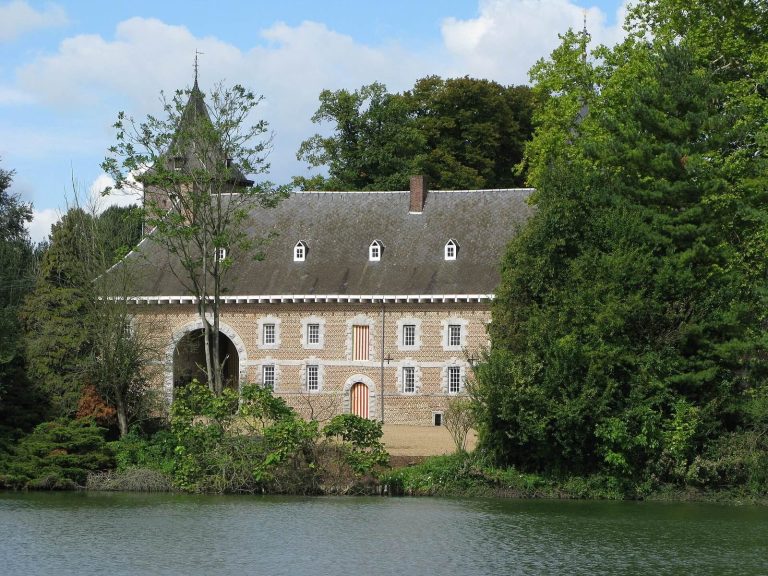
Kasteel van 's Herenelderen is a protected moated castle in Belgium, associated with the Van Hamal and Van Renesse van Elderen families and shaped by…
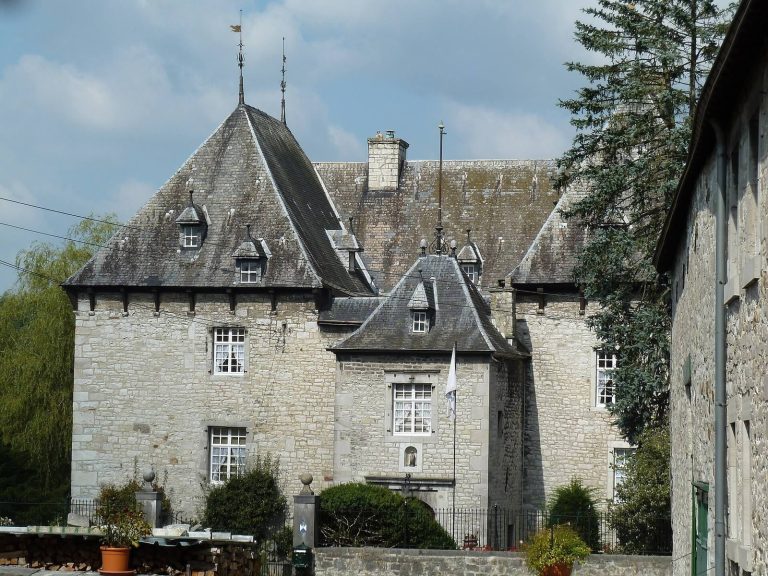
Castle Amstenrath in Eynatten developed from a fourteenth-century fortified manor into the seat of the lordship of Eynatten and Hauset. Its…
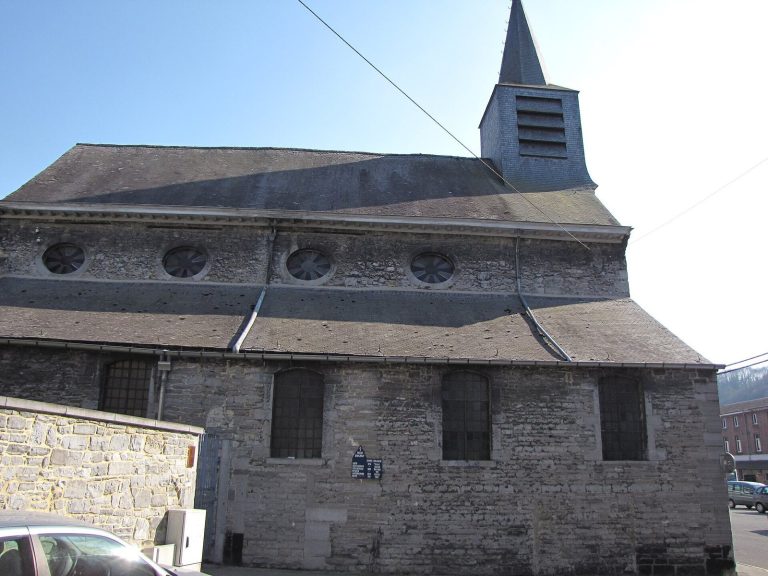
Église Saint-Georges de Leffe is a medieval church in Dinant whose Romanesque and Gothic evidence survives alongside extensive classical alterations…
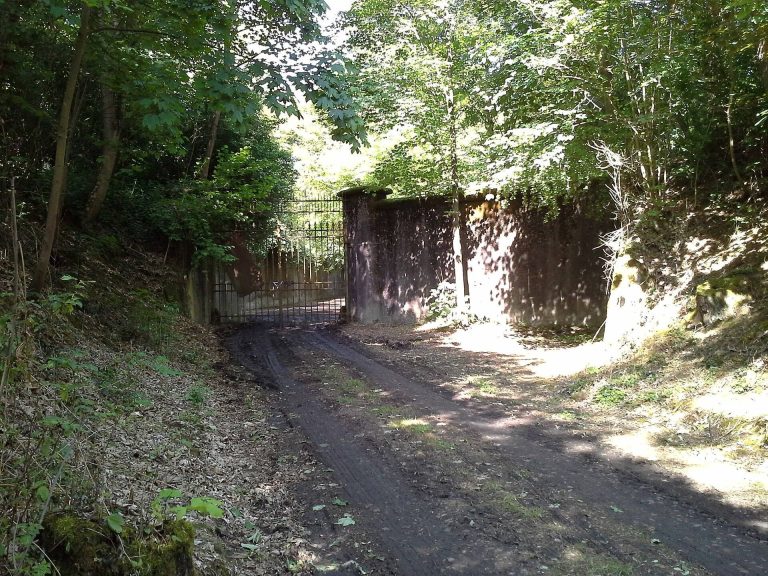
Fort de Cognelée was a late-nineteenth-century Belgian fortress north of Namur, designed by Henri Alexis Brialmont and heavily engaged during the…
For details on how to use the maps, which sites are included, how popularity and ratings are determined, and how sites are classified, see the help page.
On this page5 sections
Castles and river strongholds
Gravensteen in Ghent developed as a residence of the counts of Flanders. The principal enclosure dates from Philip of Alsace’s rebuilding in 1180, around an earlier stone residence. A gatehouse, surrounding wall and central keep occupy a raised site associated with the city’s waterways. Halls, fireplaces and latrines within the earlier residence provided domestic accommodation inside the fortified complex. Its present appearance also reflects extensive restoration begun in the late nineteenth century.
Bouillon Castle follows a long, narrow ridge above a bend in the Semois. Ravines divide the rock into separate sections connected by bridges, so movement through the fortress depends on controlled crossings. The sixteenth-century Austrian Tower and platforms for cannon belong to later defensive development. Further work associated with Vauban adapted the medieval hilltop complex to resist artillery.
Citadels and artillery fortifications
The Citadel of Namur occupies the rocky spur above the meeting of the Meuse and Sambre. Its three principal sectors lie at different levels: the Donjon around the medieval castle, the intermediate Médiane and the later bastioned Terra Nova.
This is a broad defensive landscape rather than a single castle building. Successive works extended protection across the hillside as artillery changed the demands of fortification. Earlier gate structures were adapted with gun openings and surrounded by firing positions. The medieval castle area remains enclosed within the larger system of artillery defences.
Cathedrals and abbeys
Tournai Cathedral preserves a particularly clear sequence of architectural forms. Its large Romanesque nave leads through a transitional transept to a fully Gothic choir. Five high towers cluster around the crossing, with a central lantern tower supported by massive piers and flanked by four further towers.
The church therefore offers several related structures within one building: the weight of the Romanesque nave, the tower group above the crossing and the long choir beyond it. The change in architectural form follows the cathedral’s successive building campaigns, rather than a later decorative treatment applied uniformly over the whole church.
Orval Abbey occupies a wooded valley shaped by the monastery’s water system. Medieval ruins stand beside the twentieth-century monastery, separating the earlier remains from the later religious complex. Revolutionary forces burned the abbey in 1793, and the community was subsequently dispersed.
Ponds, channels and the stream running through the site were essential parts of the medieval establishment. Water powered mills and workshops as well as serving the monastery. The ruins and surrounding hydraulic works thus preserve evidence of both religious buildings and the productive estate that supported them.
Palaces and historic residences
The Royal Palace of Brussels belongs chiefly to later royal development. Its symmetrical façade has a central pediment, colonnade and balcony, with curved galleries extending towards corner pavilions. Courtyards lie within the wings, while a formal front garden separates the building from the square. Across that square, the central axis of Brussels Park aligns with the palace entrance. The arrangement suits ceremonial approaches and official receptions within the capital.
Explore the collection
Explore sites on the map or in the grid. Map icons indicate each site’s primary function, helping you identify different kinds of places at a glance. Narrow the results by primary function, site type, civilization or era, with additional filters for popularity and rating. Select a map marker to view the site’s details and open its article, or open the article from its grid entry.