Genenbroek Castle: A Flemish Neo-Renaissance Estate in Achel, Belgium
Site at a Glance
- Popularity
- Medium
- Country
- Belgium
- Primary era
- Early Modern
- Eras represented
- Early Modern, Modern
- Civilizations
- Belgian, Holy Roman Empire, Prince-Bishopric of Liège
- Site type
- Domestic
- Remains
- Castle
On this page7 sections
History
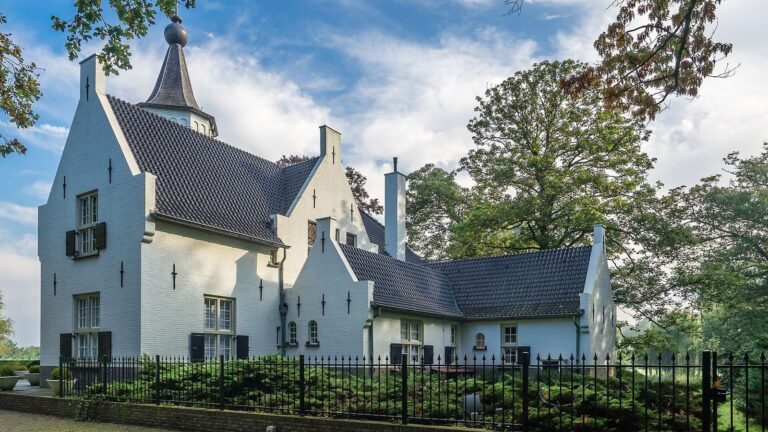
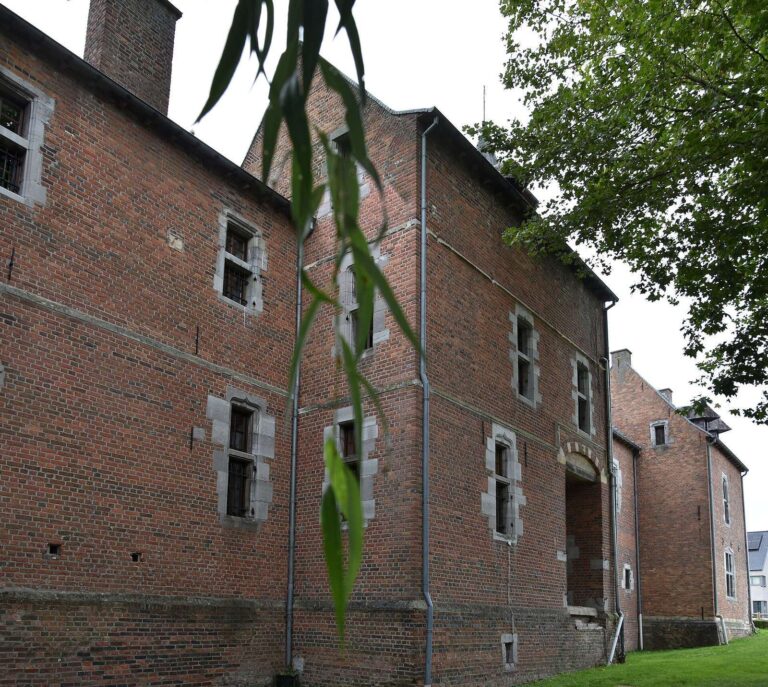
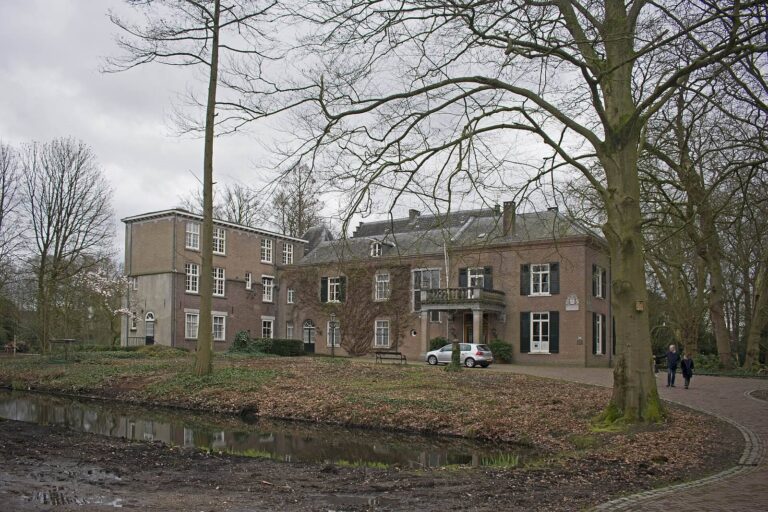
Genenbroek Castle stands immediately east of the built-up area of Achel in Belgium. First recorded in 1496 as a farm and hunting lodge belonging to the lords of Grevenbroek, the estate later gained a castle built around 1758. Its present appearance reflects a remodeling in Flemish Neo-Renaissance style, a nineteenth-century revival of Renaissance architecture in Flanders.
From estate to castle
During the fifteenth and sixteenth centuries, the estate passed through the Van den Broeck and Van Bergen families. The Schelen family held it in the late sixteenth century, followed by the Holtbecker family in the seventeenth. In 1742 it belonged to the hermits of the Achel Hermitage, a religious retreat. The noble De Hubens family lived there from 1747 and built a new castle around 1758, possibly replacing a smaller building on the site. The estate later passed to the De Leonaerdts family, who added a south wing around 1791.
Nineteenth-century remodeling
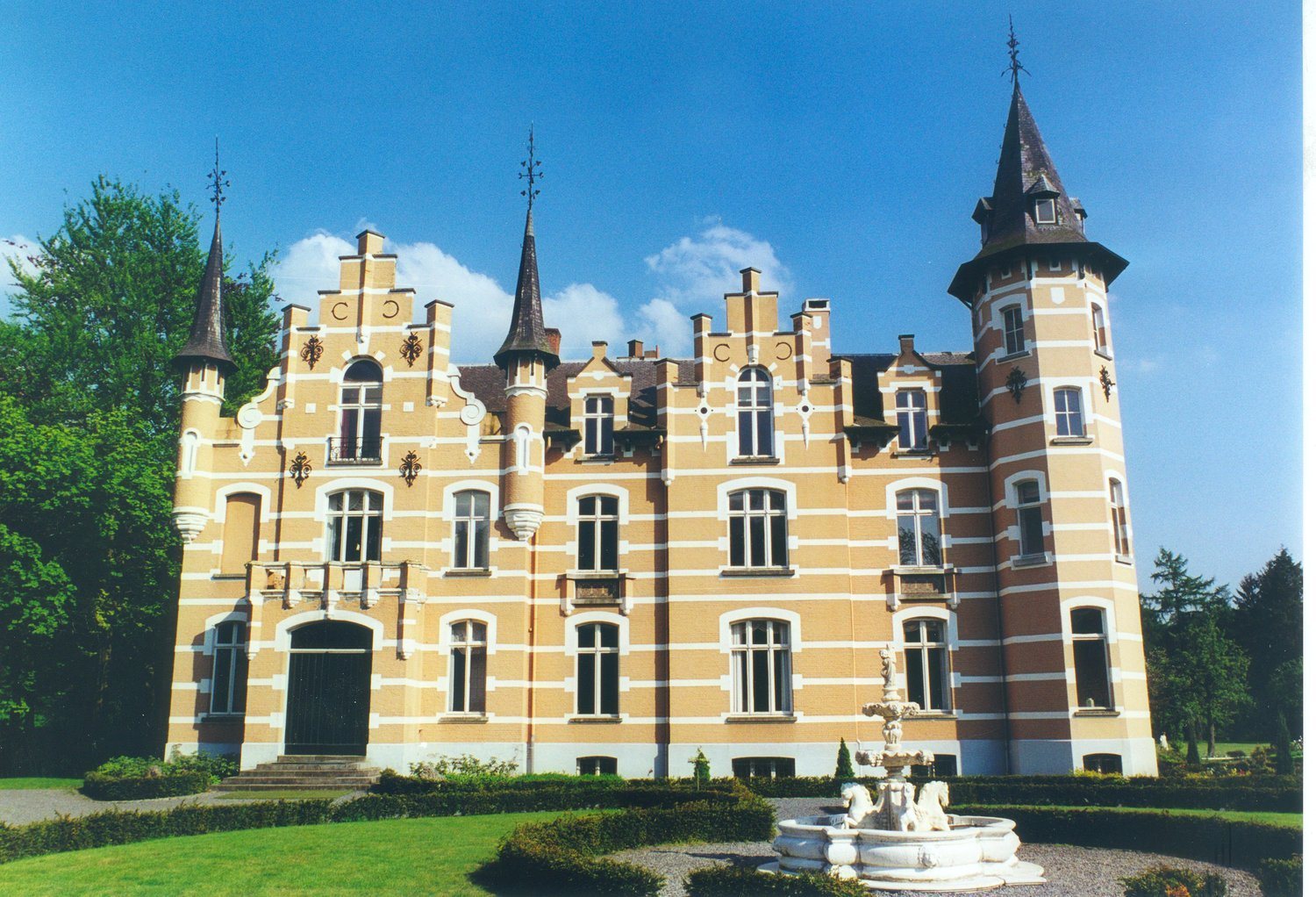
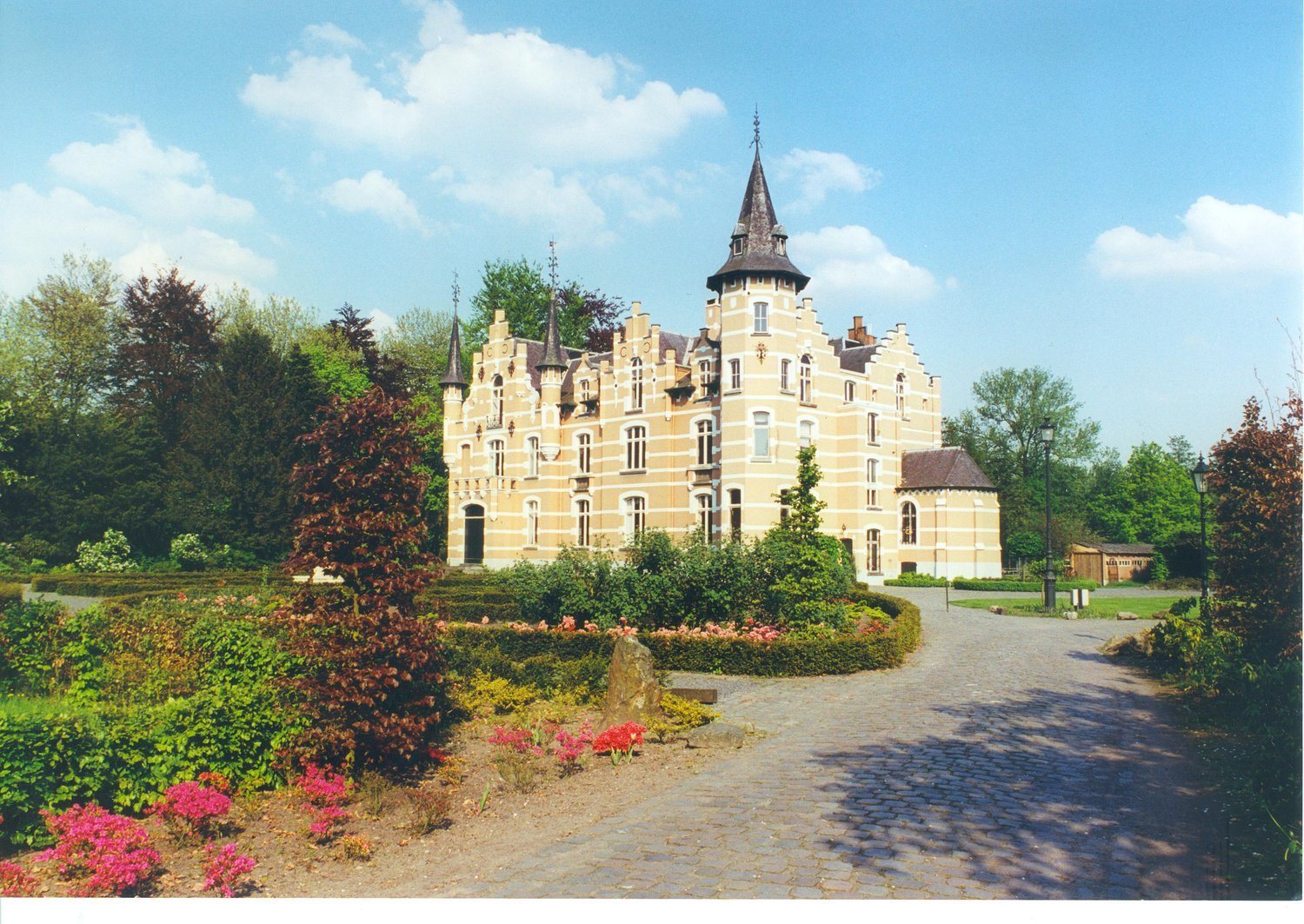
The castle passed to the widow Wauters-de Sallez in 1835. After her death in 1852, it was sold to Barthélémy de Theux de Meylandt, a nineteenth-century Belgian statesman. When he died in 1874, his son-in-law Alfred de Cornet d’Elzius de Peissant de Theux de Meylandt inherited it. Alfred remodeled the castle between 1882 and 1885, giving it its present appearance. He also had the farm demolished and new service buildings erected.
Religious and residential use
After Alfred’s death in 1898, his son Georges acquired the castle. In 1935 Georges sold it to the Crosiers of Diest, members of a Catholic religious order, who used it as a house of studies, a residence for study and formation. The Kluijtmans family bought the property in 1992. During later restoration, it acquired the mistaken name Grevenbroek Castle. Peter Gillis bought it in 2021 and arranged for its restoration for use as a residence.
Remains
The castle
The present building incorporates an older core within its Flemish Neo-Renaissance form. Several stepped gables distinguish the exterior; one is flanked by two slender turrets, while a larger tower rises at a corner.
Coach house and stable
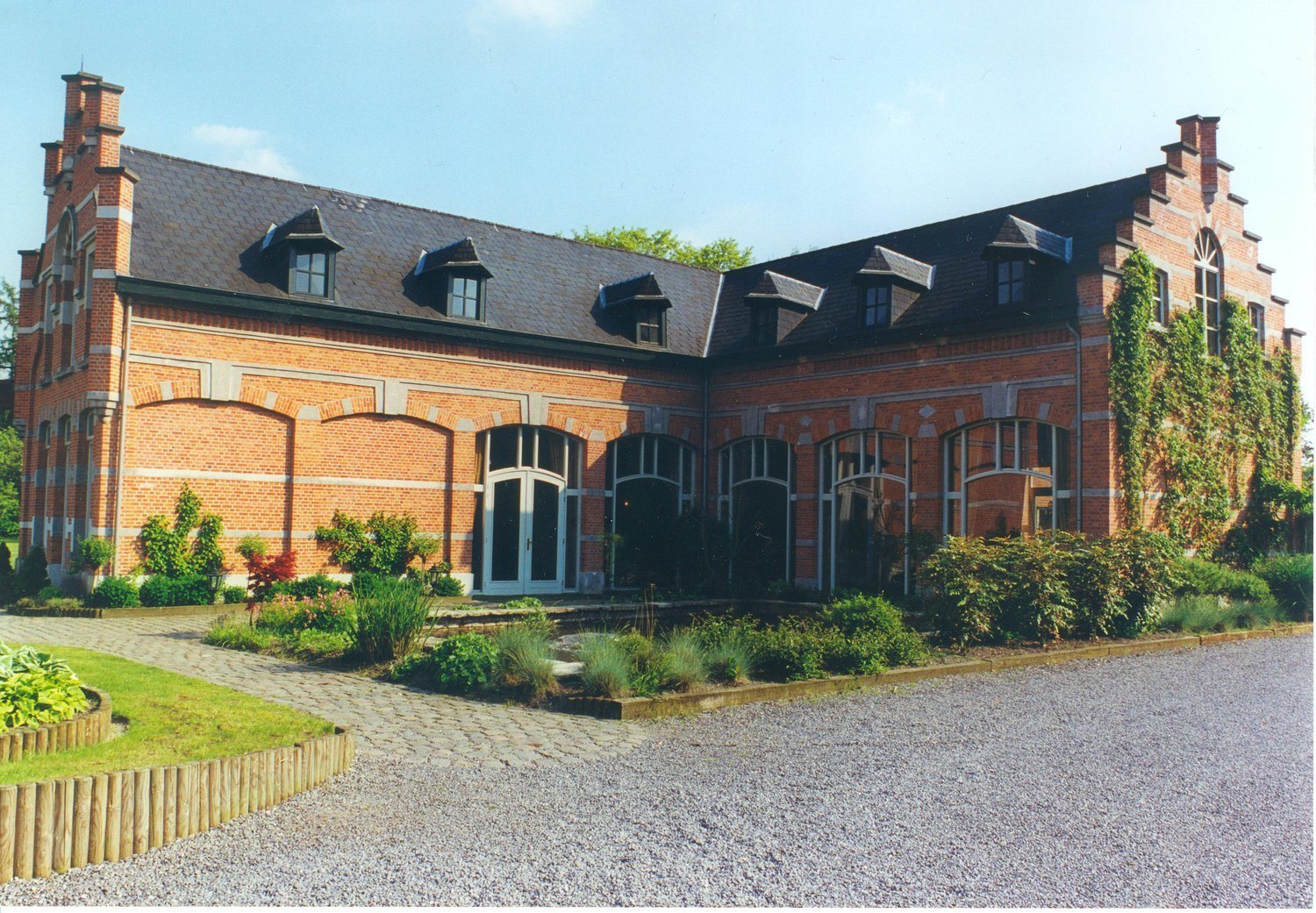
The farm was replaced during the 1882–1885 remodeling by a horse stable and a coach house. After the 1992 sale, these buildings were used for a brasserie and a restaurant.