Fontaine Castle: Seat of the Lordship of Fontaine
Site at a Glance
- Popularity
- Medium
- Country
- Belgium
- Primary era
- Early Modern
- Eras represented
- Medieval, Early Modern, Modern
- Civilizations
- Belgian, Holy Roman Empire, Prince-Bishopric of Liège
- Site type
- Domestic
- Remains
- Castle
On this page7 sections
History
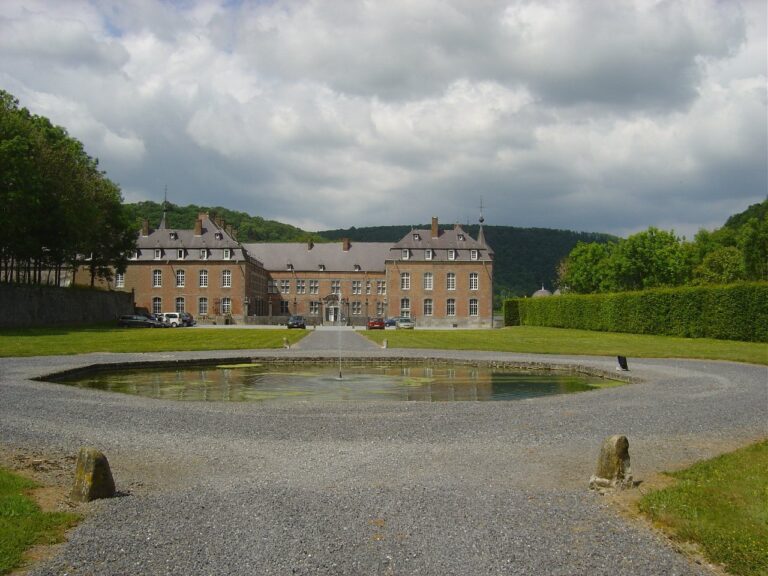
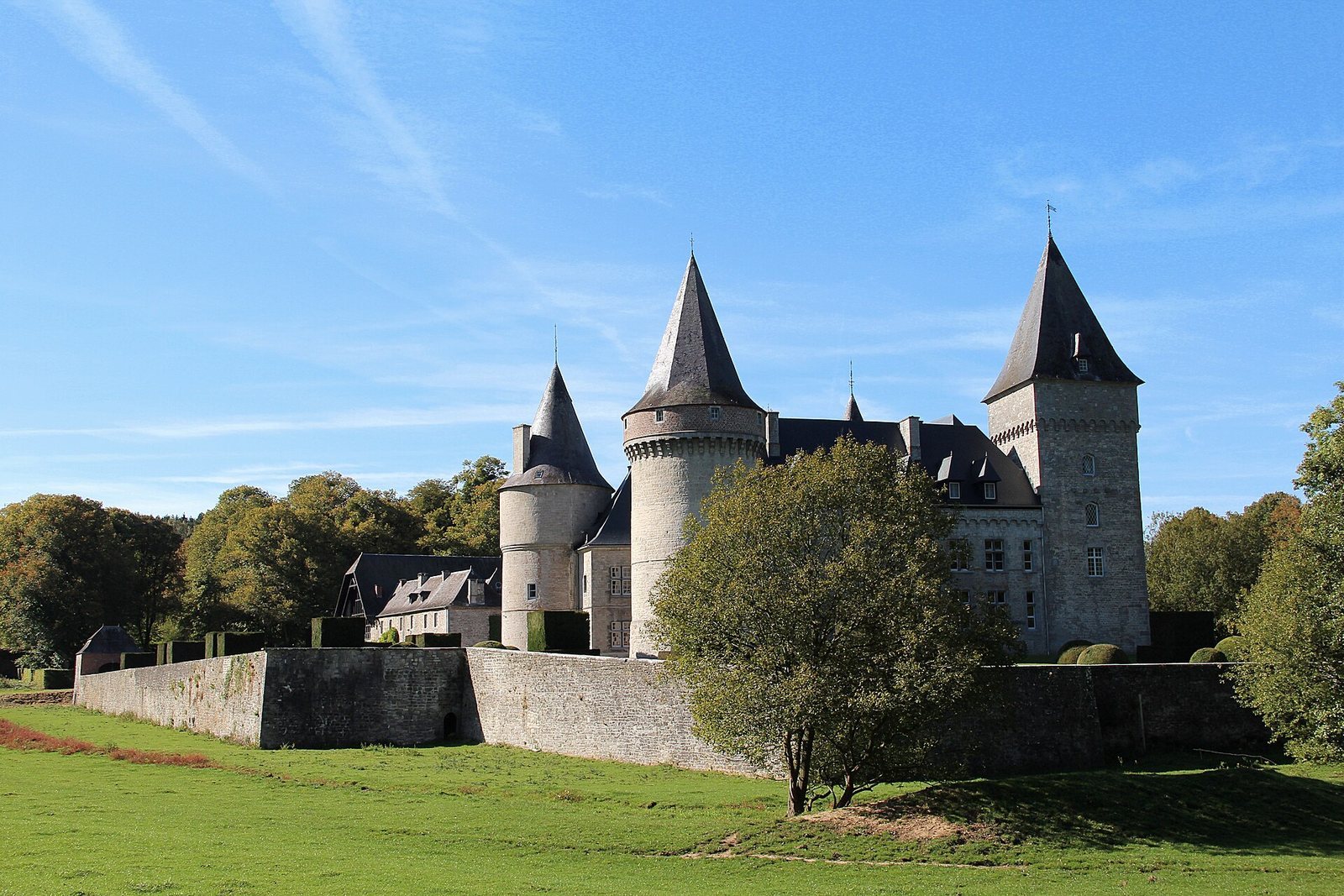
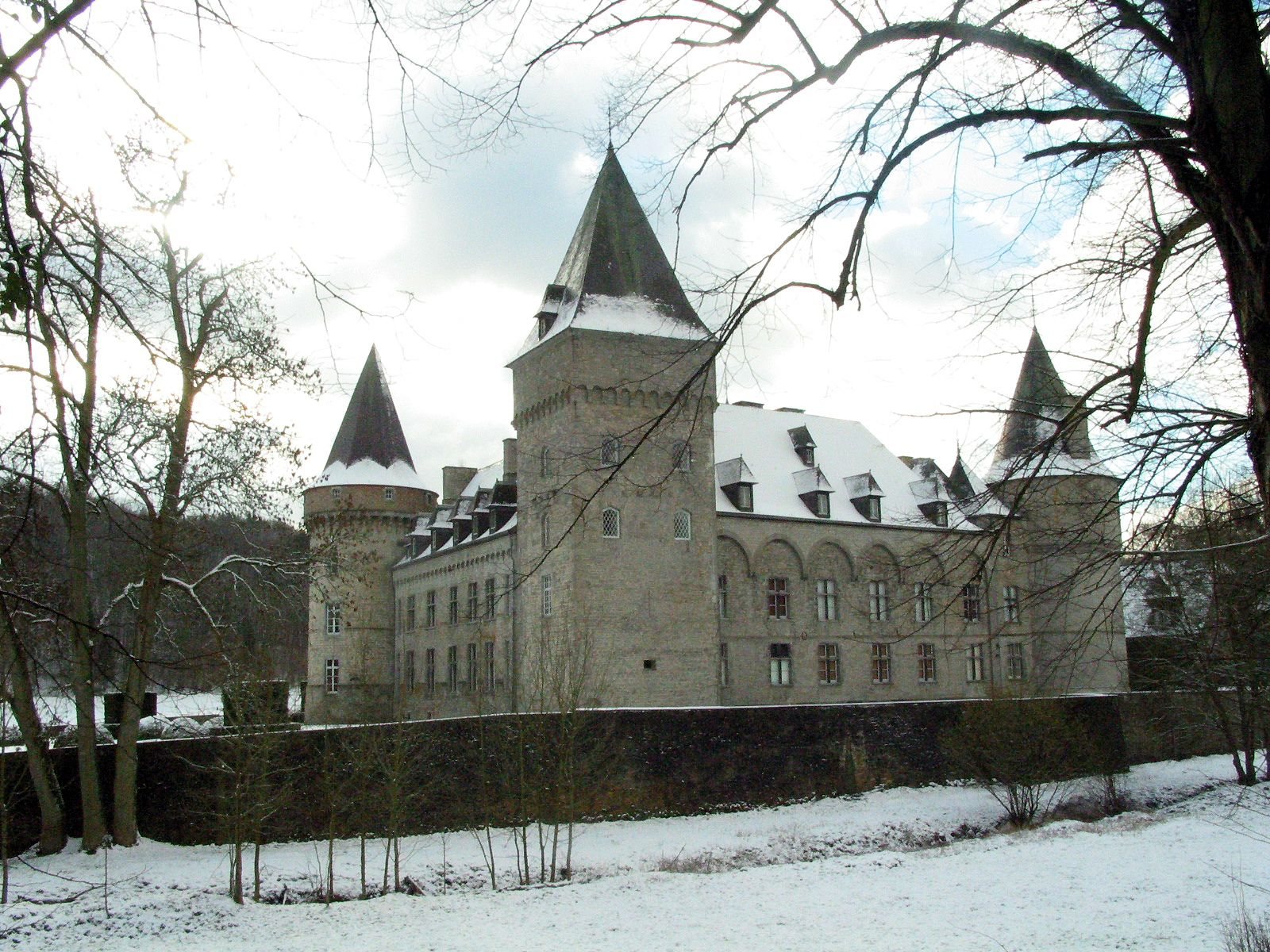
Fontaine Castle, south of Anthée in Belgium, is a château probably built in stages during the 16th century on the foundations of a medieval castle. Other buildings in the complex were erected during the 16th and 17th centuries.
The lordship of Fontaine
The château served as the seat of the lordship of Fontaine, a territory governed by a lord that encompassed Anthée, Morville, and Miavoye. Its lands extended across the counties of Namur and Agimont within the Prince-Bishopric of Liège, a principality whose ruler held both the office of bishop and secular authority.
Renovation and present use
Between 1907 and 1909, the château was renovated in a neo-traditional style, drawing on earlier architectural forms in a later design. The work gave the building a more uniform appearance. It is now protected as immovable heritage in Wallonia and serves as a private residence.
Remains
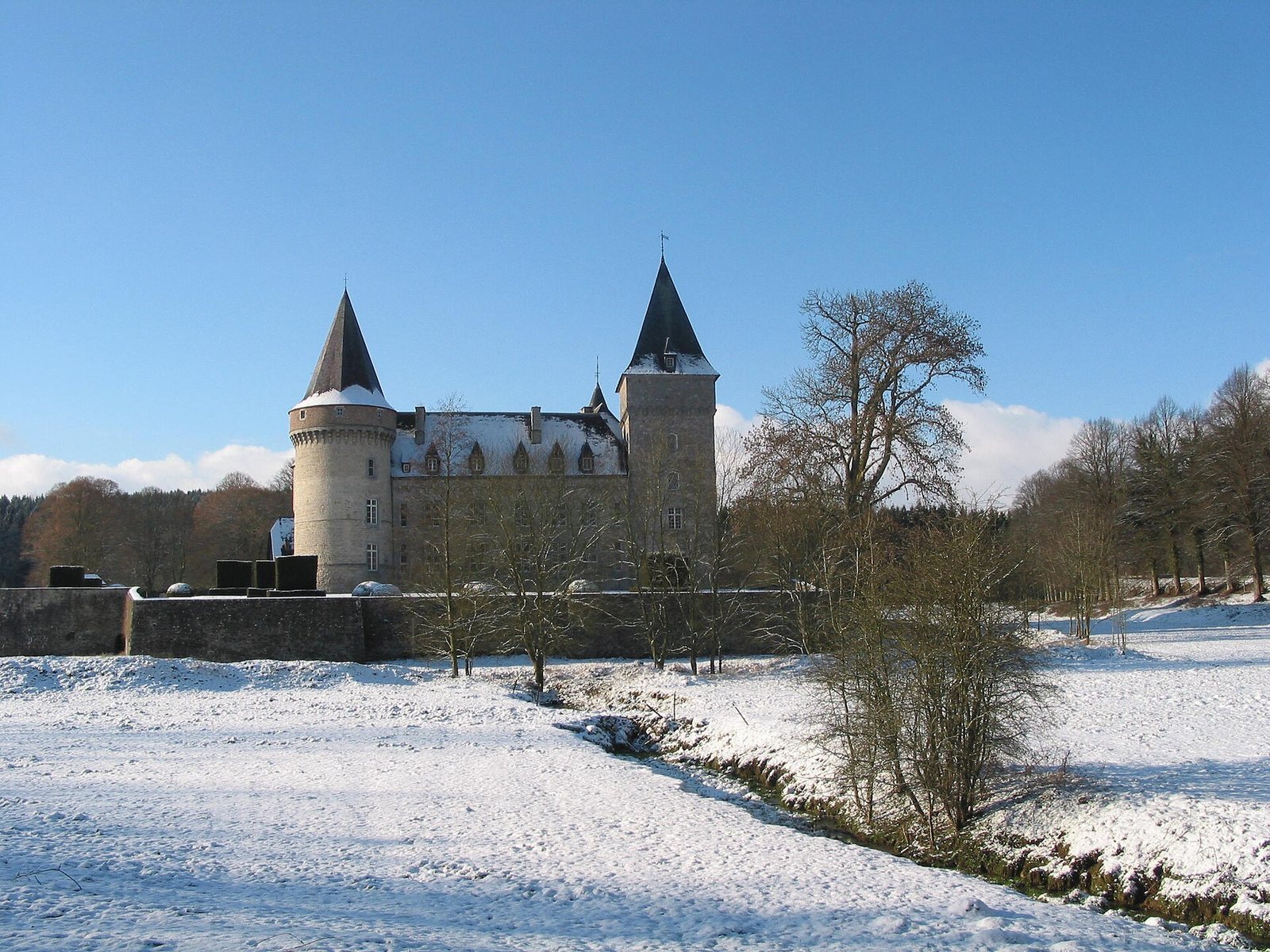
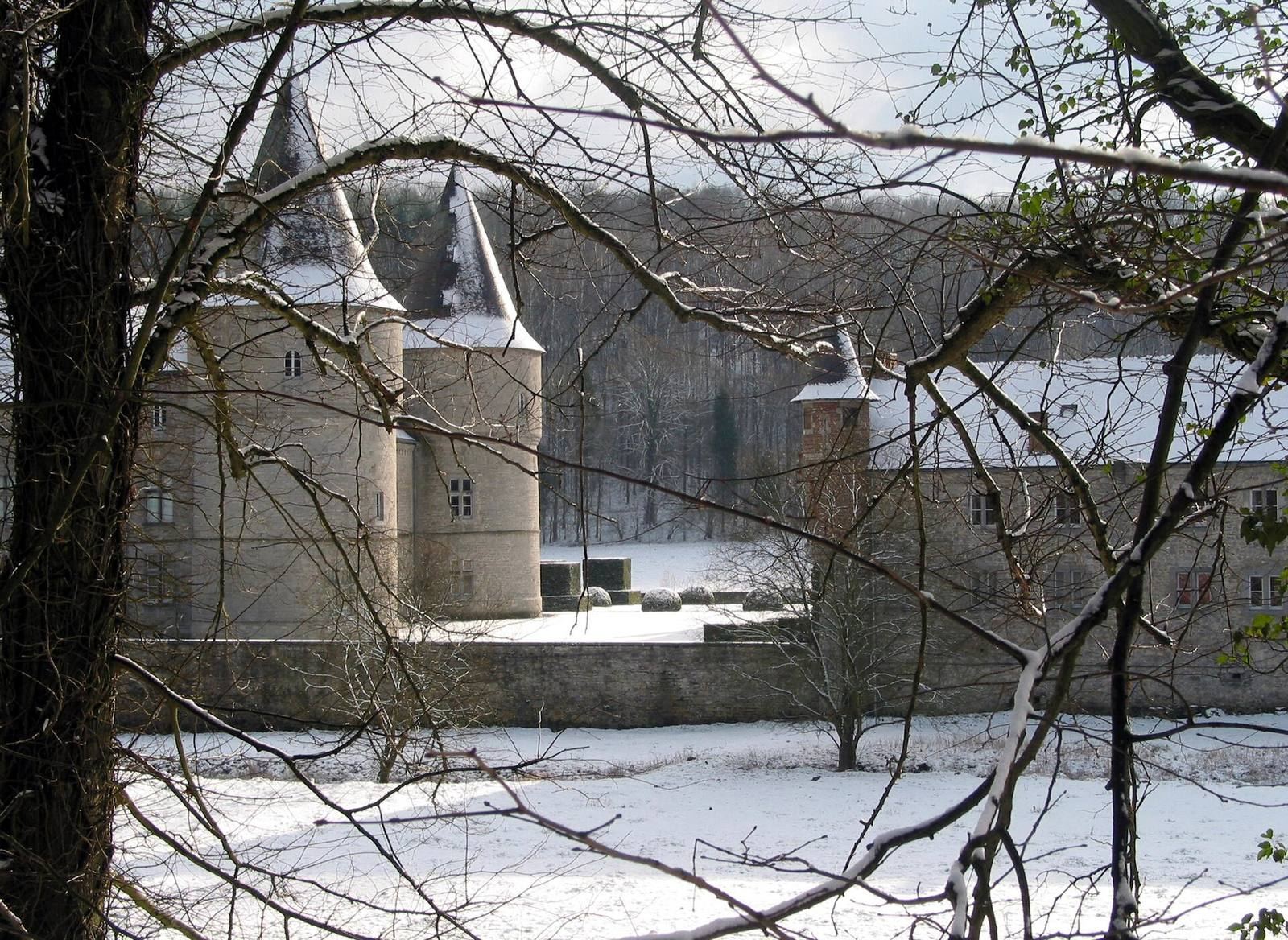
The complex stands in a wooded valley near the meeting of the Namur–Luxembourg and Dinant–Liège roads, as well as the road descending from Anthée toward the Meuse. The château is built of limestone and has a two-storey, U-shaped plan open to the south. A farm stands to the east, facing the château, while annexes occupy its west side.
Buildings and layout
The château
Three substantial towers and a square medieval keep occupy the château’s four corners. The keep dates to the 13th century, and remains of the earlier castle survive at the northeast corner. The 1907–1909 renovation raised the towers and added the windows and decorative details seen today.
The farm and annexes
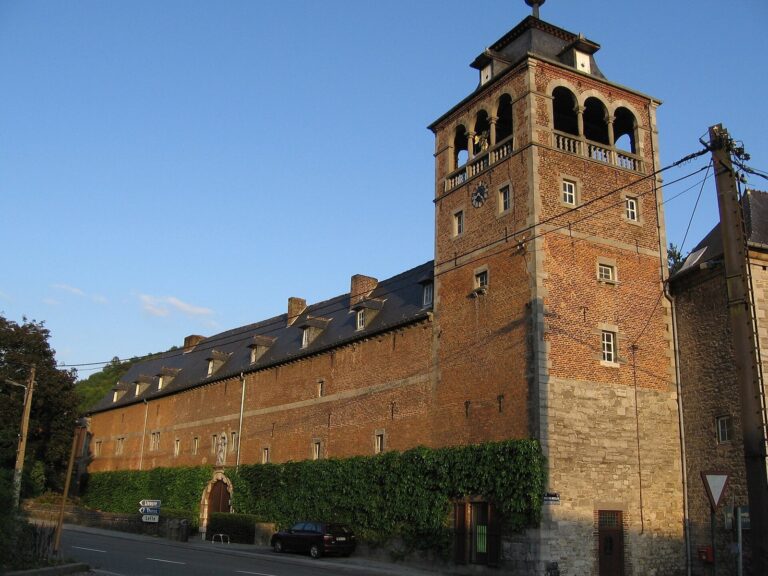
The farm to the east has a plan similar to the château’s, with its open side facing the château. The annexes are grouped on the west side.