Byzantine Sites in Turkey: Explore Mosaic Churches, Imperial Gateways and Frontier Cities
Byzantine sites in Turkey include domed churches, painted burial chapels, ceremonial gateways and the water-storage systems of frontier cities. In Istanbul, buildings from several centuries preserve different forms of imperial and monastic architecture. Farther south and east, Demre’s Church of Saint Nicholas and the cisterns and rock-cut remains at Dara extend the collection beyond the capital.
The examples range from sixth-century construction under Justinian to the elaborate mosaics and frescoes of the empire’s final centuries. Many churches were later converted into mosques or repaired after earthquakes, with their Byzantine plans and decoration surviving alongside subsequent changes.
Primary Function: All
Type: All
Popularity: All
Rating: All
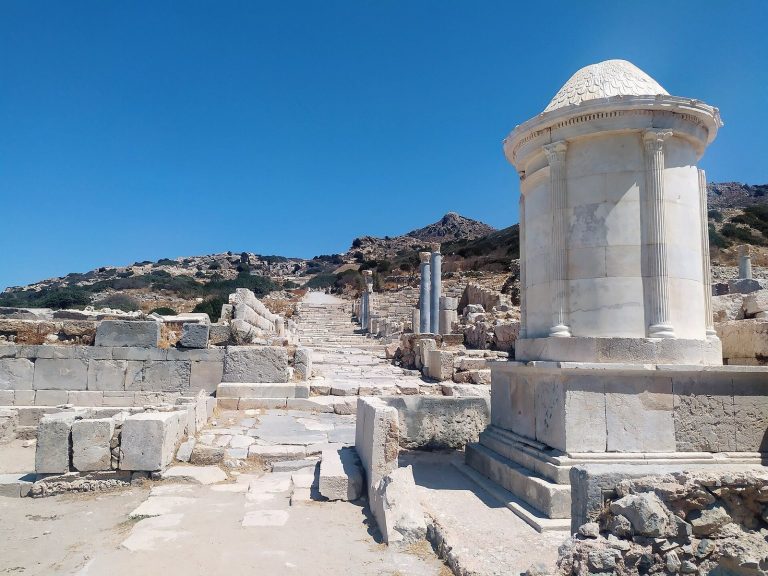
Knidos was a Dorian Greek city-state on the Datça Peninsula, known for its harbours, sanctuaries, commercial activity, artistic traditions, and role…
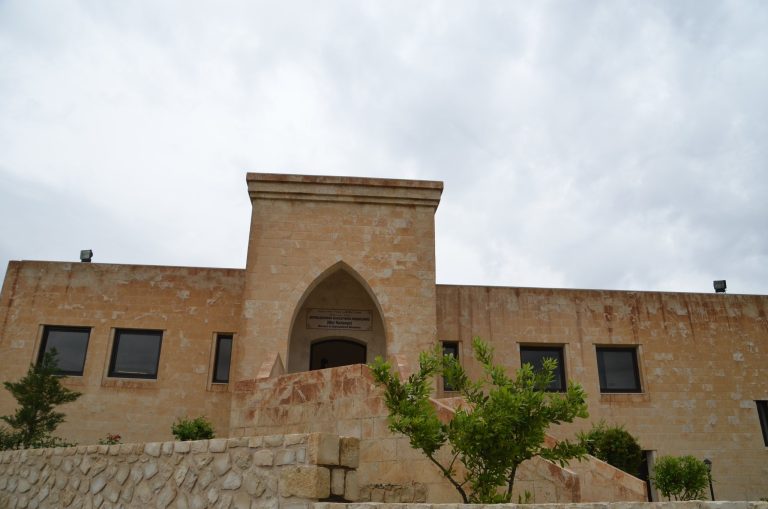
Mor Hananyo Monastery near Mardin has served as a Syriac Orthodox monastery, patriarchal residence, manuscript centre, refuge, and printing centre…
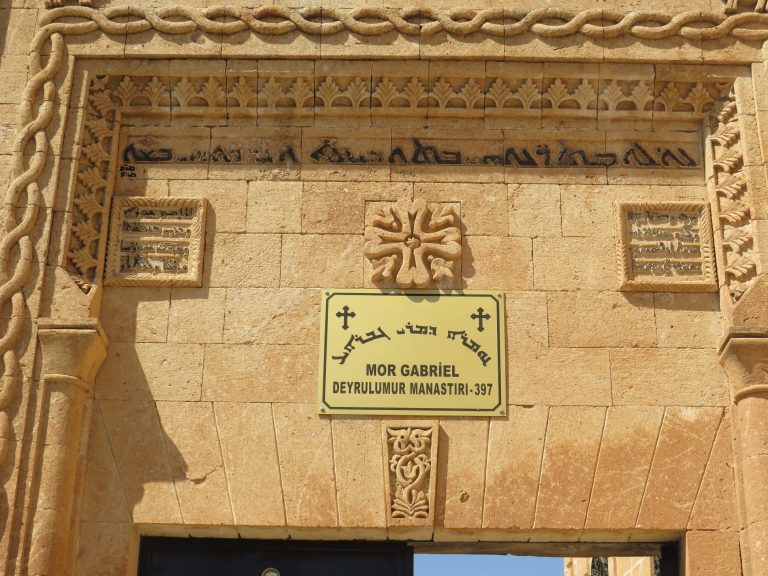
Mor Gabriel Monastery near Midyat is a Syriac Orthodox foundation established in 397. It has served as a centre of monasticism, education, manuscript…
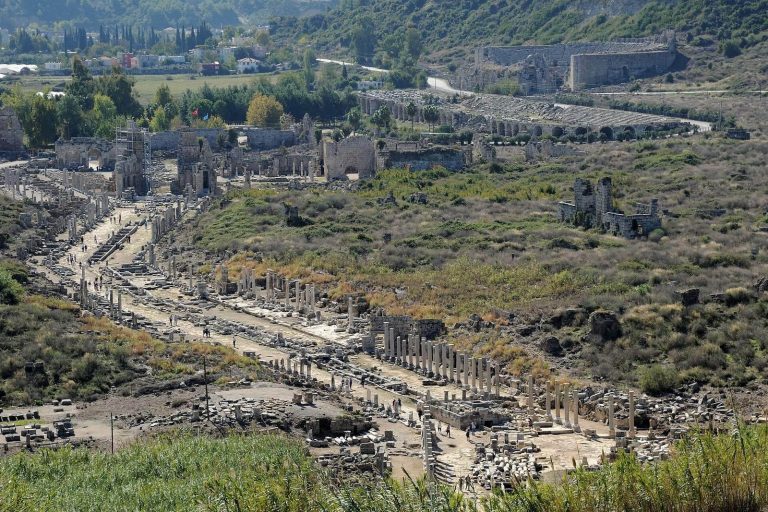
Perge developed from a prehistoric settlement into a major city of Pamphylia, flourishing under Hellenistic and Roman rule before becoming an…
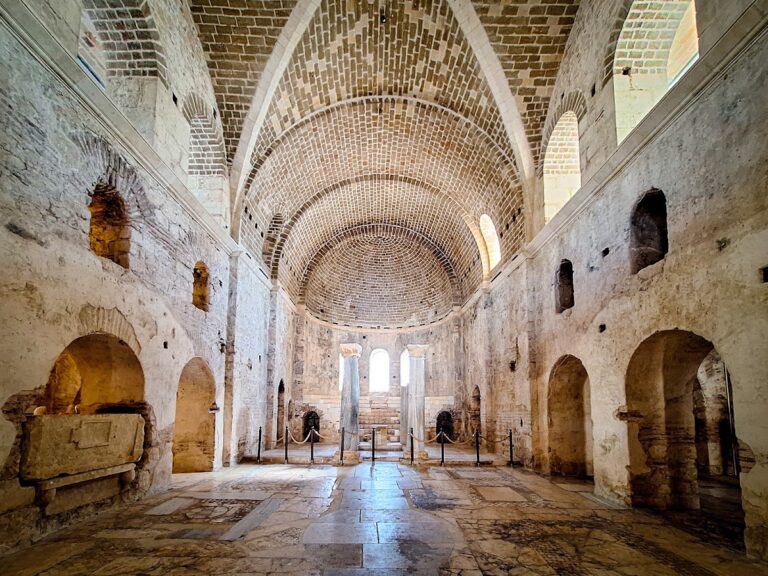
St. Nicholas Church in Demre, ancient Myra, developed around the tomb and cult of the fourth-century bishop Nicholas. Rebuilt after a sixth-century…
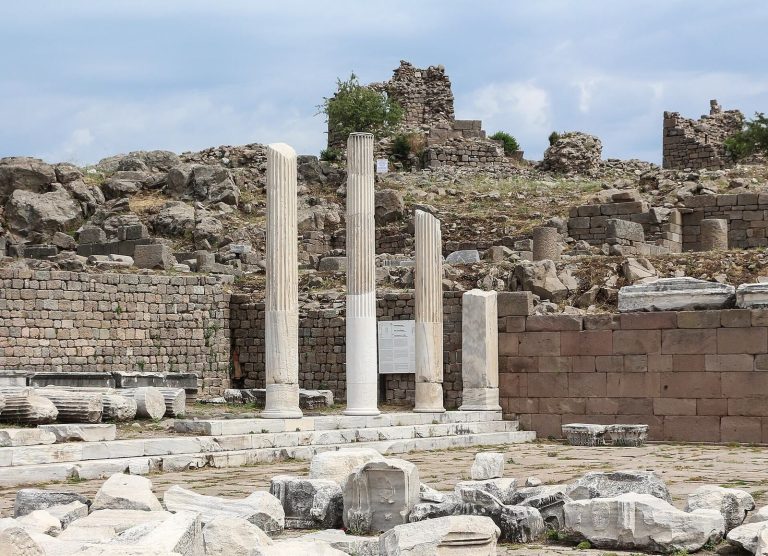
Pergamon Ancient City preserves the remains of a Greek, Hellenistic, Roman, and Byzantine centre at Bergama in western Turkey. Its history includes…
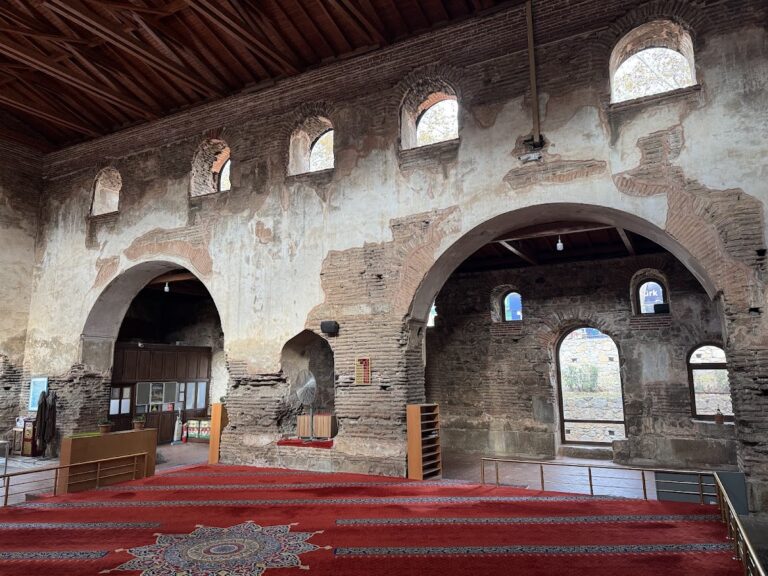
Hagia Sophia in Iznik developed from a Roman gymnasium into a Byzantine church, hosted the Second Council of Nicaea, and later became an Ottoman…
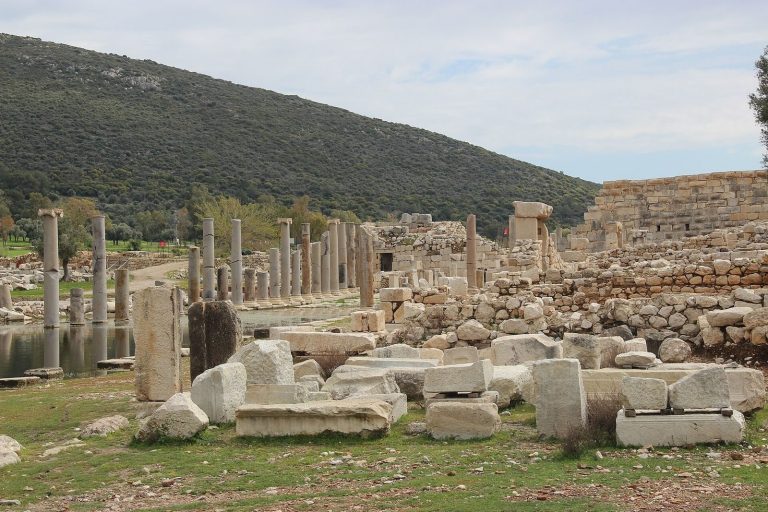
Patara Ancient City was a major Lycian port, commercial center, and capital of the Lycian League before becoming an important Roman and Byzantine…
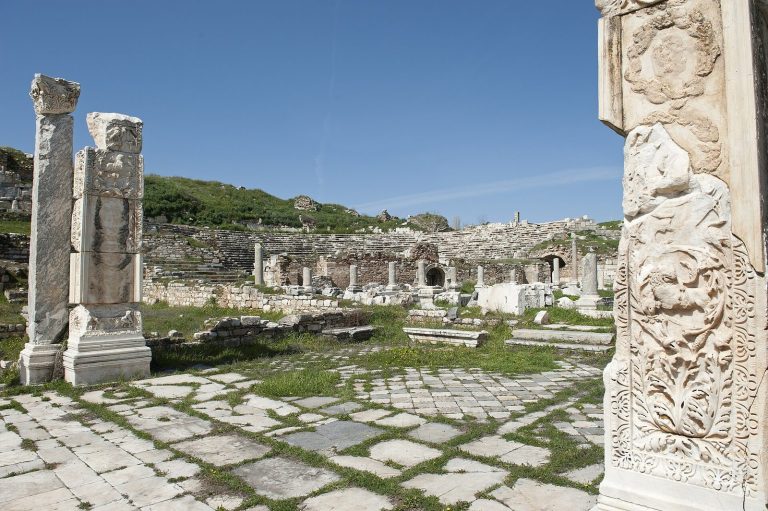
Aphrodisias in southwestern Türkiye developed from a Hellenistic city-state into a prosperous Roman metropolis known for its sanctuary of Aphrodite,…
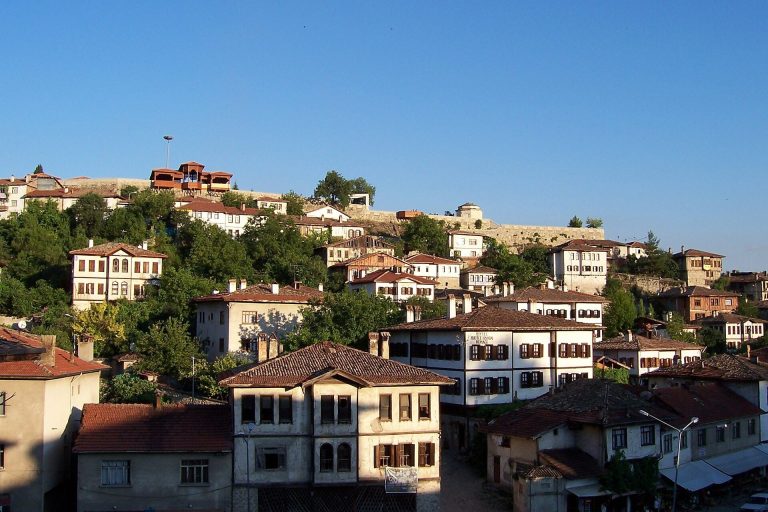
Safranbolu preserves a historic townscape shaped by ancient settlement, medieval principalities, Ottoman administration, caravan trade, and…
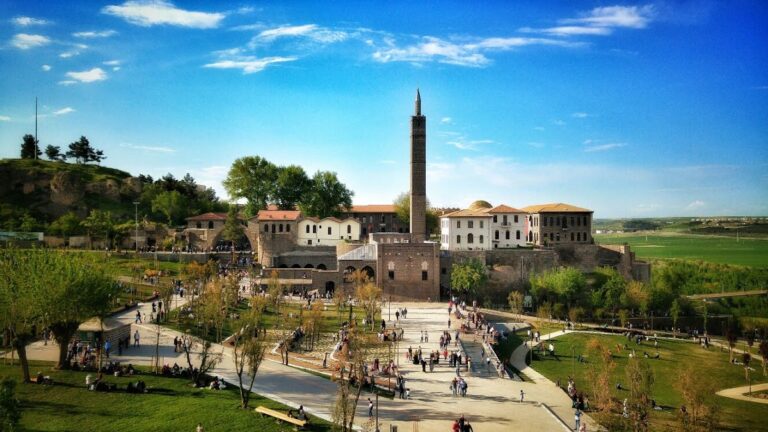
Diyarbakır Fortress encloses the historic Sur district and combines Roman, Byzantine, medieval Islamic, and Ottoman fortification phases. Its basalt…
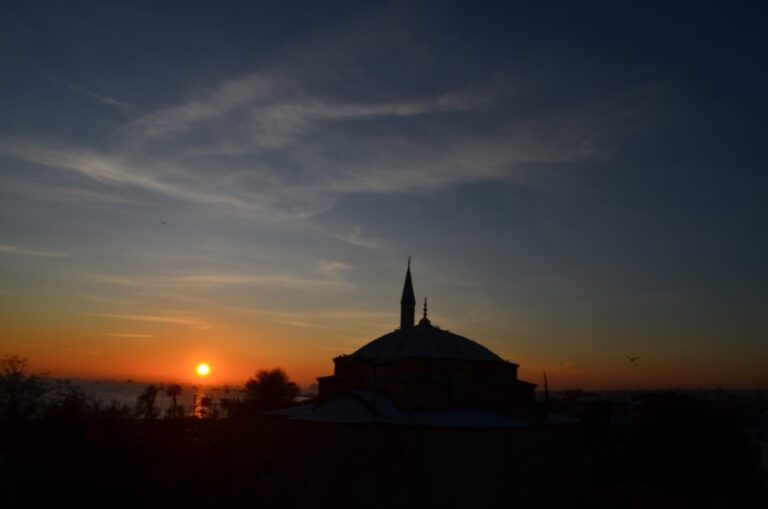
Little Hagia Sophia in Istanbul began as the sixth-century Church of Saints Sergius and Bacchus under Emperor Justinian I and became a mosque after…
For details on how to use the maps, which sites are included, how popularity and ratings are determined, and how sites are classified, see the help page.
On this page7 sections
Hagia Irene and Little Hagia Sophia: two domed interiors
Hagia Irene combines the long central nave and side aisles of a basilica with a domed upper structure. Its apse contains stepped semicircular seating for the clergy. Above it, a large dark cross stands against a gold mosaic background, preserved from the church’s rebuilding during the eighth-century period of Iconoclasm, when religious images were restricted.
The courtyard in front and the galleries inside preserve further parts of the church’s spatial arrangement. Its fabric includes Justinianic work and the reconstruction following the earthquake of 740.
Little Hagia Sophia, originally the Church of Saints Sergius and Bacchus, uses a more concentrated plan. Eight principal supports carry a dome divided into alternating flat and curved compartments. A two-storey colonnade wraps around the central space, with coloured marble columns and carved capitals.
A Greek inscription running around the interior names Justinian and Theodora. Some capitals also retain their monograms. The original mosaic decoration has disappeared, while later mosque fittings occupy the surviving sixth-century structure.
The Pantokrator complex at Zeyrek: three connected churches
Zeyrek Mosque preserves the churches of the twelfth-century Pantokrator Monastery. Two principal domed churches stand side by side, joined by a central funerary chapel dedicated to Saint Michael. A long western narthex connects the group.
The central chapel served as an imperial burial place and has two oval domes set on different axes. Its position between the larger churches gives the complex a distinctive arrangement of parallel worship and burial spaces. Later repairs replaced some of the original interior supports, and extensive modern restoration has contributed to the building’s present form.
Chora: mosaics in the entrance halls and frescoes over tombs
The Chora Church, also known as Kariye, contains an extensive early-fourteenth-century decorative programme commissioned by Theodore Metochites. Mosaics follow the lives of Christ and the Virgin through the entrance halls. One shows the donor presenting a model of the church; another, above the doorway from the nave, depicts the Dormition of the Virgin.
The southern burial chapel uses frescoes across its walls and vaults. In the Resurrection scene, Christ raises Adam and Eve from their tombs above the broken gates of Hades. Arched burial recesses line the chapel walls, connecting the painted themes of death and resurrection with the space’s funerary purpose.
The mosaics and frescoes were uncovered and conserved during twentieth-century work after centuries of concealment beneath later coverings.
The Golden Gate: an imperial entrance in the land walls
The Golden Gate has three marble passages flanked by massive square towers. Its central opening was associated with imperial ceremonial entry, while the towers made the gateway part of Constantinople’s defences. Marble facing and the broad arch distinguish it from an ordinary opening in the wall.
Successive Byzantine rulers strengthened the approaches and developed the gate into a more enclosed defensive position. The surrounding Yedikule fortress belongs to later Ottoman construction. The surviving gateway therefore combines the role of a ceremonial monument with centuries of adaptation as a strongpoint.
Dara: cisterns beneath a frontier city
Dara was developed as an Eastern Roman garrison city under Anastasius in the early sixth century, facing the Sasanian frontier. Its remains include large cisterns, channels, sections of fortification and extensive rock-cut burial spaces.
One great underground cistern lay beneath the city’s cathedral. Its high supporting structure survives more substantially than the church above, of which only a section of wall remains. Other reservoirs and conduits distributed water across the settlement. These installations supported the needs of a defended city and its garrison, alongside the walls later strengthened under Justinian.
Saint Nicholas at Demre: galleries and painted burial chapels
The Church of Saint Nicholas at Demre developed through several Byzantine rebuilding campaigns. Its aisles and vaulted galleries surround the main worship space, while stepped clergy seating occupies the central apse. Geometric stone-inlay floors and reused ancient capitals preserve different elements of the interior’s finish.
Attached burial rooms contain wall paintings of monks, bishops and scenes from Saint Nicholas’s life. Their sarcophagi belonged to later occupants whose identities are uncertain. The saint’s own burial place also remains debated. Nineteenth-century rebuilding substantially altered the roof, while the medieval chapels and their paintings preserve the church’s later Byzantine development.
Explore the collection
Explore sites on the map or in the grid. Map icons reflect each site’s primary function, helping you identify different kinds of places at a glance. Narrow the results by primary function, site type or era, with additional filters for popularity and rating. Select a map marker to view the site’s details and open its article, or open the article from its grid entry.